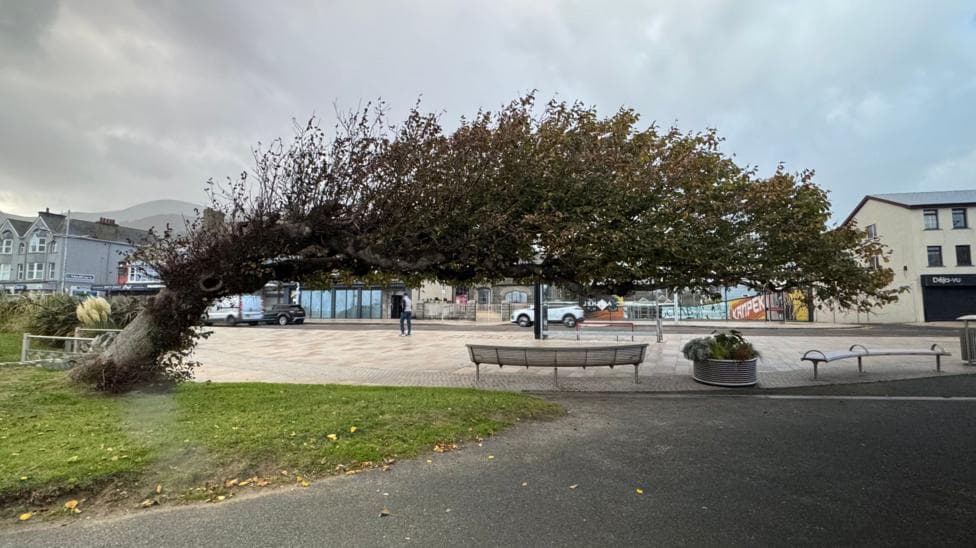
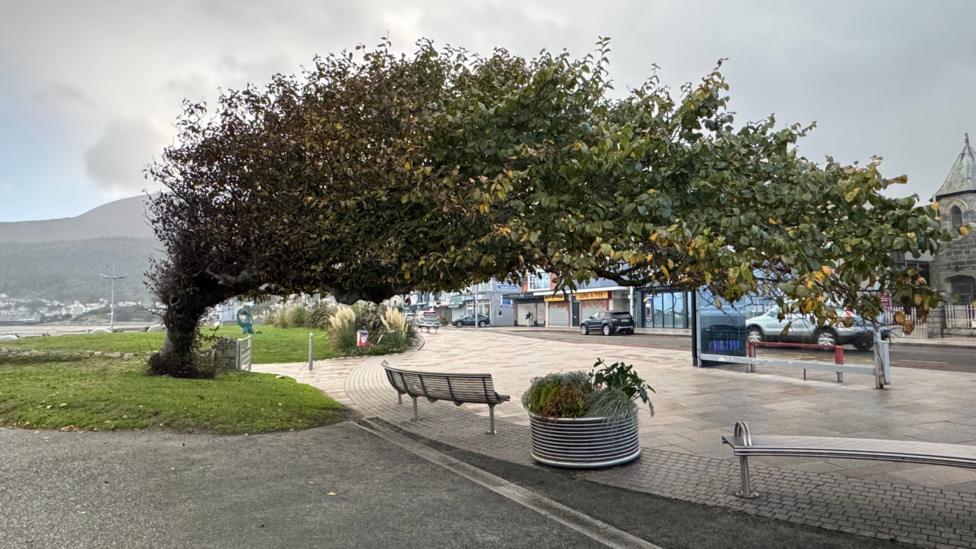
Newcastle's distinctive "Bendy Tree" has secured the UK Tree of the Year 2026 title, marking the first time a tree from Northern Ireland has won the national award since the competition began in 2014. The 150-year-old wych elm, positioned on the central promenade in Newcastle, County Down, captured more than 30% of the national public vote in a competition that ran from July to September, with voters selecting from a shortlist of 10 trees.
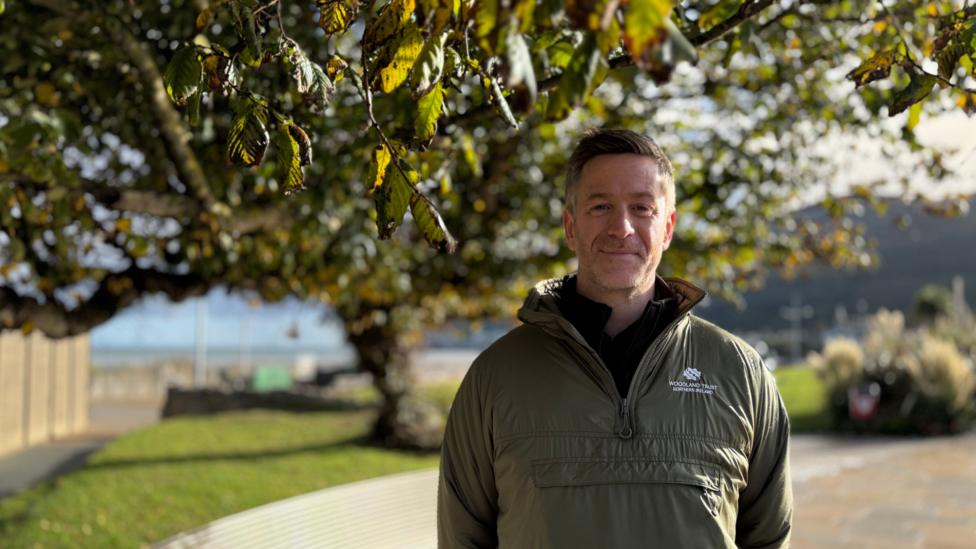
The Woodland Trust's annual competition centred on the theme "Against All Odds", recognising trees across the UK that demonstrated impressive survival, beauty, or remarkable adaptation in the face of adversity. John Martin, Northern Ireland director of the Woodland Trust, expressed his enthusiasm for the tree's victory, noting that tens of thousands of voters across the UK had clearly shared his appreciation for this "whimsical" specimen.
"It's a great testament to the resilience of nature."
The shortlist included eight trees selected by an expert panel alongside two wildcard entries chosen by the public. The Bendy Tree's competitors included a 200-year-old yew growing from the masonry of a Devon church tower, a Scottish ash that survived a lightning strike, and a Surrey yew containing an embedded English Civil War cannonball discovered by early 19th-century villagers.
How did the tree develop its distinctive shape?
The wych elm is the sole survivor of a row of trees planted along the original promenade during the 19th century, installed specifically to shield the area from sea breezes. The remaining trees in this row were felled during the 1980s as part of redevelopment work. The persistent coastal winds that the tree was originally meant to protect people from have instead shaped its growth, causing its trunk to develop an almost horizontal orientation. Despite this unusual form, the tree continues to serve a protective function—its leafy canopy now provides shade over a bench installed by the council, where visitors can sit and enjoy views of the Mournes and the sea.
Martin explained the tree's ongoing value to the community:
"The council have put a bench underneath it where people can come and sit in the shade and enjoy views of the Mournes and of the sea. I think the whimsical nature of it and the fact that it's showed a lot of resilience over 150 years has proven it the winner this year."
What threats has the tree overcome?
Beyond its struggle against extreme coastal weather, the Bendy Tree has demonstrated remarkable survival against a disease that devastated elm populations across the UK. As a native elm species, it has resisted Dutch Elm disease, which destroyed approximately 30 million elms throughout Britain during the 1960s. Martin highlighted the tree's exceptional longevity, describing its survival as demonstrating "remarkable resilience" and emphasising the significance of acknowledging a tree of such age.
May Chemais, the Ancient Tree inventory lead at the Woodland Trust, characterised the tree as both "astonishing and bizarre", noting its extraordinary endurance through repeated environmental challenges.
"The Bendy Tree has been blasted by extreme winds, over and over again, for well over a century. But it has continued to exist and remain rooted, adapting to its surroundings and flourishing into this unusual shape that is providing shade and joy to its community. We've all been through changes and hardships that have shaped who we are - I think that's why the Bendy Tree has struck a chord with people."
Chemais further noted that ancient trees like the Bendy Tree hold cultural significance within communities, offering both practical benefits such as shade and intangible value through the stories and memories they accumulate over generations.
Why does Northern Ireland need more trees?
Northern Ireland currently has one of Europe's lowest woodland coverage rates at 8.7%, significantly trailing Scotland at 19%, Wales at 15%, England at 10%, and the Republic of Ireland at 11%. To address this deficit, a tree-planting action plan has been established with an ambitious target of achieving 12% woodland cover by 2050. However, current tree-planting rates would need to more than triple to place the region on track to meet this goal.
The Woodland Trust emphasises that the annual competition aims to raise awareness of rare, ancient, or at-risk trees across the UK, helping to highlight the importance of woodland conservation and expansion.
What happens next for the Bendy Tree?
The tree's victory carries international significance: according to reporting from an Irish national broadcaster, the Bendy Tree will represent the UK in next year's European Tree of the Year finals. The tree is owned by Newry, Mourne and Down District Council, which has already demonstrated its commitment to the tree's preservation and community use through the installation of the viewing bench.
Key Facts:
- The 150-year-old wych elm captured over 30% of the national public vote, the highest share in the 2026 competition
- It is the first Northern Ireland tree to win the UK Tree of the Year award since the competition launched in 2012
- The tree has survived both extreme coastal winds and Dutch Elm disease, which destroyed approximately 30 million elms across the UK in the 1960s
- Northern Ireland has 8.7% woodland cover, among Europe's lowest rates, with a target to reach 12% by 2050
- The Bendy Tree will compete as the UK's entry in the European Tree of the Year finals scheduled for next year