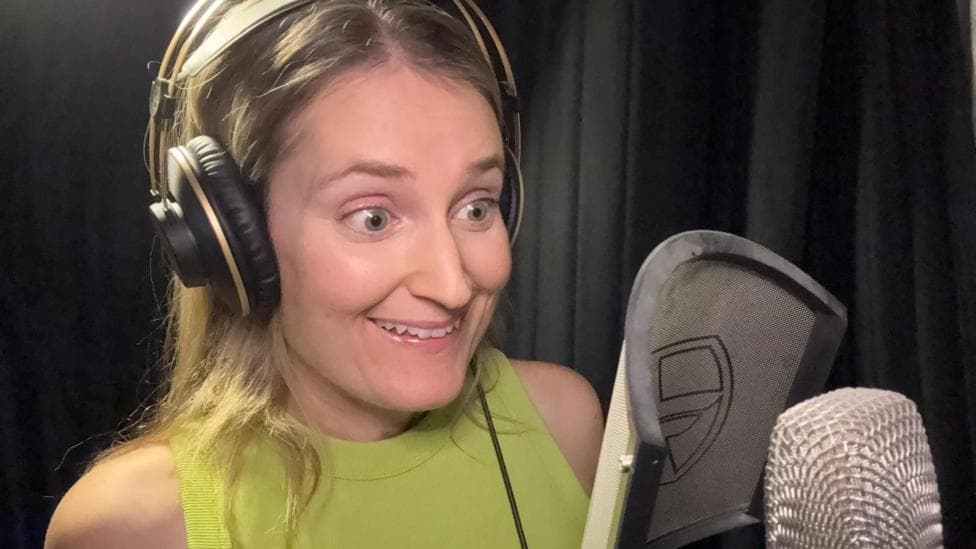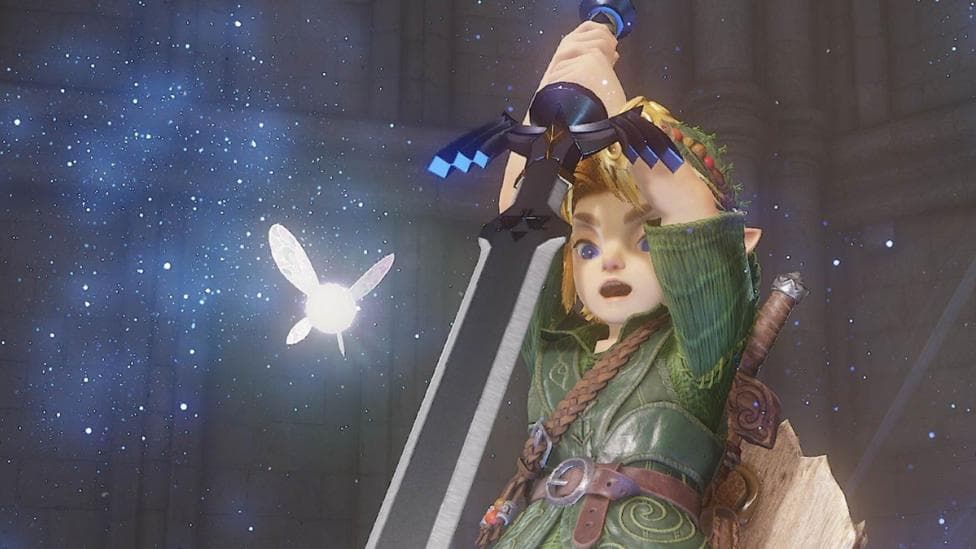
When Kacey Doran glimpsed footage from the forthcoming remake of The Legend of Zelda: Ocarina of Time, she immediately reached for her phone to share the news with her sister. Nearly three decades earlier, the pair had sat together in front of their family television, working through the original Nintendo 64 release's intricate dungeons while Doran read the dialogue aloud. That shared experience left an indelible mark—Ocarina of Time became the first game Doran ever finished, and its fantasy narrative and haunting soundtrack captivated them both. According to BBC News, the emotional pull of revisiting beloved games remains one of the video game industry's most potent marketing tools.
Her sister's response to the remake announcement—"I'm not tearing up… YOU'RE tearing up"—captures the raw emotional power that nostalgia wields over players. Doran, now an esports instructor at Rowan University in New Jersey, hopes to rediscover that "magical" quality from the 1997 original and share it with her sister's children. The Verge reported that the remake is scheduled to launch on November 5, 2026, exclusively for Switch 2, bringing the classic adventure to a new generation of hardware.
Why Do Remakes Keep Coming Back?
The video games industry has long relied on remakes as a cornerstone strategy. From Mario Kart to the Final Fantasy series and Pac-Man, established franchises continuously return in updated iterations as new player cohorts emerge and technological capabilities expand, enabling richer graphics and more expansive worlds. While emotional connection may be the primary draw, remakes present a double-edged sword: devoted fans often guard their favourite titles fiercely, and new versions frequently fail to meet the extraordinarily high expectations these communities maintain.
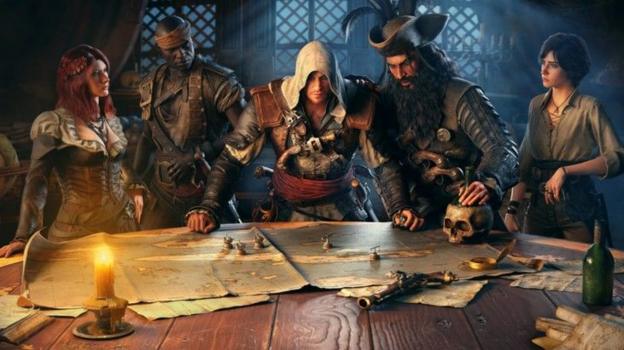
Putting out remasters and remakes has proven to be a "really successful" approach for the games industry, according to Piers Harding-Rolls, head of games research at Ampere Analysis. "Tying in with established audiences and building on existing content is quite a safe route for a lot of companies," he explains. From a financial perspective, updating an existing game often costs less than developing an entirely new title from the ground up. Recent remakes that have attracted substantial audiences include Resident Evil 4 and Assassin's Creed Black Flag, though Ocarina of Time stands apart due to its enduring reputation as one of gaming's greatest achievements.
What Makes Nostalgia Such a Powerful Force?
Nostalgia operates as a complex emotional mechanism, according to Tim Wulf, researcher at the Centre of Advanced Internet Studies in Bochum, Germany. The emotion carries both positive and negative dimensions—happiness intertwined with a bittersweet awareness that cherished moments have passed.
"It's a social emotion because memories that induce nostalgia for us are connected to other people,"Wulf explains, noting that nostalgia can simultaneously strengthen self-esteem while reinforcing the significance of social bonds.
Video games possess a unique capacity to trigger nostalgic responses because players can "jump into the same environment," transforming them into emotional time machines. Returning to fondly remembered virtual spaces can feel stabilising or reassuring in an unpredictable world. Doran observes that revisiting a cherished old game carries a particular satisfaction: deploying skills learned years earlier, succeeding once more, and recapturing that sense of mastery from the past.
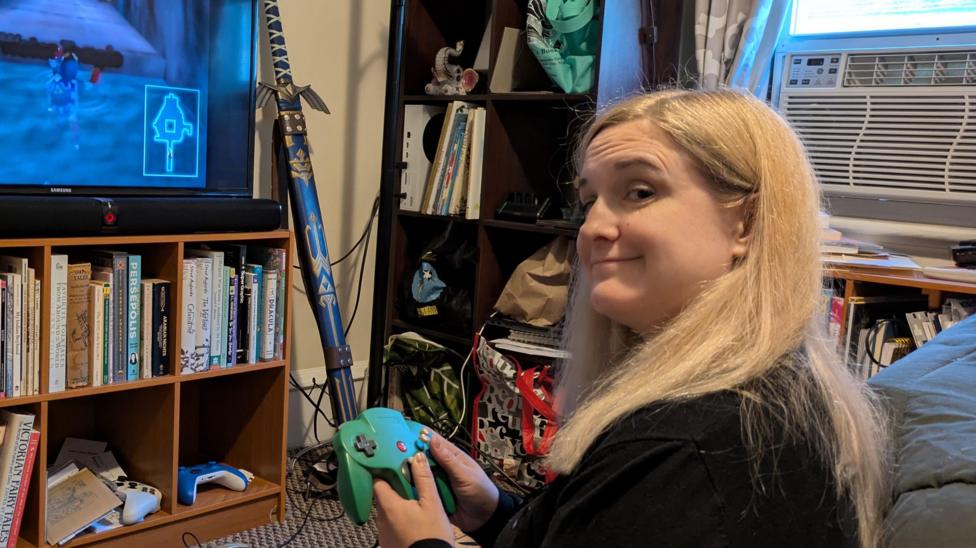
The Ocarina of Time remake incorporates several modernisations designed to appeal to contemporary players while honouring the original. A hands-on preview revealed new jump and sprint controls, a Breath of the Wild-inspired interface, and a "Threads of Time" quest log that streamlines navigation. Additionally, the remake adds a "Hall of Fallen Foes," enabling players to review defeated enemies and replay boss encounters.

Can Nostalgia Alone Drive Interest?
Wulf cautions that nostalgia, while significant, cannot be the sole foundation for a successful remake. Games companies must continue innovating when bridging contemporary audiences with the past, ensuring fresh experiences that satisfy modern expectations. Ironically, despite his admiration for the original Ocarina of Time, Wulf himself harbours no interest in the remake.
"I want a new game – I don't want to play an old game,"he states, illustrating that nostalgia does not universally motivate engagement.
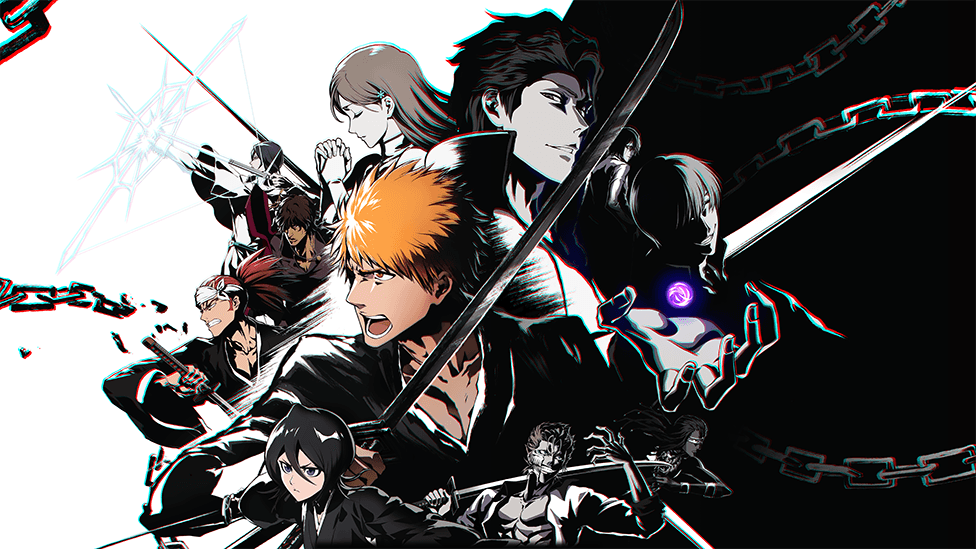
Critics frequently highlight a fundamental tension between originals and remakes: which version becomes the definitive one? In 2021, Square Enix released Nier Replicant ver.1.22474487139..., a remaster of a 2010 title. One reviewer observed that the result left "two nearly identical Niers each vying to be the true Nier," creating confusion rather than clarity. When remasters or remakes fail to honour their source material, fan backlash can be severe and consequential within gaming communities.
How Do Developers Balance Respect and Creativity?
Stephanie Ijoma, chief executive and founder of NNESAGA, a consultancy and creative agency, emphasises that developers must "find the right balance" between satisfying devoted fans and exercising creative freedom with the material.
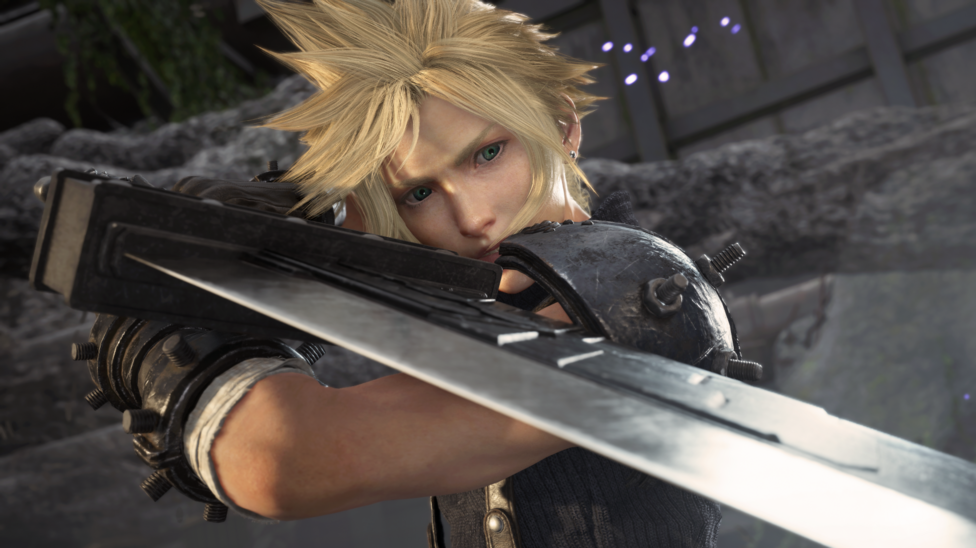
"You can't make art in fear, you can't create in fear,"she asserts. Ijoma points to Final Fantasy VII as a successful example: first released in 1997, it received a highly anticipated remake in 2020 that allowed her to share a formative gaming experience with younger players today.
Remakes serve another crucial function beyond nostalgia: they democratise access to older games. Obtaining vintage computer hardware or gaming consoles to play original versions remains impractical for many people, though some enthusiasts pursue this as a hobby. Niklas Hallin, a solo indie game developer operating the studio Neckbolt, struggled repeatedly to play Silent Hill 2 on legacy systems.
"They made a remake and it's so smooth, it just works. It works on your modern hardware,"he notes, highlighting how remakes eliminate technical barriers that would otherwise prevent players from experiencing these titles.
Hallin did not grow up playing many games, so nostalgia does not strongly motivate his own engagement. However, he deliberately incorporates subtle stylistic references to classic games in his own work because he recognises their appeal to players. Indie developers frequently embrace retro aesthetics not solely because audiences respond positively to them, but because such approaches are more achievable within budget constraints.
"You can't compete with billion dollar budgets, super high-fidelity, Triple A graphics,"he explains.
What Lies Ahead for Game Remakes?
A significant question looms: as the visual gap between games released years apart continues to narrow, will remaking a 2026 game in 2038 remain worthwhile? Harding-Rolls predicts that games companies will persist in connecting new audiences with classic titles through updates, but the nature of these remakes may evolve. Rather than focusing primarily on graphical enhancements, future remakes might emphasise "reinterpretations" or "versions with additional content," offering substantive creative reimaginings rather than mere technical polish.
The Zelda remake's pricing reflects its position as a premium release: the digital edition is listed at $59.99, while the physical version costs $69.99. A Zelda-themed Switch 2 console is scheduled to arrive on October 29, 2026, just days before the game's November 5, 2026 launch, positioning the remake as a flagship title for Nintendo's new hardware generation.
The video game industry's relationship with its own history remains dynamic and unresolved. Remakes allow players to revisit cherished experiences while introducing classics to audiences who never encountered the originals, yet they also raise questions about artistic integrity, creative stagnation, and the balance between honouring the past and forging new creative paths. As technology continues to evolve and player expectations shift, the formula for successful remakes will undoubtedly transform—but the fundamental human desire to reconnect with meaningful experiences suggests that reimagined classics will remain a fixture of gaming for years to come.