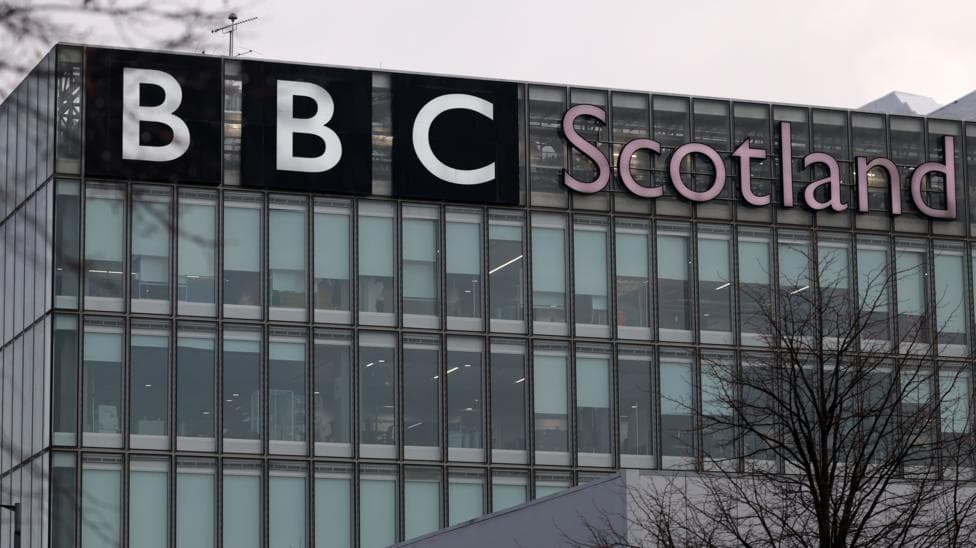
Culture Secretary Màiri McAllan has called on Ofcom to scrutinise what she termed "wholly unacceptable" plans to close the linear BBC Scotland channel, following the corporation's announcement that the dedicated service will move online as part of a £500m cost-reduction programme by 2028. According to BBC News, the BBC also plans to take BBC Three and Radio 4 Extra offline in the same restructuring.
McAllan has written to Ofcom's chief executive Melanie Dawes and director for Scotland Glenn Preston, arguing that the shift would undermine Scotland's representation in the UK's broadcasting landscape. The National reported that McAllan asked Ofcom to explain how it would review the BBC's decision, including any implications for the BBC Operating Licence, and called for Scottish audiences and stakeholders to have a meaningful opportunity to give their views.
In her formal objection, McAllan stated:
The Scottish Government considers the proposed closure of the linear BBC Scotland channel to be wholly unacceptable, and we oppose such a move in the strongest possible terms.
McAllan acknowledged that broadcasters must adapt to changing audience behaviour, but emphasised that public service broadcasters carry a "unique responsibility to ensure their services remain accessible and relevant". She contended that closing the channel would contradict the BBC's stated ambition to decentralise power away from London.
Closure of the linear channel would also be impossible to reconcile with a supposed ambition to move power and decision-making away from London and towards audiences across the UK who are paying for the service. Many viewers continue to rely on linear television services, and any move away from those services risks disproportionately affecting audiences who are less likely to access content through online platforms.
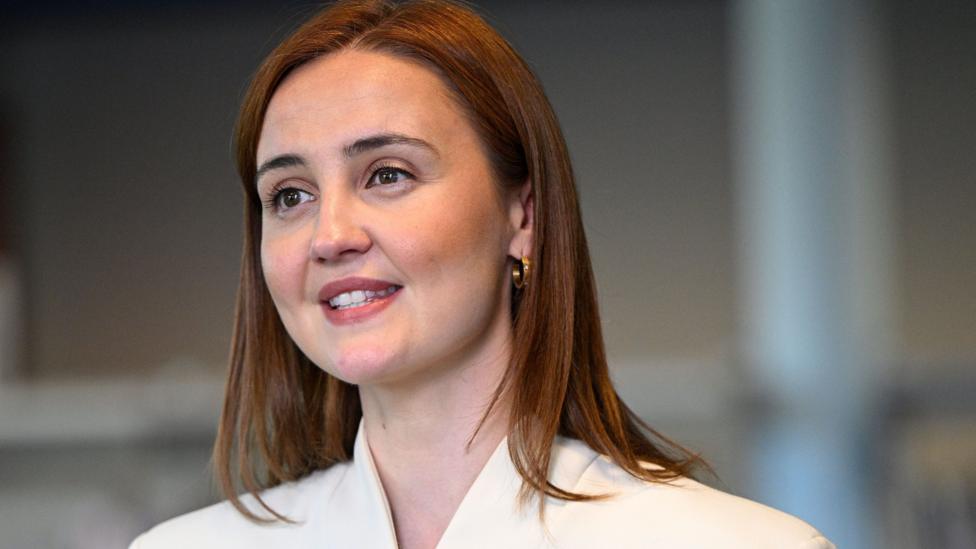
McAllan also raised concerns about the planned closure of the nightly News at Seven programme, describing it as a "totally unacceptable reduction in nationally relevant journalism". This closure is expected to result in approximately 10 additional job losses at BBC Scotland, on top of the 60 posts the corporation announced would be cut earlier in the year.
The culture secretary highlighted what she characterised as a "disparity in indigenous language broadcasting" and pointed to the "total absence" of Commonwealth Games coverage on BBC One Scotland as evidence of inadequate representation for Scottish audiences.
What programmes would be affected?
The BBC has stated that a wide range of programming currently broadcast on the linear channel would remain available through alternative means. Shows including Scotland's Home of the Year, Murder Case, Inside Barlinnie, the Scottish Cup Final and Hogmanay would continue to be shown either online, on BBC One or BBC Two in Scotland. The main news programme Reporting Scotland, which airs on BBC One, would not be affected by the changes.
BBC Scotland launched in February 2019 and broadcast from 7pm to midnight, according to Holyrood. The channel's move from linear broadcasting to online platforms is expected to take place in spring 2027, with the BBC having begun consultation with affected teams and unions.
Why is the BBC making these cuts?
The BBC is pursuing a comprehensive cost-reduction strategy to save £500m by 2028. The corporation previously announced it would cut between 1,800 and 2,000 jobs—almost one in 10 of its workforce of approximately 21,500 full-time employees. In June, 550 job cuts were announced in news, nations and television and radio content as the first phase of the restructuring.
Recent months have seen the BBC announce the closure of numerous programmes including Blankety Blank, Celebrity Mastermind, Live At The Apollo and Football Focus, alongside cuts to radio services. The broadcaster, which derives most of its income from the television licence fee, has faced mounting financial pressure as the number of TV licences sold has declined in recent years.
BBC Scotland Director Hayley Valentine indicated that further cuts may be forthcoming beyond those already announced. The financial difficulties facing the corporation have prompted broader questions about its funding model and sustainability as a public service broadcaster.
What happens next?
On 27 October, McAllan told the Scottish Parliament that the closure raised questions about the BBC's commitment to serving Scotland fairly and said she had raised concerns with the BBC Scotland director and Ofcom. The culture secretary's intervention signals that the Scottish Government intends to pursue the matter through the regulator rather than accept the BBC's decision without challenge.
Ofcom and BBC Scotland have been approached for comment on McAllan's formal objection and the broader implications of the proposed closure for public service broadcasting in Scotland.