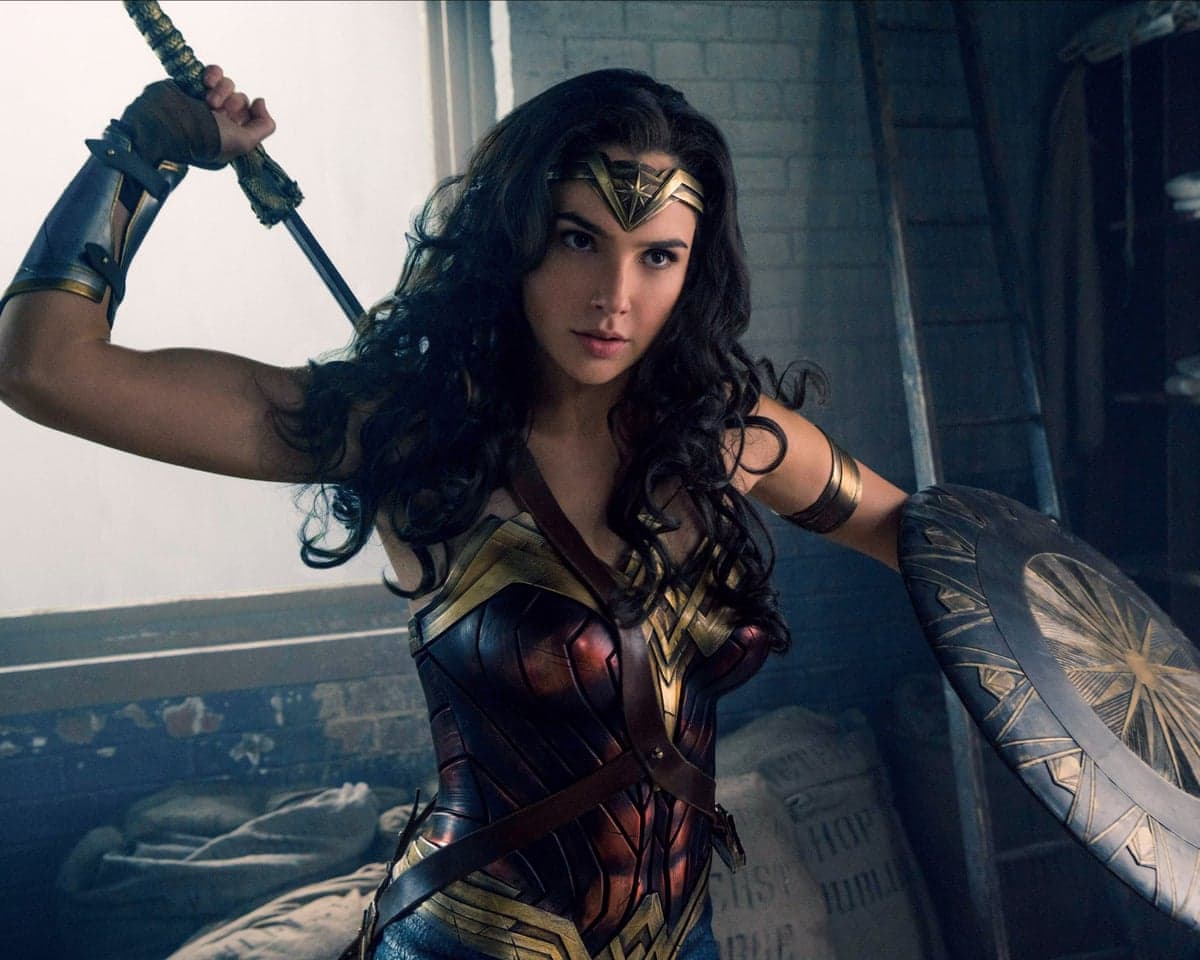
Warner Bros' decision to dismantle the DC Extended Universe under James Gunn and Peter Safran's leadership required difficult choices about which characters would survive the transition. While the removal of Ben Affleck's Batman and Henry Cavill's Superman made strategic sense as a signal of genuine rebirth, the fate of other performers has proven far more puzzling—particularly that of Gal Gadot, whose Wonder Woman was among the old regime's most reliable commercial and critical assets.
The manner in which Gadot learned of her exclusion from the new DCU remains contentious. In recent interviews, she revealed that studio executives initially assured her they would develop a third Wonder Woman film under the new leadership, only for that promise to evaporate as the entire previous continuity was dismantled around her.
"They were like, 'We're going to develop it with you, the third one,'" she recounted. "But I saw the way everybody else was handled, right? And I, you know – the Henry [Cavill] situation was unfortunate. I was in the middle of that. The Henry situation was not handled elegantly, to say the least. Same with Patty – it was not handled elegantly."
Gadot's frustration carries weight. Cavill's exit from the Superman role was particularly jarring, having been brought back by the previous DC regime for a cameo appearance in the 2022 Dwayne Johnson vehicle Black Adam, only to be discarded once again when Gunn took control. Director Patty Jenkins, who helmed both Wonder Woman films, submitted a treatment for a third instalment that the studio rejected as the new DCU took shape. According to reports from the time, nothing was ever formally promised to Gadot about continuing in the new universe, though she maintains she received initial assurances from Gunn and Safran themselves.
Why was Wonder Woman expendable when other characters survived?
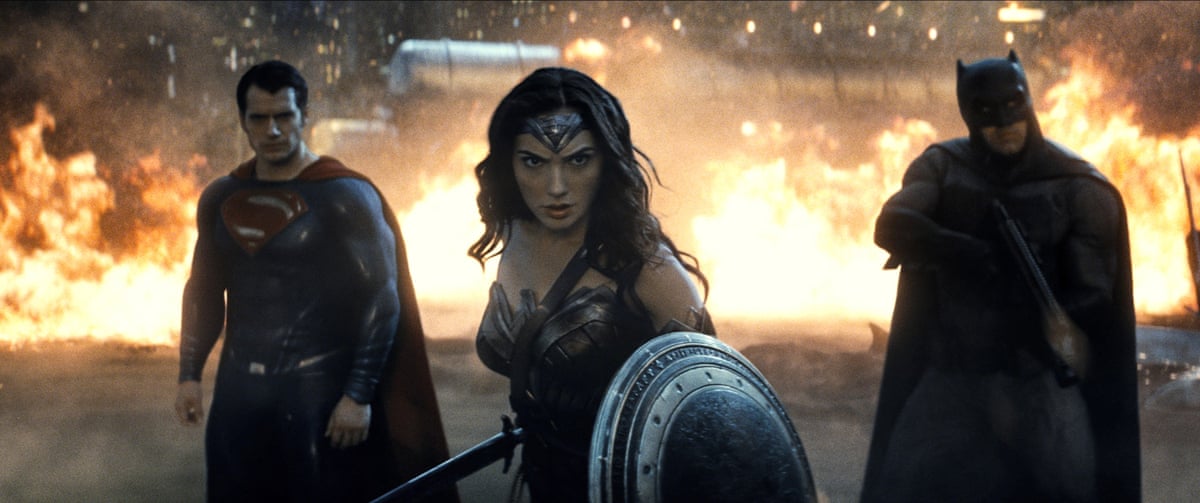
The central puzzle is straightforward: if there was room in Gunn's new DCU for John Cena's Peacemaker—who not only survived the transition but secured a second season—and space for other peripheral figures from the old universe, why did the actor who anchored 2017's Wonder Woman, widely regarded as the old regime's finest film, find herself cast aside? The answer lies in the symbolic weight of the DC holy trinity. Cavill's Superman, Affleck's Batman, and Gadot's Wonder Woman formed the central pillars of the previous Zack Snyder-influenced continuity. Discarding all three sent an unmistakable message that Gunn was constructing an entirely new world rather than merely adjusting the existing one. Retaining peripheral characters and supporting players did not threaten that narrative of wholesale renewal in the same way.
Gadot's position may have been further weakened by the mixed reception that greeted 2020's Wonder Woman 1984, though that film's commercial performance is difficult to assess fairly given that it premiered during the pandemic and simultaneously appeared on HBO Max. A single underperforming sequel should not have rendered Gadot herself completely unusable, and likely would not have done so had the entire DC cinematic universe not undergone such radical restructuring.

What about the continuity problem?
Keeping Wonder Woman while replacing both Batman and Superman would have created genuine continuity headaches and risked making the new universe feel like a patchwork repair job rather than a genuine fresh start. Yet Gunn has already demonstrated a willingness to rewrite inconvenient history and move forward without explanation—Peacemaker season two proved that point decisively. The studio chief has left the door open for Margot Robbie to return as Harley Quinn in future projects, though concrete plans remain elusive. According to recent reporting, Gadot's exit became clear only after the leadership shift and the wider reset of the franchise roster took hold.
What does the new DCU actually stand for?
The operating principle of Gunn's new universe appears to be that continuity is infinitely flexible provided you were already in his professional network when the previous world ended. Gadot, despite fronting one of the old regime's few unqualified triumphs, apparently did not meet that criterion. That may represent a perfectly defensible approach to repopulating a superhero franchise; it remains considerably harder to justify why no one at the studio thought to formally notify Wonder Woman herself.
Gadot has stated publicly that she would not return to the role even if asked, and that she has not had any specific conversations about reprising it in the new DC Universe.
"I feel like we're all adults and it's all good,"she told interviewers.
"It's not even about them. They are there and they're there to do what they believe in."Her measured response masks what appears to be genuine disappointment at how the transition was managed.
What comes next for Wonder Woman?
Despite Gadot's departure, DC Studios is still developing a new Wonder Woman film, with Ana Nogueira attached to write the screenplay. No release date has been announced yet for this project. The studio's broader efforts to rebuild fan trust have been highlighted by the new Supergirl film starring Milly Alcock, with co-chief Peter Safran discussing attempts to unify characters under a single coherent vision while acknowledging past inconsistencies in the previous universe.
The larger question hanging over Gunn's tenure remains unanswered: is David Corenswet's Kal-El genuinely more compelling than Cavill's interpretation? Will the forthcoming Batman film The Brave and the Bold finally deliver a version of the Dark Knight capable of appearing alongside other superheroes without spending the first act attempting to murder one of them and the second demanding to know his mother's given name? These questions will ultimately determine whether the new DCU represents genuine progress or merely a different set of missteps. What seems clear is that Gadot's exclusion, however it is eventually justified, represents a missed opportunity to retain one of the few elements of the previous universe that audiences actually embraced.