The Italian coffee-and-cream pudding has long held a place on dessert menus worldwide, but in recent months it has transcended its traditional role to become a cultural phenomenon. Dedicated tiramisu cafes have opened across major cities, supermarket sales have surged by double digits, and the dessert now appears in forms ranging from ice-cream to hot cross buns. This explosion reveals something deeper about contemporary food culture: our appetite for nostalgia, indulgence and carefully curated experiences in uncertain times.
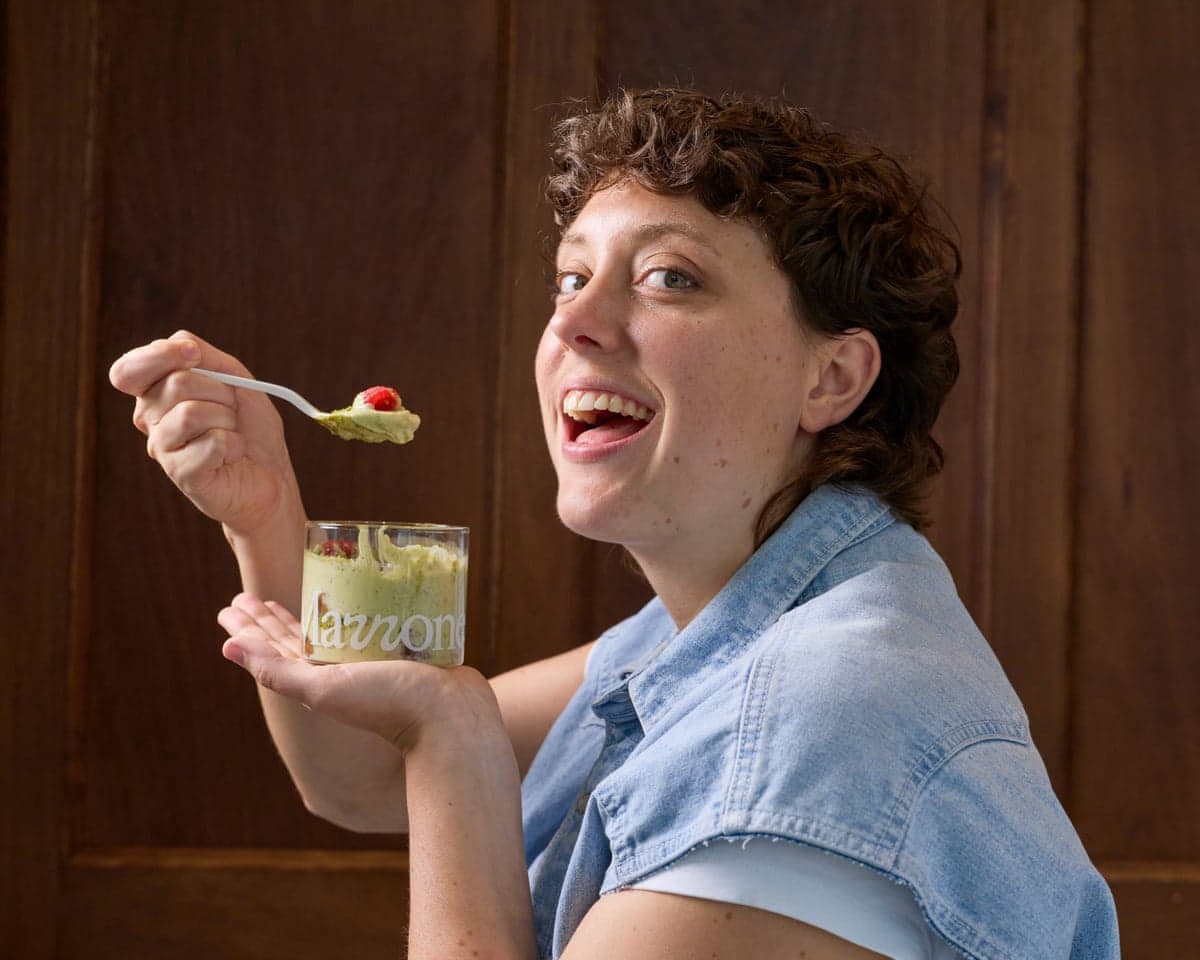
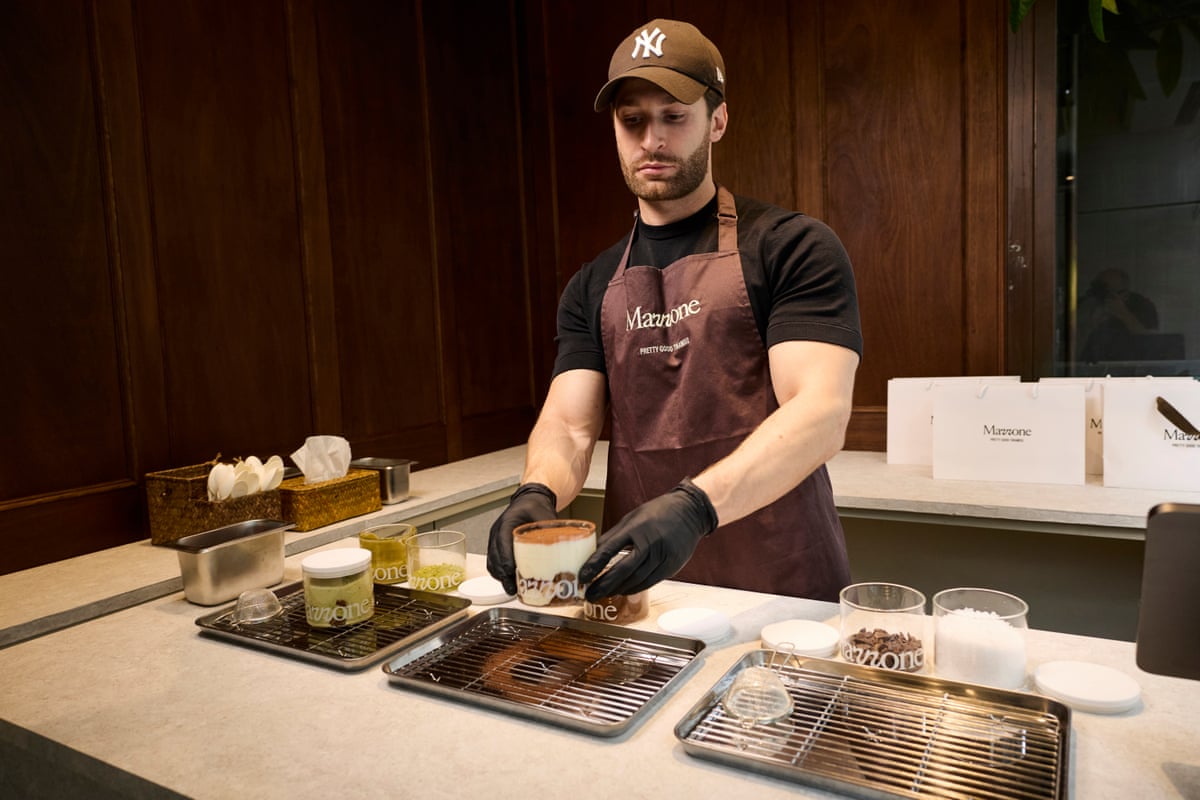
When Giancarlo Fanigliulo launched Marrone, a cafe devoted entirely to tiramisu, in London's Soho during August, the response caught him off guard.
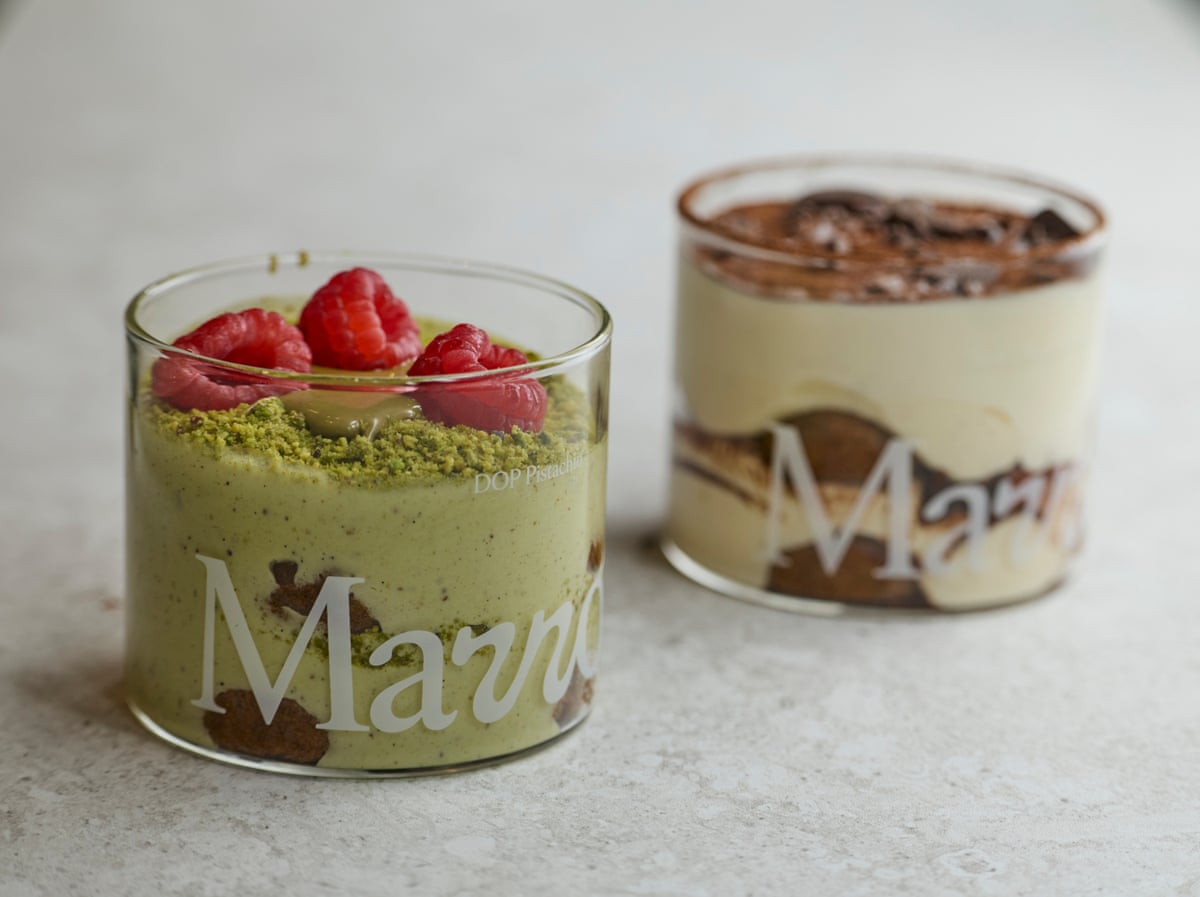
I was expecting a buzz, but I wasn't expecting queues around the corner. It was insane.The 30-year-old, who previously worked in tech sales rather than hospitality, had recognised a gap in the market: despite tiramisu's enduring appeal, no established brand had built its identity around the dessert alone. His three signature offerings—original classic, dark chocolate and sea salt, and pistachio—each priced at £10 per pot—showcase a light, glossy style inspired by his grandmother's Italian recipe.
How widespread is the tiramisu craze?
The trend extends far beyond a single London cafe. Nearly every major coffee chain has introduced tiramisu-flavoured seasonal specials; Dunkin' in the United States currently stocks four distinct tiramisu drinks on its menu. Supermarket chains have noticed the shift in consumer behaviour. Tesco reports that sales of its own-brand tiramisu range have climbed 5% over the past year, with its Tesco Finest Coffee & Amaretto Tiramisu variant performing particularly strongly at nearly 10% growth. Marks & Spencer, which currently offers creamy tiramisu brownies and sold tiramisu hot cross buns during Easter, has recorded a 27% increase in tiramisu sales compared with the previous year.
Ice-cream manufacturers have capitalised on the momentum as well. Haagen-Dazs and Carte D'Or now produce tiramisu ice-cream, while London-based Buns from Home has created a tiramisu-flavoured croissant-dough bun. Social media platforms overflow with tiramisu recipes and videos showcasing "tiramisu drawers"—trays of the dessert stored in kitchen drawers ready for service—a presentation style popularised by chef Onda.
Are there other dedicated tiramisu venues?
Marrone is not the first establishment to build its entire concept around this single dessert. Sheffield opened a tiramisu-focused vendor in 2023 that serves both classic tiramisu and a "latte-misù," an iced coffee topped with a generous portion of tiramisu. A tiny hatch-window dessert shop opened in Paddington, London, last year, offering tiramisu from a wall-mounted serving point. The dessert has even entered the realm of record-breaking spectacle: on 26 April 2026, Guinness World Records certified a new longest tiramisu at 440.58 metres, set in London. This achievement surpassed the previous record of 273.5 metres, which had been established in Milan in 2019.
The London record attempt was a substantial undertaking. The record-breaking dessert required 99 kilograms of coffee, 465 kilograms of sugar, 152,000 ladyfingers, 60 kilograms of cocoa powder and 90,000 eggs, assembled by Mirko Ricci in partnership with multiple Italian food companies and media partners. Approximately 100 Italian chefs collaborated to assemble the tiramisu at Chelsea Town Hall, transforming the record attempt into a public spectacle that drew considerable media attention.


Why has tiramisu become a wedding dessert?
The dessert has begun replacing traditional wedding cakes at some celebrations. Oliver Stanton, a wedding planner based in the Cotswolds, observes that tiramisu has emerged as a defining trend of 2026. He recently completed a wedding where tiramisu featured prominently, served in coupe glasses and arranged in a tower formation similar to champagne service.
It serves as an extra photo opportunity as well as dessert for the guests.This dual function—as both food and Instagram-worthy centrepiece—reflects how contemporary celebrations balance practical nourishment with visual storytelling.
What explains the surge in tiramisu popularity?
Lisa Harris, co-founder of Harris and Hayes, a food consultancy, identifies several interconnected factors driving the tiramisu phenomenon. The dessert embodies qualities that social media algorithms actively promote: nostalgia and the visual language of decadence.
A good tiramisu is actually an exercise of this balance of the coffee, the cream and the sponge. There's sort of not that much to it. And yet it's also this shorthand for indulgence.
The word "tiramisu" itself carries marketing power. It conveys elegance without requiring elaborate explanation, and it functions as a precise flavour descriptor. When someone hears "tiramisu latte," "tiramisu cookie" or "tiramisu doughnut," they immediately understand the product contains cream and coffee elements. This linguistic efficiency has made tiramisu an ideal vehicle for product innovation across categories.
The broader cultural concept of "treating yourself"—granting oneself small rewards during challenging political and economic circumstances—has also accelerated tiramisu's ascent. In an era when people are dining out less frequently due to economic pressures, the decision about which dessert to purchase or prepare at home carries greater significance. Harris notes that
when people are perhaps eating out less, in the current economic climate, indulgence becomes more coveted.A moment spent contemplating dessert options transforms into a more meaningful act of self-care.
Is tiramisu's popularity sustainable?
Fanigliulo's decision to establish Marrone stemmed from recognising that tiramisu had become "such a culture" without any brand identity anchoring it. His background in technology rather than food service reflects a broader trend of entrepreneurs identifying market gaps and moving quickly to fill them. His preference for the light, glossy tiramisu style—as opposed to denser block versions that retain their shape when sliced—represents a deliberate aesthetic choice that differentiates his offering in an increasingly crowded marketplace.
Yet the proliferation of tiramisu variations raises questions about saturation. While the dessert's fundamental appeal remains undeniable—the interplay of coffee, cream and sponge creates a genuinely satisfying balance—each new product iteration risks diluting what makes tiramisu distinctive. The transformation of a classic Italian pudding into a ubiquitous flavour modifier across beverages, baked goods and frozen treats may eventually exhaust consumer novelty-seeking. The challenge facing both established brands and new entrants like Marrone lies in maintaining tiramisu's association with quality and indulgence while the market becomes increasingly saturated with tiramisu-flavoured alternatives.