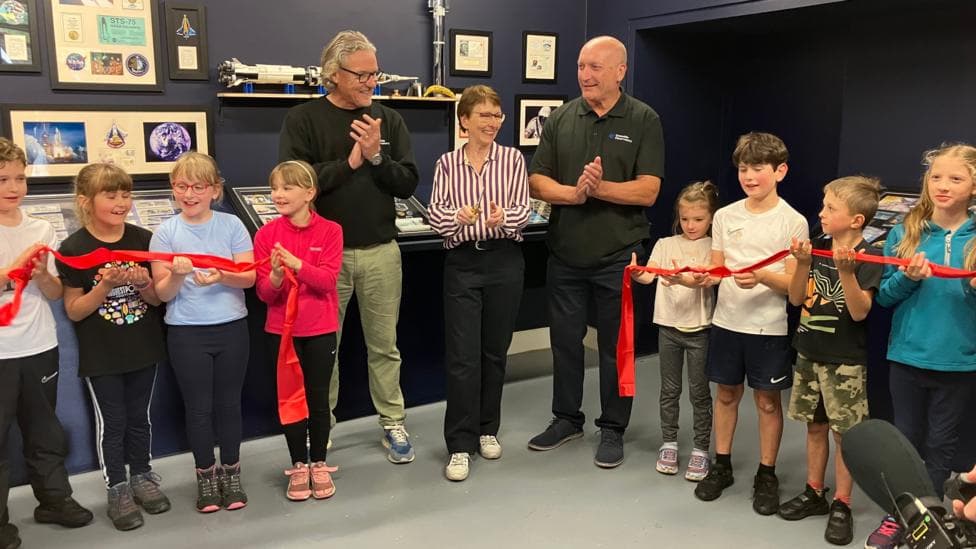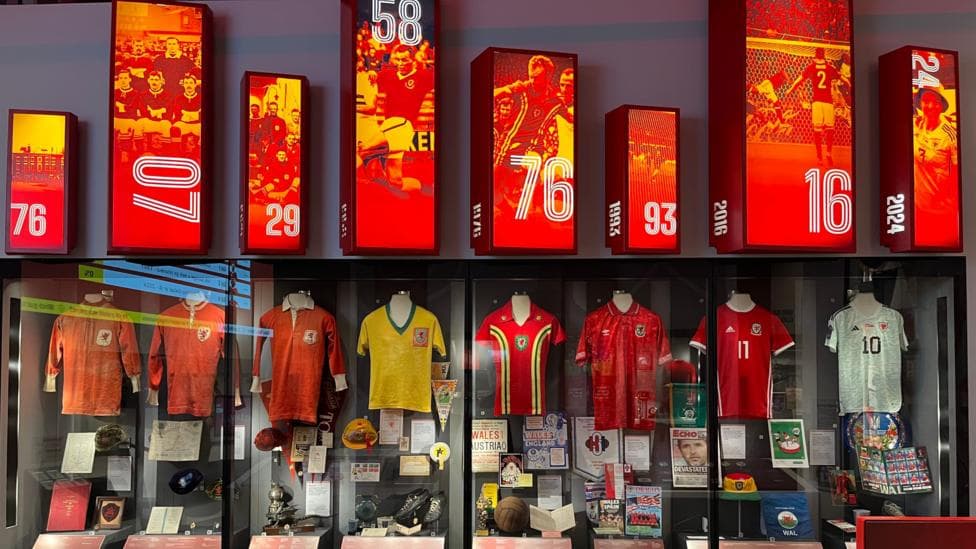
A new museum dedicated to Welsh football history opened to the public on 25 September 2026, bringing together more than 150 years of memorabilia and artefacts from the sport in Wales. The Football Museum of Wales and Wrexham Museum, housed in the historic County Buildings on Regent Street following approximately two years of redevelopment, represents the first national institution of its kind. The venue combines an expanded Wrexham Museum with a dedicated football exhibition, celebrating Welsh football from grassroots clubs to the national teams.
The museum's football collection draws from a larger Welsh Football Collection containing over 2,000 exhibits, with approximately 70% of the material on display never previously exhibited to the public. According to Wrexham Council's opening announcement, doors opened at 10am with free timed tickets required for entry. Free tickets became available from midday on 14 September 2026.
The museum's location in Wrexham carries particular significance, as the city was home to the founding of the Welsh Football Association 150 years ago. The redevelopment project was conceived as a "Museum of Two Halves," integrating the expanded Wrexham Museum with the new football museum to showcase both the city's heritage and its central role in Welsh sporting history.
What artefacts are on display?
Curator Nick Jones highlighted five key pieces that exemplify the collection's range and historical importance. These selections span from the nineteenth century to the late twentieth century, each telling distinct stories about Welsh football and the individuals who shaped it.
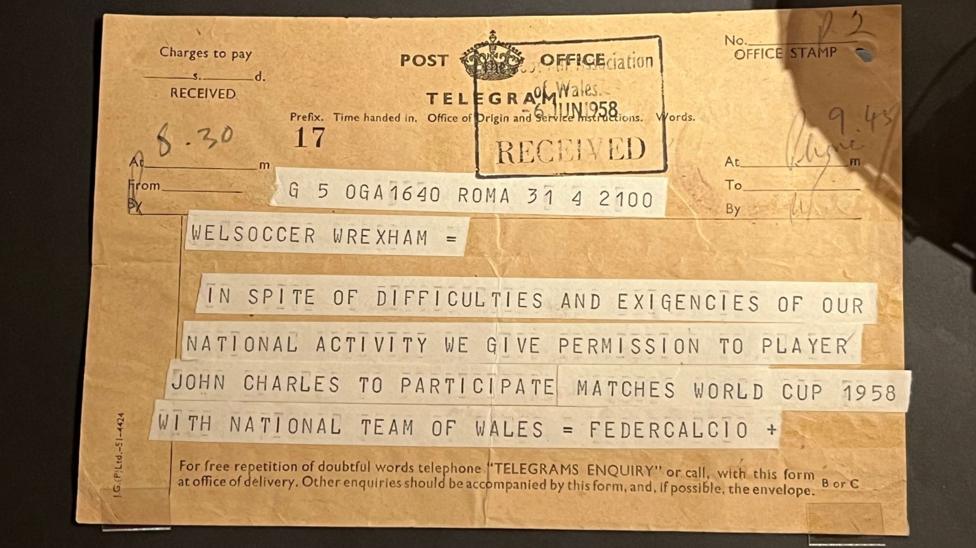
The 1958 telegram granting John Charles permission to play
One of the most significant documents in the museum is a telegram from 1958 that marked a turning point in Welsh football history. Wales competed in the World Cup for the first time that year, but their star player, John Charles, faced an unusual obstacle: he was playing for Juventus in Italy, and the Italian club initially refused to release him because Italy had not qualified for the tournament.
The telegram shows Italian officials eventually granting permission for Charles, known as the "Gentle Giant" from Swansea, to represent Wales. The message, dated just days before Wales' first match, cited "difficulties and exigencies" as the reason for the delayed approval. The document represents a moment when international football diplomacy directly influenced team selection.
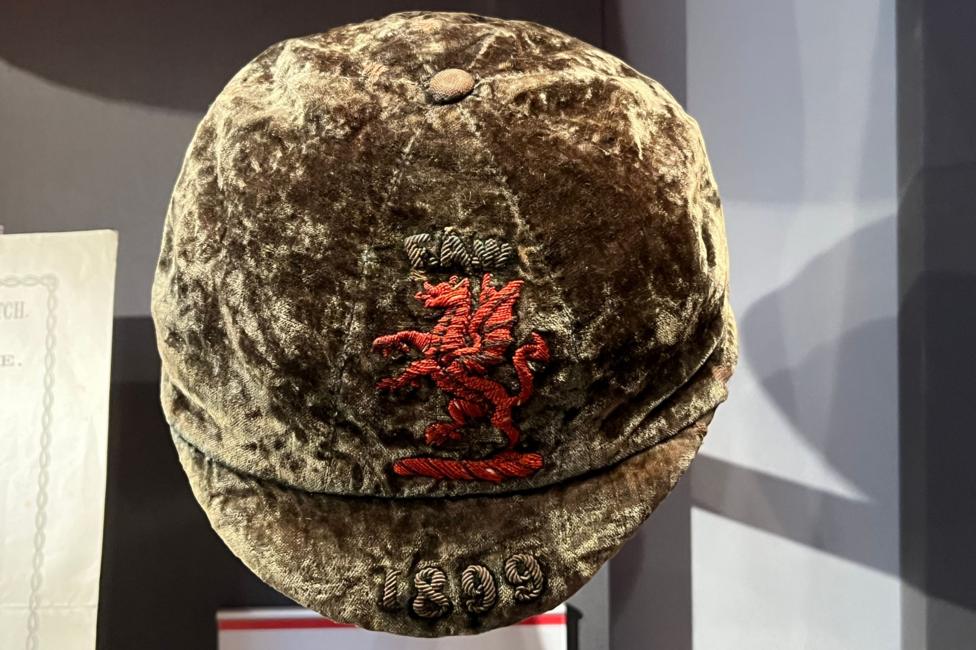
William Harrison's 1899 cap—the oldest in the collection
Among the museum's most prized possessions is a cap belonging to William Harrison, dating from 1899. Harrison played a limited number of international matches for Wales and also represented Wrexham during his career. The cap was donated to the museum in 2021, one week after the family of Stoke City striker Walter Watkins gave his Wales international cap from 1905 to the institution.
The Watkins family had held their cap for decades, believing it to be Wales' oldest surviving example after it had spent years in Australia. However, Harrison's cap predates it by six years. The two caps reveal the evolution of Welsh football kit: Harrison's features black stitching, while Watkins' displays the gold braiding that became standard in later decades. According to the Welsh Football Collection records, Harrison wore his cap in the England v Wales match on 20 March 1899, which was his final international appearance in the nineteenth century. Paul Swainson, Harrison's great-grandson, made the donation.

Eddy May's 1977-78 Swansea shirt
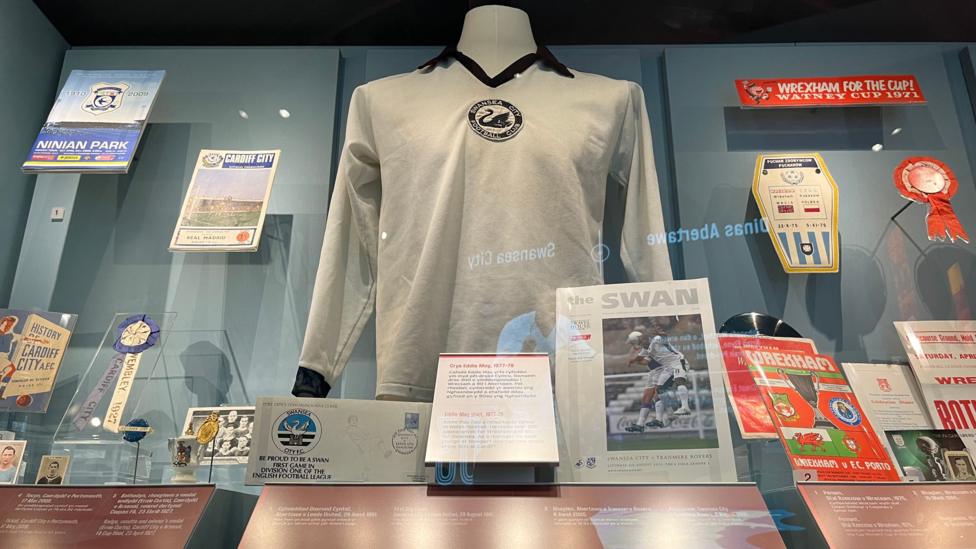
The museum displays a 1977-78 shirt worn by Eddy May, a footballer and manager who left an extensive mark on Welsh club football. May played more than 300 appearances for Wrexham and 90 for Swansea, while also managing Cardiff and Newport—representing all the major Welsh clubs during his career. His son, Paul, donated the shirt to the museum.
Jones described the item as a "special possession," noting that the museum chose to display it in the Swansea section of the exhibition to reflect May's significant contributions to that club.
The 1949 Wales-Portugal pennant
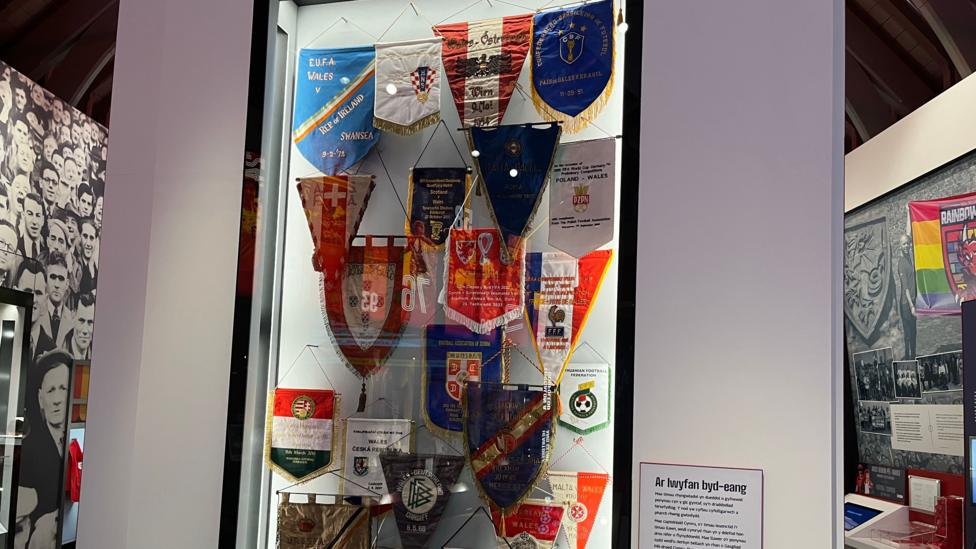
Pennants exchanged between opposing teams at the start of international matches form a substantial part of the collection, with more than 20 examples on display. One of the most historically significant is a pennant from the Wales versus Portugal match held in Lisbon on 15 May 1949. Tommy "TG" Jones exchanged the pennant with Francisco Ferreira at the beginning of that fixture.
The pennant ranks among the oldest in the collection and required restoration before display. Jones explained that the item arrived in poor condition, with threadbare sections at the bottom, but has since been fully repaired and returned to its original appearance.
The Tom Hughes Llangollen football—a mystery from the twentieth century
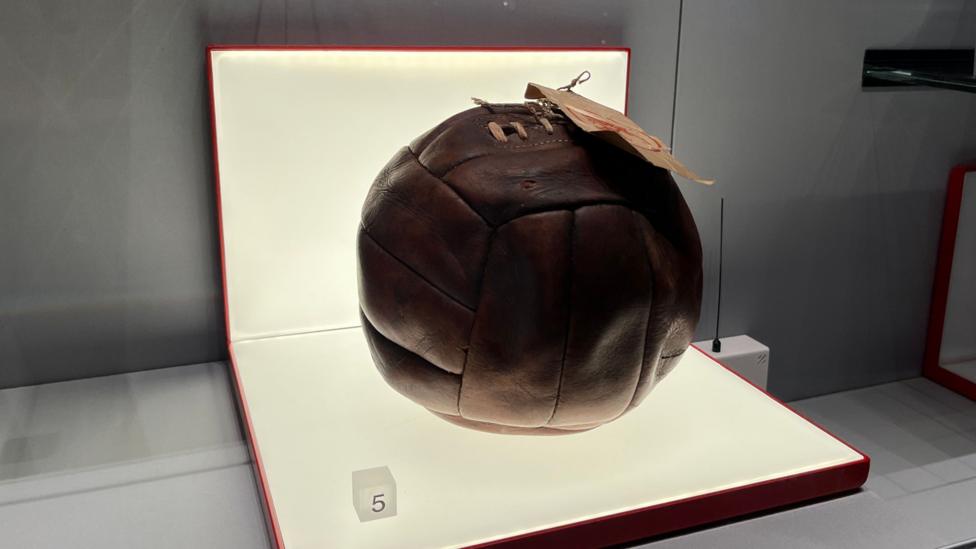
A football made by Tom Hughes, a saddler from Llangollen, presents an intriguing historical puzzle. Hughes manufactured balls for the Football Association of Wales during the twentieth century, and this particular example was played in a Wales versus England international, according to its label. However, the exact date of manufacture remains unknown.
The ball arrived at the museum in poor condition, heavily moulded, but has undergone restoration. Museum researchers believe it was used during the 1920s following World War One, though investigation suggests it could be considerably older than that estimate. The uncertainty surrounding its origins makes it a compelling example of how physical artefacts can raise as many questions as they answer.
When does the museum open and how can visitors attend?
The Football Museum of Wales and Wrexham Museum opened to the public on 25 September 2026 at 10am. According to Wrexham Council, free timed tickets were made available from midday on 14 September 2026 for the opening day. Entry requires advance booking of a timed slot to manage visitor numbers.
The museum is situated in the historic County Buildings on Regent Street, making it accessible in central Wrexham. The venue celebrates Welsh football from grassroots clubs to the national teams, while simultaneously presenting the expanded Wrexham Museum's coverage of the city's history and heritage across centuries.
Key Facts
- The museum houses over 2,000 items in its Welsh Football Collection, with approximately 70% of displayed material never previously exhibited publicly
- William Harrison's 1899 cap is the oldest surviving Wales international cap in the collection, predating the previously believed oldest example by six years
- The 1958 telegram documenting John Charles' release by Juventus to play for Wales in the World Cup represents a unique piece of international football diplomacy
- The museum combines football history with an expanded Wrexham Museum, reflecting the city's role in founding the Welsh Football Association 150 years ago
- Free timed tickets were required for entry, with advance booking necessary to manage visitor numbers at the new attraction