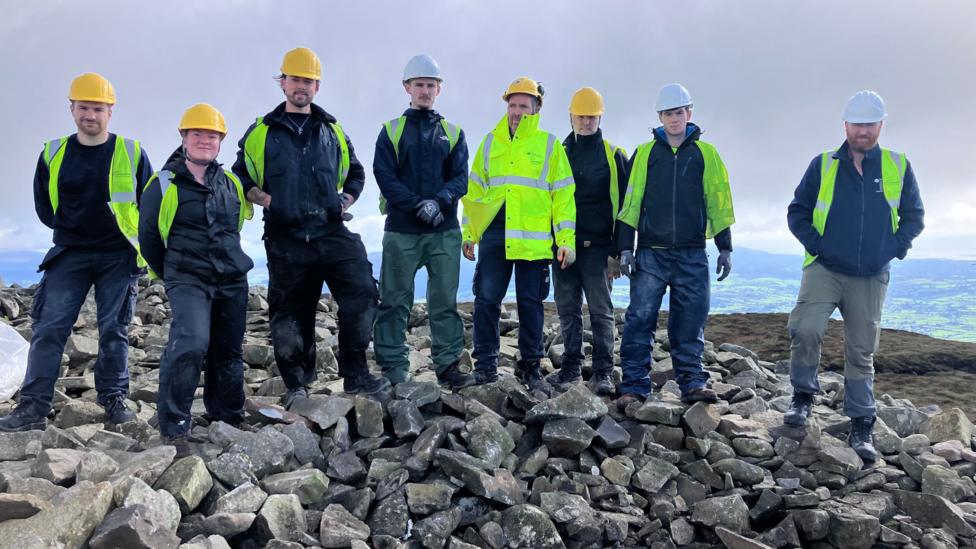
A dedicated team of archaeologists, engineers, stone masons and blacksmiths has been ascending County Armagh's highest mountain daily to undertake a critical restoration of one of Ireland's most significant ancient monuments. Perched at 1,880 feet on the summit of Slieve Gullion, the 5,000-year-old passage tomb required urgent intervention after structural deterioration threatened its survival. The repair work is expected to be completed in time for the winter solstice on 21 December, when sunlight traditionally floods the chamber at sunset—a phenomenon that has captivated observers for millennia.
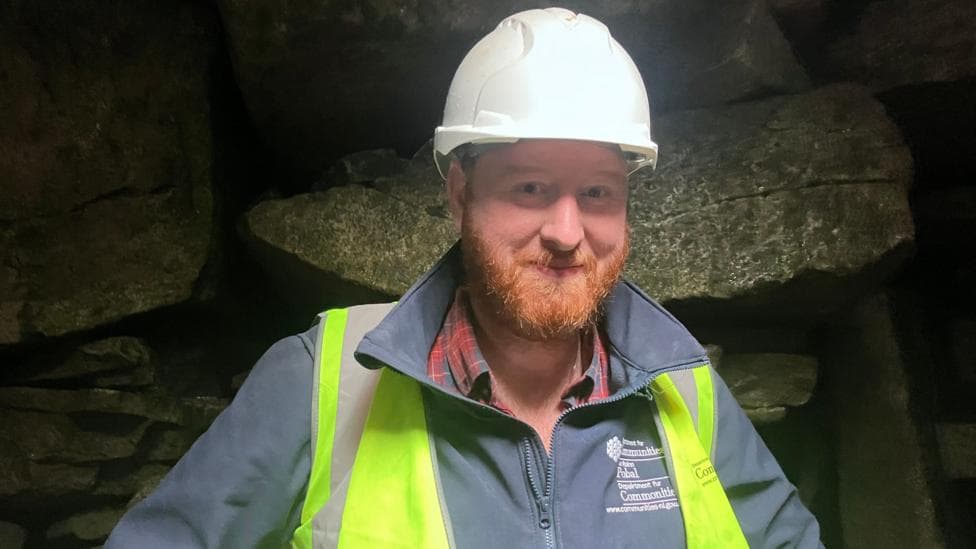
The restoration became necessary after the structure's roof, installed during the 1960s, deteriorated to a dangerous state. The Department for Communities sealed the tomb's interior in July because of safety concerns, and archaeologist Stuart Alexander of the Historic Environment Division explained the urgency of the intervention.
Last year we unfortunately had to close it because we had an engineering report that said that the roof that had been installed in the 1960s had become so corroded and dangerous that it was close to failure. We've been working for the past year, planning so we could get up here to get this new roof put on.
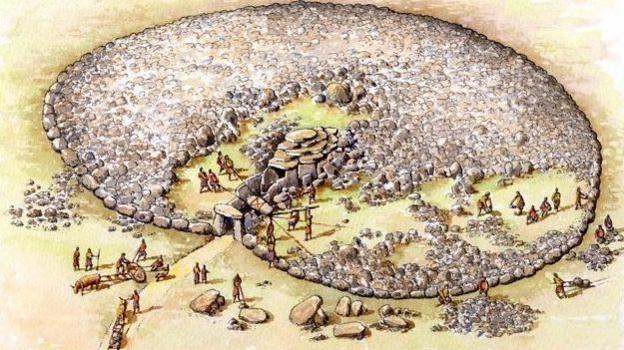
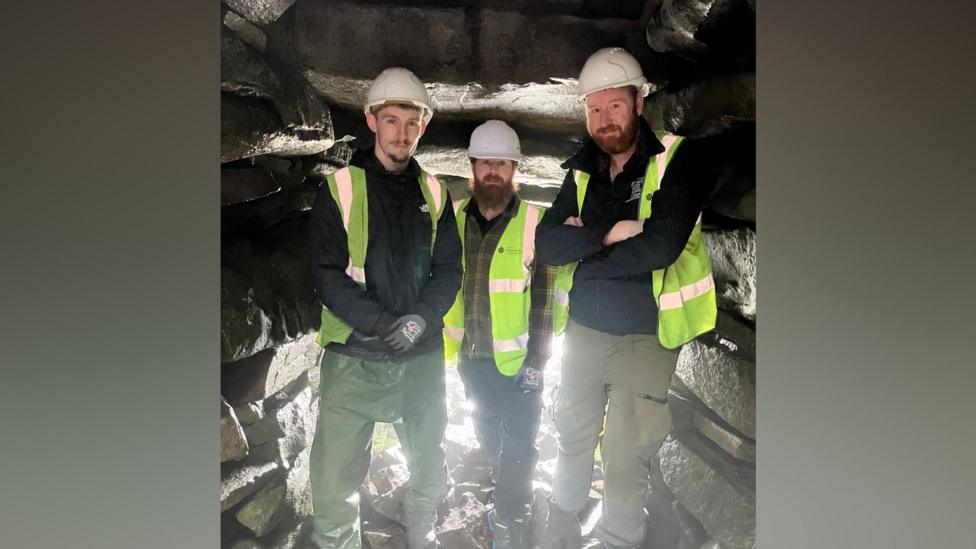
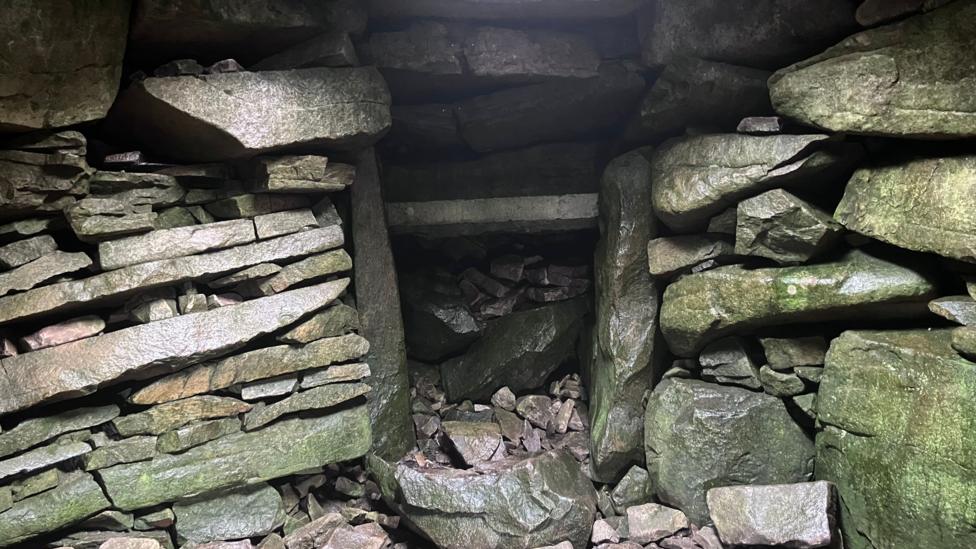
The repair issue centers on deteriorated steelwork from the 1960s roof covering that needs replacement. According to project manager Owen Mort, the chamber measures 3.66 metres wide with a roof height of 4.3 metres, situated within a mound approximately 30 metres across. The structural survey indicated that corroding steelwork supporting the concrete roof slab has been an ongoing maintenance issue requiring intervention.
Why is this tomb significant?
Slieve Gullion's South Cairn is widely regarded as the highest surviving passage tomb in Ireland, with its internal chamber precisely aligned to the winter solstice sunset. This alignment means that on the shortest day of the year, sunlight penetrates deep into the passage and illuminates the back chamber—a phenomenon that has been observed for thousands of years. The structure represents a remarkable achievement of Neolithic engineering and continues to draw visitors and researchers interested in ancient astronomical knowledge.
What challenges does the repair work present?
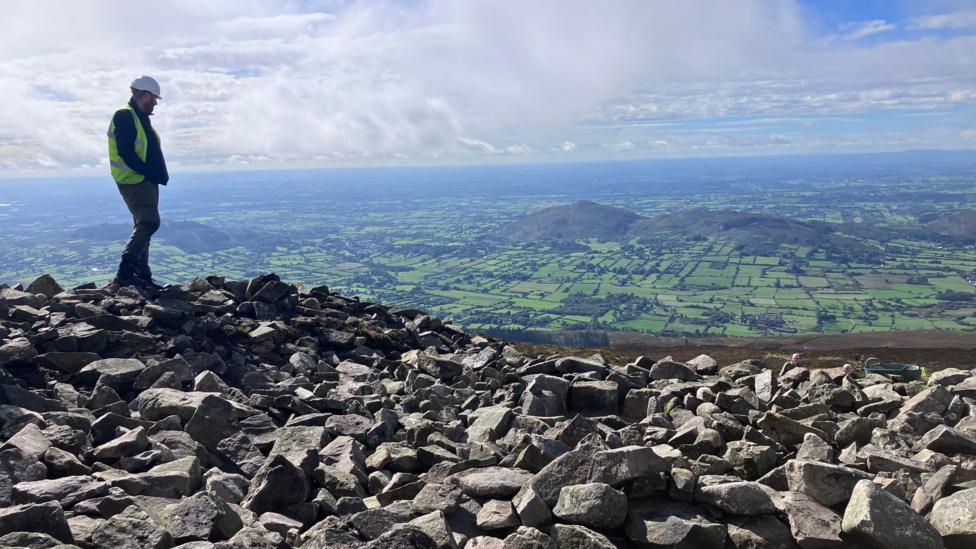
The mountain location creates extraordinary logistical difficulties for the restoration team. Visitors must hike approximately 40 minutes from the highest carpark to reach the summit, and although some materials were delivered by helicopter, most building supplies have been carried up the mountain on foot each day. Weather conditions on Slieve Gullion are notoriously unpredictable—on clear days Dublin is visible from the summit, yet within an hour visibility can reduce to just a few metres.
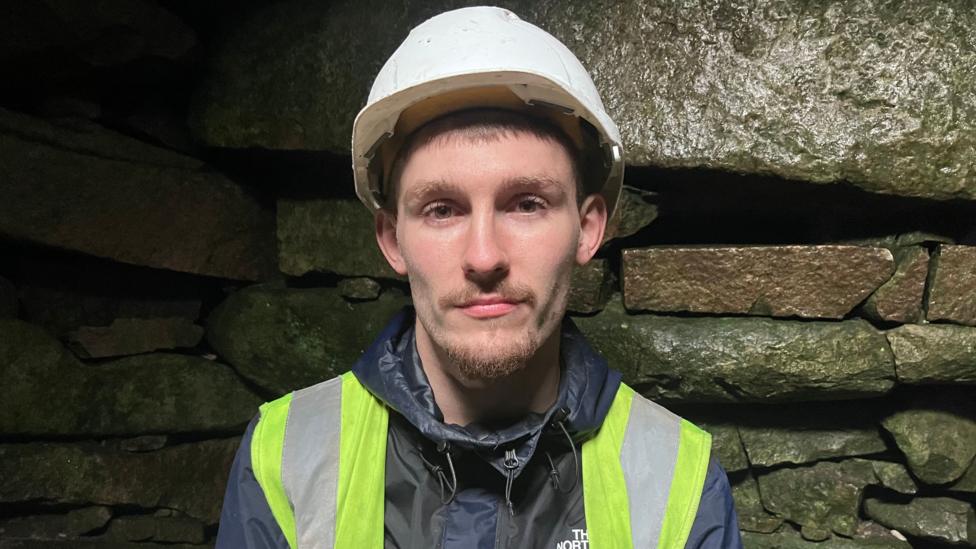
Blacksmith apprentice Lucas Adams, who recently worked on restoring 18th-century cannons at Carrickfergus Castle, described the unusual nature of the work.
It's very satisfying being able to go around the country and do a certain type of work in all of these ancient places. We had to replace the roof. All the steel beams had been corroded. So it needed four new steel beams with new plates and a new cage for light to come in.
How is the restoration being monitored?
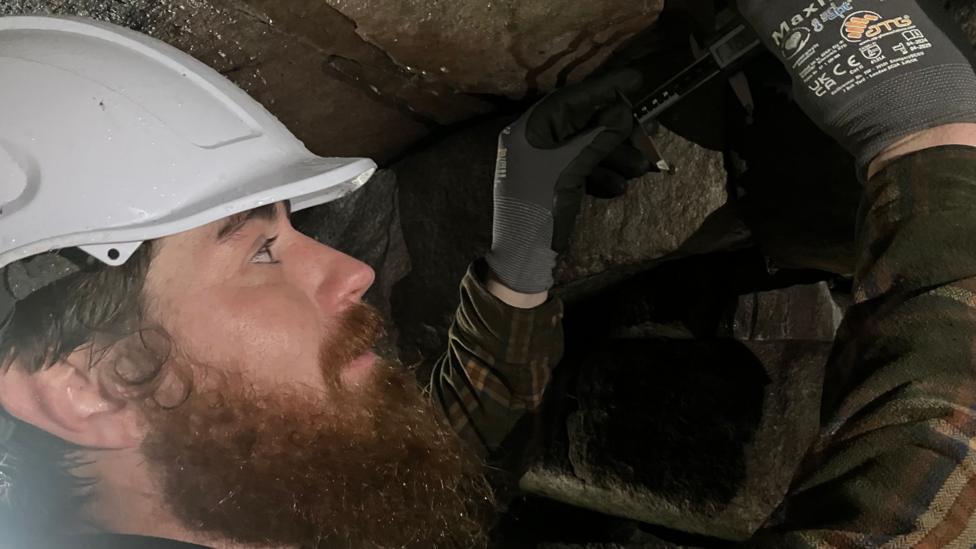
Owen Mort is continuously testing that the new roof is not causing additional structural problems to the rest of the monument. Over the years, a number of cracks had developed in the chamber, and throughout the project the team has been monitoring whether any movement has taken place. Mort uses a device called a tell-tale to track any movements, comparing each round of measurements to older recordings to ensure cracks have not opened up further.

What permissions were required?
Because the tomb is located in an Area of Special Scientific Interest (ASSI), the restoration required approval from multiple government bodies. The Historic Environment Division, a subsection of the Department for Communities, oversaw the archaeological aspects of the work. Additionally, ecological permissions had to be secured from the Department of Agriculture, Environment and Rural Affairs (DAERA) to ensure the project would not harm the sensitive environment on the mountainside.
How will the completed restoration appear?
When finished, the tomb will maintain its traditional appearance—a large mound of loose rocks crowning the mountain summit with a small entry point visible from its south-west side. Although the new roof differs from the original Neolithic corbelled flat stone design, the work has been executed to the satisfaction of the Historic Environment Division. The restoration preserves the monument's external character while ensuring its structural integrity and allowing visitors to experience the winter solstice phenomenon safely.
What is the winter solstice and why does it matter?
The winter solstice represents the shortest day of the year in the Northern Hemisphere, occurring on 21 December in 2024. On this date, the sun reaches its lowest point in the sky, and at Slieve Gullion, the setting sun's rays penetrate the passage tomb's entrance and illuminate the back chamber—a moment of profound astronomical and cultural significance. This alignment demonstrates that Neolithic peoples possessed sophisticated knowledge of celestial mechanics and deliberately constructed their monuments to capture these solar events.
While the autumn equinox falls on 23 September, marking the point when day and night are nearly equal in length, the solstices hold greater cultural and spiritual importance for ancient societies. Dr Rok Nežič of Armagh Observatory and Planetarium explained the astronomical basis:
It is always around the 21st of the relevant month – so March and September for an Equinox and June and December for the Solstices (longest and shortest days). But it isn't quite on those dates and that is mostly to do with Leap Days so this year it is on 23 September, just after 1am.
The equinox occurs when the earth's axis tilts to an angle that allows the sun to shine directly onto the equator, creating nearly equal daylight and darkness.
It's the one time of the year when the sun does rise exactly in the east and set in the west. This far north it is actually more south-east for sunrise in the winter and north-east for sunrise in the summer. But for the two equinoxes it's east for sunrise and west for sunset exactly.
How do ancient stone circles relate to these astronomical events?
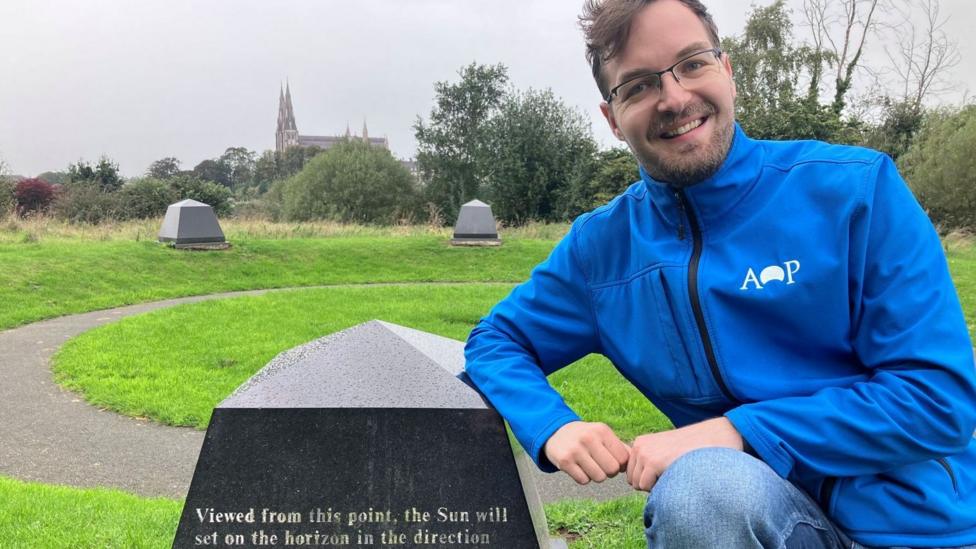
Throughout Ireland, numerous stone circles were constructed by ancient peoples to mark significant astronomical moments. In the grounds of Armagh Observatory and Planetarium stands a modern interpretation of a stone circle that Dr Nežič describes as a stone calendar.
It shows the directions of sunset for the four notable astronomical times – the two equinoxes and the two solstices. Many of the stone circles around the country will focus on the solstices because they are more significant but some will also have equinoxes in their design.
These monuments reveal that ancient communities possessed detailed astronomical knowledge and invested considerable effort in creating structures aligned to celestial events. The solstices, marking the year's extremes of daylight, held particular significance and feature prominently in archaeological sites across the landscape.
What happens next?
The restoration team will continue working through the coming weeks to ensure the project reaches completion before the winter solstice on 21 December. Members of the team will return to the site to verify that the work has been successful and that the structure can safely reopen to visitors. Authorities said they were working to restore access as soon as possible, though no confirmed repair schedule has been publicly announced. The restoration represents a critical intervention to preserve one of Ireland's most remarkable ancient monuments for future generations to experience the winter solstice phenomenon that has captivated people for five thousand years.
Key Facts
- Slieve Gullion's passage tomb dates to approximately 5,000 years ago and is the highest surviving example of its kind in Ireland
- The structure's internal chamber aligns precisely with the winter solstice sunset, allowing sunlight to illuminate the back chamber on 21 December
- The 1960s roof required replacement due to severe corrosion of steel beams, necessitating closure of the monument in July for safety reasons
- The restoration team includes archaeologists, engineers, stone masons and blacksmiths who must hike 40 minutes daily from the carpark to reach the summit
- The completed work is expected to allow the tomb to reopen in time for the winter solstice on 21 December