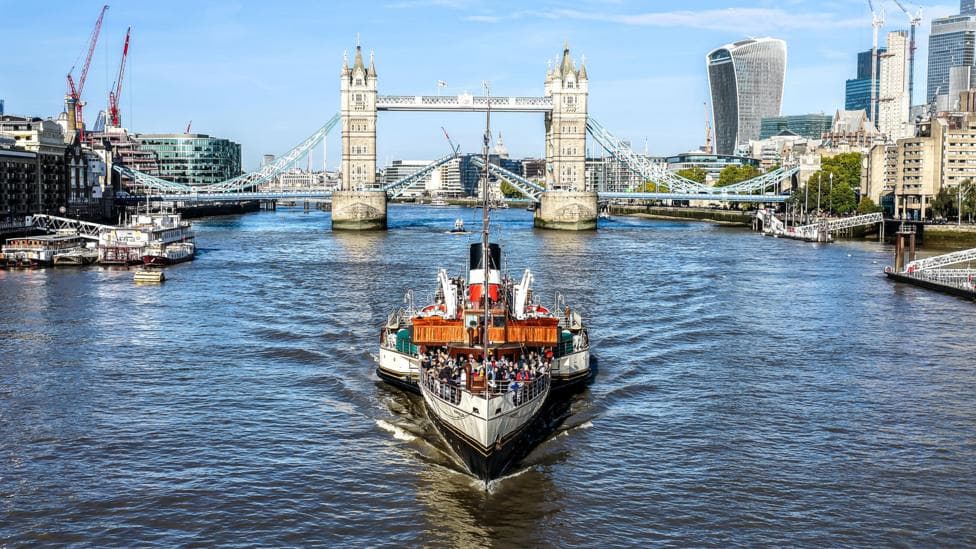
The world's last sea-going paddle steamer has reached an 80th anniversary milestone, marking eight decades since its inaugural entry into service. The Waverley, now permanently based on Scotland's River Clyde, recently undertook a commemorative voyage on the River Thames that included a passage through London's Tower Bridge, drawing attention to its enduring significance as one of the globe's most recognisable historic vessels.
The ship entered service with the London and North Eastern Railway (LNER) Clyde paddle steamer fleet on 16 June 1947, following its launch at the Pointhouse Yard of A&J Inglis in Glasgow on 2 October 1946. According to Waverley Excursions, the vessel's keel had been laid on 27 December 1945, but post-war material shortages delayed its launch by several months. The ship was christened by Lady Matthews, wife of the LNER chairman, who remarked that
the "splendour of the Clyde coast scenery should be viewed from steamers like this".
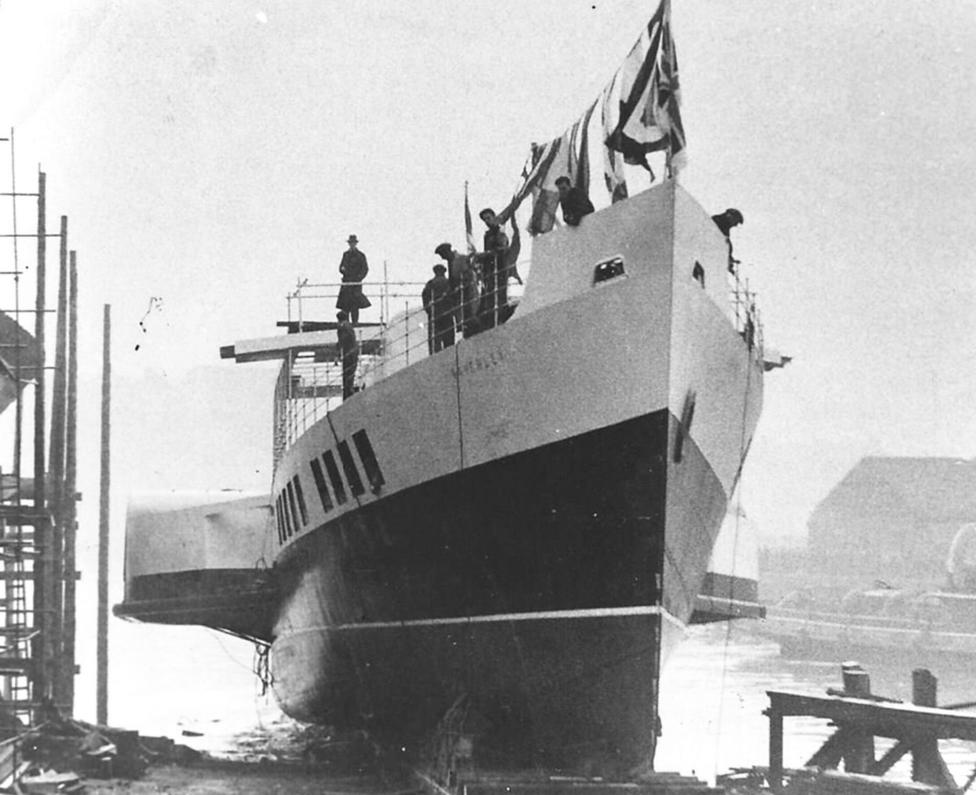
The Waverley replaced an earlier paddle steamer of the same name that had been lost during the evacuation of Dunkirk in 1940. The vessel was originally designed for cruises up Loch Long and Loch Goil and became a familiar sight for generations of Glaswegians undertaking their traditional holiday journeys doon the watter. It was the final steamer constructed for the LNER, which also operated the Flying Scotsman steam locomotive.
How did the ship survive to the modern era?
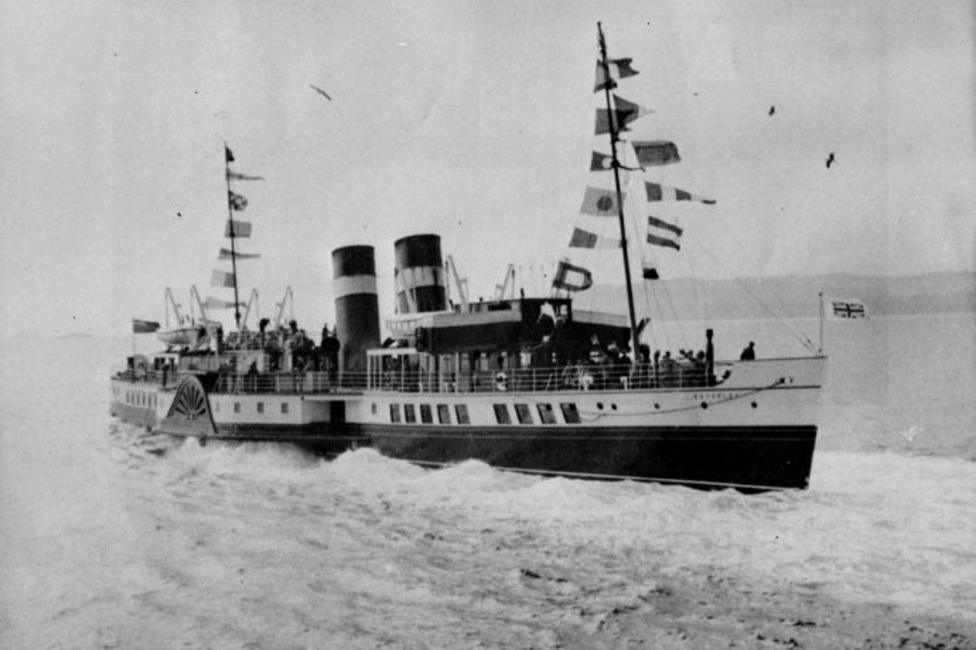
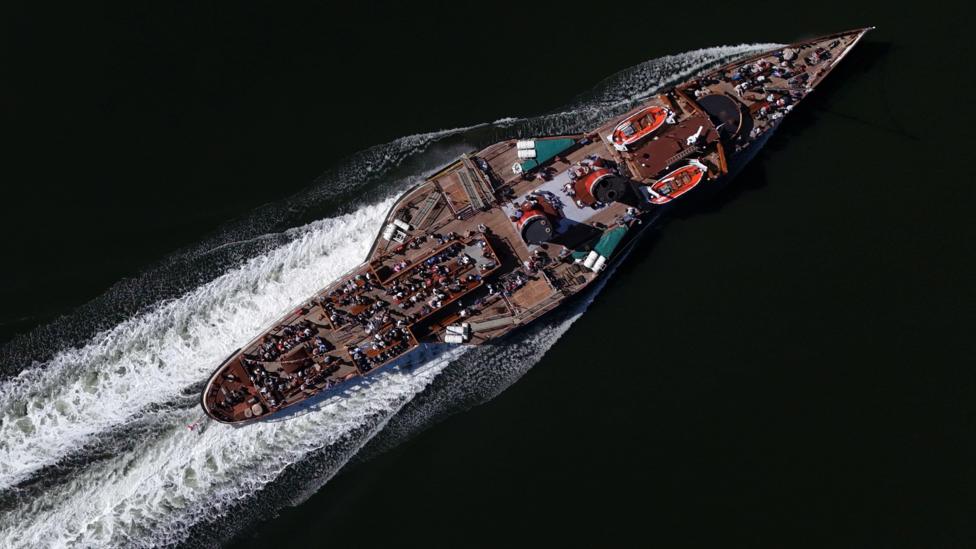
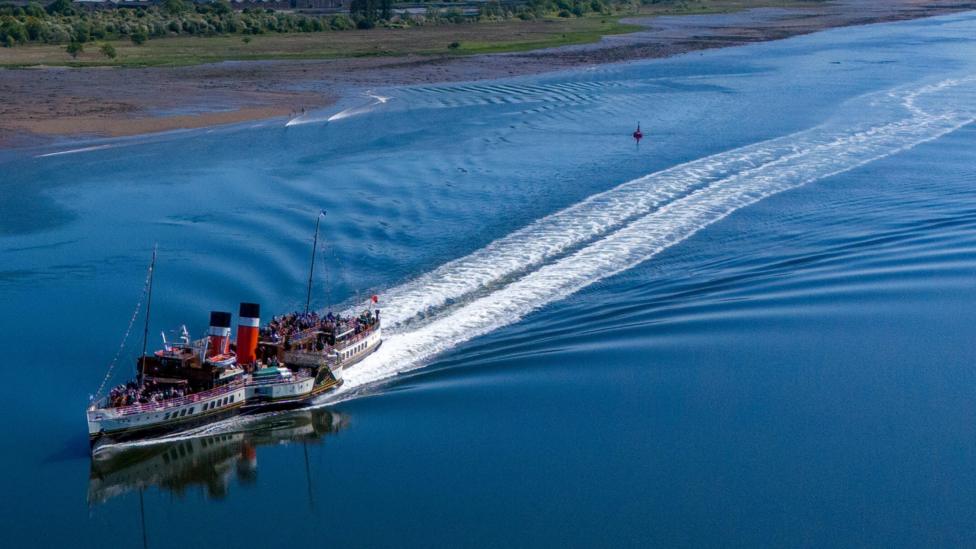
After being withdrawn from active service in 1974, the paddle steamer faced an uncertain future until the Paddle Steamer Preservation Society acquired it for £1, transforming its prospects. Since that pivotal acquisition, the vessel has operated on a not-for-profit basis and has transported six million passengers across routes throughout the United Kingdom. The ship has been meticulously restored to its original 1940s appearance, with its distinctive red, white and black funnels reflecting the authentic LNER 1947 livery.
What is the ship's current operational status?
The Waverley continues to attract substantial passenger numbers, with more than 150,000 travellers boarding the steamer annually over the past three years. The anniversary voyage down the Thames saw the vessel sail past historic Thames forts including Red Sands, Shivering Sands and Knock John, before proceeding to Gravesend and Southend. Passengers on the anniversary voyage included David Horne, LNER managing director, who attended to honour the railway company's role in the vessel's historical significance.
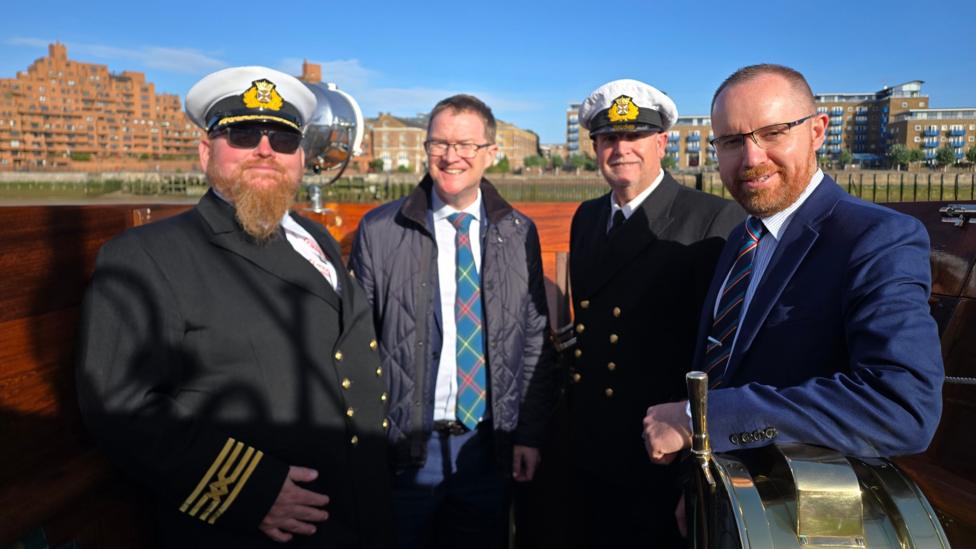
Paul Semple, general manager of Waverley Excursions, described the paddle steamer's achievement in reaching 80 years of operation as
a "remarkable achievement". He elaborated that
she was built to serve the Clyde coast and, 80 years later, she continues to give tens of thousands of people the opportunity to experience the joy of travelling by steam. Semple further noted that
from her early beginnings with LNER to her survival as a working paddle steamer after being gifted for £1 to the Paddle Steamer Preservation Society, Waverley has become much more than a ship. She is a living piece of maritime history and a much-loved part of our national heritage.
What is the ship's heritage significance?
The vessel carries a name steeped in literary history, being named after Sir Walter Scott's 1814 novel Waverley. Its survival represents a remarkable feat of maritime preservation, as it remains the sole sea-going paddle steamer still in active commercial operation anywhere in the world. The ship's restoration to its original specifications and its continued operation demonstrate the dedication of preservation societies and the enduring public appetite for experiencing historical modes of transport.
What happens next for the Waverley?
The paddle steamer will remain on the River Thames until 11 October, continuing to offer cruises to passengers during this extended anniversary season. Following its Thames operations, the vessel will return to Scotland for the final sailings of its 2026 anniversary season. The Waverley will undertake two concluding voyages on the Clyde coast on 17 and 18 October, bringing its 80th anniversary celebrations to a close on the waters where it has operated for most of its working life.
Key Facts
- The Waverley entered service on 16 June 1947 and remains the world's last sea-going paddle steamer in active operation
- The vessel was acquired by the Paddle Steamer Preservation Society in 1974 for £1 and has since carried six million passengers
- More than 150,000 passengers travel aboard the steamer annually, with the ship restored to its original LNER 1947 livery
- The anniversary voyage included passage through London's Tower Bridge and past historic Thames forts before returning to Scotland in October