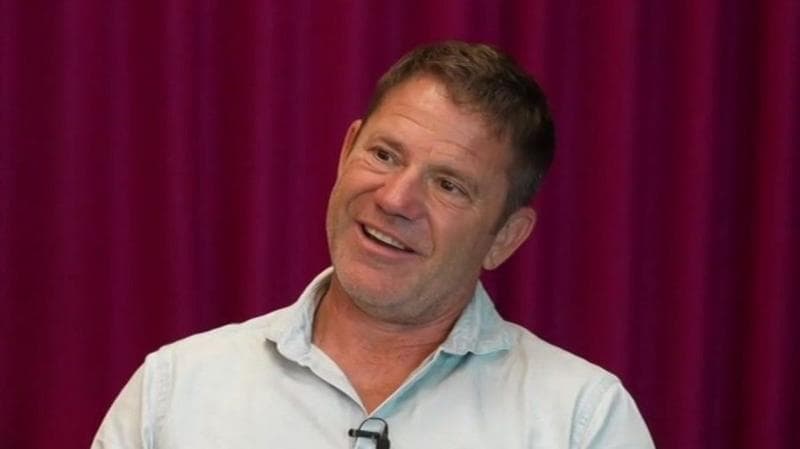
Wildlife presenter Steve Backshall has outlined his approach to engaging children with the natural world, emphasising the importance of presenting nature as exciting and appealing rather than adopting a preachy tone.
The presenter, recognised for creating and hosting Deadly 60, is committed to exposing as many young people as possible to wildlife and outdoor experiences. He attributes much of his own passion for nature to a childhood spent in Surrey surrounded by rescue animals, an upbringing he describes as formative in shaping his later career path.
Speaking in London ahead of his Deadly Live show scheduled for the Brighton Centre on 29 October 2026, Backshall reflected on what drives his work.
There are thousands and thousands of kids out there who have a passion for natural history, he observed, noting that encountering this enthusiasm among young audiences makes his career both exciting and worthwhile.
How has childhood changed, and what does Backshall think matters?
Backshall expressed strong views on how modern childhoods differ from previous generations, suggesting that scientific evidence supports the idea that traditional childhood experiences offered greater benefits to development.
There are immense amounts of benefit to be gained from being outside, being interested in animals, being connected to nature, being active, he stated, emphasising the value of outdoor engagement and wildlife interest.
However, he is careful not to alienate younger audiences with outdated messaging.
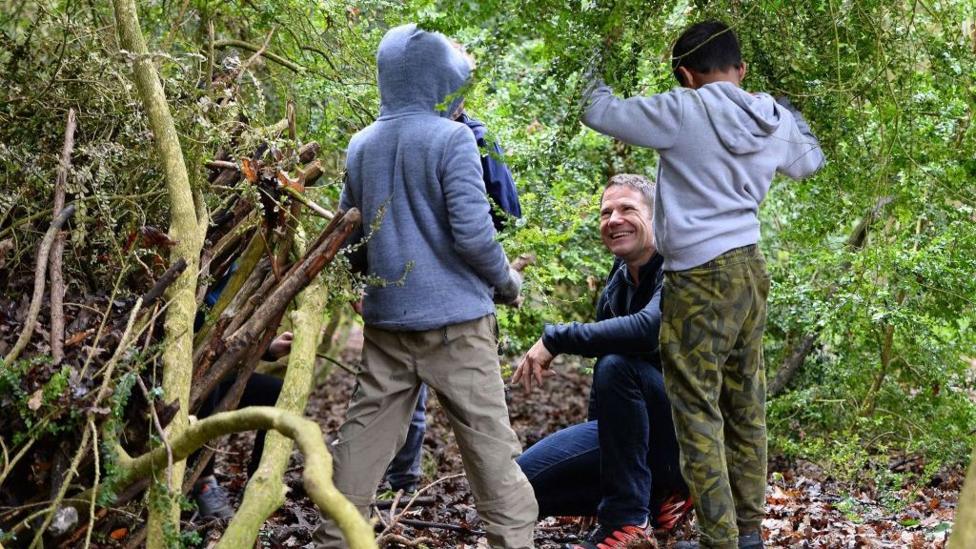
I've got to make nature and everything that comes with it as adventurous, as cool as it can possibly be, he explained, rejecting any approach that might come across as preachy or out of touch.
What shaped Backshall's own connection to nature?
Backshall's childhood in Surrey was unconventional and deeply influential. His parents acquired a smallholding during their 30s and populated it with rescue animals, an experience he characterises as improvised and chaotic.
We filled it with rescue animals, about which we had no idea, we were making everything up as we went along, he recalled. He likened the household to a
crazy versionof the television sitcom The Good Life, describing the experience as
absolutely incredible.
This early exposure to animal care and wildlife management proved instrumental in developing the passion that would define his professional life. Backshall went on to study at Canterbury Christ Church, where he conducted research into venoms from amphibians. The university later awarded him an honorary doctorate in recognition of his contributions to science communication and wildlife education.
Why does Backshall focus on dangerous animals?
The deliberate choice to feature formidable predators in Deadly 60 reflects a strategic understanding of audience engagement.
We deliberately deal with animals like birds of prey and sharks and crocodiles and snakes and spiders and scorpions, big cats, that kind that everyone is fascinated by. Regardless of whether they think they like wildlife or not, they're going to be vaguely interested in those things, Backshall explained. He added with humour that some viewers might tune in
in the vague hope that I might get savaged by something.
This approach serves a broader educational purpose: by capturing attention through charismatic megafauna and dramatic scenarios, Backshall creates an entry point for viewers to develop genuine interest in natural history and conservation.
What recognition has Backshall received for his conservation work?
Beyond his television presence, Backshall has been formally recognised for his contributions to wildlife and environmental causes. He was appointed an MBE in the 2020 New Year Honours for services to charity and wildlife conservation. Additionally, Backshall became president of Buglife in 2021, following a period as vice-president from 2008, reflecting his long-standing commitment to invertebrate conservation.
His work aligns with broader efforts across the UK to inspire young people about nature. Sir David Attenborough's enduring influence on nature education in Southern England has similarly shaped how wildlife is presented to audiences, while initiatives such as Winchester Science Centre's Chalk Stream play zone in Hampshire demonstrate growing institutional commitment to connecting children with natural habitats.
What is happening next with Deadly Live?
Backshall's Deadly Live tour represents a return to live performance following a successful 2026 run. The show features stunts, experiments and science, with no live animals involved. The Brighton Centre performance on 29 October 2026 is one of the final stops on a tour spanning 10 UK cities, with dates beginning from 23 October. Doors open at 1pm, with the show scheduled to start at 2pm, though timings remain subject to change.