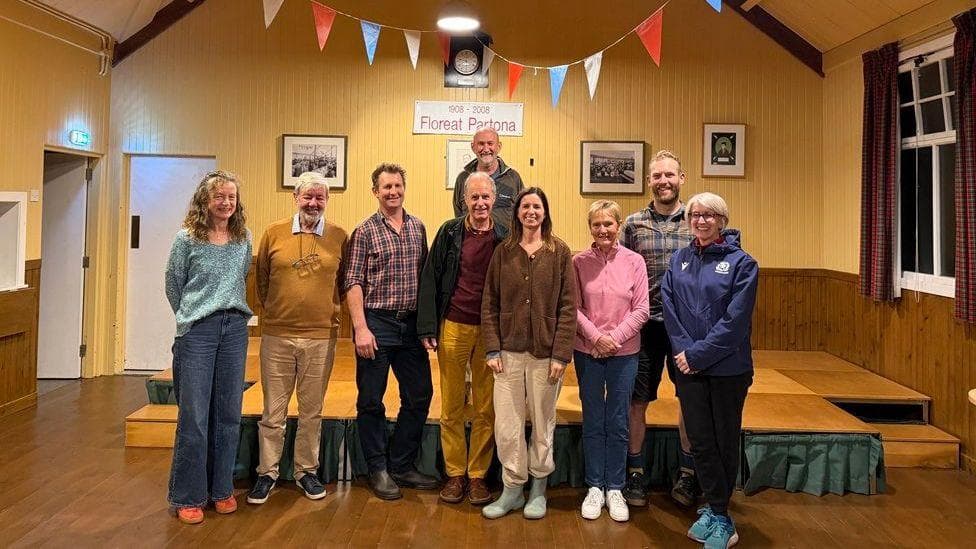
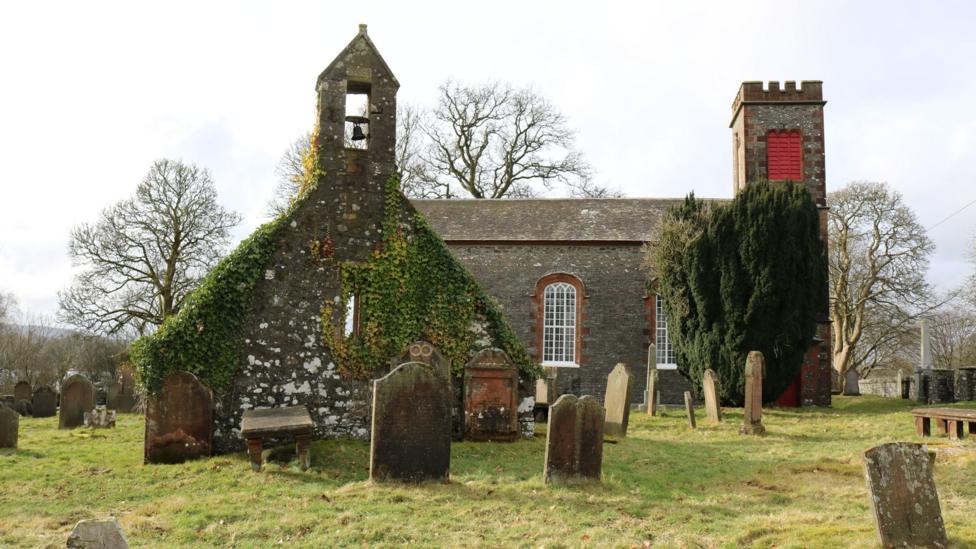
A remote rural community in Parton has accomplished an ambitious fundraising goal in just four weeks, gathering the £70,000 needed to purchase a historic church where scientist James Clerk Maxwell is buried.
The campaign began with two distinct targets: £50,000 to acquire Parton Kirk from the Church of Scotland, and a further £20,000 to undertake essential repairs and weatherproofing. Donations arrived from supporters across the globe, enabling the village to surpass its target well ahead of the 1 November 2026 deadline imposed by the current owners. According to a report from early September, the campaign had already exceeded the £70,000 threshold before the fundraising period formally concluded.
Maxwell, a physicist whose theoretical work underpinned the development of mobile phones, radio and television, spent his childhood in Galloway after being born in Edinburgh in 1831. His formulation of electromagnetic radiation theory is recognised as foundational to Einstein's later special theory of relativity. Maxwell died in Cambridge in 1879 but was returned to Parton for burial, where his parents and wife also rest in the churchyard.
The effort to preserve the kirk reflects decades of community commitment. Work to identify a sustainable future for the building dates back nearly 20 years, with earlier feasibility studies proposing a visitor centre centred on Maxwell's life and his formative connection to the region.
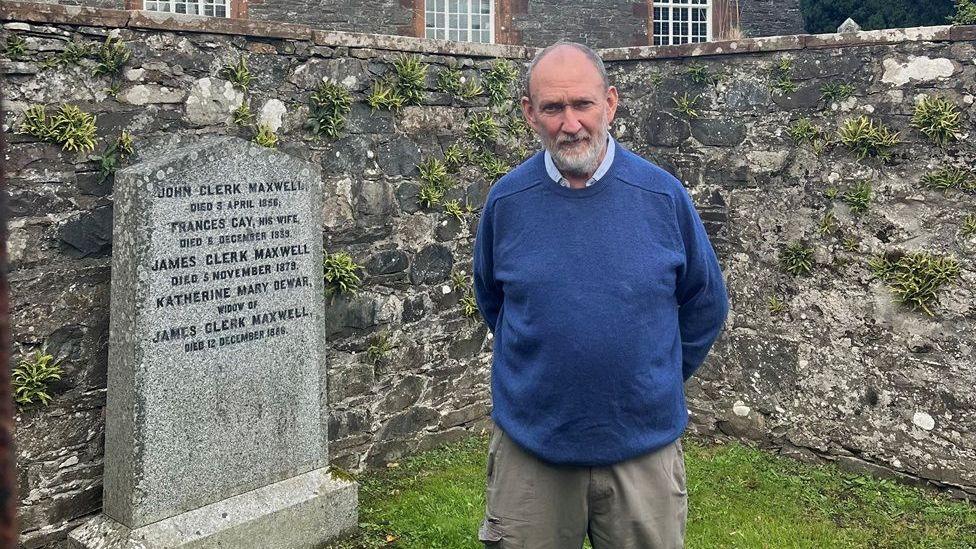
Paul Hodson, chair of Parton Community Council, which spearheaded the campaign, described the outcome as evidence of what determined communities can accomplish.
Exceeding the initial £70,000 target within four weeks is an extraordinary result. It shows what a small community can achieve when people come together around a shared ambition.According to Hodson, more than 1,000 people from around the world had contributed to the appeal by 25 September.
Hodson added:
We are very grateful to everyone who has supported this campaign, both locally and internationally.
What happens next for Parton Kirk?
The village has now established a new organisation, Maxwell at Parton Kirk, with legal authority to complete the purchase and oversee the building's future. Immediate work will focus on securing insurance, stabilising the structure against further decay, and executing repairs to make the kirk weatherproof before winter arrives.
Simultaneously, the group will develop a comprehensive business and development strategy for the proposed science and community centre, working with local partners and residents to shape the kirk's long-term purpose.
Dr Franziska Weir, a member of the campaign group, emphasised that the fundraising milestone marks a beginning rather than a conclusion.
This achievement is the beginning of the next phase rather than the end of the work. We now have to complete the acquisition, protect the building, and develop a sound business plan with the community and our partners. We are looking forward to listening, learning, and turning the extraordinary goodwill behind the campaign into a sustainable future for Parton Kirk.
The Church of Scotland's deadline for completion of the purchase remains 1 November 2026. Should the transaction not be finalised by that date, the property risks being offered for sale on the open market, potentially ending the community's stewardship of the site.
Key Facts
- Parton Kirk was acquired through community fundraising in four weeks, half the time allowed by the Church of Scotland
- James Clerk Maxwell's electromagnetic radiation theory is credited as foundational to Einstein's special theory of relativity and enabled modern wireless technology
- The campaign attracted over 1,000 supporters from around the world by late September
- The community's vision for the kirk as a science and heritage centre builds on feasibility work spanning nearly two decades