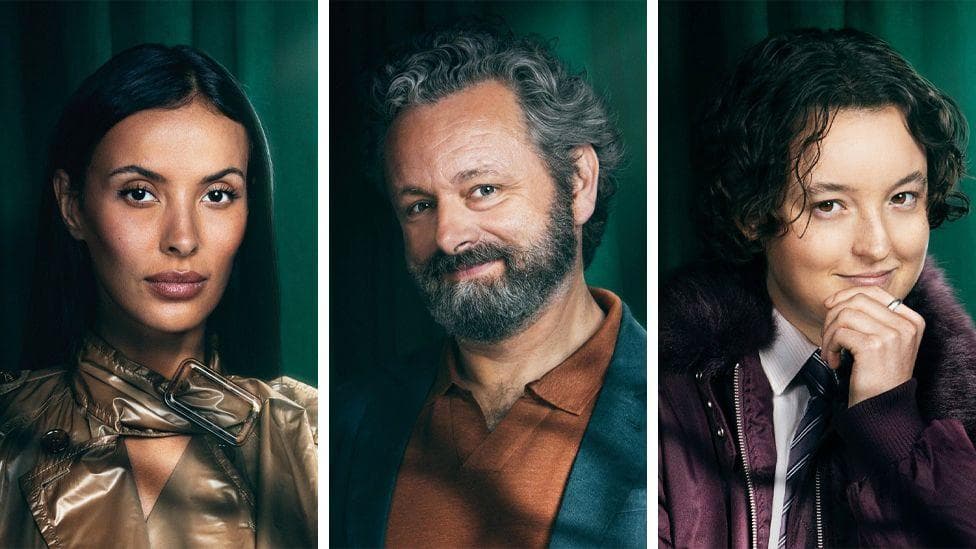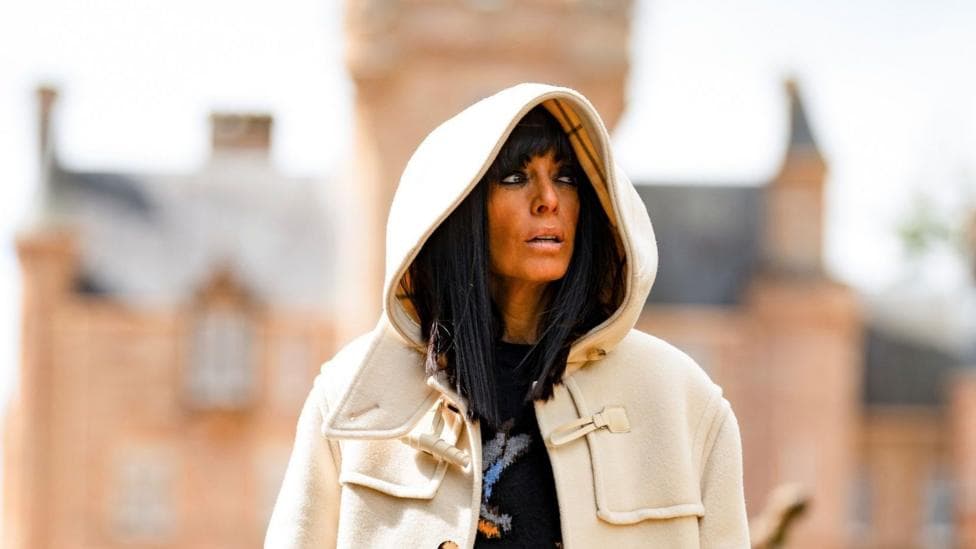
Claudia Winkleman returns as host for the latest series of Celebrity Traitors, welcoming a fresh ensemble of famous personalities competing to identify the hidden traitors among them. The new cast includes award-winning actor and campaigner Michael Sheen, comedian Miranda Hart, EastEnders performer Ross Kemp and Love Island presenter Maya Jama. Yet beyond the contestants themselves, the true star of the franchise remains the dramatic setting: Ardross Castle, a 19th-century Scottish baronial estate that has become synonymous with the show's appeal.
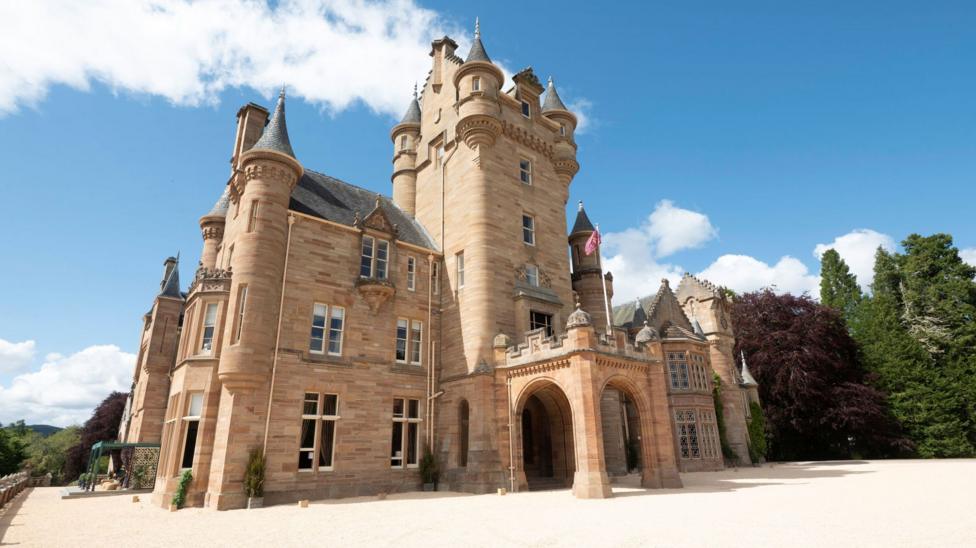
Where is The Celebrity Traitors filmed?
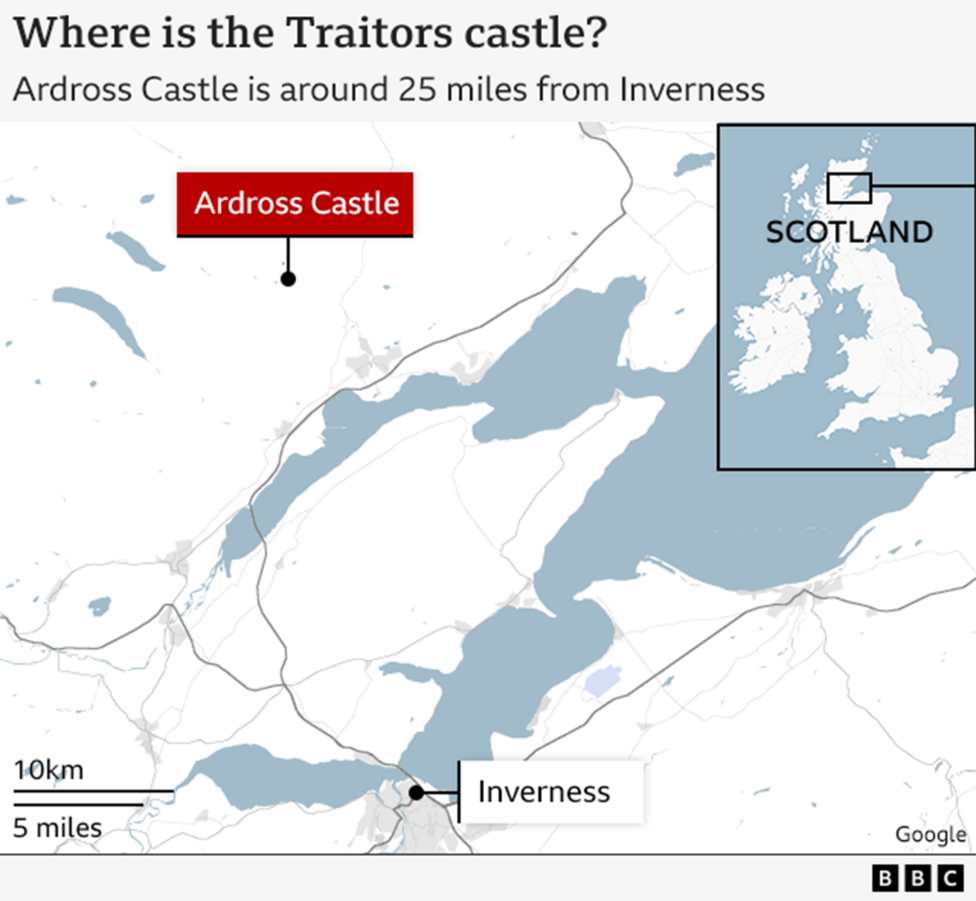
The production takes place at Ardross Castle, a 19th-century structure situated approximately 30 miles north of Inverness in the Scottish Highlands. The castle occupies roughly 100 acres of manicured gardens and natural parkland near the Easter Ross town of Alness. Its architectural style exemplifies Scottish baronial design, characterised by intricate rooflines, turrets and fortress-like battlements that create an imposing silhouette across the landscape.
What historical events shaped Ardross Castle?
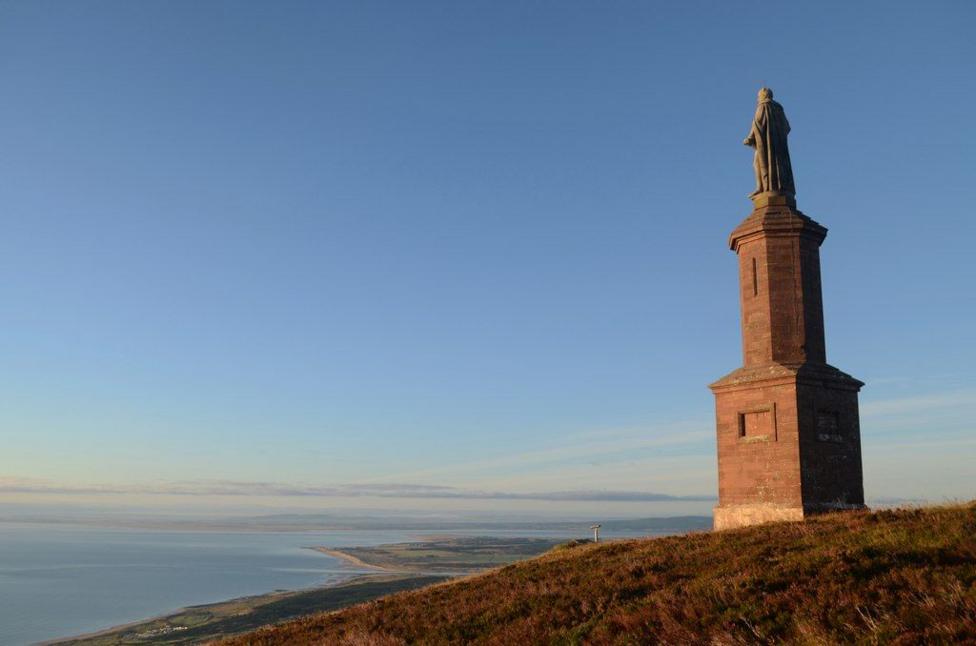
The land where Ardross now stands was owned more than 200 years ago by George Granville Leveson-Gower, the 1st Duke of Sutherland, who maintained a hunting lodge on the site. The duke remains a contentious historical figure due to his role in the Highland Clearances, during which he displaced families from Sutherland to facilitate sheep farming and agricultural development. Some displaced residents relocated to coastal settlements, while others undertook arduous emigrations to Canada seeking fresh opportunities. A monument to the duke, colloquially known as The Mannie, stands on a hilltop overlooking Golspie and has periodically been targeted by vandals and toppling attempts.
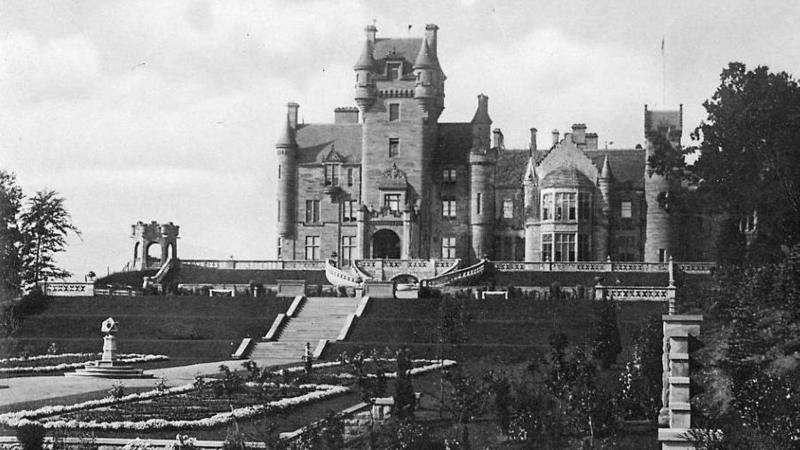
The estate subsequently passed to Sir Alexander Matheson, a merchant who accumulated wealth through Chinese trade, served as an MP and championed Highland railway development. Matheson commissioned the castle's construction beginning in 1847, employing approximately 400 workers over the building period. The project yielded 30 rooms and expansive grounds, while Matheson also invested in improved housing for estate workers.
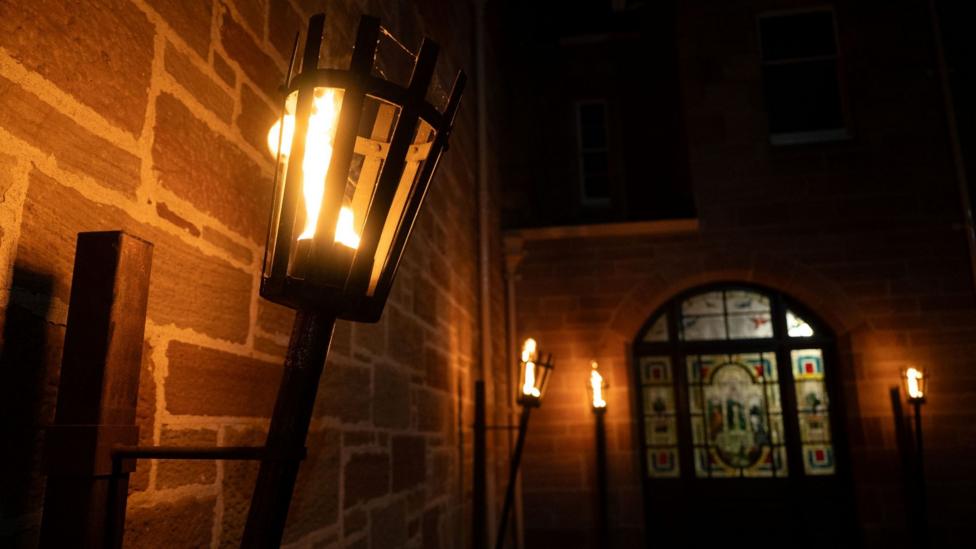
Following Matheson's death, the property transferred to Charles William Dyson Perrins, a businessman and philanthropist whose grandfather William Perrins, alongside John Wheeley Lea, formulated the recipe for Worcestershire Sauce. The Perrins family maintained connections to Royal Worcester porcelain production and visited Ardross Castle regularly as annual guests. Their stewardship concluded during the 1930s when portions of the estate were subdivided and sold.
Who currently owns the castle and can visitors access it?
The McTaggart family acquired Ardross Castle in 1983 and retains ownership today. The property operates not as a hotel but functions as a wedding venue, with its profile substantially elevated by appearances across The Traitors franchise. According to a September 2026 report, the castle remains privately owned with no public tours available, though it accommodates weddings of up to 120 guests and corporate events.
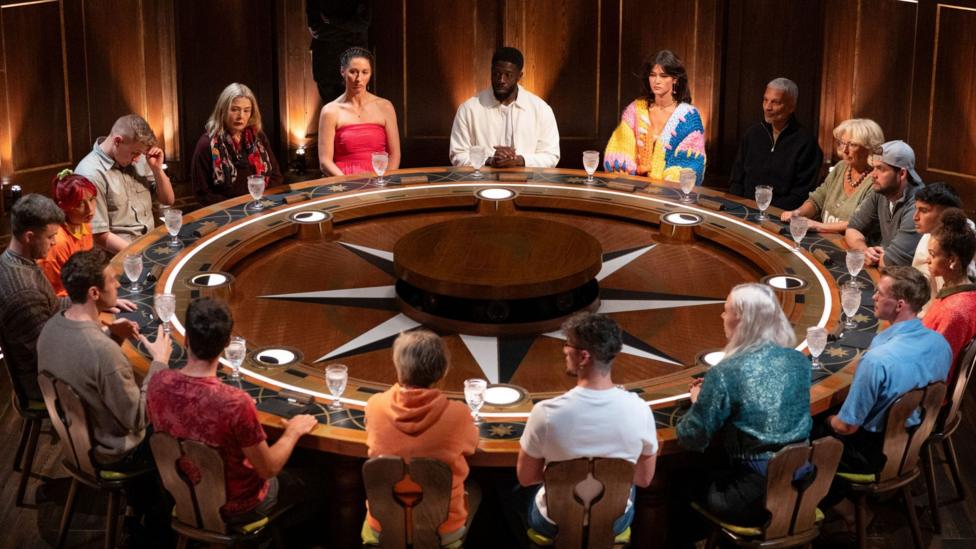
In 2023, Loukas Tsarmaklis, a director of Ardross Castle Enterprises, acknowledged to a regional publication that the television exposure had transformed local awareness:
"We try to keep a low profile... but there is no chance now. This has put us on the map and helped local B&Bs, tradesmen, taxi drivers, cleaners. It was a big operation for this part of the world."Internet search volumes for the castle have risen substantially, and the Ross and Cromarty Heritage Society documented significant increases in traffic to its Ardross information page following the American adaptation of The Traitors.
How does the Strathspey Railway feature in the show?
A heritage railway operates prominently throughout The Traitors episodes, including the first series finale. Strathspey Railway functions as a volunteer-operated enterprise managing a 10-mile (16-kilometre) route connecting Aviemore and Broomhill via Boat of Garten, where contestants are introduced before boarding the steam train. The line represents one of only a handful of former railway routes preserved following the widespread closures of the 1960s, tracing its origins to the former Inverness and Perth Junction Railway, subsequently renamed the Highland, which historically connected Aviemore with Forres.
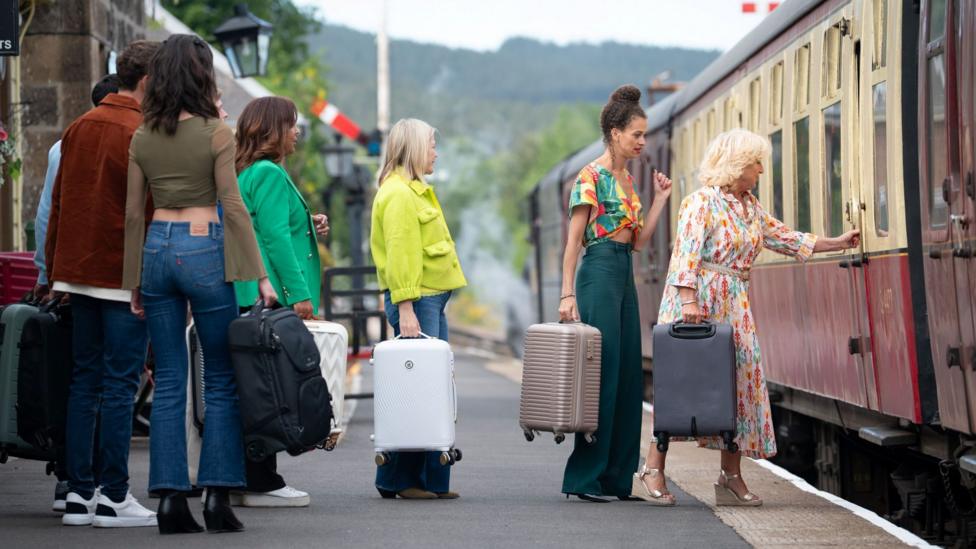
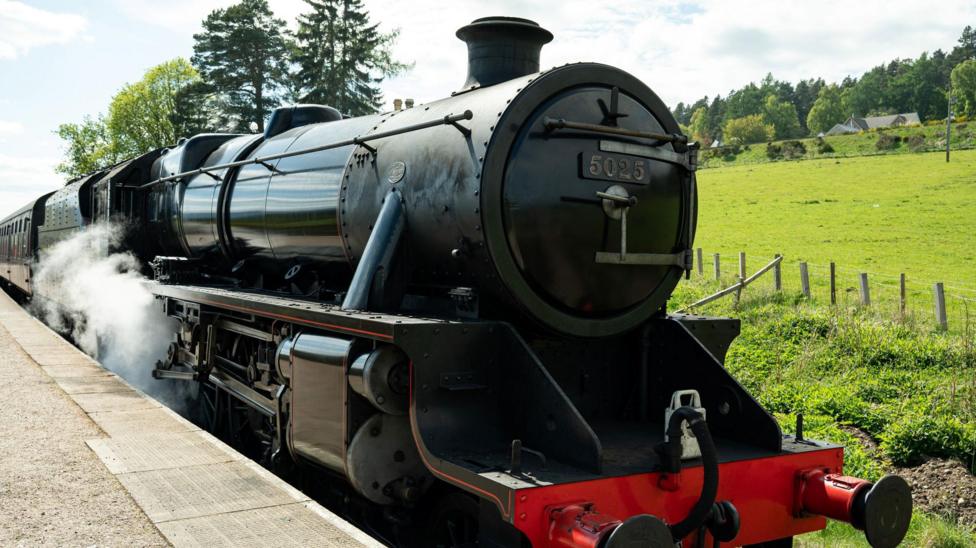
The railway maintains a mixed fleet of steam and diesel locomotives operated and serviced by volunteer staff alongside a small professional team. Restoration initiatives have featured prominently in the organisation's work, including the rehabilitation of a 75-year-old Ivatt Class 2 2-6-0 engine numbered 46464, originally constructed in Crewe, Cheshire in 1950. This locomotive spent the majority of its operational career stationed at Dundee Tay Bridge Steam Shed 62B, serving routes across Angus and Fife. The railway's financial security strengthened considerably when it received a £1 million donation from an anonymous American benefactor last year, ensuring long-term operational viability. Year-round excursions operate under a winter schedule that includes a festive Elf Express service.
What is the Fyrish Monument and its role in the show?
An architectural curiosity served as the backdrop for a challenge during the penultimate episode of series four. Fyrish Monument, positioned near Alness, represents a folly—a mock ruin—crowning the summit of Cnoc Fyrish, which commands views across the Cromarty Firth. The stone structure and surrounding hill attract regular walkers, with the ascent typically requiring two to three hours. According to a detailed account of filming locations, the semi-final challenge required contestants to climb to the monument in 45 minutes and fill a shield with gold, with the monument dating to the late 1700s and the walk covering approximately 6 kilometres.
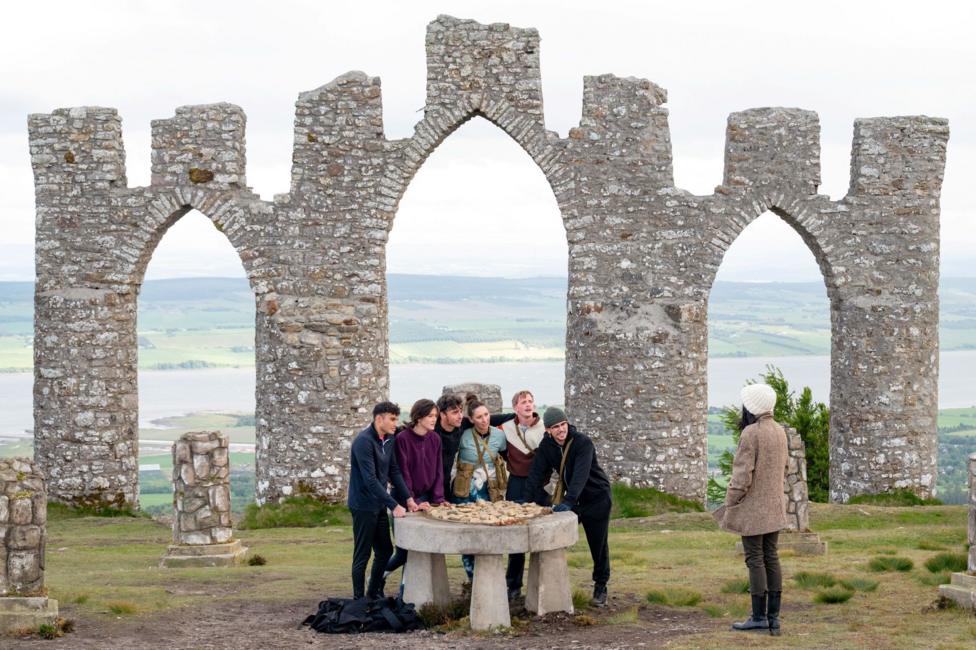
General Sir Hector Munro of Novar, a Sutherland-born landowner, commissioned the folly's construction, financing it through military prize money and pensions accumulated during service with the British Army in India. The monument comprises a sequence of arches and pillars deliberately designed to replicate the fortress gates of Negatapam, an Indian town where British and French forces engaged in combat during the 1780s. Local tradition maintains that Munro constructed the folly partly to generate employment opportunities within the region. Before construction commenced, the general allegedly rolled substantial boulders discovered at the summit—naturally suited for building purposes—downhill, ostensibly to extend the project duration and maximise workers' earning potential. The structure holds category B-listed status and was originally finished in white paint.
What other locations feature in the show?
Inverness Airport provides an additional filming location, appearing in the dramatic reveal sequence introducing the new contestants as they arrive by aircraft. This collection of venues across the Highlands creates what enthusiasts refer to as "Traitors Territory," offering visitors multiple destinations connected to the television production.