A growing wave of women are abandoning traditional careers to pursue skilled trades and home improvement work, driven by social media inspiration, cost-of-living pressures, and the appeal of roles perceived as resistant to automation. The shift reflects a broader cultural change in how women view manual work, with younger generations leading the charge in challenging long-held gender stereotypes about who belongs in construction and plumbing.
The transformation has been fuelled by an explosion of DIY content across social platforms over the past decade. What began as male-dominated territory has been reshaped by female influencers demonstrating complex home improvement projects, from structural renovations to bespoke carpentry. This visibility is reshaping perceptions and inspiring women to take on projects themselves rather than waiting for professionals or partners to complete them.
Building While Pregnant: One Influencer's Journey
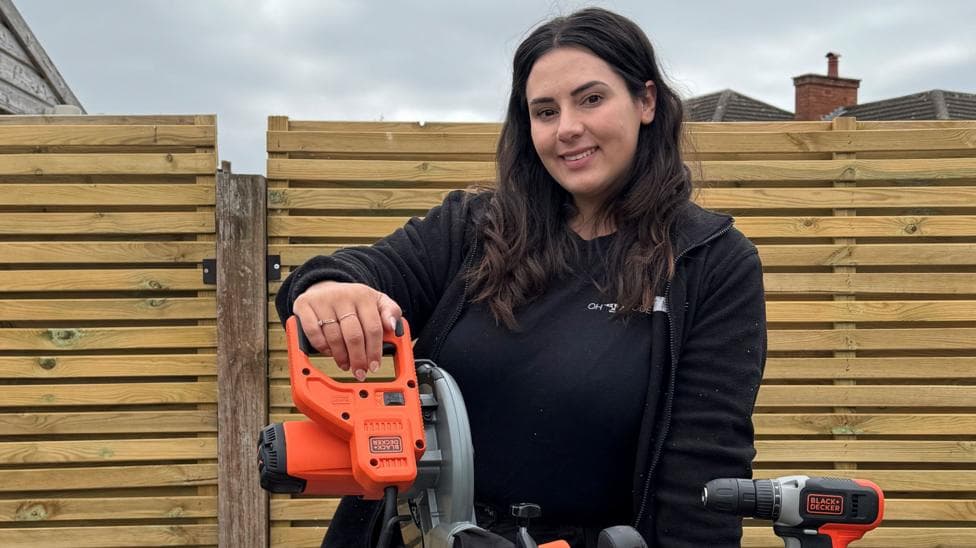
Jasmine Gurney, a 33-year-old from Bedfordshire, has documented an extensive catalogue of renovation work on Instagram since transitioning from marketing. Her projects include dismantling partition walls, replacing flooring, erecting fencing, insulating and boarding her loft, constructing an outdoor workshop, crafting custom cabinetry, relocating electrical sockets, building her son's first bed, and constructing a treehouse. Now eight months pregnant, she is racing to complete a fitted wardrobe before her new baby arrives.
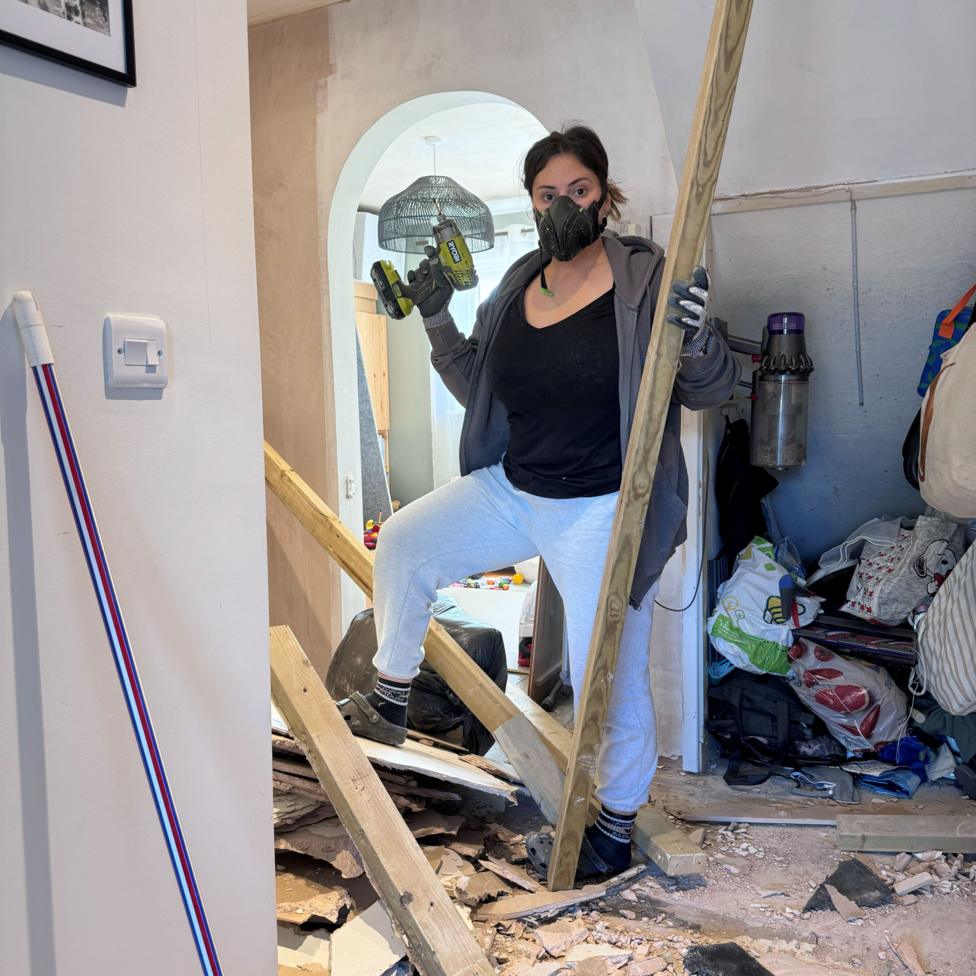
Gurney credits the Covid lockdowns with launching her social media presence. When access to professional tradespeople became impossible, homeowners turned to online tutorials and documentation of DIY solutions.
"I like proving people wrong,"she says, acknowledging that she has faced online criticism about her techniques.
"I'm showing and empowering other women to do it. I've shown me doing things whilst pregnant, I've had my firstborn strapped to me in a baby carrier while doing things. I'm just showing that we are capable, we are interested in this sort of stuff and... we're sick of waiting around for six months for our husbands to pick up the tools and do it in most cases."
Even as lockdowns have ended, demand for DIY content remains strong. Gurney attributes this persistence to two factors: a shortage of available tradespeople to meet demand, and financial pressures forcing households to tackle projects themselves.
"The more women who are seen online doing these sorts of things, the more normal it becomes,"she observes, hoping her visibility will encourage other women to attempt their own projects or consider entering the trades.
Why Are Younger Women Embracing DIY?
Generation Z women are leading a cultural shift in attitudes toward home improvement and manual work. According to a 2024 report by B&Q, approximately three-quarters of Gen Z women surveyed reported enjoying DIY, compared to 60% of all female respondents. The research also found that 82% of Gen Z women said watching women perform complex home DIY on social media had motivated them to undertake more projects themselves, versus 60% of women overall. Beyond inspiration, 80% of Gen Z women felt empowered by learning DIY skills, and 69% expressed confidence they could install a shelf or bookcase, with 26% having used TikTok for guidance on very complex DIY tasks.
This generational enthusiasm reflects broader shifts in how women perceive their capabilities and their place in traditionally male-dominated fields. The visibility of female role models performing skilled work has normalised the idea that women can and should participate in construction and home improvement.
Leaving Office Work for the Trades
For some women, the appeal of manual work extends beyond DIY projects to full career changes. Bliss Cunneen, 28, from south London, abandoned an Anthropology university degree in 2020 to train as a plumber. She describes the decision as
"the best thing I've ever done"and values the autonomy and adaptability that running her own business provides.
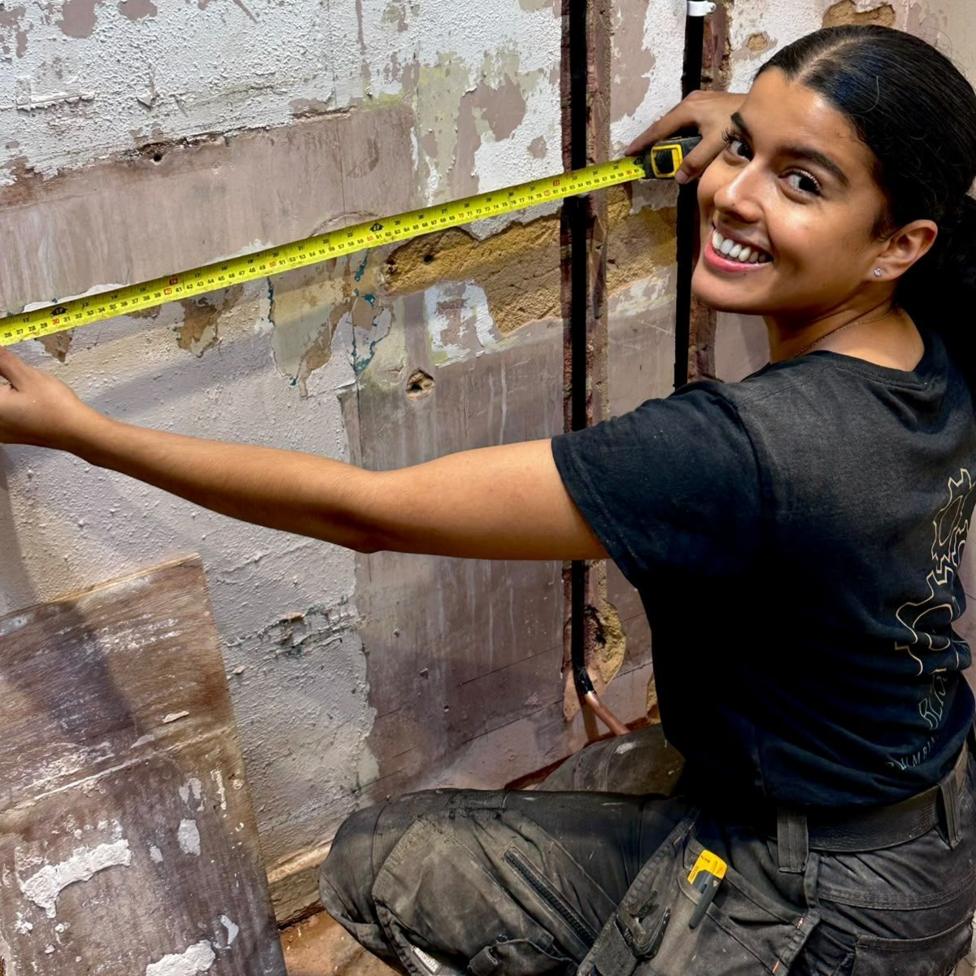
Cunneen has encountered scepticism from some customers, and has even been mistaken for a receptionist upon arrival at job sites. However, she has found that professional competence and confidence typically overcome initial reservations.
"Once you start working and you show you're confident and you know what you're doing, they're okay,"she explains. She credits the proliferation of online content featuring women in trades with helping to shift public attitudes.
"The explosion of content online has definitely helped with broadening attitudes to women taking up DIY or a trade."
Cunneen's experience reflects a broader trend. According to research cited by Metro on 30 September 2026, more than a third of tradeswomen felt they were not taken seriously because of their gender, yet many persist in building successful careers in these fields.
The Platform Connecting Women Tradespeople with Customers
Anna Moynihan founded TaskHer, a digital platform designed to connect female tradespeople with customers seeking their services, after becoming frustrated when male tradesmen she hired for renovation work would direct their attention to her husband rather than to her. Five years ago, she struggled to locate stock photographs of tradeswomen for marketing purposes, and even the term "tradeswoman" would be automatically corrected to "tradesman" by software.
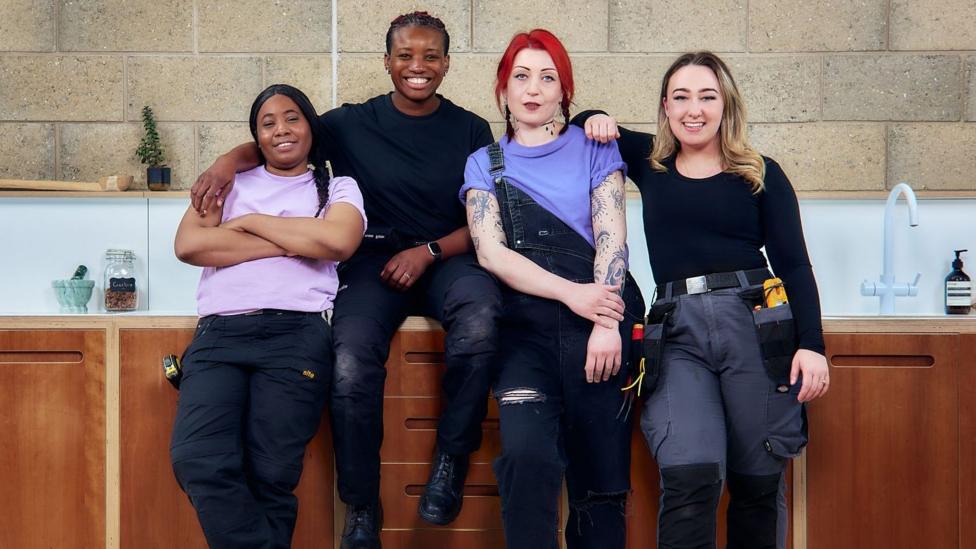
"It's those little things that, you know, ultimately you don't feel welcome into that environment. It's already hard enough to become a tradeswoman, a woman in an industry where you're massively under-represented."
The platform has experienced explosive growth. Enquiries have more than doubled so far this year compared to 2025, while the number of tradeswomen registering has almost quadrupled. Moynihan notes that customers may prefer female tradespeople for various reasons: they may feel more comfortable with a woman entering their home, believe a woman would demonstrate greater respect for their property, or wish to actively support women working in traditionally male-dominated sectors.
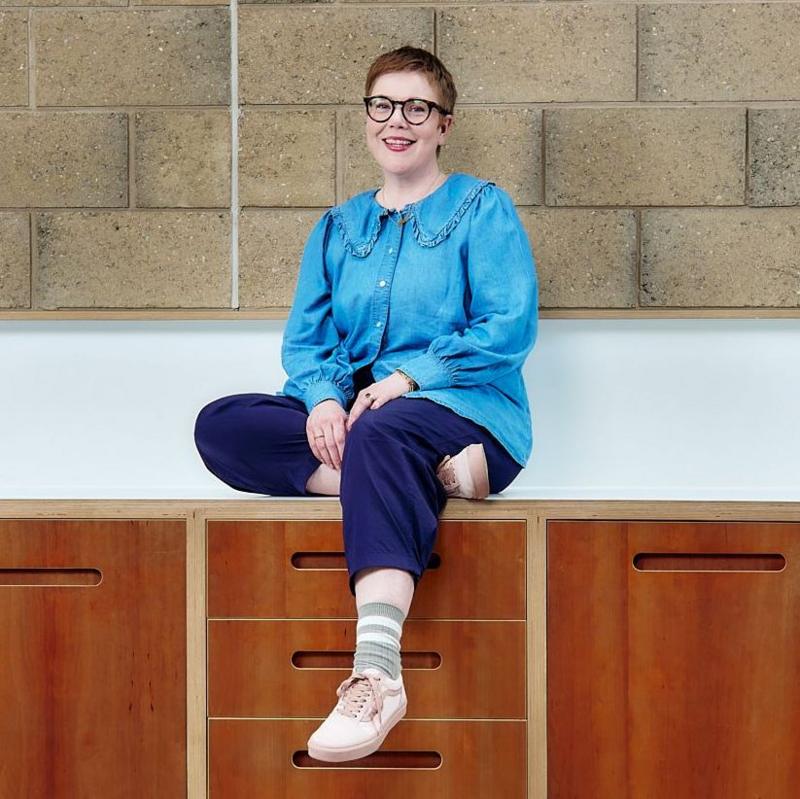
Anecdotally, Moynihan has observed an increasing number of women joining the platform after leaving white-collar employment. In the past month alone, three university-educated women from Oxford have registered. Some had long harboured ambitions to enter a trade but felt unable to do so because of gender barriers. Others are attracted by the independence of self-employment in a field they perceive as less vulnerable to disruption by artificial intelligence.
This trend aligns with broader skills shortages in construction. Research from B&Q's 2024 report found that 81% of tradespeople were booked up in advance, and 66% of customers reported increasing difficulty locating available tradespeople, creating both opportunity and urgency for new entrants to the field.
Formal Training and Career Pathways
Structured training programmes are also playing a role in attracting women to the trades. Bristol-based BePractical offers DIY courses teaching women construction, plumbing, and electrical skills, with some participants exploring plumbing as a potential career path, according to a report published on 22 June 2026.
The Federation of Master Builders has emphasised the importance of attracting more women to construction as part of addressing a broader skills crisis and an ageing workforce, calling for accessible entry routes through training, apprenticeships, and career transitions.
How Significant Is the Shift in Women's Participation?
Despite the momentum, women remain vastly underrepresented in the UK construction workforce, comprising approximately 4% according to the Federation of Master Builders. However, progress is measurable. One in 10 people who began a construction apprenticeship in 2024-25 was a woman, an increase from approximately one in 14 five years earlier. This upward trajectory, though still modest, suggests that cultural attitudes and structural barriers are gradually shifting.
The visibility of women succeeding in these fields remains crucial to further progress.
"You can't be what you can't see,"Moynihan observes,
"and anything that shows women and girls that they can do something is fantastic."As more women document their DIY projects, establish themselves as tradespeople, and build successful businesses in traditionally male sectors, the normalisation of female participation in these fields accelerates. The combination of social media inspiration, economic necessity, career flexibility, and perceived job security is creating a genuine shift in how women view manual work and skilled trades.