Britain's persistent Eurovision underperformance has become so entrenched in the national psyche that parliamentary intervention, however well-intentioned, is unlikely to reverse it. The Digital, Culture, Media and Sport Committee has announced plans to examine why the UK consistently struggles at the competition, but the reasons are neither mysterious nor solvable through Westminster scrutiny.
Caroline Dinenage, chair of the DCMS Committee, has stated the inquiry will investigate who selects the UK's entrant and whether poor results stem from bad song choice, weak performance, or other factors. The committee's interest followed a public callout for inquiry topics earlier in 2026, with Eurovision added to the broader State of Play inquiry. BBC figures and music industry experts are expected to give evidence, with the committee planning to review written submissions as well.
The answers to Dinenage's questions are straightforward enough without months of parliamentary hearings. Our songs are embarrassing. The performances reflect a nation that considers itself too sophisticated for Eurovision's high camp. And beneath it all lies the lingering whiff of Brexit, which has fundamentally altered how Britain is perceived across Europe.
Why no world-class artist will touch Eurovision now
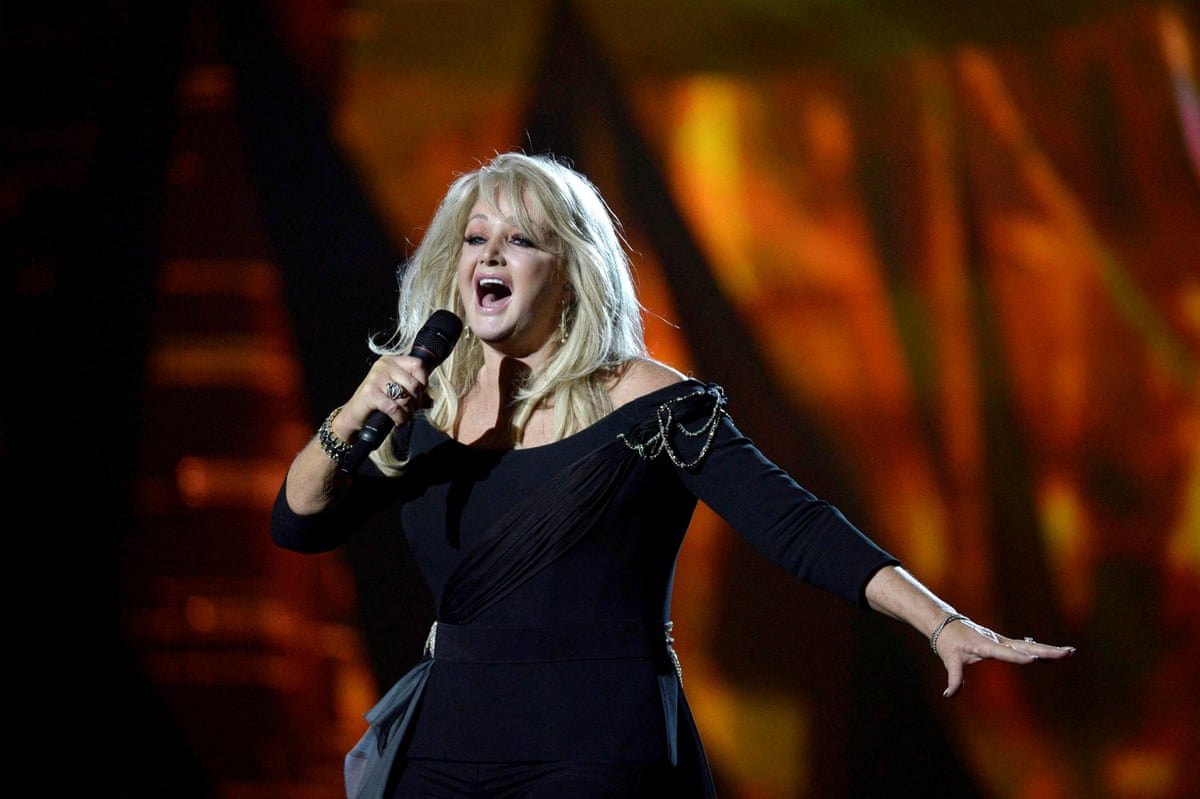
Dinenage has expressed puzzlement that a nation with world-class songwriters and musicians cannot succeed at Eurovision. The explanation is simple: no self-respecting British artist would enter the competition at this point. Our reputation as the dunce of the contest is now fixed in perpetuity. We have tried wacky entries. We have attempted electro-swing, the continent's flavour of choice. We have sent oldies, dragging Bonnie Tyler and Engelbert Humperdinck into the fray. Nothing has worked.
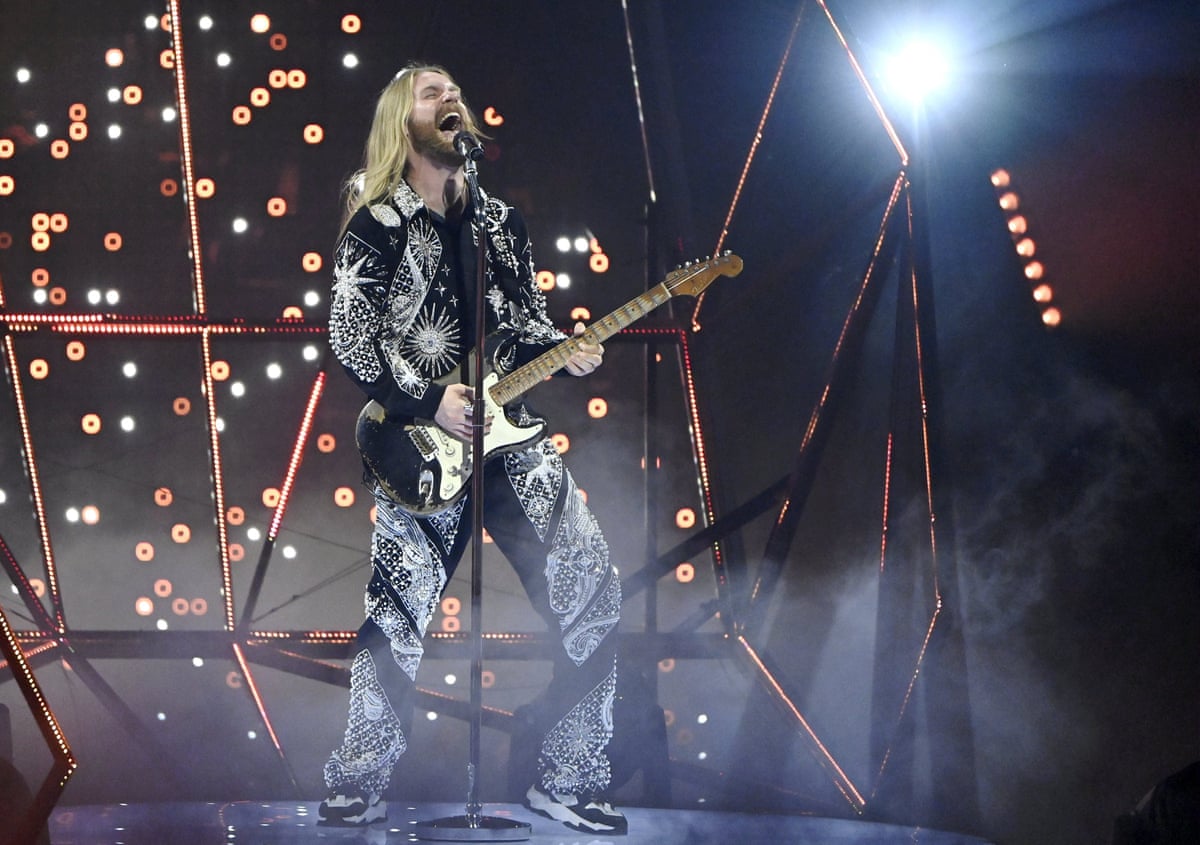
Even Paul McCartney could not pluck victory from the pyro-belching jaws of defeat. The damage to an artist's credibility from a poor Eurovision showing is simply too great. The only recent exception proves the rule: Sam Ryder finished second in 2022 with a genuinely good song called Space Man. Yet that result had little to do with the song's quality.
Space Man caught audiences unawares and made many cry, but Ryder's success was primarily attributable to European goodwill toward the UK following Russia's invasion of Ukraine months earlier. The continent was saying: fair play for your support. You can have this one.
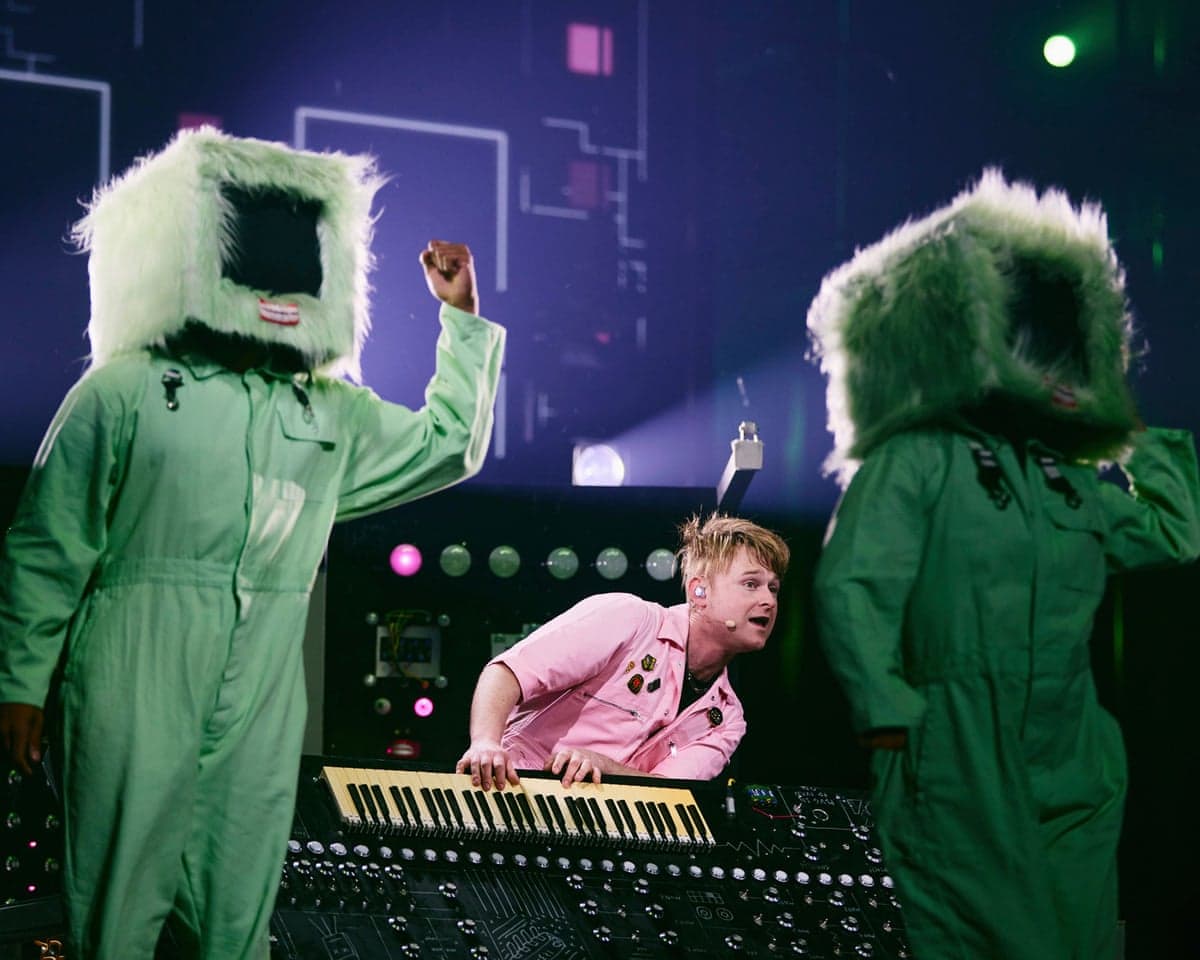
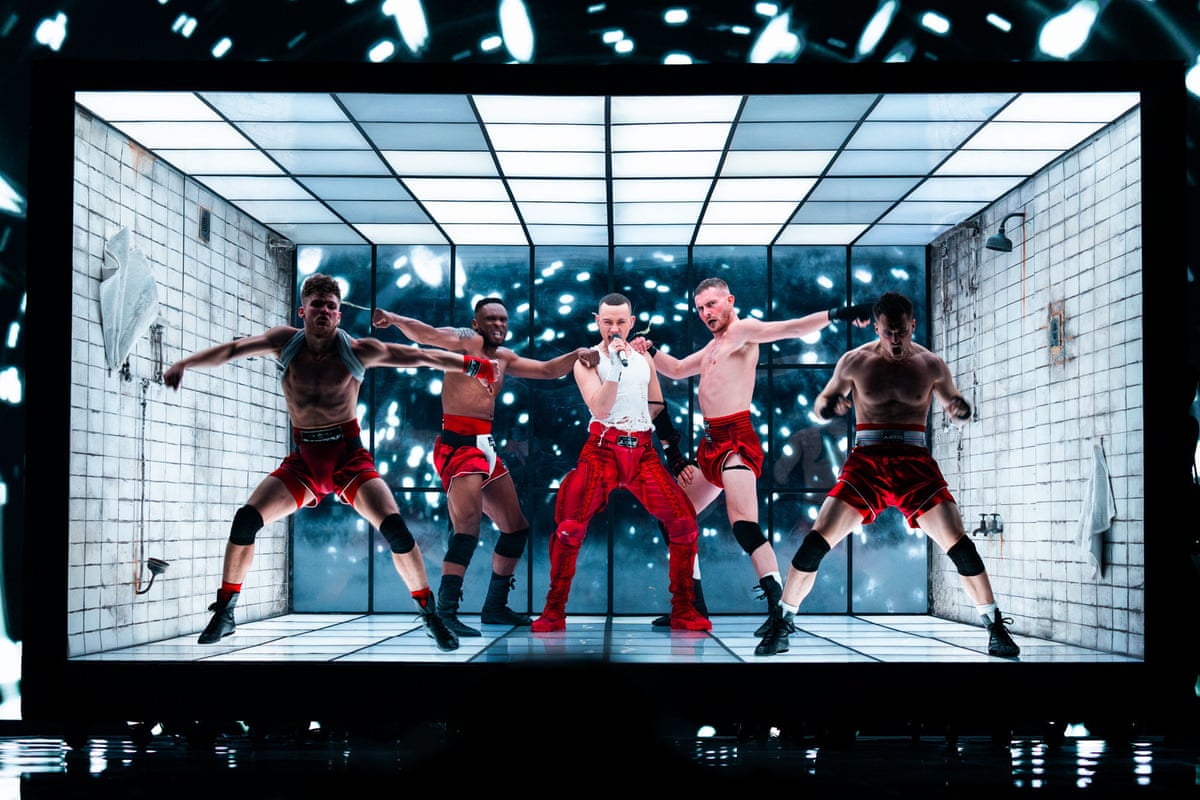
The management company Tap Music, which has overseen recent selections, held the mantle for 2023 and sent an artist to the competition who finished second from bottom. In 2024, the UK pivoted to Olly Alexander, formerly of Years & Years, with a song co-written and produced by cutting-edge collaborators. He finished 18th out of 25.

Can the BBC's selection process be improved?
Currently, the BBC chooses the UK's entrant with assistance from a label or management company. There is no reliable pipeline to Eurovision success available through this arrangement. The public cannot be trusted either: in 2019, the last time the UK voted on the entrant, voters selected Michael Rice, who faced customs difficulties on his return from Tel Aviv.
The committee may produce a short report with recommendations to the BBC after the evidence session is completed, but no structural change to the selection process will alter the fundamental problem. Britain's reputation at Eurovision is damaged beyond repair through conventional means.
What should the UK actually do?
If politicians must intervene, they should consider a radical solution: extract the UK from the competition entirely. As one of Eurovision's major funders, Britain receives an automatic pass to the final each year without competing for a spot. If a football club finished bottom of the Premier League every year yet remained artificially in the league because of financial contributions, the response would be outrage. The UK should accept relegation to the qualifiers and rebuild from there.
Alternatively, being poor at Eurovision has become part of British national identity. The competition functions less like a Champions League—statistically proving who is best—and more like a musical Crufts, celebrating competitive displays of ridiculousness across nations. Britain's failure does not matter. If the government insists on remedying this, one solution stands out: pop music is soft power, and this country possesses no softer power than Mr Blobby. An old entertainer could make his first musical release in 23 years. If he loses—unlikely—he can simply destroy the studio.
Alternatively, the Prime Minister could call for the one referendum that would restore British hearts and minds: forcibly reuniting a legendary Manchester band and sending them to the competition. Morrissey performing live to 130 million viewers worldwide—what could possibly go wrong?
What happens next with the inquiry?
No date has been set yet for the hearing, but it is expected to take place over the coming months. Once the committee has examined evidence from the BBC and music industry figures, it will issue recommendations to the broadcaster. Whether those recommendations address the real problem—that Britain's Eurovision reputation is now unfixable through conventional selection processes—remains to be seen.