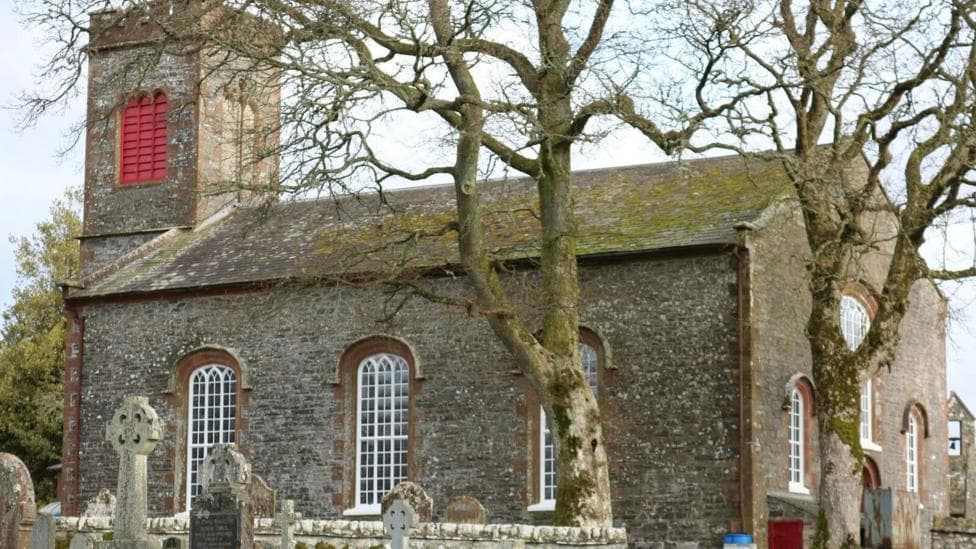
A community campaign to purchase a south of Scotland church linked to physicist James Clerk Maxwell has reached its initial fundraising goal of £50,000 in just over two weeks, securing the building's future ahead of a critical November deadline.
Residents of Parton began their drive to acquire the church from the Church of Scotland at the start of October 2026, racing to meet a 1 November 2026 deadline set by the denomination. Had they failed, the property would have been placed on the open market. The campaign has now exceeded its purchase target, with organisers expressing gratitude for donations arriving from across the UK and beyond.
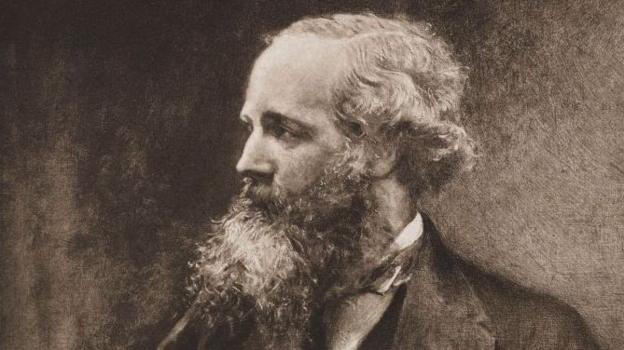
Maxwell, whose theoretical work on electromagnetism laid the foundation for modern wireless technology, radio and television, is buried in the church graveyard. The village community hopes to transform the building into a science and heritage centre celebrating his life and scientific achievements.
Why is the church at risk?
Parton Kirk faces the same pressures affecting many Church of Scotland buildings across the country. The denomination has been disposing of surplus properties, but in this case agreed to offer the local community exclusive purchasing rights rather than immediately listing the building for general sale. The Church of Scotland granted the community until 1 November 2026 to complete the purchase.

How much more funding is needed?
While the £50,000 purchase price has been met, campaigners are pursuing an additional £20,000 to address urgent structural work. The wider £70,000 target covers both the acquisition cost and essential insurance and stabilisation measures to prevent the building from deteriorating while detailed plans for its conversion are developed. Organisers aim to close the initial fundraising phase by 31 October 2026 and secure the full amount before the purchase deadline.
Paul Hodson, who coordinated the fundraising appeal on behalf of the community, expressed his appreciation for the response:
The generosity of people has been fantastic, with over a thousand people supporting us from all over the world. We now need to bring this initial fundraising effort to a close by 31 October, reach the full £70,000 target and secure the building.
The campaign's momentum built quickly after a public meeting on 28 August 2026 established a steering group and launched a formal donation page. By mid-September, fundraising had already surpassed £20,000, demonstrating strong early support from the local area and further afield.
What happens next with the building?
If the purchase proceeds, the community has committed to developing detailed plans through public consultation and careful planning. No specific timeline has been announced for the conversion work, but the immediate priority is securing the building and preventing further deterioration. Local resident John Simpson, a supporter of the campaign, reflected on the response:
The response from Parton, across the UK and around the world has been extraordinary. It shows how strongly people value both Parton Kirk and James Clerk Maxwell's legacy. We are immensely grateful to everyone who has donated, shared the appeal or offered support.
Who was James Clerk Maxwell?
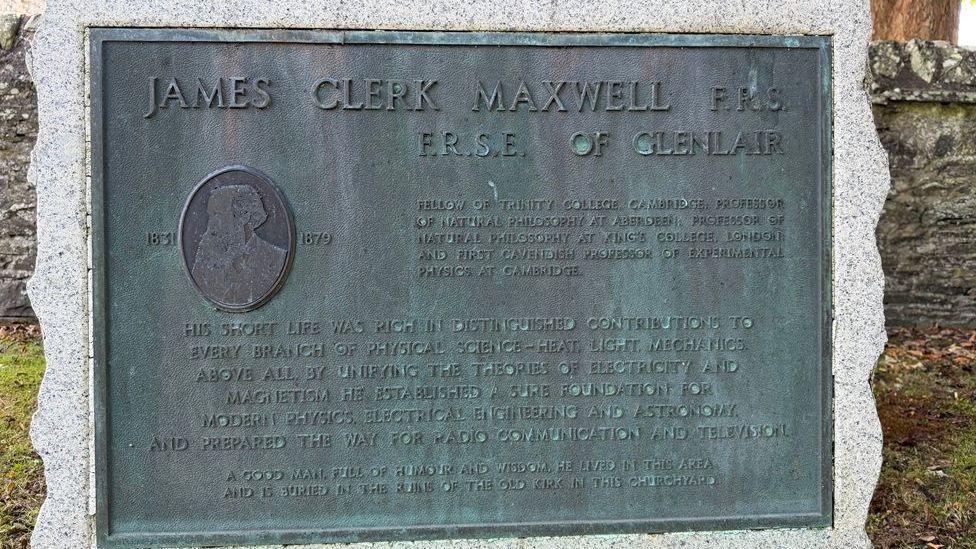
Maxwell was born in Edinburgh in 1831 but relocated to Galloway during childhood, developing his scientific interests in the region. His theoretical framework for electromagnetic radiation became foundational to modern physics and is credited with paving the way for Albert Einstein's special theory of relativity. After a career in Cambridge, where he died in 1879, Maxwell was returned to Parton for burial. A plaque at the church commemorates his connection to the village and his scientific legacy.
Key Facts
- The Parton community has raised £50,000 of a £70,000 target needed to purchase the church and fund urgent repairs
- The Church of Scotland granted the community exclusive purchasing rights until 1 November 2026, after which the property would be offered for general sale
- James Clerk Maxwell's electromagnetic theory underpinned the development of radio, television and mobile phone technology
- Over 1,000 supporters from around the world have contributed to the fundraising campaign since early October 2026
- Plans to convert the building into a science and community centre will be developed through public consultation if the purchase is completed