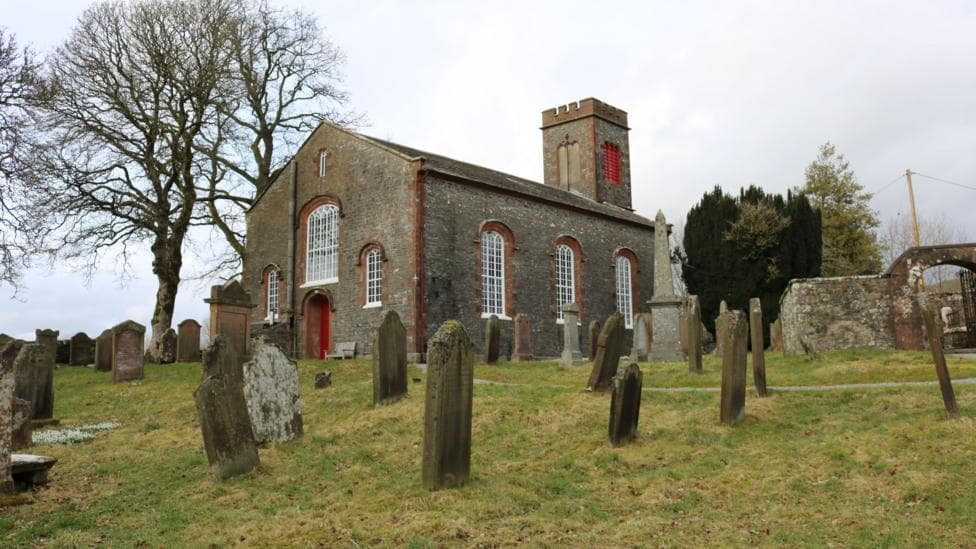
A fundraising campaign has begun to secure a south of Scotland church connected to James Clerk Maxwell, the 19th-century physicist whose discoveries underpinned modern wireless technology. The Parton community faces a tight timeline, with just under 60 days remaining before a 1 November 2026 deadline to complete the purchase or risk losing the building to the open market.
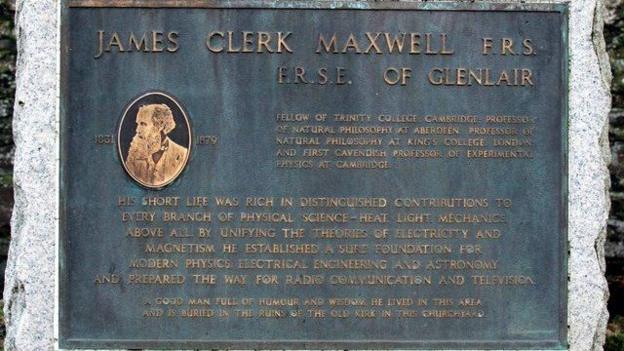
Maxwell, whose theoretical work on electromagnetic radiation laid the foundation for mobile phones, radio and television, is buried in the church graveyard. The village hopes to raise £70,000 to acquire the building and stabilise its condition while developing plans to convert it into a science and community centre honouring his legacy and contributions to physics.
Following a public meeting held on 28 August 2026, the Parton Community Council voted to proceed with the acquisition and established a steering group alongside a dedicated fundraising page. According to local reporting, the Church of Scotland has granted the community exclusive rights to purchase the kirk until the November deadline, with DM Hall valuing the property at £50,000 in July 2026.
Why does this matter to the region?
The project extends beyond preserving a single building; it represents an opportunity to create a visitor-focused science centre celebrating Maxwell's life and work while supporting the economic resilience of rural Dumfries and Galloway. A feasibility study commissioned by the community council determined that the site could function effectively as a visitor centre exploring Maxwell's scientific achievements and his formative years in the region.
Community Council Chairman Paul Hodson expressed cautious optimism about meeting the fundraising target.
"Several individuals and families in the village have already pledged to donate. So we are hopeful that with wider help we will be able to meet our target, however the deadline of 1 November gives us less than 60 days to do so."

He outlined the broader implications of success:
"If we do manage to secure the building this will give us hope that the project to celebrate the life and work of this great scientist can become a vibrant centre and help reverse the slow rural decline of communities like ours and provide a boost for the whole region."
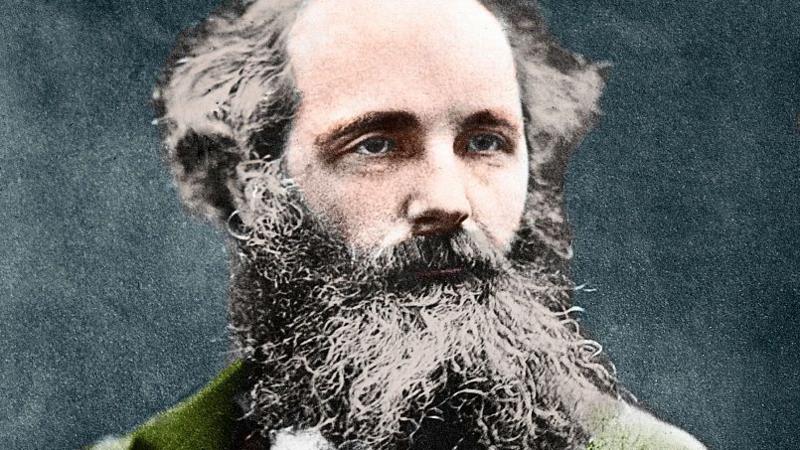
Who was James Clerk Maxwell?
Maxwell was born in Edinburgh in 1831 and relocated to Galloway during childhood, developing formative connections to the region that would shape his identity. His theoretical framework for electromagnetic radiation originated entirely from his work and is widely recognised as providing the conceptual foundation upon which Einstein later built his special theory of relativity. He spent much of his career at Cambridge University, where he died in 1879, but chose to be interred in his adopted community of Parton rather than remain in England.
What support exists for the project?
The James Clerk Maxwell Foundation has publicly endorsed the community's efforts, lending institutional credibility to the initiative. The Church of Scotland's approach to redundant buildings has historically favoured community stewardship; last year, nearly one-third of all church properties sold by the denomination transferred to community groups rather than private buyers. Sale proceeds from such transactions are retained to support newly-formed congregations and fund maintenance and development of other buildings within the church's portfolio.
What happens next?
The community must complete the purchase by 1 November 2026 to secure the property under the current agreement. If the fundraising target is not met by that date, Parton Kirk will be placed on the open market, potentially ending the community's opportunity to acquire it. Additional details regarding the fundraising strategy and campaign progress were expected to emerge following the August public meeting.
The initiative reflects a broader pattern across rural Scotland, where communities are increasingly taking ownership of historic buildings to preserve them and create economic anchors for their regions. Success at Parton Kirk could demonstrate a viable model for other villages seeking to honour local heritage while addressing rural decline.