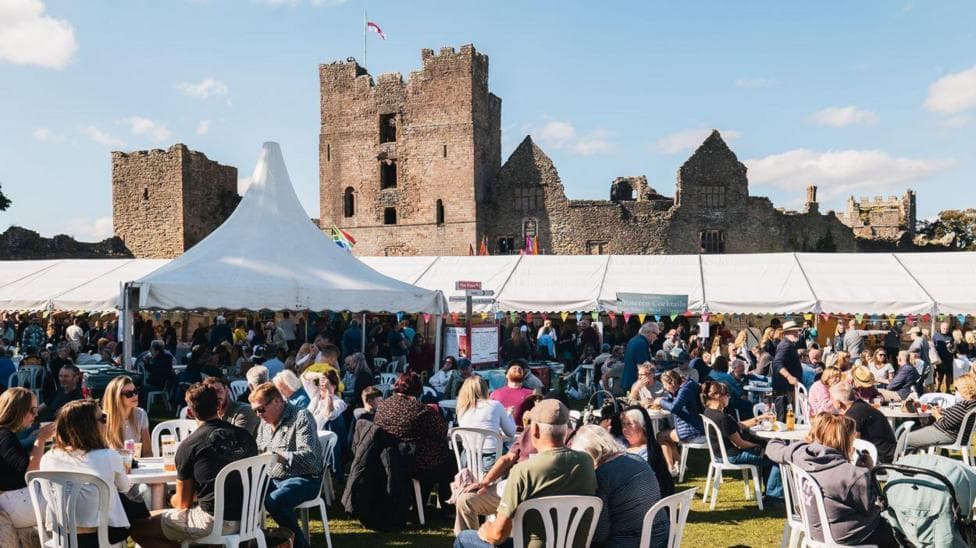
Organisers of the Ludlow Food Festival have warned that the event cannot continue in its current format unless visitor numbers increase significantly. The festival, entering its 32nd year, faces mounting financial pressure from rising costs, economic headwinds, and rapid technological change, according to the Ludlow Marches Food and Drink Board of Directors.
The three-day event will run from 11 to 13 September at Ludlow Castle and will feature more than 100 food and drink exhibitors alongside workshops, musicians and entertainers. The festival's official site lists the 2026 dates and describes it as a celebration of the Marches' food and drink, with attractions including a food theatre, cookery school, and children's food workshops.
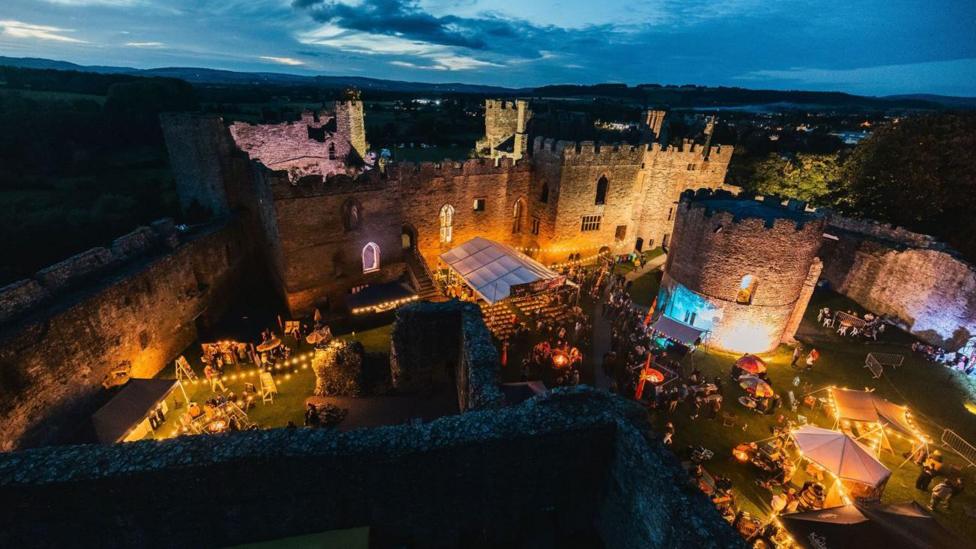
In a statement, the board said:
Whilst this year's September festival could be the best yet... rising costs mean that this could be the last one in the current format unless we see more people through the castle gates.
The organisation operates as a not-for-profit entity, relying heavily on volunteer labour alongside a small paid staff. The board acknowledged that the festival had
weathered the worst economic downturn since the Great Depression and re-emerged after Covid, but now stands at a cross roads.
How has the festival adapted in recent years?
During the pandemic, the festival shifted to an online format and launched an emergency fundraising campaign, needing to raise £40,000 by December 2020 to avoid closure. The event survived that crisis and was rebranded in 2024 as the Ludlow Marches Food and Drink Festival, reflecting its broader regional identity beyond the town itself. Ludlow Castle's event listing now describes the festival as a celebration of the Marches' food and drink heritage, positioning it as a regional draw rather than a purely local attraction.

The financial difficulties facing Ludlow Food Festival reflect broader challenges affecting UK cultural events. The Red Rooster Festival in Suffolk was cancelled in 2026 due to reduced ticket sales and rising costs, while Northern Ireland's Stendhal Festival has faced similar financial pressures, prompting organisers across the country to reconsider their operational models.
What new attractions are being introduced?
Several fresh features have been added to draw larger crowds this year. These include the food theatre, an expanded cookery school, dedicated food workshops for children, and a new soundtrack stage. A travel operator listing for the 2026 festival notes it will feature over 100 food and drink producers, predominantly from Shropshire and the Welsh Marches.
Why does this festival matter to the region?
The organisers emphasised the broader significance of the event beyond its three-day run.
These festivals are about much more than a weekend event. They support local producers, attract visitors to the town, generate significant economic benefits for businesses across the region, and help maintain Ludlow's reputation as one of Britain's great food destinations.The festival has become central to Ludlow's identity as a food tourism destination, drawing visitors from across the country and supporting the local food economy year-round.
The board's appeal to the community was direct:
If Ludlow Food Festival means something to you, this year is the year to support it.
What happens next?
The festival is scheduled to open on 11 September 2026 and run through 13 September. The success of this year's event will be critical in determining whether the festival can continue beyond 2026 in anything resembling its current form. Organisers have indicated that without a significant uptick in attendance, structural changes to the festival's format, scale, or operational model may become unavoidable.