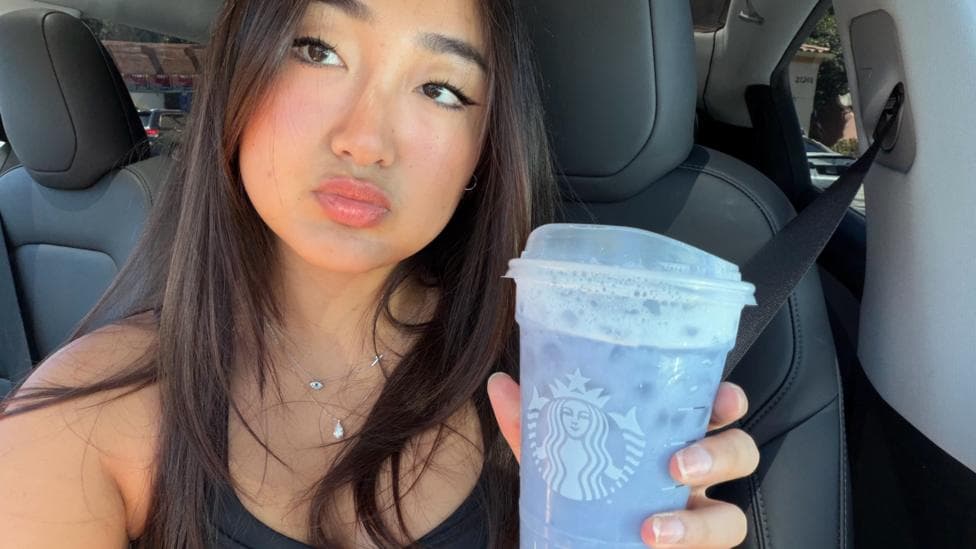
Elaine Ling divides her time between New York and California, but regardless of location, she avoids ordering coffee at Starbucks. Instead, she reserves visits to the chain exclusively for cold beverages, sourcing her actual coffee from independent local cafes.
I don't really like to go to Starbucks for coffee. I think their coffee is like too sweet. I'm more of a refresher girl when it comes to going to Starbucks.Ling, 21, explained her preference for the chain's chilled options over its traditional hot offerings.
What began as a coffee-focused business more than five decades ago has transformed dramatically. Starbucks now reports that three of every four beverages sold are served cold—encompassing iced fruity refreshers, protein-enhanced shakes, and so-called dirty sodas, which combine foam, syrups, and juices in customizable combinations.
Ling's consumption patterns reflect a broader shift among younger Americans. Generation Z consumers, defined as individuals born between 1997 and 2012, increasingly gravitate toward cold drinks they can personalize rather than conventional coffee preparations.
Why Cold Drinks Appeal to Younger Consumers
Younger customers view beverages as tools for self-expression and identity signaling, much like fashion choices. Tristan Höver, global insight manager for hot drinks at Euromonitor International, attributes this shift to how younger consumers approach consumption decisions.
Customisation gives them a sense of control,he explained. Gen Z demonstrates price sensitivity yet willingly pays premiums when drinks feel distinctive, oversized, or offer functional benefits.
Jerry Sheldon, an analyst at IHL Group, frames these preferences within a larger cultural transformation.
Cold drinks are a form of self-expression,he states, functioning as identity markers comparable to clothing or hairstyles.
Kelly Goldsmith, a Professor of Marketing at Vanderbilt University, offers another perspective on the phenomenon. Consumers are
not paying for what's in the cup, but what's on the cup,she suggests, comparing Starbucks' positioning to luxury handbag brands such as Louis Vuitton. This brand perception has enabled Starbucks to sustain elevated pricing for years.
How Social Media Amplifies Cold Drink Trends
Starbucks' limited-edition Unicorn Frappuccino exemplified the power of social media in driving cold drink adoption. The densely textured, brightly coloured blended drink featuring pink, blue, and purple swirls, finished with whipped cream and a crunchy topping, generated substantial buzz on TikTok during its three-day availability in August. According to Placer.ai, a data analytics firm, the drink's brief emergence lifted foot traffic at Starbucks by 44%.

Competing chains recognize the opportunity and are pursuing similar strategies. Dunkin' Donuts experiments with protein-enriched beverages and customisable cold selections, recently partnering with celebrities including Kylie Jenner to promote limited-time offerings. TikTok food-and-drink creator Natalie Ludwig, commanding more than 500,000 followers, has sampled Dunkin's cold drink portfolio.
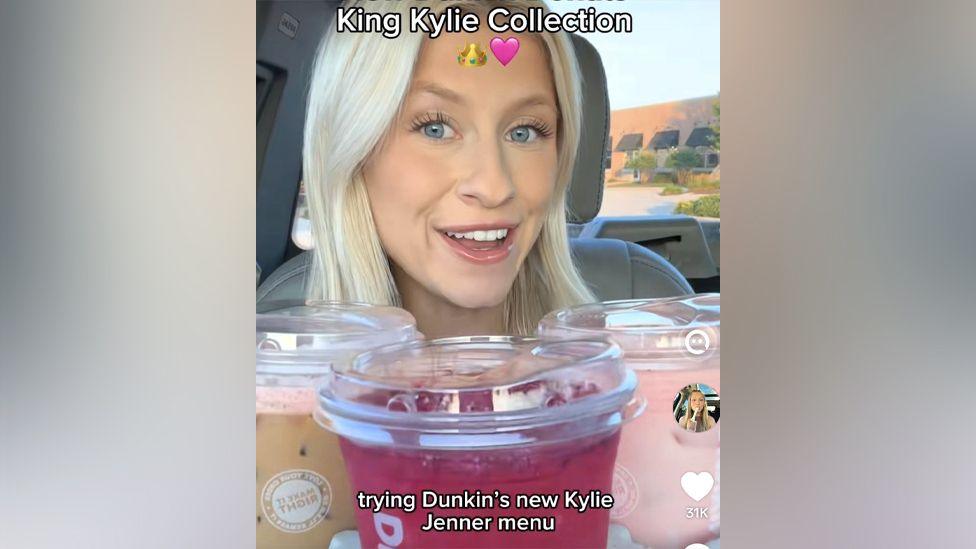
Ludwig observes that the Jenner collaboration represents Dunkin's effort to capture younger demographics, noting that successful campaigns could establish lasting loyalty among that audience segment. McDonald's, Chick-fil-A, and Taco Bell have similarly launched fruit-based refreshers, coffee-adjacent options, and non-caffeinated cold beverages targeting the same consumer group.
Is This Trend Limited to the United States?
Evidence from the United Kingdom indicates the preference for cold beverages extends beyond American borders. Isabella Reeve, a consumer insight director at Worldpanel by Numerator, reports that shoppers under 25 purchase more cold drinks than hot beverages when consuming away from home. Cold drinks account for over 60% of their beverage purchases, compared with just 30% among shoppers aged 55 and older. Rather than representing a seasonal phenomenon, cold drink consumption persists year-round, with more than 70% of consumers purchasing them throughout all seasons and over 80% doing so during summer months.
The Business Case for Cold Beverages
Tirtha Dhar, a marketing professor studying consumer choice at the University of Guelph in Canada, identifies cold drinks as a particularly profitable category for Starbucks. The
infinite personalisationavailable through foams, flavours, and protein additions generates margins that approach pure profit for the chain. Cold beverages have become instrumental in Starbucks' financial recovery following a period of sluggish sales, now representing more than 70% of its United States beverage sales—a transformation that anchors the company's strategic turnaround.
The Expanding Dirty Soda Market
The dirty soda category, once a regional curiosity originating in Utah, has evolved into a national phenomenon driven by customization and social media exposure. According to Al Jazeera reporting, the dirty soda market reached an estimated $1.1 billion in 2025 and is projected to expand to $2.6 billion by 2033. Research from Torani's 2026 consumer study found that awareness of dirty sodas among U.S. consumers increased from 56% to 75%, trial rates doubled from 21% to 42%, and 9% of respondents identified it as their favourite drink, up from 4% the previous year.
The trend's expansion reflects broader patterns in beverage consumption among younger adults. Reports indicate that reduced alcohol consumption among this demographic has driven demand for nonalcoholic alternatives including mocktails and other customizable beverages. Major fast-food chains have expanded specialty drink menus as the dirty soda trend continues accelerating through 2026.
Recent Product Launches and Upcoming Releases
Starbucks continues investing heavily in cold beverage innovation. The company brought back the S'mores Frappuccino for summer 2026 and introduced complementary offerings including a new S'mores Cold Brew and Iced S'mores Chai. Starbucks Rewards members received early access to these drinks on June 30, with nationwide availability commencing on July 1. Additionally, Starbucks unveiled its 2026 autumn lineup featuring several new iced beverages, including an iced chaider, further expanding the chain's cold-beverage portfolio.
PepsiCo has moved dirty sodas further into mainstream retail distribution. The company launched new products including Dirty Mountain Dew Cream Soda and MUG Root Beer Floats Vanilla Howler, scheduled for spring 2026 availability. These initiatives demonstrate how major beverage manufacturers are capitalizing on the customization trend that has captivated younger consumers.
Key Facts
- Three of every four drinks Starbucks sells are now cold beverages, a dramatic shift from its origins as a coffee shop.
- Gen Z consumers prioritize customization and self-expression through beverage choices, viewing drinks as identity signals comparable to fashion.
- The dirty soda market reached $1.1 billion in 2025 and is projected to grow to $2.6 billion by 2033.
- Cold drinks now represent more than 70% of Starbucks' United States beverage sales and have become central to the company's financial turnaround strategy.
- Younger consumers under 25 purchase cold drinks for over 60% of their away-from-home beverage consumption, compared with 30% for consumers aged 55 and older.