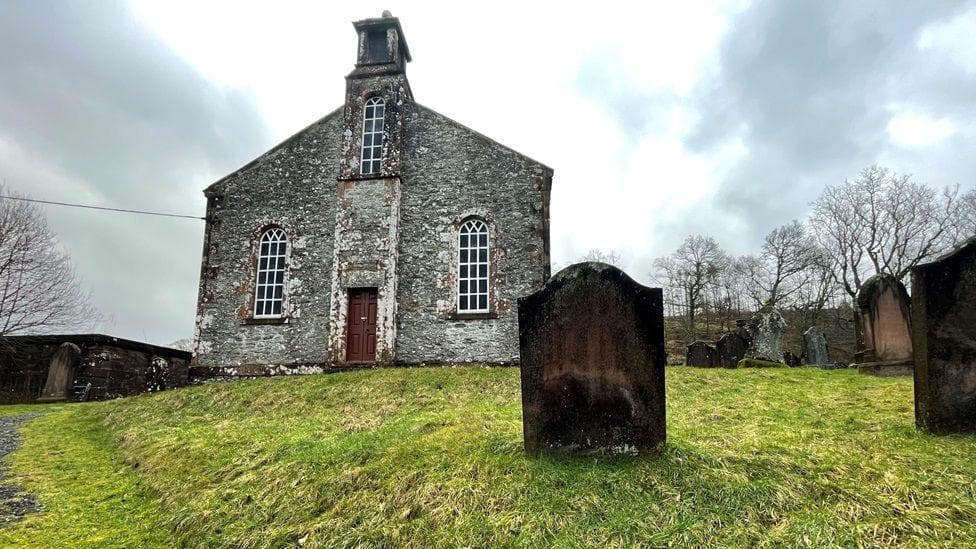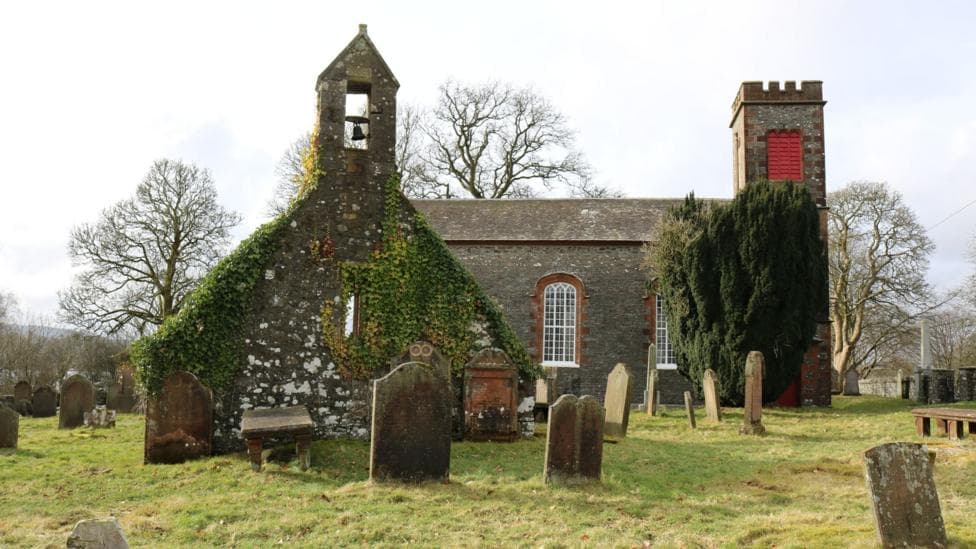
A small village in southern Scotland is racing against a November deadline to purchase a historic church that holds the grave of one of science's most influential figures, James Clerk Maxwell, whose discoveries laid the groundwork for modern communications technology.
Parton Kirk, situated roughly midway between Castle Douglas and New Galloway in Dumfries and Galloway, is no longer required by the Church of Scotland and faces being sold on the open market unless the local community can raise £50,000 by 1 November. The congregation has been given this window of opportunity to acquire the building before it becomes available to private buyers.
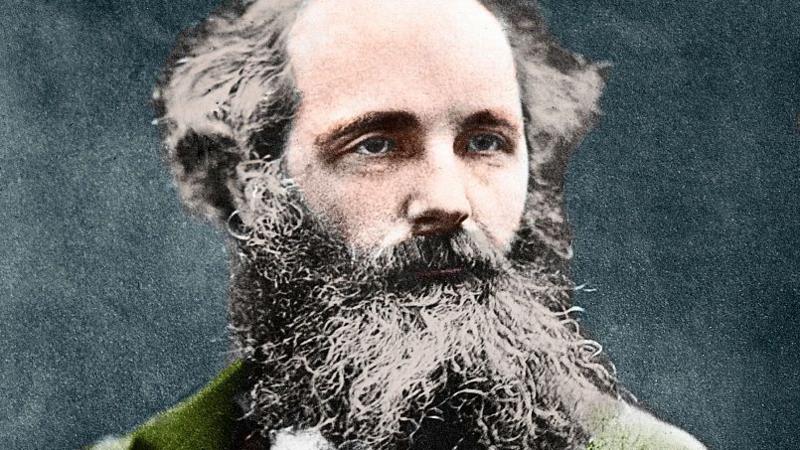
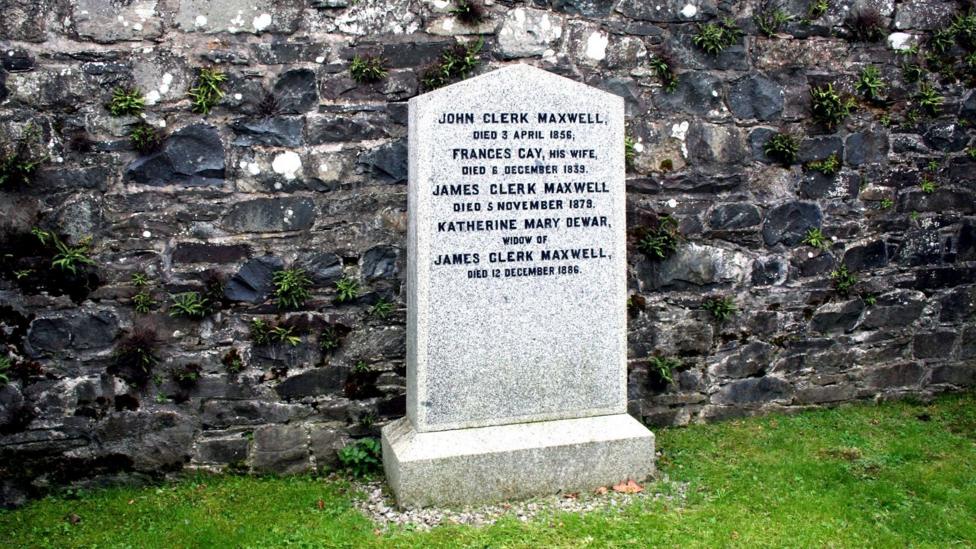
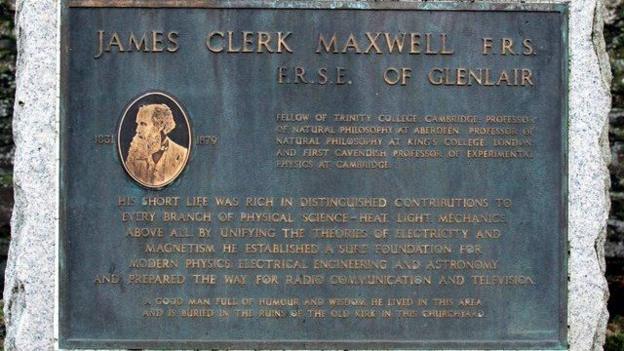
Maxwell, born in Edinburgh in 1831, moved to Glenlair in Dumfries and Galloway during childhood and went on to study at universities in both Edinburgh and Cambridge, where his exceptional scientific abilities quickly became apparent. He developed the theory of electromagnetic waves and formulated the mathematical equations to describe them—work that underpins all modern wireless communications, from mobile phones to radio and television broadcasts. Despite dying in Cambridge in 1879 at a relatively young age, he was buried in the churchyard at Parton, where his grave remains today.
Often referred to as "Scotland's forgotten Einstein," Maxwell's contributions to physics are foundational to later scientific breakthroughs. His concept of electromagnetic radiation is credited with paving the way for Einstein's special theory of relativity, yet he remains far less well-known to the general public than his more famous successor, largely because his life was cut short.
The local community council has been preparing for this moment for many years. Paul Hodson, who chairs the community council, explained that planning for the church's future began in 2008, when it became clear the building would eventually become surplus to the Church of Scotland's needs. A feasibility report was commissioned to explore potential uses for the site.
According to the James Clerk Maxwell Foundation, Parton Community Council has long been working to highlight Maxwell's life and legacy, and the feasibility study demonstrated the kirk's potential as a visitor centre focused on his life and the influence of the local area on his development as a scientist.

What is the proposed use for Parton Kirk?
The community's vision extends beyond simply preserving a building with historical significance. They aim to establish a Clerk Maxwell Science and Community Centre that would serve not only Parton residents but also contribute to a wider regional development of science education and tourism. Hodson stated:
We would like to see the building retained and put to use as a Clerk Maxwell Science and Community Centre as part of a wider regional development of the science offering and tourist route - rather than just for the Parton community itself.
Why is Maxwell's legacy important?
Hodson emphasised that the prominent 19th-century scientist deserves far greater recognition than he currently receives.
He's known as the father of modern science. He developed the theory of electromagnetic waves and he came up with the mathematical formula to explain them. So all our modern communications are based on Clerk Maxwell's work. He died young - so that's why we don't remember him in the same way that we do Einstein - but all the later physicists' works are based on Maxwell's foundations.
What happens next?
A public meeting is scheduled for 28 August in the village to assess the level of local support for the development plan. If sufficient backing emerges from residents, the community council will launch a formal fundraising campaign to secure the necessary £50,000 before the 1 November deadline.
Hodson stressed that community will and commitment are more important than financial resources alone.
We have to start with a will. It's never about the money - I think if you have the will, you can move mountains, and the money will come. But without that will, we might as well stop at this stage.
A Church of Scotland spokesman confirmed that the organisation had agreed to offer the community this opportunity and had set the 1 November deadline for the fundraising target.
Failing this, Parton Kirk, which is currently still in use as a place of worship, will be placed on the open market. The congregation of Parton Kirk is now part of new union of churches known as Galloway Dee linked with Glenkens, which is in the process of preparing to call a new minister.
How common is this situation across Scotland?
Parton Kirk is one of many church buildings across Scotland and beyond that have become surplus to the Church of Scotland's requirements. However, the organisation has shown willingness to work with communities seeking to preserve these structures. Last year, nearly a third of all church buildings sold by the Church of Scotland went to community groups rather than private developers. The sale proceeds from these transactions are retained for the benefit of newly formed congregations to help cover the costs of maintaining, refurbishing and developing other buildings they own.
This approach reflects a broader pattern in Scotland of communities fighting to save historic buildings. A community campaign in southern Scotland recently secured £45,000 to purchase a historic 19th Century church, preventing it from being sold to private owners, demonstrating that determined local efforts can succeed in preserving buildings of cultural and historical importance.