
Actress Blake Lively has recovered $407,451 in legal expenses from her legal battle with former co-star Justin Baldoni, though this represents a substantial reduction from the $8 million (£6.9 million) she initially sought to reclaim for attorney fees and case costs tied to defending against his defamation countersuit.
The dispute originated when Lively filed suit against Baldoni, who both starred alongside her and directed the 2024 film It Ends With Us, alleging sexual harassment and retaliation. Baldoni subsequently countersued, claiming defamation. A federal judge dismissed his defamation complaint in 2025, clearing the path for Lively to seek recovery of her legal expenses under a California statute designed to shield sexual harassment accusers from retaliatory litigation.
According to reporting on the court decision, U.S. District Judge Lewis J. Liman in Manhattan issued the award on 26 August 2026, breaking down the total into $363,245.40 in attorneys' fees and $44,206.35 in costs. Lively's legal team had originally requested $7.5 million to cover lawyer time and an additional $540,000 (£460,000) for other expenses.
The judge determined that Lively's fee request was overly broad and included work that extended beyond the specific defamation defense. In his ruling, the judge stated she had taken a "blunderbuss approach" to calculating billable hours and had improperly sought reimbursement for expenses intertwined with the wider legal dispute rather than confined to countering Baldoni's defamation claim.
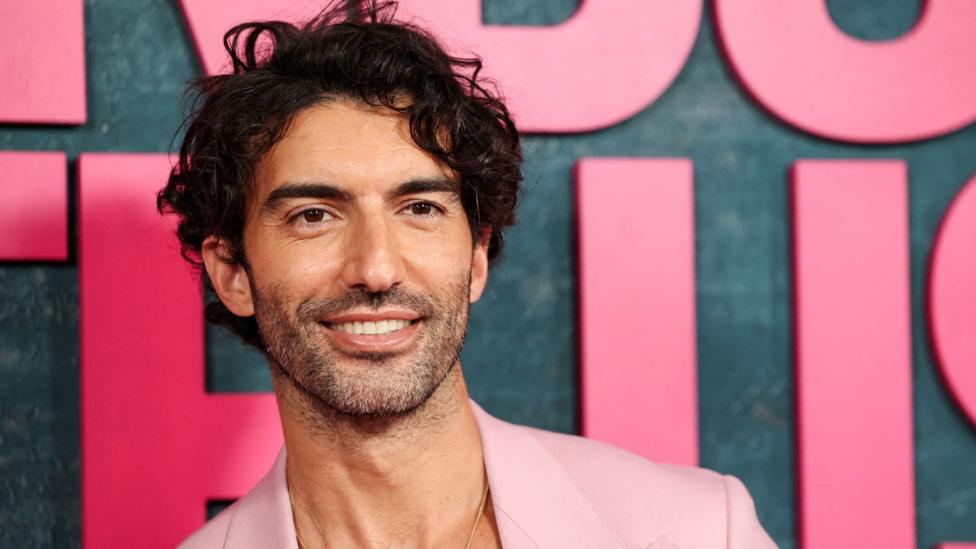
Baldoni's attorney Bryan Freedman characterized the outcome as vindicating his client, stating:
The ruling is a significant victory for my clients and sends a clear message that, no matter how powerful you may be, the courtroom is not a place to take advantage of the law for your own personal gain.
Lively's legal representatives framed the decision differently, emphasizing its precedent-setting nature. They released a statement asserting:
This first-ever award of fees and costs under this California law is historic, and demonstrates that there are real consequences of bringing retaliatory lawsuits. As we have said from day one, Blake Lively's case was never about money – it was about accountability.

The California Law at the Center of the Case
The fee award marked the first successful application of California's Section 47.1 in federal court, a statute enacted in 2023 specifically to deter defendants from filing defamation suits against individuals who have accused them of sexual harassment. Legal analysis of the precedent indicates the ruling establishes important protections for accusers facing retaliatory litigation, though courts retain discretion to limit awards when requests appear excessive or poorly tailored.
How the Dispute Unfolded
The legal conflict between Lively and Baldoni intensified throughout 2025 and into 2026. In the initial phase, the judge dismissed substantial portions of Lively's harassment allegations. Subsequently, the two parties negotiated a settlement to resolve the remaining claims, bringing the active litigation to a close before the fee dispute proceeded to resolution.
According to court filings and legal reporting, Lively's original fee request had encompassed work performed from January through June 2025, a period spanning the most intensive phases of the defamation defense. The judge's analysis focused on distinguishing between hours legitimately devoted to defeating the countersuit and those addressing the broader harassment allegations and retaliation claims.
Baldoni maintained throughout the proceedings that he had neither engaged in harassment nor orchestrated any campaign to damage Lively's reputation. His legal team argued that the fee request itself exemplified the kind of overreach the defamation suit was meant to challenge.
Significance of the Award
The decision carries implications beyond the immediate dispute. Legal observers note that the award demonstrates courts will enforce California's anti-SLAPP-adjacent protections, though judges will scrutinize fee requests to ensure they remain proportionate to the actual defense costs incurred. The ruling suggests that while accusers can recover legal expenses when defending against retaliatory suits, they cannot use the statute as a vehicle to recoup all litigation costs from a broader dispute.
Both parties claimed vindication from the outcome, reflecting the contested nature of the underlying facts and the different lenses through which each side interpreted the judge's decision. For Lively's team, the award—however reduced from the request—represented judicial recognition that Baldoni's countersuit was retaliatory and that she was entitled to some recovery. For Baldoni's representatives, the substantial reduction signaled judicial skepticism toward the original claim and reinforced their position that the harassment allegations lacked merit.