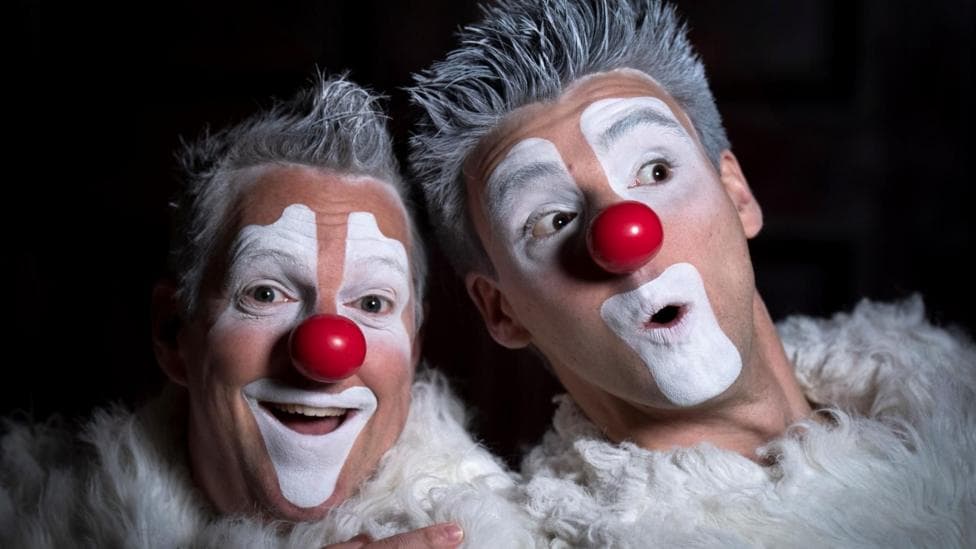
The Edinburgh Festival Fringe concluded its 2026 run with 2.8 million tickets issued across performances, representing an 8% increase from the previous year and demonstrating sustained audience appetite for the world's largest uncurated theatre festival.
By 11:30 on Monday, 31 August, the final day of the event, organisers had recorded 2,805,395 tickets sold or distributed free. The festival also achieved a new single-day attendance record on the second Saturday in August, when more than 164,000 tickets were issued—surpassing the previous peak of 1% higher than Saturday, 17 August 2019.
Running across 25 days from 7 to 31 August, the Fringe presented approximately 4,232 shows originating from 77 countries, with 61,277 performances staged at 306 venues. According to the official Fringe programme, the 2026 schedule included 3,649 shows, of which 691 operated on a pay-what-you-want or pay-what-you-can basis, ensuring accessibility for diverse audiences. The average ticket price stood at £13, with 430 shows offered entirely free of charge.
Performances explored contemporary themes spanning artificial intelligence, cults, the manosphere and global conditions. The event drew the highest number of accredited journalists in its history, with over 1,090 media professionals from 30 countries in attendance.
How did street performance contribute to the festival?
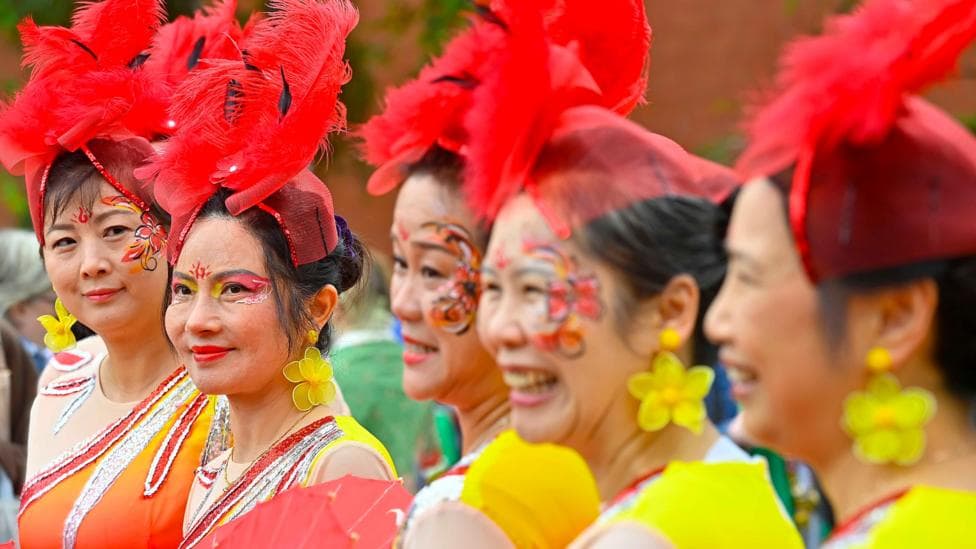
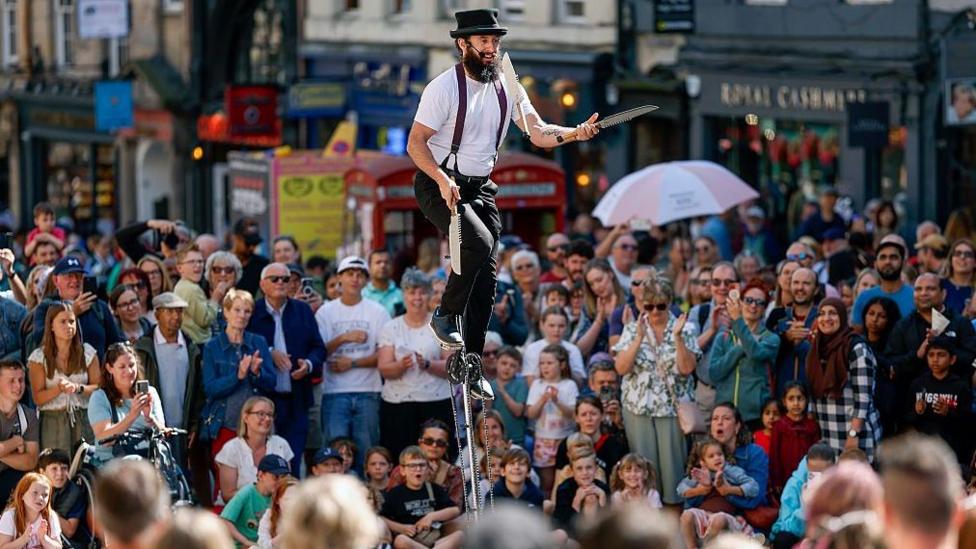
Street performance remained a significant component of the Fringe experience. A total of 334 street performers, buskers and street artists performed across the Royal Mile and Mound Precinct as part of the Fringe Street Events programme, with daily performances running from 11am through August 30.
What challenges did the festival face this year?
Despite the strong attendance figures, some performers raised concerns about the timing of this year's event. The later start date meant that schools in Scotland returned to session only days after the combined Edinburgh festivals began, potentially affecting family attendance and creating scheduling difficulties for artists with school-age children.

What did festival leadership say about the results?
Tony Lankester, chief executive of the Edinburgh Festival Fringe Society, emphasised the festival's enduring role as a platform for emerging talent.
The Edinburgh Festival Fringe continues to be the world's best platform for artists at any stage of their career to showcase their work to global audiences.
Lankester referenced remarks from comedian Richard Gadd, whose work gained international recognition following his Fringe debut.
As Richard Gadd put it so eloquently – the Fringe remains the only place where someone can arrive with an idea and leave with a career.
Acknowledging the festival's 79-year history, Lankester highlighted the creative commitment underpinning the event.
For 79 years, the Fringe has thrived because of the creativity, grit and resilience of the Fringe community. There quite simply would be no Fringe without artists and the risks they take.
The chief executive noted that affordability remained a central concern for all stakeholders.
This year was no different, and while there are many divergent opinions; what we all agree on is the need to keep the Fringe affordable for artists, venues and audiences - protecting its reputation as a global marketplace.
Looking ahead to the festival's 80th anniversary, Lankester called for reflection on the event's future direction.
As we look to the festival's 80th anniversary, it's appropriate that we reflect on what we want the Fringe to be, and how we preserve Edinburgh's reputation as a world-class festival city. That's the challenge but also the opportunity – and we urge all stakeholders to make the most of it.
What happens next?
The 2027 Edinburgh Festival Fringe will run from 6 to 30 August. The Fringe Society operates the Half Price Hut, offering same-day discounted tickets, and maintains a box office at 180 High Street for in-person and telephone bookings, with 24-hour online ticketing available through edfringe.com and the Fringe mobile application.
The strong 2026 performance reflects broader momentum in Edinburgh's festival calendar. Recent analysis of Edinburgh's summer festivals found ticket prices have fallen in real terms over a decade, though accommodation costs have risen significantly, continuing to shape the economics of festival attendance for both visitors and performers.
Key Facts
- 2.8 million tickets were issued during the 2026 Fringe, an 8% increase year-on-year
- The festival presented 4,232 shows from 77 countries across 306 venues over 25 days
- A record single-day attendance of 164,000 tickets was achieved on the second Saturday in August
- 334 street performers participated in the Fringe Street Events programme on the Royal Mile and Mound Precinct
- Over 1,090 accredited journalists from 30 countries attended, the highest number in the festival's history