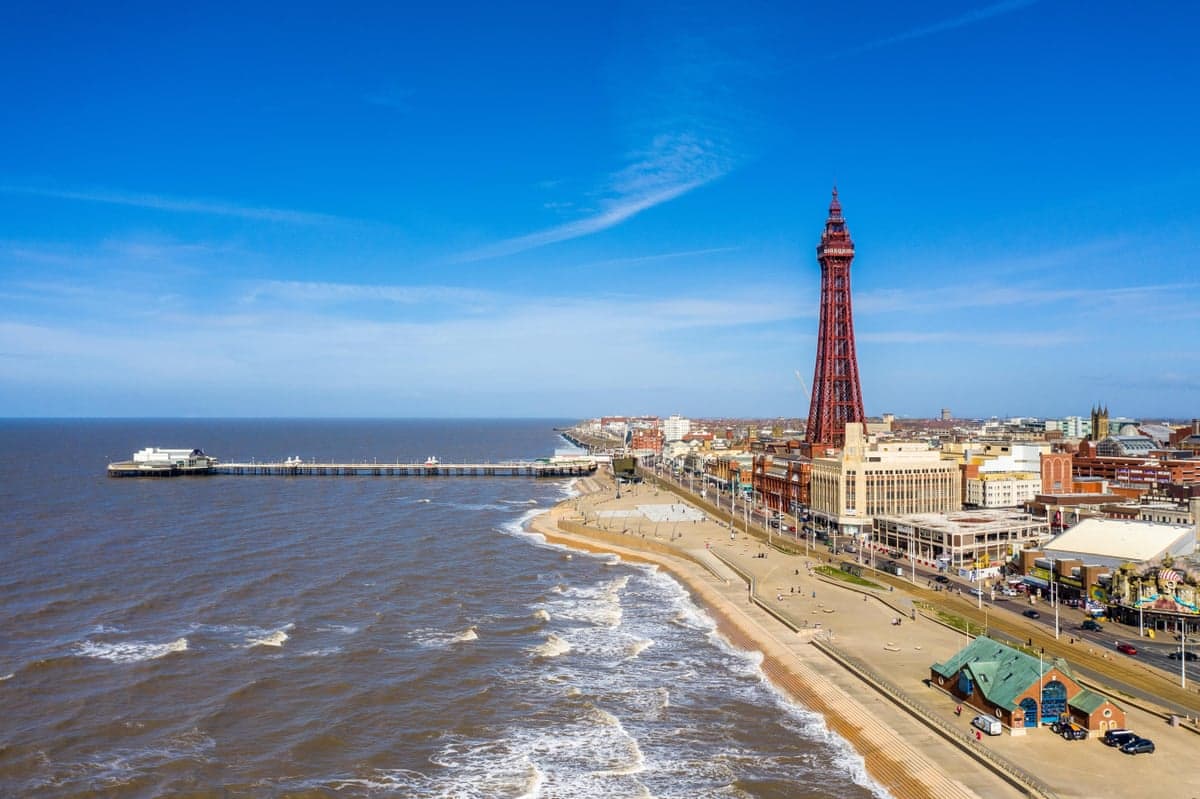
Four cities have advanced to the final stage of competition to become the UK's city of culture for 2029, an honour designed to stimulate local economies, strengthen community identity and celebrate creative achievement. According to The Guardian, Blackpool, Sheffield, Milton Keynes and Wrexham were selected from a longlist of nine contenders. Each shortlisted city will receive £125,000 to refine its proposal, with the winning city announced in early 2027.
The victor will gain access to a further £10 million in funding to deliver the cultural programme that has historically characterised the award—a succession of events, exhibitions and initiatives that generate employment, expand arts participation and attract visitors. Previous holders of the title—Derry in 2013, Hull in 2017, Coventry in 2021 and Bradford in 2025—have all reported that the designation produced substantial and enduring benefits for their communities.
This year's competition marks a significant shift in the scheme's scope. The 2029 competition is the first to invite city regions to bid, broadening the geographical and administrative reach of the award.
Why is Wrexham considered a frontrunner?
Wrexham entered the shortlist as the bookmakers' favourite, buoyed by its recent prominence in the global media spotlight. The Welsh city's football club has become the subject of international attention following its acquisition by actors Ryan Reynolds and Rob McElhenney, generating substantial international interest and raising the city's profile worldwide.
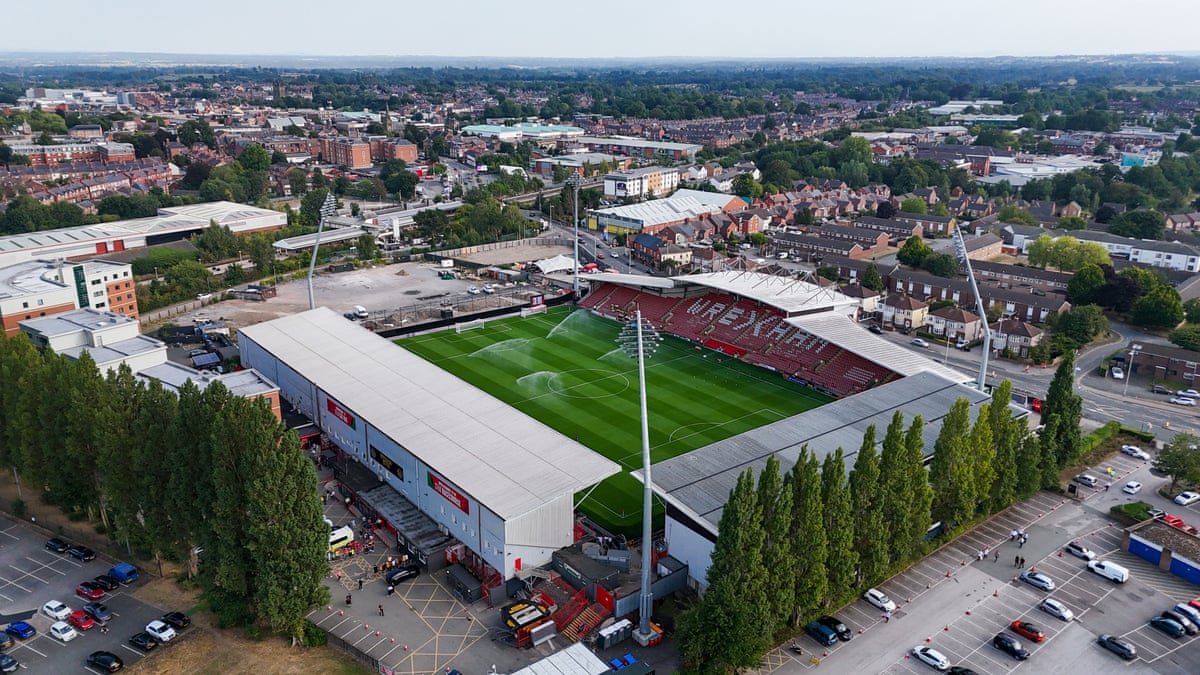
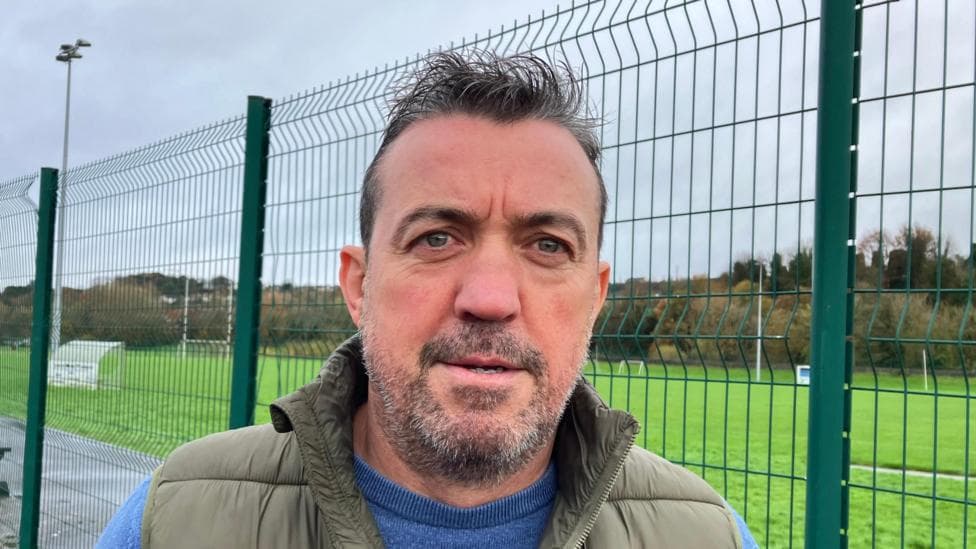
Mark Pritchard, leader of Wrexham council, described the shortlist announcement as
fantastic news, emphasising that
we're on the map and on the up. He acknowledged that Wrexham continues to grapple with significant socioeconomic disparities but argued that
winning this competition would be another step towards overcoming those challenges, building confidence in our communities and showing the world what Wrexham is truly about.
What makes Blackpool's bid distinctive?
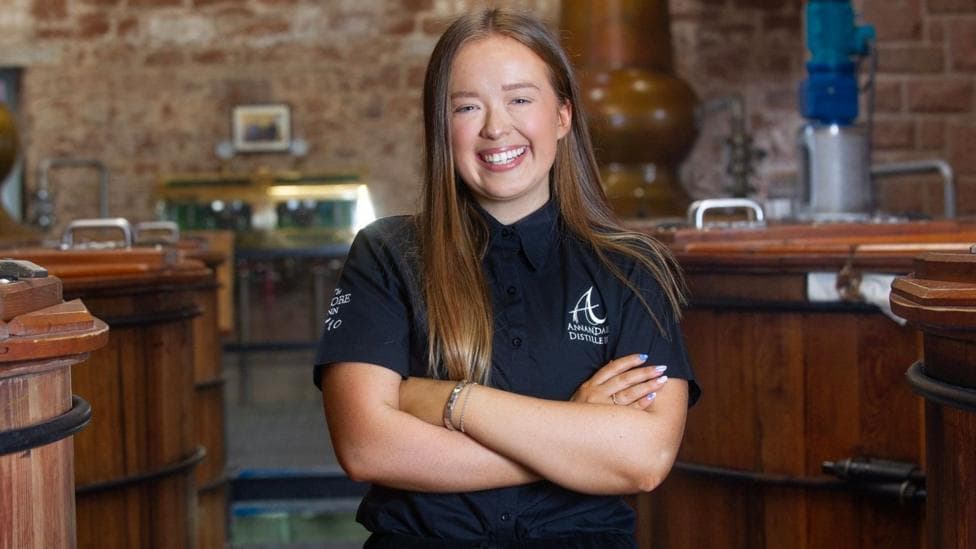
Blackpool is pursuing the prize as the first seaside resort to do so, positioning its entertainment heritage as a defining asset. Lynn Williams, the council leader, characterised the town as perpetually evolving and rooted in working-class cultural values. She stated:
Blackpool has been entertaining people for generations and now we have the chance to show the country exactly what our town is made of. It is proud, working-class culture that has always been about bringing people together, having fun and making something happen. We have always been a town that entertains the country and there is nowhere quite like Blackpool.
How does Milton Keynes challenge its public image?
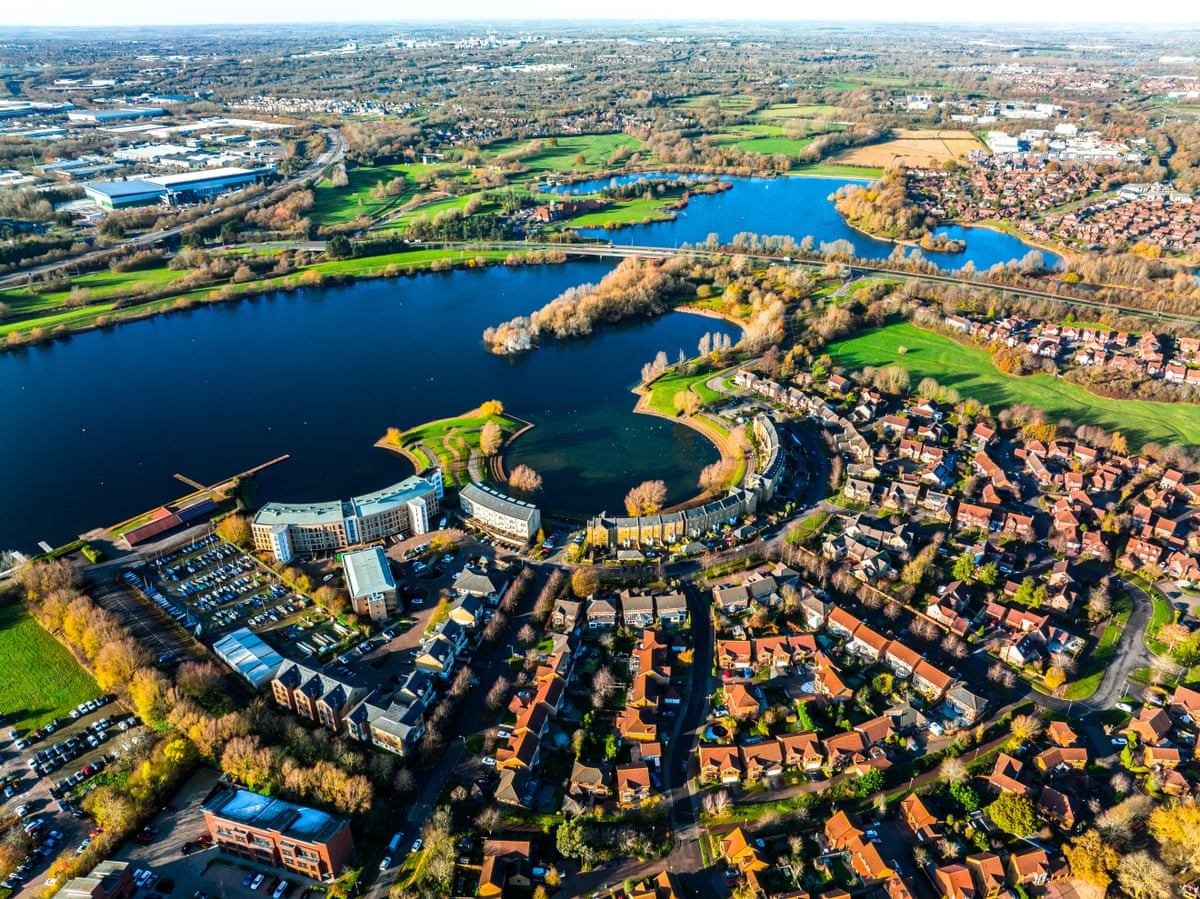
Milton Keynes confronts widespread perceptions that it lacks cultural substance, often dismissed as a sprawl of utilitarian architecture and traffic infrastructure. Jane Carr, leader of Milton Keynes council, acknowledged this stereotype while pushing back against it in an interview with BBC Radio 4's Today programme. She said:
We do still have concrete cows and, yes, we do have a lot of roundabouts – but I think that there is more to us than that. We've got an amazing amount of homegrown talent. We've got our own orchestras. We've got lots of performing artists. We have an international festival every two years … we want to develop and move forward.
What is Sheffield's cultural foundation?
Among the four shortlisted contenders, Sheffield possesses perhaps the most recognisable artistic pedigree. The city's cultural credentials span electronic music innovation, the band Pulp, Arctic Monkeys and the largest theatre complex in England outside the capital. Sheffield's bid drew on contributions from 1,400 people and proposes increased investment in Sheffield Museums and the Events Central cultural industries hub.
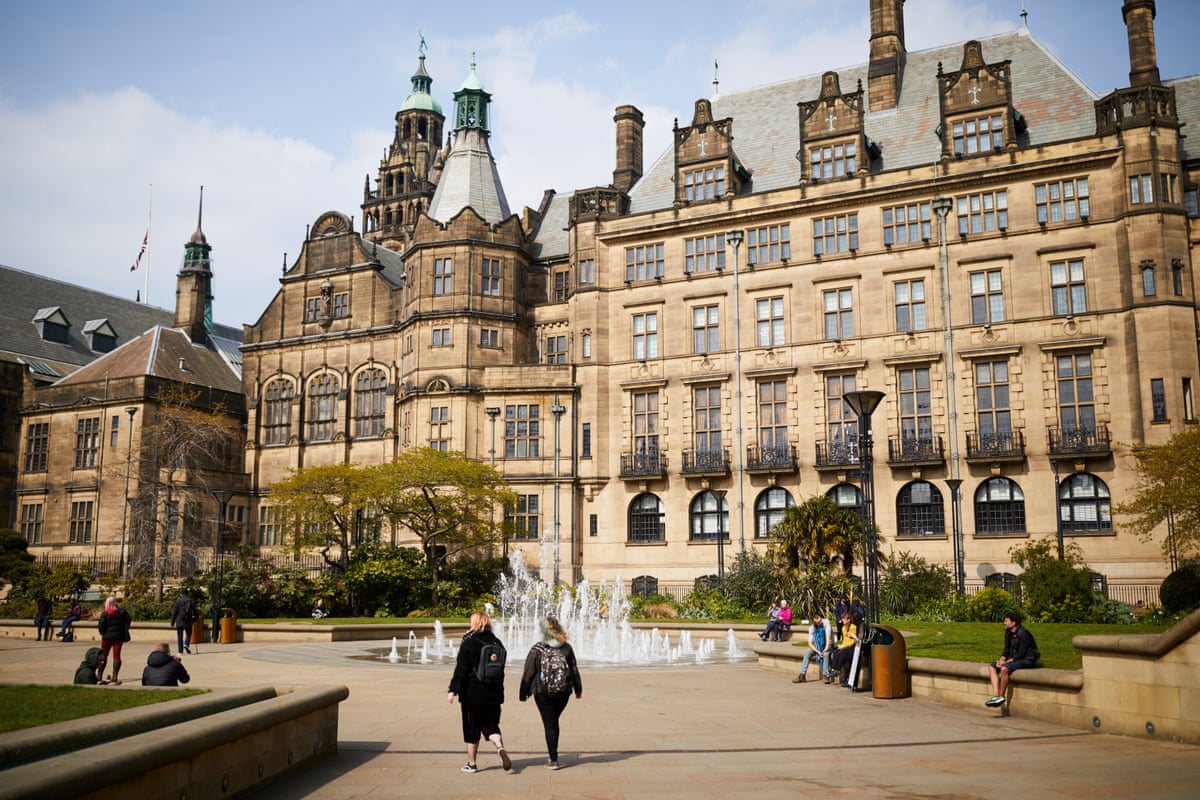
Fran Belbin, leader of Sheffield city council, characterised the shortlist achievement as validation of the city's creative foundations. She said:
Sheffield is a city built on creativity, innovation and community spirit. From our world-renowned music heritage and vibrant independent arts scene to our festivals, libraries, theatres, museums, galleries and grassroots creativity, culture is part of who we are.
Which cities did not make the shortlist?
Five places were eliminated from the longlist of nine: Ipswich, Inverness, Middlesbrough, Portsmouth and Swindon. These cities had each received £60,000 during the earlier phase to develop their applications before the shortlist was announced.
Who will decide the winner?
An expert advisory panel, chaired by Sir Phil Redmond—the television producer and creator of Brookside and Grange Hill who oversaw Liverpool's European capital of culture year in 2008—will make the final recommendation. The shortlist was recommended by the expert advisory panel, with the Department for Culture, Media and Sport making the final shortlist decision.
Redmond observed that the four shortlisted places demonstrate the breadth and calibre of cultural ambition across the United Kingdom. He said:
Once again there is a hard choice ahead. The four places on the shortlist continue to demonstrate both the variety and strength of creative ambition across the UK. Each place represents a different view, or aspect, epitomising what culture is, the sum of all we do together, and while each approaches it differently, they all share the common aim of reminding the rest of the UK of who they are, where they are and why they are worth visiting.
What happens next?
The expert panel will conduct site visits to each of the four shortlisted cities and will receive final presentations from their representatives. The winner is expected to be announced in early 2027, allowing the successful city to begin planning and delivering its cultural programme in advance of the 2029 designation year.