Strictly Come Dancing returned on 17 October for week four, themed around iconic recording artists, with Emmerdale actor Lawrence Robb delivering a standout performance in his salsa to Ricky Martin's La Copa de la Vida. According to The Guardian's live coverage, Lawrence's energetic routine with pro partner Jowita Przystał marked a significant turning point in his journey on the show, earning him a total of 25 points from the judges.
The week saw 13 couples competing after Delta Goodrem was forced to withdraw due to injury. MyTelly reported that Goodrem received a bye through to the following week as she recovered from her rib injury sustained the previous Saturday.
How did Lawrence Robb transform his performance?
Lawrence's salsa represented a dramatic shift in energy and confidence compared to his earlier routines. The actor, who had previously admitted scepticism about Ricky Martin, embraced the Latin rhythm with neon outfits and raw, energetic choreography that featured knee slides and his first lifts with Przystał. The routine incorporated changes of Cuban rhythm, body ripples, kisses blown at the camera, and a flirty connection between the couple that judges found compelling.
Craig Revel Horwood noted that while Lawrence picked his feet up too much and telegraphed the lifts, it remained his strongest dance yet. Motsi Mabuse praised what she called the Lawrence the show needed, highlighting his great leading skills and lifts. Shirley Ballas commended his lateral hip swing, body work and improved fluidity, calling it a grand job. Anton Du Beke declared the performance spectacular and outstanding, with amazing lifts.
La Copa de la Vida, which translates as The Cup of Life, was commissioned by FIFA as the official anthem for the 1998 World Cup and topped charts in 30 countries.
What made Dani Dyer's rumba significant?
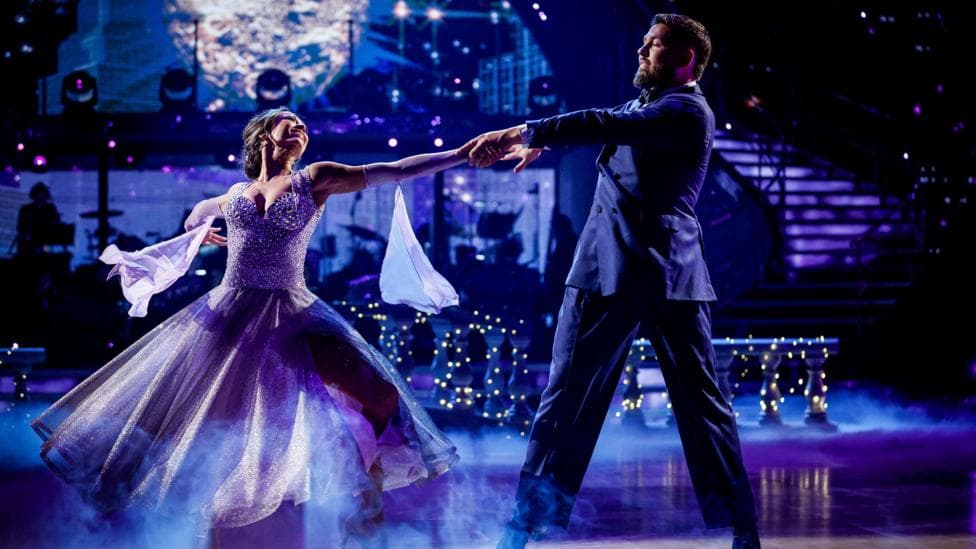
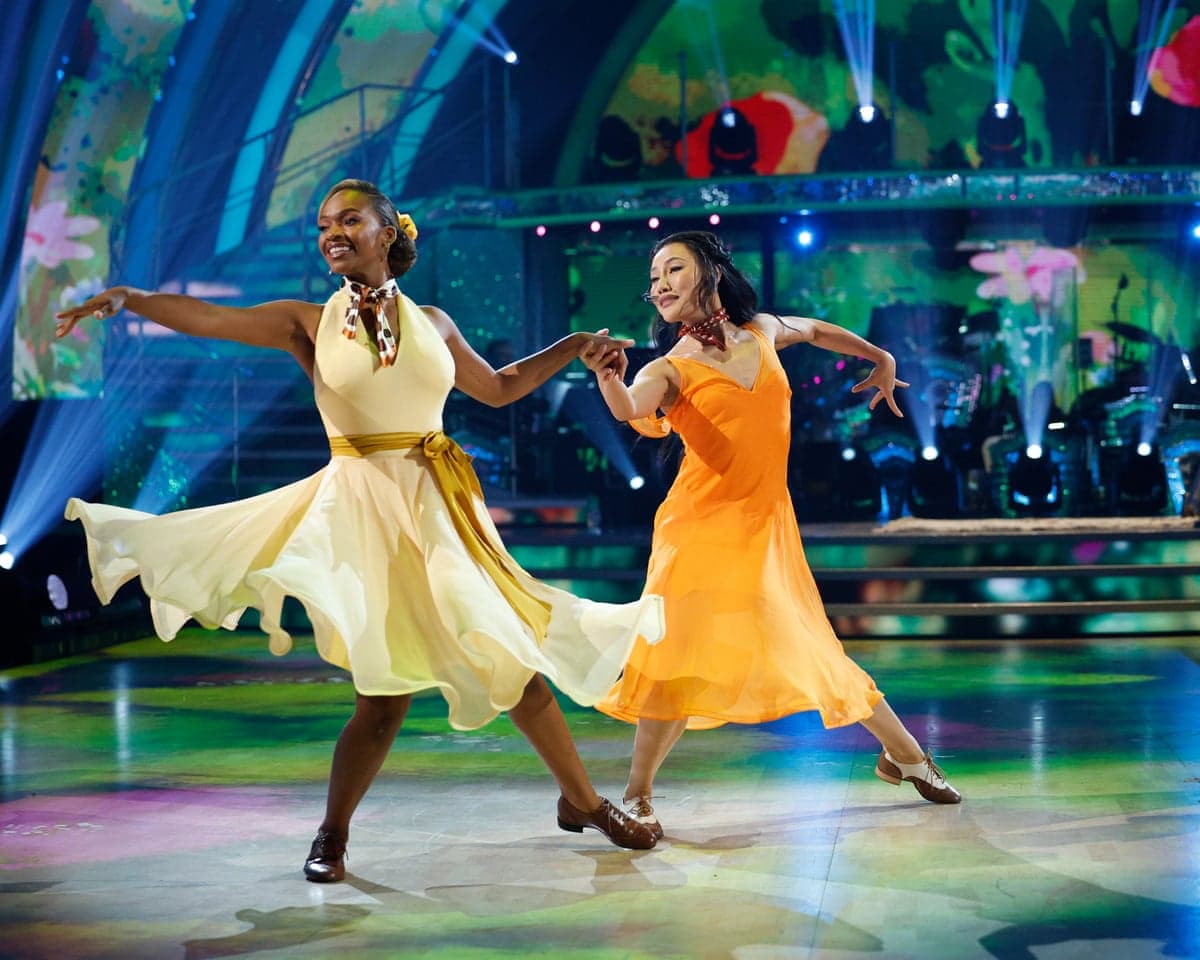
Television personality Dani Dyer performed the first female rumba of the series and only the second overall, following Lawrence Robb's routine the previous week. The notoriously challenging dance demands slow, controlled movement and exposes technical flaws, requiring Dyer and pro partner Nikita Kuzmin to focus intensively on stride, footwork and rumba walks in heels. Dyer had studied Kelvin Fletcher and Oti Mabuse's 2019 rumba performance for inspiration.
Dyer delivered a smouldering performance featuring a descent on a swing followed by sultry spins and steps. While judges felt the routine lacked some sensuality and continuous motion, they praised its controlled, connected quality and graceful arm extensions. The judges awarded scores of 6, 7, 8 and 8 for a total of 29 points, though some felt the higher marks were generous.
Motsi Mabuse said Dyer wasn't a little raisin but a big grape, though she wanted more flow. Shirley Ballas loved the continuous movement. Anton Du Beke welcomed Dyer back from week one, saying she suited the dance and performed it as though she loved it. Craig Revel Horwood noted an awkward moment and urged her to breathe and connect each step, but praised her good oval shaping, strength and power.
Dyer's routine was set to Hero by Mariah Carey. While writing the 1993 ballad, Carey initially disconnected from its style and sound, offering it to Gloria Estefan before later revising the lyrics to make it her own.
How did John Nellis fare in the paso doble?
Football content creator John Nellis took on the paso doble, a dance he had long wanted to perform, after topping the week-one leaderboard with his foxtrot. The routine featured leather and denim for a rocky aesthetic, while pro partner Katya Jones wore a skirt constructed from plaid checked shirts. The set included flaming amplifiers as Nellis wielded a guitar with sparks flying from it.
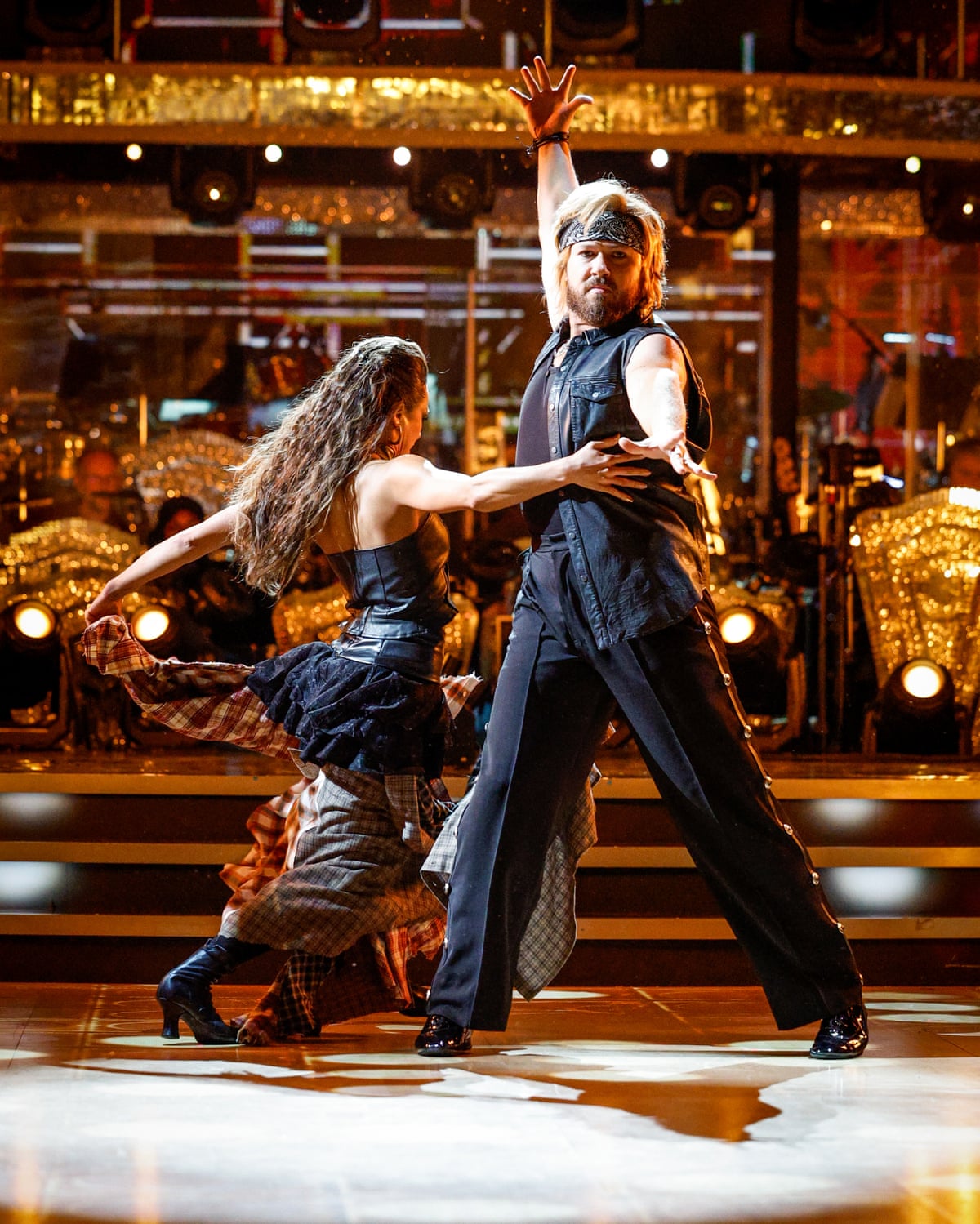
The performance began slowly, with Nellis embracing the dramatic character of the dance through big curved arms, dips and splits. However, excessive walking and footwork issues detracted from the overall impact, with some judges questioning whether the floor conditions affected his execution.
Motsi Mabuse praised Nellis's shaping and spine, using the metaphor that he was a big grape rather than a little raisin, though she wanted more flow. Shirley Ballas loved the continuous movement. Anton Du Beke welcomed him back from week one, saying he suited the dance and performed it with evident enjoyment. Craig Revel Horwood identified an awkward moment and urged him to breathe and connect each step, but acknowledged his good oval shaping, strength and power.
The routine was performed to It's My Life by Bon Jovi. The 2000 single includes the line For Tommy and Gina, who never backed down, a reference to the fictional blue-collar couple first mentioned in the band's 1986 hit Livin' On A Prayer.
What is the significance of Icons Week?
The BBC describes week four as Icons Week, with routines inspired by well-known recording artists. This theme shaped the song choices and styling across the evening's performances, allowing dancers to embody the personas and energy of their chosen artists.
How did the judges present themselves?
The judging panel made their entrance in elaborate fancy dress, with Craig Revel Horwood and Anton Du Beke dressed as the Gallagher brothers, Motsi Mabuse as Beyoncé and head judge Shirley Ballas as Lady Gaga. The presentation team also embraced the theme: Emma Willis wore a crisp white shirt and sparkly silver skirt, Josh Widdicombe appeared in beige tones, and Johannes Radebe wore a red tunic with wide trousers.
What happens next?
The week-four results show is scheduled for Sunday 18 October at 19:10 on BBC One, where one couple will be eliminated based on the combination of judges' scores and public voting. Before this week's competition, Delta Goodrem and Kai Widdrington had led the week-three leaderboard with 33 points, though Goodrem's absence this week reshapes the competitive landscape.