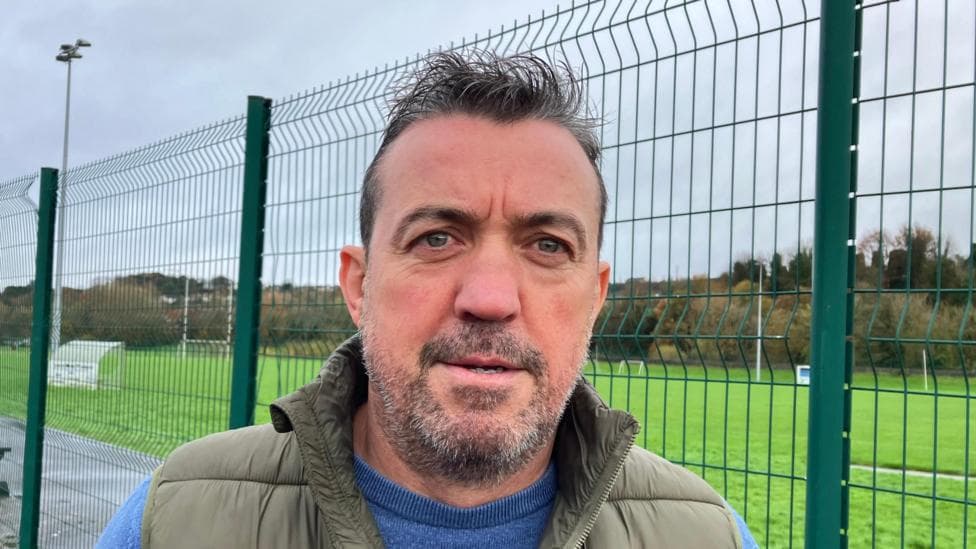
A political disagreement has emerged in Strabane, County Tyrone, over the town's bid to become the UK's inaugural Town of Culture, with one councillor objecting to the word "UK" in the competition title. According to BBC News, independent councillor Paul Gallagher has raised concerns that the terminology is problematic for him and some constituents in this predominantly nationalist community. The town is among 15 locations shortlisted for the Department for Culture, Media and Sport competition, which offers a top prize of £3 million.
Gallagher told BBC Radio Foyle's North West Today programme that while Strabane is "in dire need of investment", many of his constituents have reservations about participating in a competition framed around UK identity. He emphasised that the town's character is not only nationalist but Republican, and that this perspective must be considered in the bidding process. "Some people are stating clearly they will not be part of a UK culture bid, so, as an elected representative, I need to be cognisant of that," he explained.
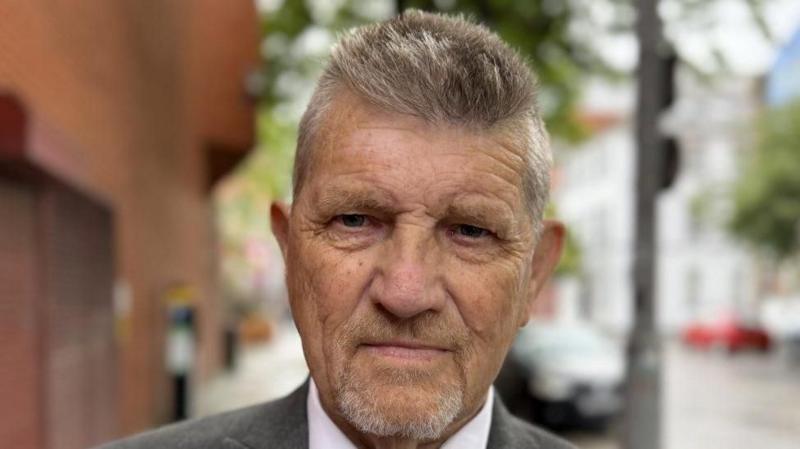
Ulster Unionist councillor Derek Hussey rejected Gallagher's position, arguing that it fails to acknowledge basic constitutional reality. "This is a question of accepting reality," Hussey stated. He referenced the Belfast Agreement, which he said resolved questions of sovereignty by allowing the matter to be revisited only if the population of Northern Ireland decides otherwise. Hussey contended that Gallagher's stance could be viewed as "isolating" for people of British identity in the area.
Hussey further argued that Irish identity and UK identity are not mutually exclusive. "I don't see why an Irish identity cannot be included within a UK Town of Culture because the United Kingdom covers a wide range of identities and nationalities," he said. "The UK has a multitude of cultures and this bid is a celebration of culture." He highlighted the financial benefits available to the winning town, noting that the top prize of £3 million would support the development of a year-long cultural programme.
What is the UK Town of Culture competition?
The UK Town of Culture scheme is a new initiative by the Department for Culture, Media and Sport, inspired by the success of the UK City of Culture competition, which was won by Londonderry in 2013. The government selected its shortlist from 398 bids, with each shortlisted location receiving £60,000 to develop its full application. The competition aims to celebrate towns and create lasting cultural legacies across the country.
Three towns will ultimately be selected as winners. The overall UK Town of Culture 2028 winner will receive £3 million to develop a year-long programme of cultural celebrations, while the two runner-up finalists will each receive £250,000. Strabane is the only Northern Ireland town remaining on the 15-place shortlist.
How has Strabane's bid been received so far?
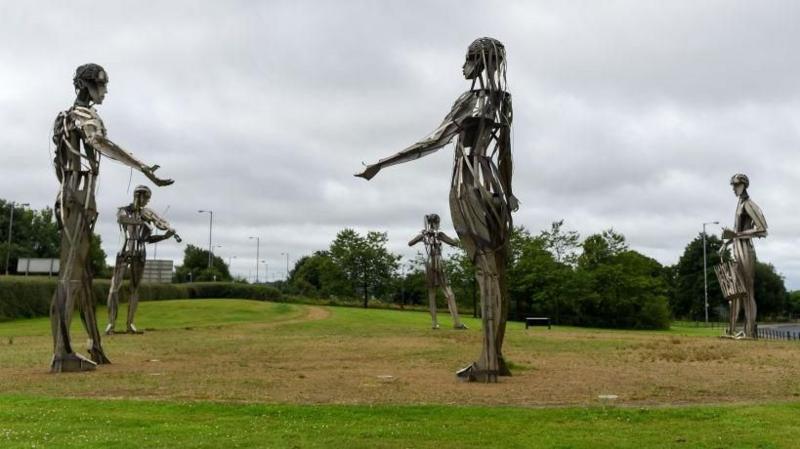
The bid enjoys broad support within the local authority and among public figures. The Sinn Féin Mayor of Derry and Strabane, Grace Uí Niallais, backs the application, as do celebrities including singer-songwriter Paul Brady and BBC Radio presenter Hugo Duncan. Most councillors have also endorsed the initiative.
The assessment process has progressed positively. Sir Phil Redmond, chair of the competition's expert advisory panel, visited Strabane on 12 October and praised the welcome and local enthusiasm. The council reported that the judging panel commended Strabane's initial bid for its vision, authenticity and strong community foundations.
This bid builds on recent momentum in the region. Derry City and Strabane District Council reported significant tourism growth in 2025, with a 35% rise in overnight visitors generating nearly £94 million, demonstrating the area's growing appeal as a cultural destination.
What happens next?
Derry City and Strabane District Council is urging residents and businesses to contribute ideas for the final bid. The public have been invited to suggest what they would like to see included in the submission. Full bids must be submitted by 5pm on 30 November 2026. Following the deadline, the competition guidance schedules finalist announcements for February 2027, with the overall winner to be announced by 31 March 2027.