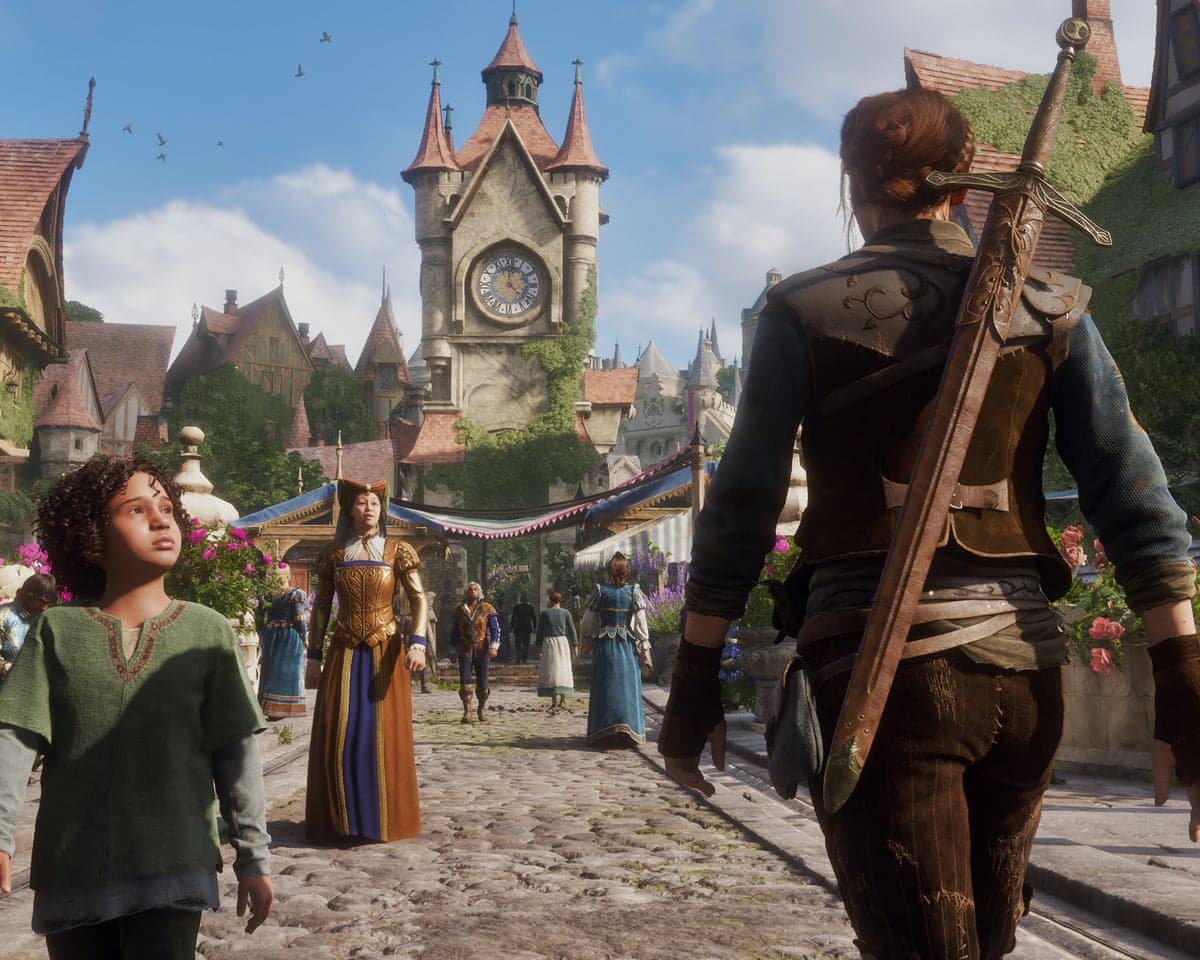
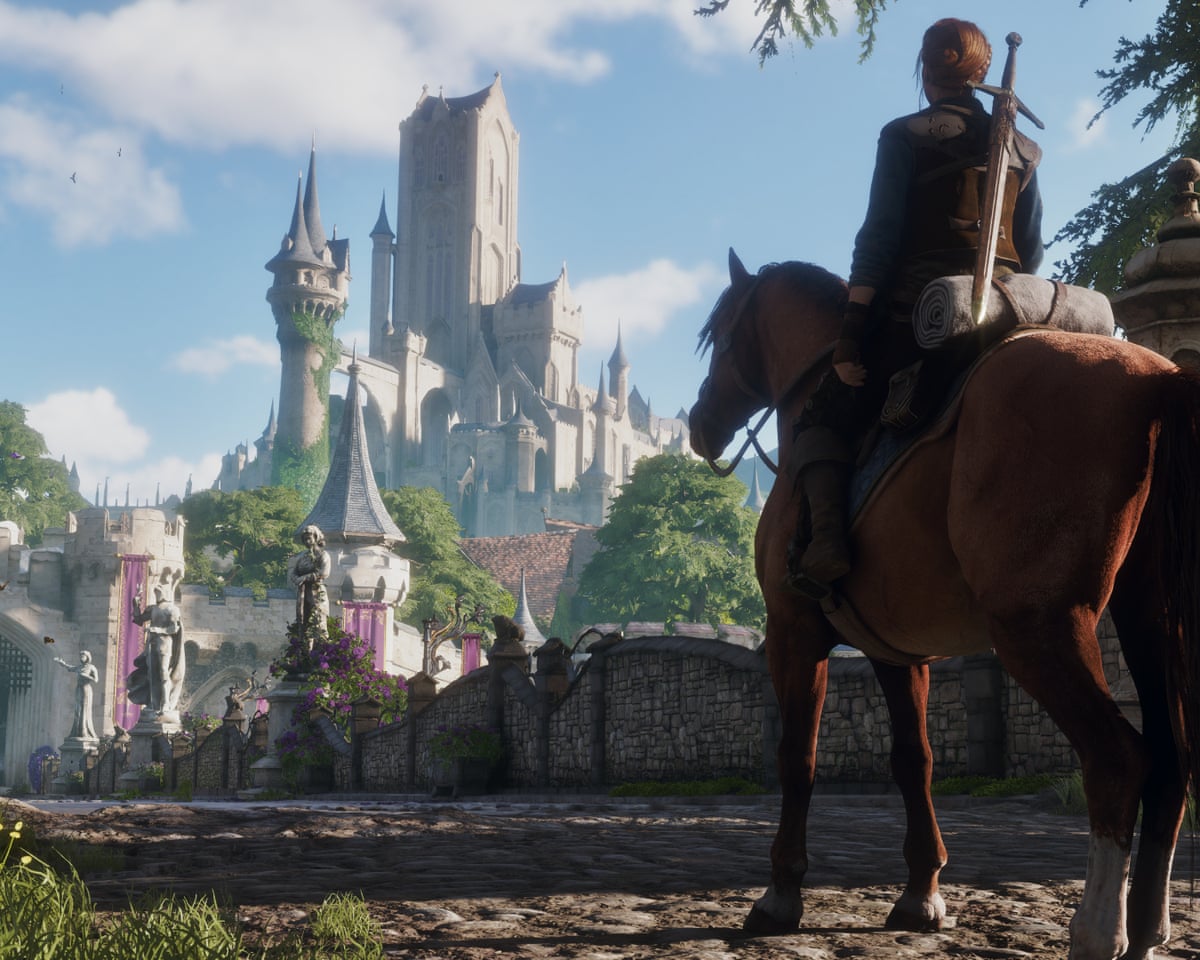
Playground Games, the studio behind the Forza Horizon racing franchise, is bringing back Fable, the distinctively British fantasy role-playing game that has been dormant for over a decade. The reboot will launch on 23 February 2027 across Xbox Series X/S, Windows, Steam, PlayStation 5, and Xbox Game Pass Ultimate, marking a significant return for a series that Microsoft shelved after cancelling its mult spin-off, Fable Legends.
The original Fable, created by Lionhead Studios for the Xbox in 2004, became a globally beloved franchise thanks to its cheeky charm, world-altering player choices, and droll writing brought to life by performers such as Stephen Fry and Simon Pegg. After Microsoft shut down Lionhead Studios and abandoned the series, the franchise entered a 10-year limbo. Now Playground Games has taken on the challenge of resurrecting it, assembling a team that blends the studio's expertise in open-world design with developers versed in fantasy storytelling.
Ralph Fulton, Playground Games co-founder and Fable's game director, reflects on the studio's commitment to the project.
As a developer and a player, working on this has made me think about games more deeply than anything else I've done. I think it will have that same effect on the people who play it.For Playground, taking on an action RPG represented an opportunity to demonstrate that the studio could excel beyond racing games.
I think there was a little bit of pride in proving we could cut it in a different genre. It made sense not to fall too far from Horizon. This project definitely wasn't going to have cars, but open worlds felt like an area where we had transferable skills.
How did Playground Games assemble such a large development team?
Building a team from scratch proved to be the studio's greatest challenge. After signing the deal with Microsoft in 2017, Playground needed to rapidly expand from a racing-focused studio to one capable of delivering a complex action RPG. The human cost of this transformation was substantial: the studio brought hundreds of developers from around the world, many of whom relocated solely because they were fans of Fable.
Building a team from scratch is the hardest thing you can do in video games. You can hire the people with the best CVs, but if they don't gel, six to nine months later you're back in the market.The development process, which began in 2016, has now stretched nearly a decade, reflecting the complexity of creating a game that honours the original's legacy while introducing it to a new generation.
What does the combat feel like?
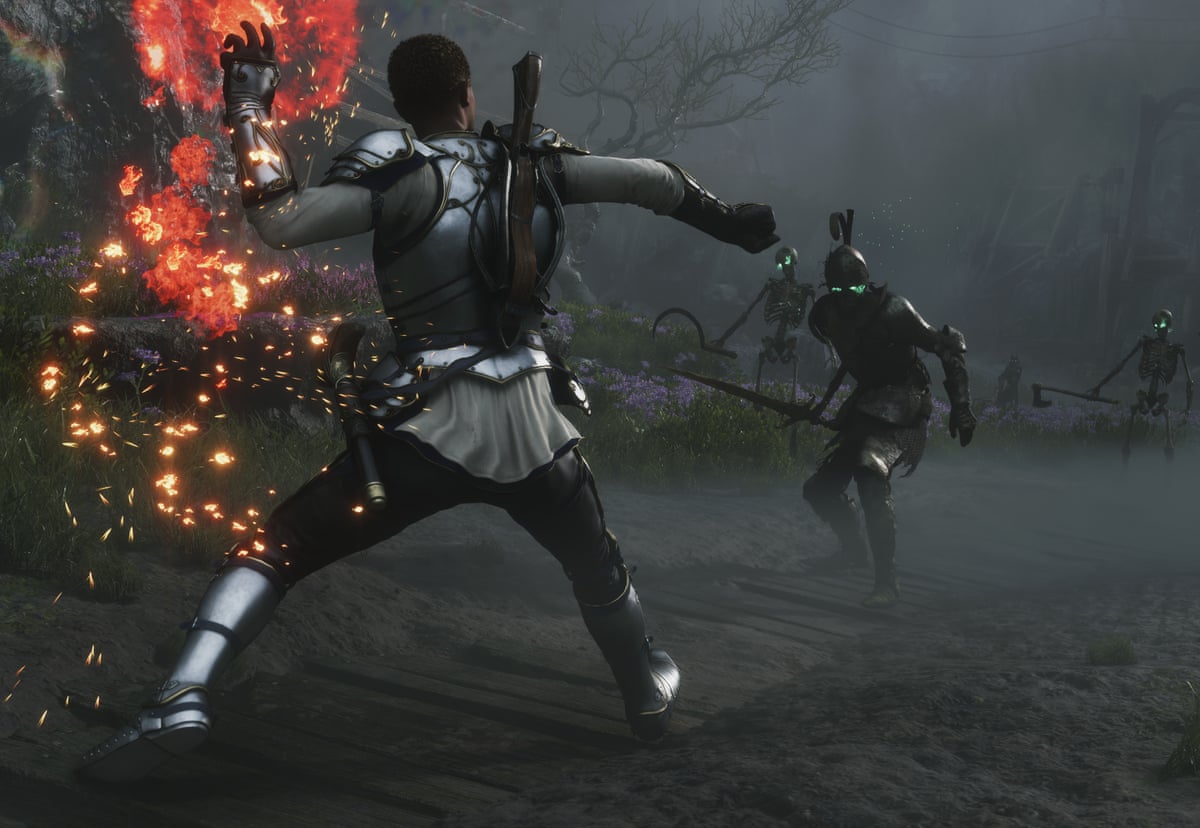
At Gamescom 2026, a playable demo revealed that Playground's action design delivers substantial impact. When fighting through a wraith-ridden mine, every attack lands with tactile weight—from the heavy crunch of a hammer to the crisp thwick of a bowstring, sending skeletons exploding into bone splinters. Magical abilities prove equally spectacular: fireballs and lightning spells land with visual force, and one encounter allows players to transform an enemy into a squawking rooster. The combat system demonstrates that Playground has mastered the mechanics of action gameplay, dispelling any doubts about the studio's ability to handle a genre far removed from racing simulation.

How does the writing set Fable apart?
The reboot's dialogue and narrative design reflect a deliberate rejection of fantasy convention. Fulton explains the studio's approach:
We were a bit bored of traditional fantasy cliches and the way characters usually speak in those settings. I love media, particularly in period settings, that use a modern tone of voice, idiom, and phrasing.This philosophy extends to the voice cast, which features an impressive roster of British comedy talent. Matt King voices Humphry, the retired former "greatest Hero of Albion," delivering guidance through the haunted mine with signature sarcasm. Richard Ayoade, known for The IT Crowd, and Natasia Demetriou from What We Do in the Shadows round out the ensemble. Fulton recalls the recording sessions with enthusiasm:
Richard Ayoade virtually improvised a new script for his scenes on the spot. Listening to him conjure that dialogue was one of my favourite days on this project. Natasia Demetriou brought a level of British swearing to her character that honestly shocked us, but it's brilliant and we let her run with it.The writing quality extends to environmental storytelling—a dust-coated love letter discovered in the mine captures a dying miner's struggle to express genuine emotion with authentically British awkwardness.
What role does player choice play in the new Fable?
Player agency remains central to Fable's identity, and the reboot preserves this core principle. According to Xbox's January 2026 reveal, the game is positioned as an open-world action-RPG where choices shape the journey and reputation matters. For much of the campaign, the main quest maintains low stakes, allowing players to explore Albion and experiment without fear of permanent failure. Players are only locked into the main story during its climactic ending, which culminates in a choice that challenges players to reflect on their identity and weigh personal cost against outcome. Fulton emphasises the studio's commitment to delivering a satisfying conclusion:
Most importantly, we stick the landing. It's easy to look at industry metrics saying 100% of people start a game and only 25% finish, and decide not to invest heavily in the finale. But we relentlessly pursued quality here. In great Fable fashion, it culminates in a choice that really challenges you to think about who you are, with a real personal cost to weigh against the outcome.
How many characters will populate Albion?
The world of Albion will be densely populated with meaningful NPCs. According to Playground's January 2026 materials, the game will include roughly 1,000 handcrafted NPCs, each with their own routines, relationships, moral viewpoints, and fully voiced dialogue. This level of detail reflects the studio's ambition to create a living world where player actions ripple through the community in meaningful ways.
What challenges has the project faced?
Playground's long development cycle has unfolded against a turbulent industry backdrop. Since production began in 2016, the video game sector has weathered a disastrous pivot toward live-service models, endured a global pandemic, and experienced significant leadership changes at Xbox. Despite these headwinds, the project has remained protected by strong internal support.
I genuinely think Fable is an important game. What has protected us over a long development cycle is that so many people within Xbox view Fable as vital to the DNA of the platform.Fulton extends this assessment further:
I would go a step further and say it's important to video games as a whole. It offers a combination of elements that simply doesn't exist anywhere else.This conviction reflects the weight of expectation surrounding the reboot—not only must it satisfy nostalgic fans of the original series, but it must also vindicate Microsoft's decision to revive a franchise the company itself had abandoned.
When will Fable launch?
The game is scheduled to release on 23 February 2027. According to an official Xbox interview published on 9 September 2026, Playground Games confirmed this February 2027 target, replacing an earlier autumn 2026 window. The game will be available on multiple platforms, ensuring that both longtime fans and new players can experience the reboot.
Key Facts
- Fable launches on 23 February 2027 across Xbox Series X/S, Windows, Steam, PlayStation 5, and Xbox Game Pass Ultimate
- Development began in 2016, making this nearly a decade-long project for Playground Games
- The cast includes British comedy talent such as Richard Ayoade, Natasia Demetriou, and Matt King
- The world will feature approximately 1,000 handcrafted NPCs with individual routines, relationships, and fully voiced dialogue
- Player choice remains central to the experience, with the climactic ending presenting a decision that challenges players' values and carries personal consequences