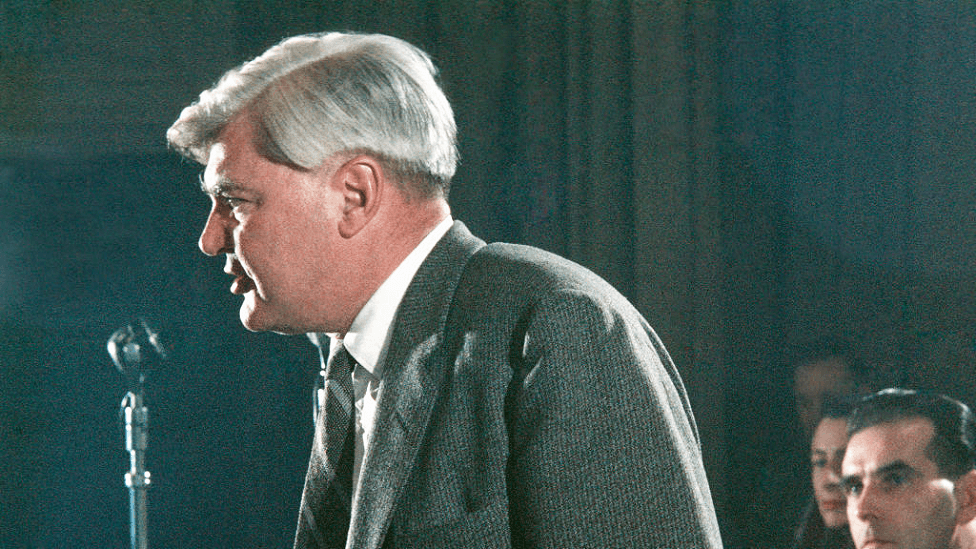
Aneurin Bevan served as an MP until his death from cancer in 1960, but his journey to Westminster began decades earlier in a small Welsh mining town, where a secretive debating club would help forge the ideas that transformed British healthcare and housing.
According to BBC News, during the winter of 1921, a group of men assembled in a café in Tredegar, Blaenau Gwent, a working-class community in the south Wales valleys. Nearly all were coal miners familiar with the gruelling work of extracting coal from deep seams—the very resource that had powered Britain's industrial revolution and built the nation's global empire. Yet the wealth generated by their labour had rarely reached those who produced it. These men gathered to explore how they might transform their circumstances through socialist ideas and collective action.
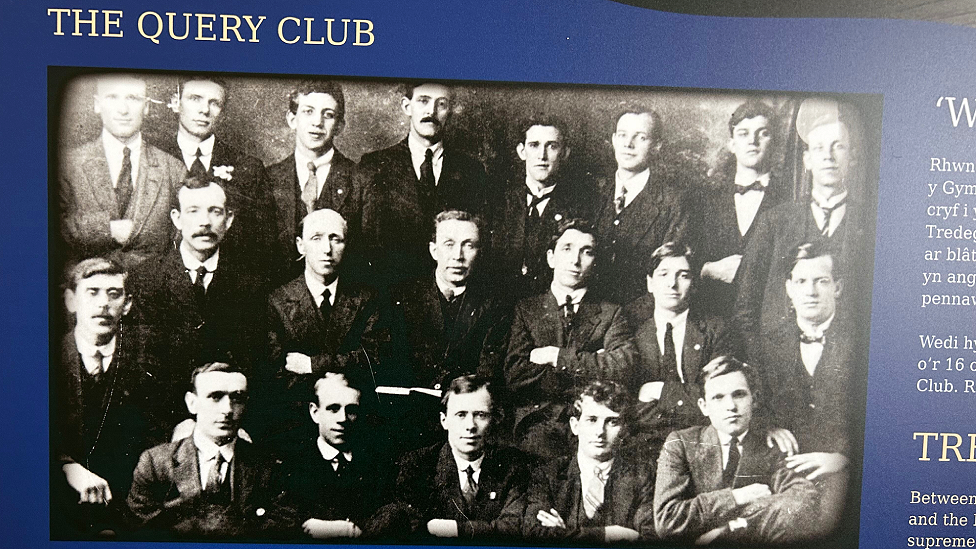
This meeting marked the founding of the Query Club, a semi-secret organisation that would evolve into a force reshaping not only Tredegar but, through the influence of its members, the entire country. Among those young debaters was Bevan, who would later establish the National Health Service and revolutionise working-class housing when he became minister for health and housing two decades later.
Newly released security files have added another dimension to Bevan's story. The National Archives revealed that MI5 opened a personal file on Bevan in 1933, when he was a backbench MP for Ebbw Vale, and monitored him for over 40 years until 1975—15 years after his death. The security service viewed him as a firebrand left-winger with connections to prominent communists. Early reports covered his 1934 speech at an anti-Nazi rally in Montreal, and in 1949, MI5 raised concerns about his friendship with Wilfred Macartney, a man convicted of spying for Russia in 1928. A 1954 report documented Bevan's meeting with Soviet ambassador Yakov Malik at the Polish embassy in London.
The grip of industrial power in 1920s Tredegar
During the 1920s, Tredegar resembled many south Wales towns where private collieries and iron works exercised tight control over working people. Owners and managers held dominant positions in local institutions including the town council and hospital board, leaving ordinary residents with little say over their working lives or living conditions. Bevan, the son of a miner who had himself worked underground, understood intimately the powerlessness that defined working-class existence.
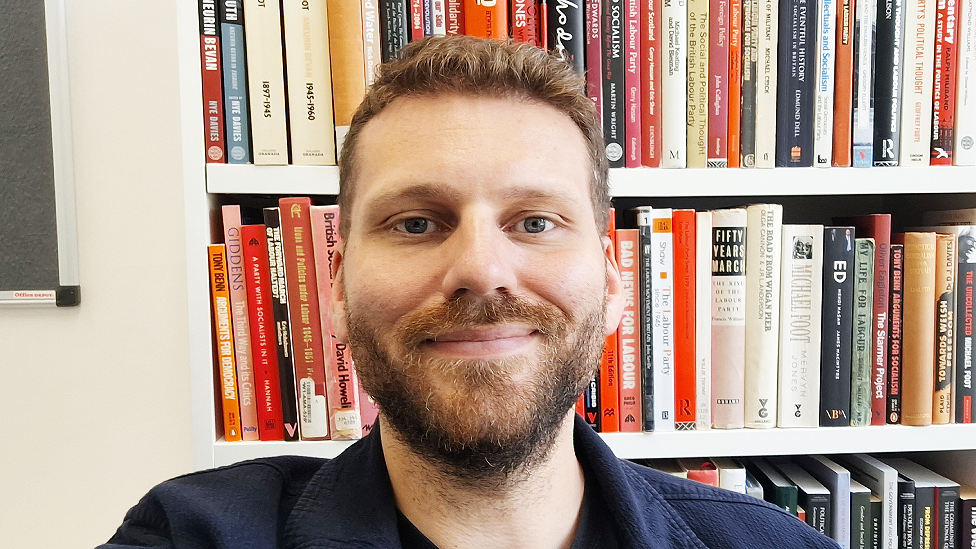
The Query Club gradually recognised that meaningful change required access to power itself. Dr Nye Davies, a senior lecturer at Cardiff University who has written extensively on Bevan, explains the club's strategic thinking:
The Query Club was this organisation which was Bevan and his comrades asking 'how do we actually achieve change here in Tredegar? How do we try to influence things?' I think they decided what we need to do is be on every single committee, every single board, every single institution that has some level of influence in the community and we need to get like-minded socialists on to those boards.
Davies argues that the pursuit of power was fundamental to everything the Query Club sought to accomplish. This was not abstract ideology but a practical strategy to dismantle the existing order and replace it with democratic socialist governance.
Walter Conway and the Medical Aid Society
Among the Query Club's leading figures was Walter Conway, the only member over 30 years old and an orphan raised in the local workhouse. Contrary to popular perceptions of such institutions as places of neglect and cruelty, the workhouse master had taught Conway to read and write and instilled in him a lifelong passion for learning—a value he shared with Bevan.
In 1915, Conway secured the position of secretary of the Tredegar Medical Aid Society, winning out against 50 other applicants. Like similar organisations in other towns, workers had established the society by contributing small payments from their wages to cover medical expenses when needed. Under Conway's leadership, the society expanded dramatically from 5,000 members at its inception to 20,000 by the time of his death in 1933—representing 95 per cent of the town's population. Members gained access to doctors, nurses, dentists, and hospitals. Crucially, wives, children, and non-miners were admitted, transforming what had begun as a service exclusively for workers into a universal healthcare system for Tredegar itself.
Infiltrating the institutions of power
The Query Club members recognised that all the important institutions of the town—the council, the hospital board, the workingmen's club, and the medical aid society itself—were dominated by board members connected to the Tredegar Iron and Coal Company, the major power in the region with a vested interest in maintaining authority among the wealthy. As members of the emerging Labour party and committed socialists, they set out to change this balance.
In 1922, they put Bevan forward as a candidate for the town council. By 1929, the council comprised 16 members, of whom 10 were Labour, with five belonging to the Query Club. Through the 1920s, Query Club members and their sympathisers secured key positions across the town's institutions.
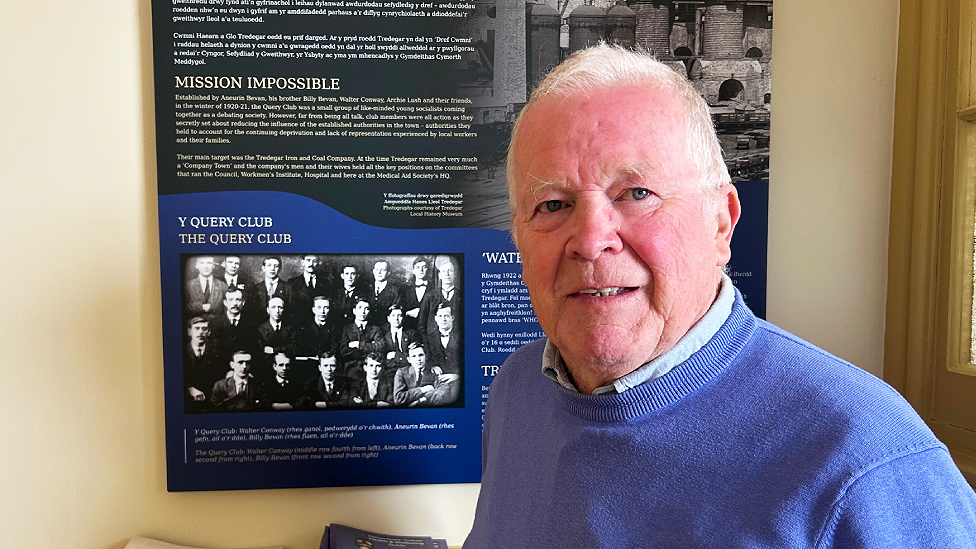
The club itself remained deliberately exclusive and secretive. John Morgan, a local councillor and great-nephew of one of the 20 Query Club members, still resides in Tredegar and has researched the organisation's history. He explains the club's mystique:
People knew that the Query Club existed but when they would ask them 'what does the badge mean?' they would say 'oh, that's the question'. You weren't allowed to tell people what happened in the club. They infiltrated a lot of organisations but they would go through a series of tests and interviews before they allowed anybody to become a member.
This selectivity and secrecy served a purpose: reducing the influence of established authorities by placing committed socialists in positions of institutional power.
The climb toward Westminster
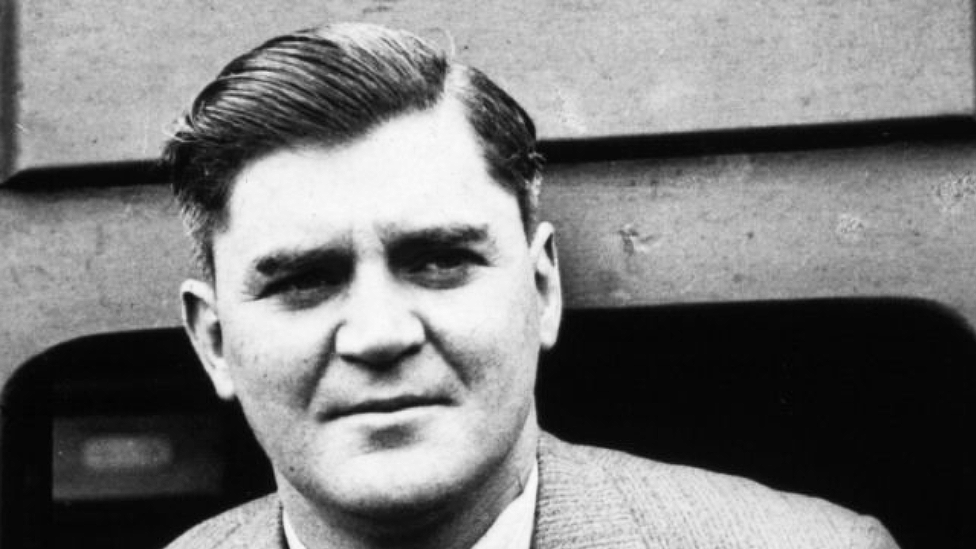
Bevan progressed to the next level of power by winning election to the county council in Newport. However, as Davies explains, Bevan recognised that even this position fell short of where genuine power resided.
Bevan said 'power is still eluding us, it's still elsewhere'.This realisation drove him toward Parliament, which he identified as the ultimate seat of power.
That quest for power was really what drove the Query Club, what really drove Bevan and inspired him for the rest of his career.
In 1929, Bevan was elected as MP for Ebbw Vale and travelled to Westminster, where he swiftly earned recognition as a formidable speaker. Davies credits the Query Club with helping develop Bevan's oratorical abilities.
These debates and arguments over ideas were really important in shaping Bevan's outlook as well. One of Bevan's strengths was his debating skills and his ability to deconstruct arguments.
The legacy of Tredegar's radical experiment
The Workman's Institute, where the Query Club eventually held its meetings after its early days in cafés, no longer stands. However, the Medical Aid Society building now houses the Tredegar Medical Aid Society Heritage Centre, which preserves the memory of this remarkable period. A small meeting room at the rear is dedicated to the Query Club, displaying photographs and information documenting its history.
Morgan reflects on the loss of direct knowledge about the club's activities:
I used to go out walking with my uncle when he was in his 80s and 90s. He died when I was about 12 but if I knew then what I know now I'd have spent hours talking to him about the Query Club because some of the things they got up to - they were radicals.
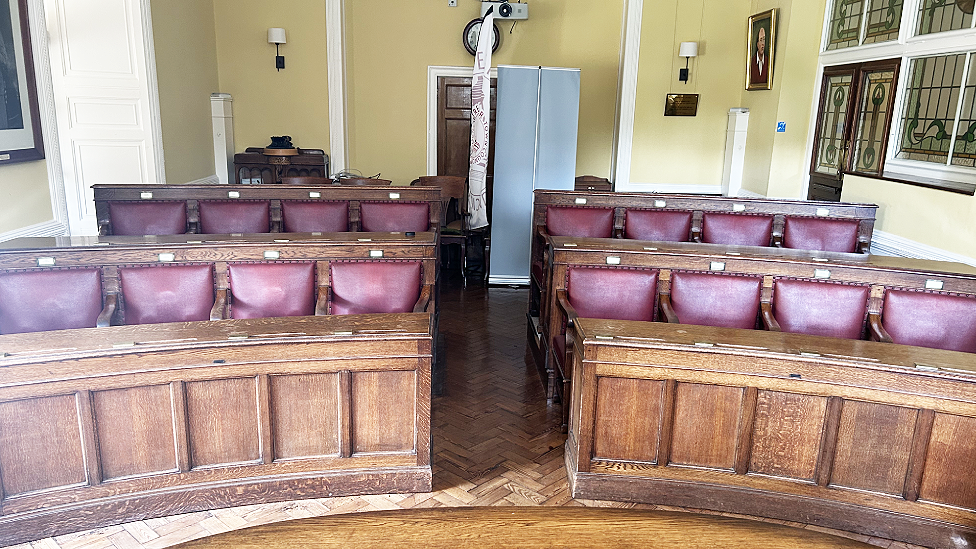
The town council chambers in Bedwellty House, where the Query Club dominated proceedings in the 1920s, remain in use to this day. Many Query Club members went on to hold positions of influence for decades. Morgan notes:
There was Archie Lush, who became Sir Archie, who was his [Bevan's] agent, and there were other locals who became local councillors, mayors.
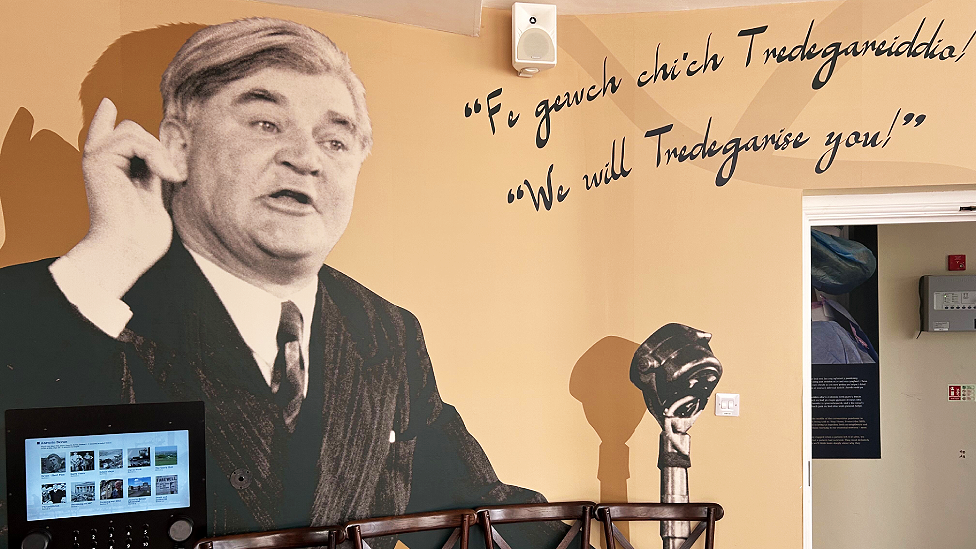
A quotation inscribed on the walls of the heritage centre attributes to Bevan the words about establishing the NHS in 1948:
We will Tredegarise you.Davies believes this statement is probably apocryphal and was never actually spoken by Bevan, but he acknowledges its symbolic truth:
It does explain the legacy of the Tredegar Medical Aid society, that this was the foundation for the NHS.
The Query Club's experiment in Tredegar demonstrated that ordinary working people, through organisation, debate, and strategic placement within existing institutions, could challenge entrenched power and build alternatives. The Medical Aid Society that emerged from this period became a model for universal healthcare—a vision that Bevan would eventually implement across the entire nation when he created the NHS, transforming healthcare from a privilege of the wealthy into a right for all.