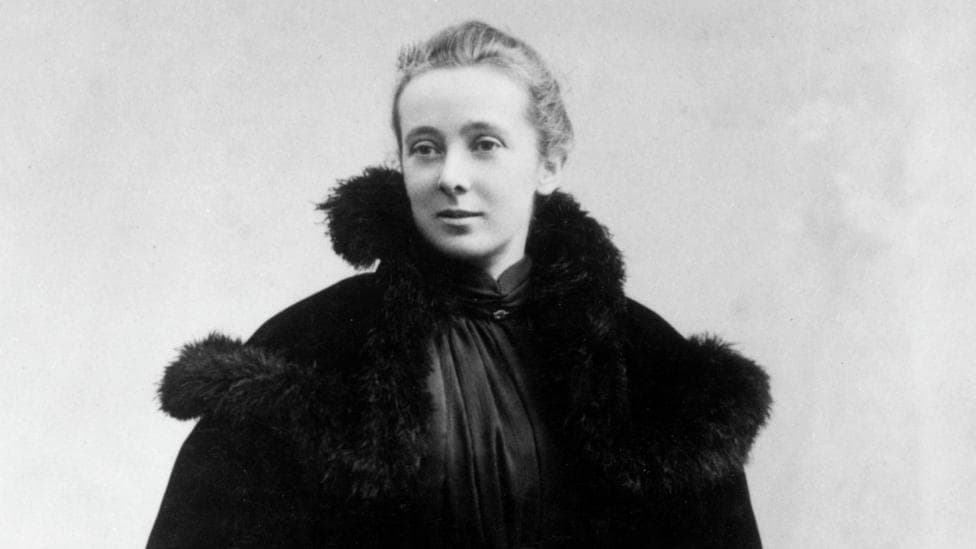
Perched in the remote valleys of Highland Perthshire stood a grand estate with a sinister reputation: Ballechin House, widely regarded as Scotland's most haunted residence. The property became notorious for its catalogue of paranormal phenomena—phantom hounds prowling the grounds, a spectral nun materialising in the corridors, beds levitating without explanation, and incessant rapping that tormented occupants through sleepless nights. Victorian society became captivated by the mystery, yet fundamental questions remained unanswered: were supernatural forces genuinely at work, or could the disturbances be attributed to faulty plumbing and mischievous household members? According to BBC News, an English medium named Ada Goodrich Freer, operating under the pseudonym Miss X, travelled to the Highlands to investigate, and her methodical approach would reshape paranormal inquiry and influence horror fiction for generations.
What made Ballechin House notorious?
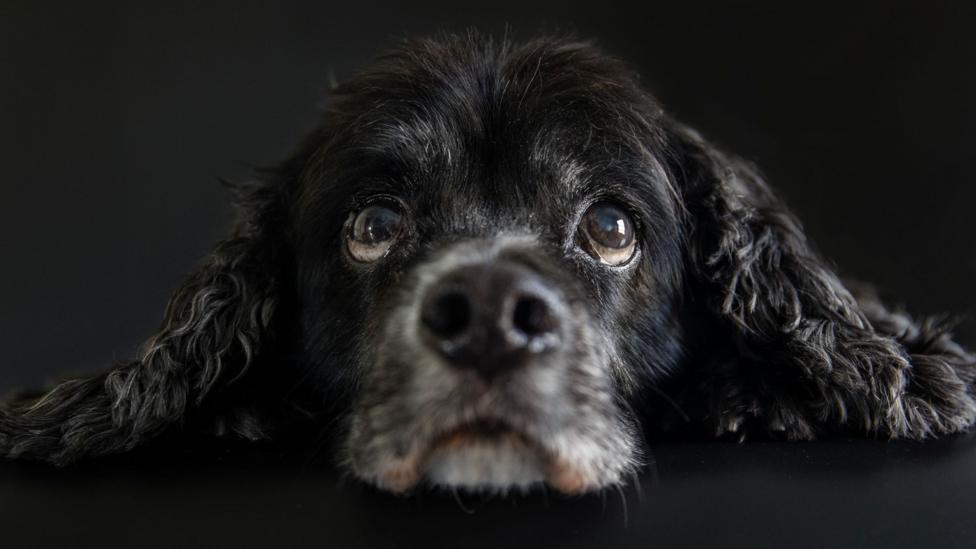
The mansion's dark reputation originated with a peculiar resident from the 1850s: Major Robert Steuart, who shared his home with more than a dozen dogs. Steuart harboured an unusual conviction that upon his death, his consciousness would transmigrate into his favourite companion, a black spaniel. When the major passed away, his nephew—who inherited the property—allegedly ordered the entire pack destroyed, fearing that Steuart's spirit might return to haunt him through his former pet.
Decades later, the house became a focal point for unexplained occurrences. Perth-based tour guide and author Gary Knight documented numerous accounts from residents and visitors.
A Father Hayden, who lived there, told of raps on the front door and the sound of something throwing itself violently against the door.Knight continued:
Other witnesses reported footsteps, banging noises, a ghostly black spaniel, and a spectral nun.
In 1896, a Spanish family named the Heavens rented the property and encountered disturbing phenomena that prompted them to abandon their lease before its expiration. Some observers suggested the Heavens' children were fabricating the incidents. However, the family's father vehemently rejected this accusation, and a household butler corroborated his denial, recounting an incident in which his own bed was lifted from the floor during the night. The butler also dismissed the possibility that rattling hot water pipes could account for the mysterious sounds, suggesting something more inexplicable was occurring.
Knight expressed conviction that Ballechin harboured genuine mysteries. He recounted an evening when male guests became so disturbed by the noises that they conducted a thorough search of the building, with one armed with a revolver for protection.
There were so many witnesses. Even if you write off a percentage of what happened there is still some uncanny activity,Knight observed.
Who investigated the haunting?
In early 1897, a team of paranormal researchers descended upon Ballechin to determine the source of the disturbances. The group included John Patrick Crichton-Stuart, the 3rd Marquess of Bute, a Scottish aristocrat with interests in the occult, and Ada Goodrich Freer, an Uppingham-born medium, clairvoyant, and folklorist who adopted the professional name Miss X. Goodrich Freer spent extended periods at the house, rotating through different bedrooms to document phenomena and traversing the grounds in search of evidence. She interviewed witnesses extensively and inspected the property's plumbing infrastructure to rule out mechanical explanations.
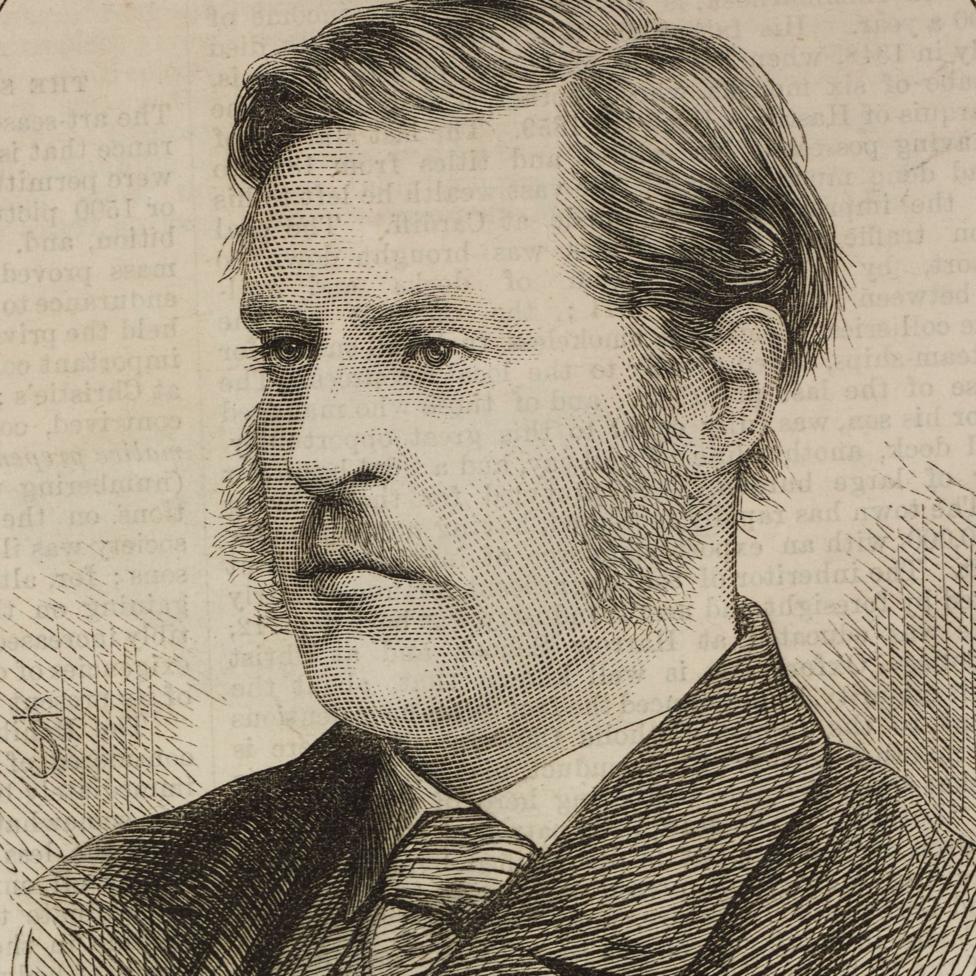
Following her stay, Goodrich Freer co-edited The Alleged Haunting of Ballechin House, published in 1899, which drew upon journals and letters compiled during the February to May investigation period. According to Newcastle University's Special Collections blog, the investigation's appendix catalogued nearly 100 reported audible phenomena, encompassing shrieks, groans, crashes, and monotonous reading sounds. Though the book offered no definitive conclusions, Goodrich Freer claimed to have witnessed a ghostly nun and a woman dressed in grey within the grounds. She also documented hearing unexplained sounds within the house—animal noises, disembodied voices, and footsteps emanating from a locked chamber.
However, scepticism emerged quickly. A visitor's article published in The Times on 8 June 1897, titled "On the Trail of a Ghost," proposed that faulty plumbing and ordinary sound transmission could explain the disturbances. Frederic W. H. Myers, a prominent investigator, had himself spent ten days at Ballechin and subsequently concluded that the evidence did not warrant inclusion in the Society for Psychical Research's official proceedings, effectively disowning Freer's investigation and casting doubt on her credibility within paranormal research circles.
What was Goodrich Freer's lasting influence?
Despite the controversy surrounding her findings, Goodrich Freer's methodological approach proved transformative for paranormal investigation. Film producer and writer Sean O'Connor, who researched Ballechin while writing about Borley Rectory—England's most notorious haunted house—characterised himself as an open-minded sceptic. He emphasised that regardless of whether Ballechin's phenomena were genuine, Goodrich Freer's contribution to ghost-hunting methodology was undeniable.
Ada Goodrich Freer established the investigative template that just about every famous haunting has followed since - from Borley to Enfield and Amityville,O'Connor stated.
The book became a commercial triumph.
It was a best-seller,O'Connor noted, emphasising that its success transcended questions of authenticity. The inclusion of a ground plan of Ballechin House within the publication proved particularly influential, with the cartographic approach subsequently replicated in accounts of other alleged hauntings. O'Connor suggested that Goodrich Freer wielded an influence comparable to that of a contemporary social media personality, establishing conventions that paranormal researchers would follow for decades.
She does feel very modern,he remarked, adding that
it's also interesting that all the studies of famous hauntings are by men - Goodrich Freer is the standalone female investigator - but she is now little remembered.
What happened to Ballechin House?
The physical structure of Ballechin House has largely vanished from the landscape. Following a fire in the 1960s, most of the building was demolished, and its extraordinary history faded from public consciousness. The stories associated with the mansion—both the paranormal accounts and the historical details of its residents—became increasingly obscure.
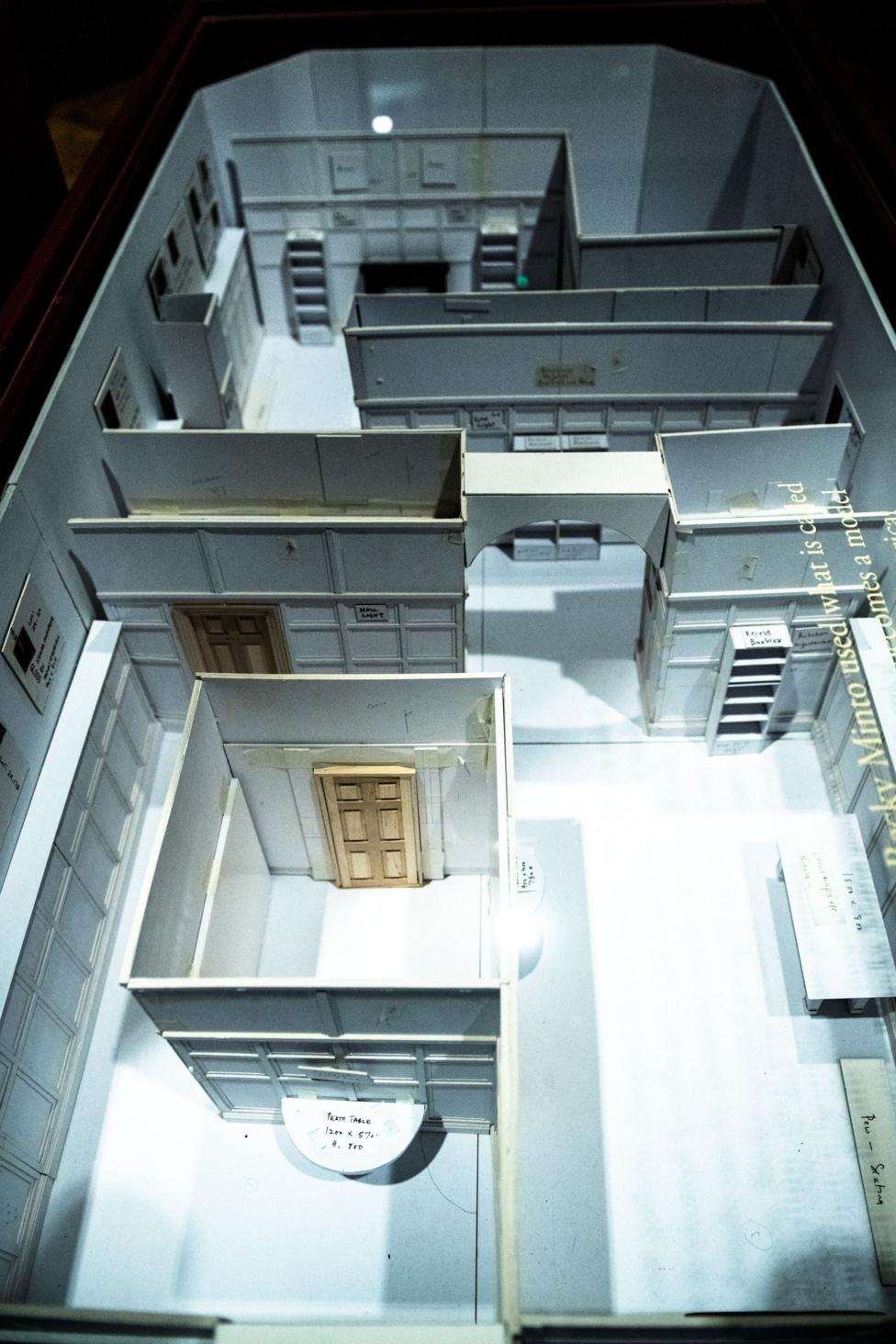
In 2019, Perth Museum and Art Gallery undertook an ambitious project to resurrect the house's memory through an immersive art installation. Designer Becky Minto, whose previous credits included the closing ceremony of the 2014 Glasgow Commonwealth Games, led a team of artists and craftspeople in recreating the interior of Ballechin House.
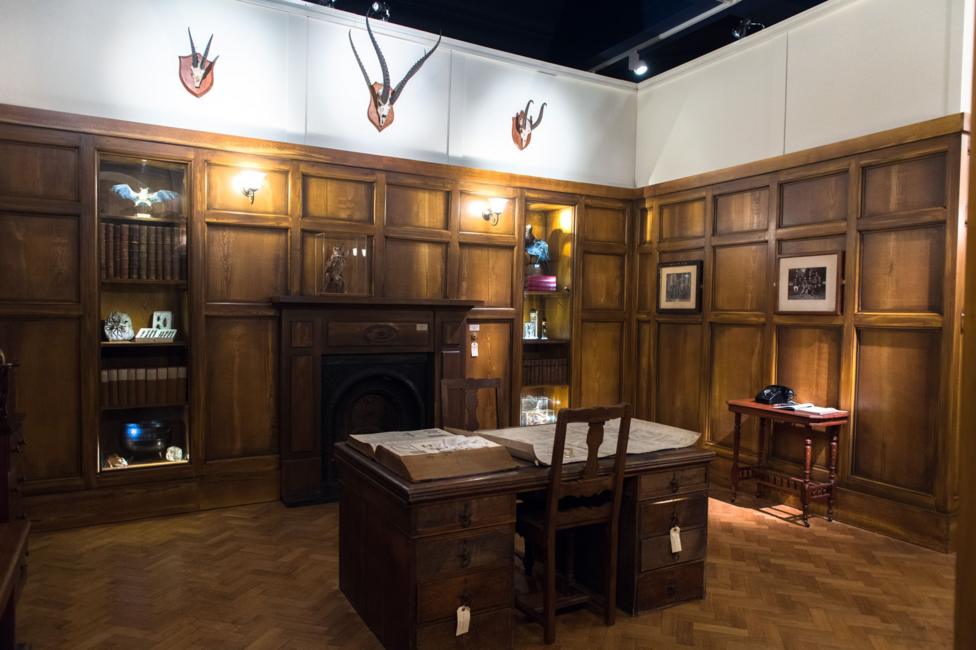
Minto described the experience of designing the installation:
It was amazing. There were lots of weird things to put you on edge. You could pick up a phone and hear a voice down the other end, and then you would walk around the corner and there was a door to a room with a rocking horse going backwards and forwards.The installation, titled Only In Whispers: The Myths and Legends of Perthshire, employed a large-scale model to guide the construction process.
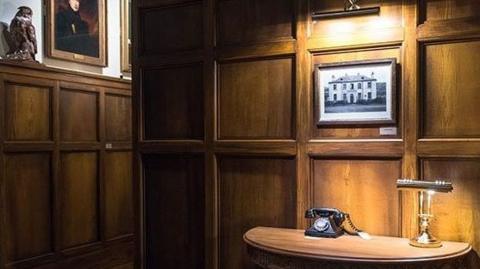
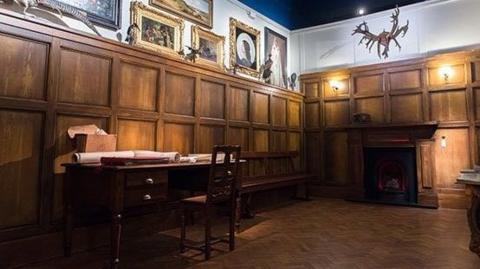
Minto reflected on the project's significance:
The house held the stories.Through this artistic recreation, the forgotten narratives of Ballechin—its residents, its mysteries, and its place in the history of paranormal investigation—were brought back into public view, ensuring that Ada Goodrich Freer's pioneering work and the enduring enigma of the Highland mansion would not be entirely lost to time.