St David: Patron Saint of Wales
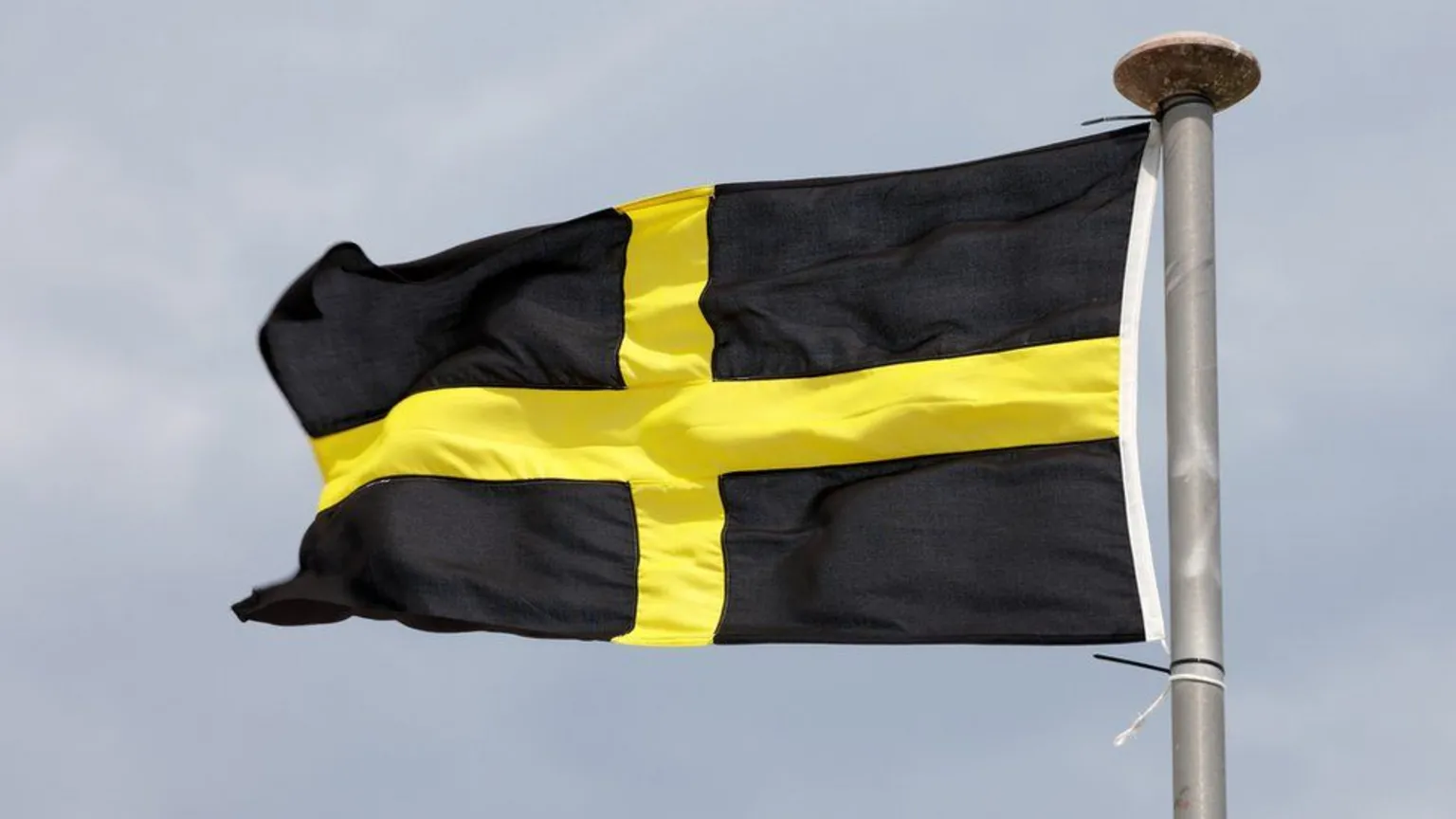
Every year on 1 March, Wales commemorates St David's Day, honoring the country's patron saint. Across Wales, events celebrate this prominent figure from the Welsh Age of Saints.
St David founded numerous religious communities and lends his name to the smallest city in Britain.
However, much of what is known about him derives from the Latin writings of Rhygyfarch, composed approximately 500 years after St David's lifetime.
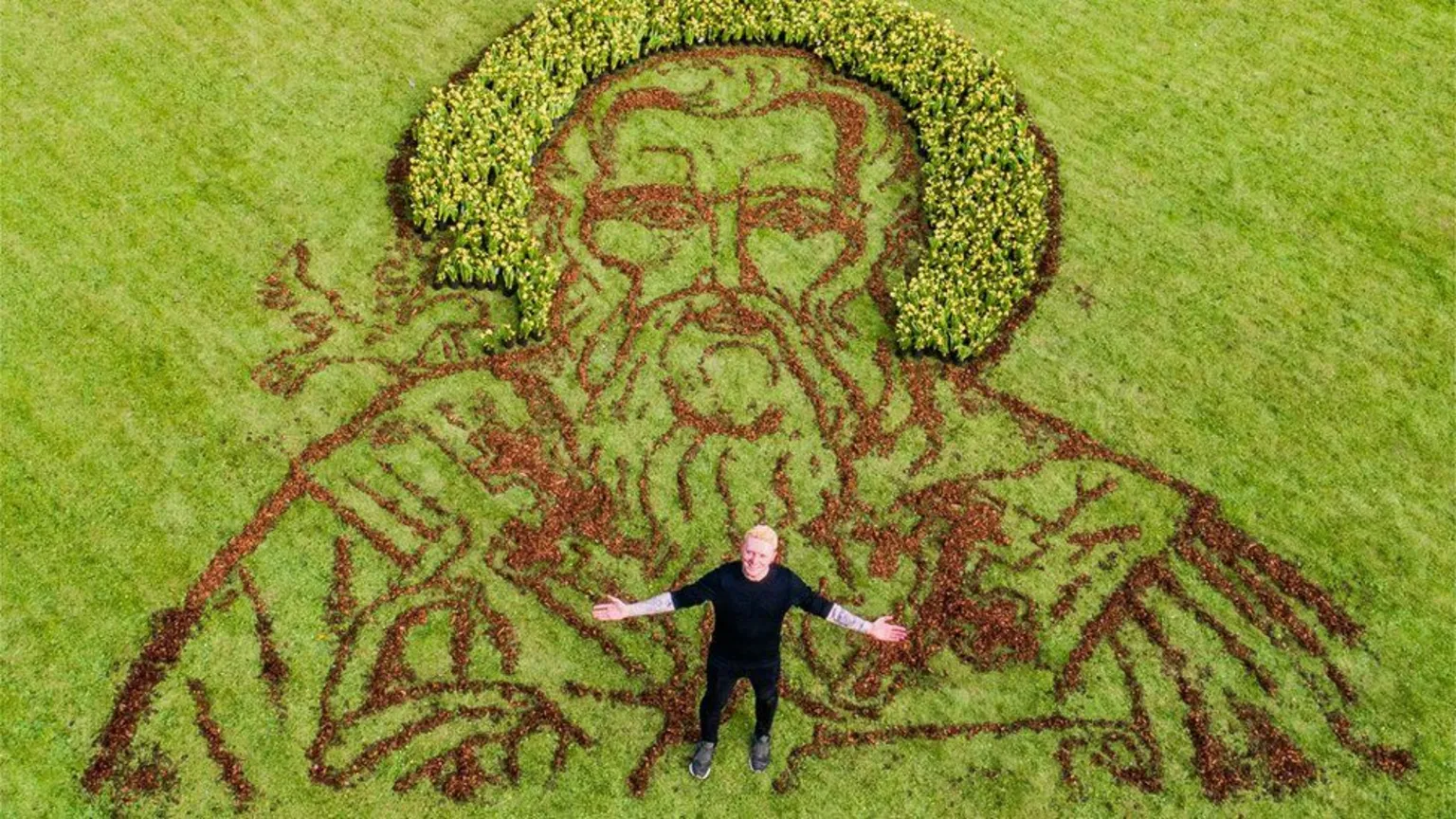
The depiction of St David has evolved over time.
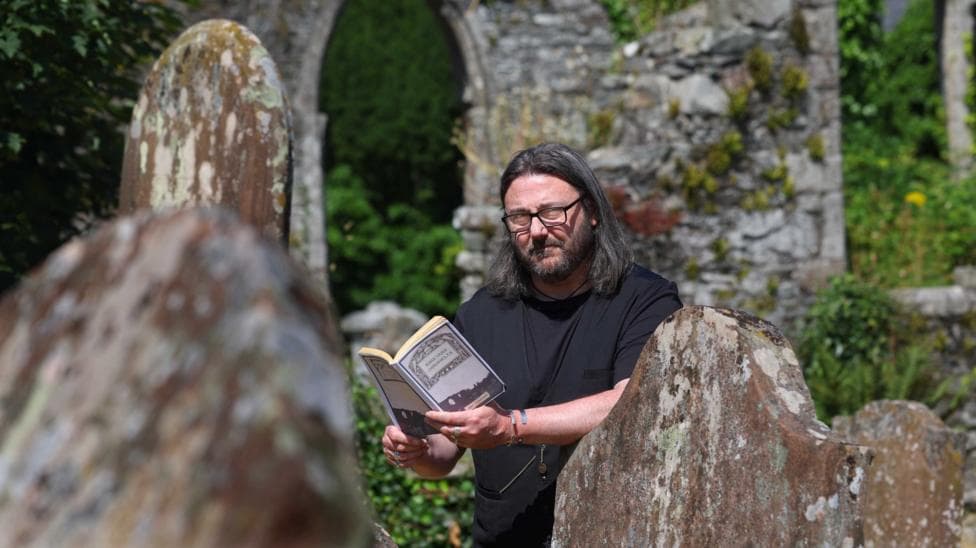
"Much of the early images are based upon what we see in stained glass windows where he's portrayed as a very powerful archbishop," said author Martin Crampin.
"But that was never the case at the time of his life.
"It's not until last century that we see him as a hermit, or a more scholarly, humble and down-to-earth figure that perhaps fits in more with what we want to see St David."
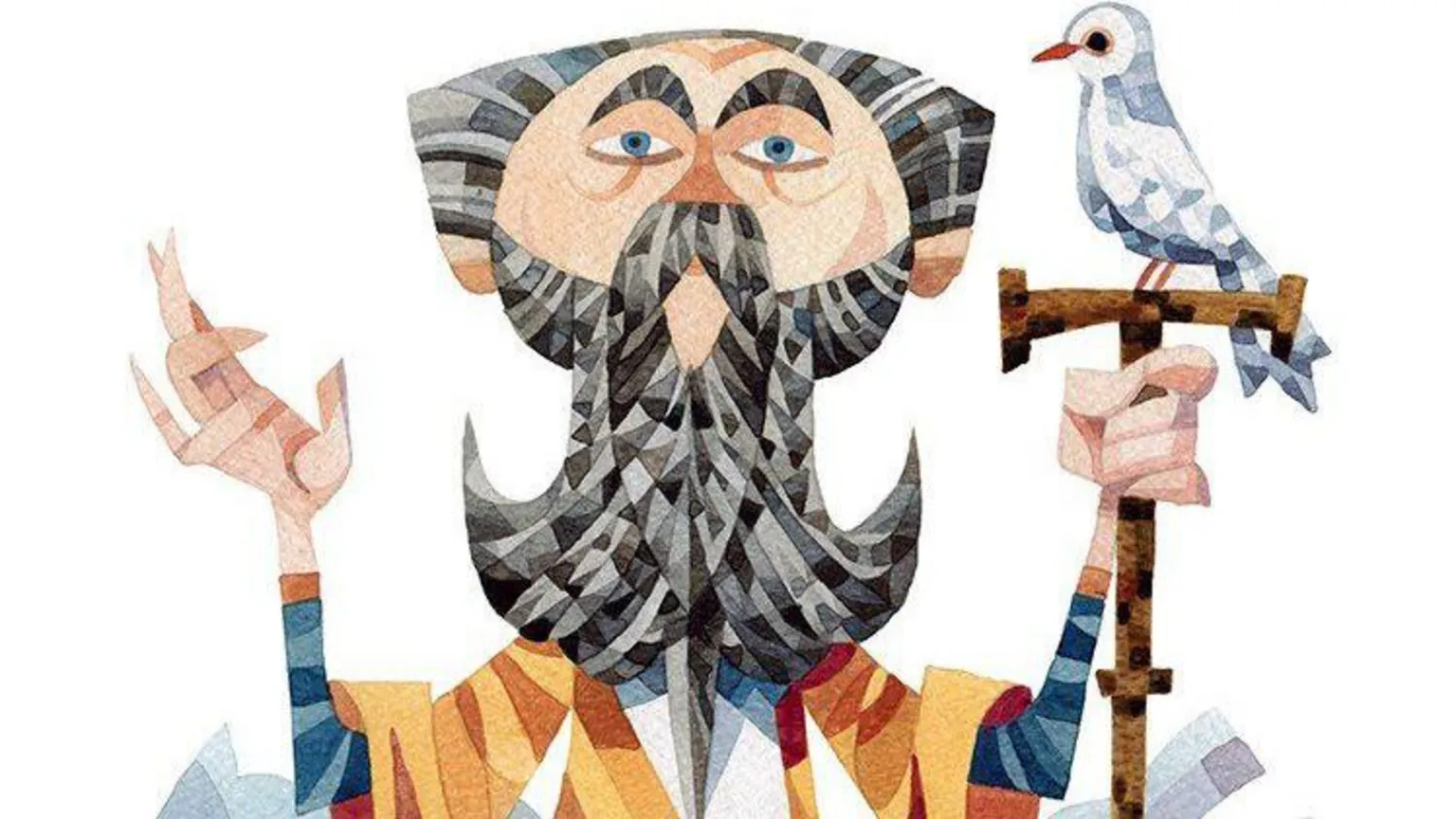
Whether viewed as meek or mighty, here are ten notable facts to consider.
1. Birth Foretold by an Angel
An angel is said to have foretold St David's birth to St Patrick approximately 30 years before it occurred, though the exact date is estimated between 462 and 515 AD.
2. Longevity and Death
Some traditions suggest he lived over 100 years and died on 1 March 589, the date now observed as St David's Day.
3. Birthplace and Legend
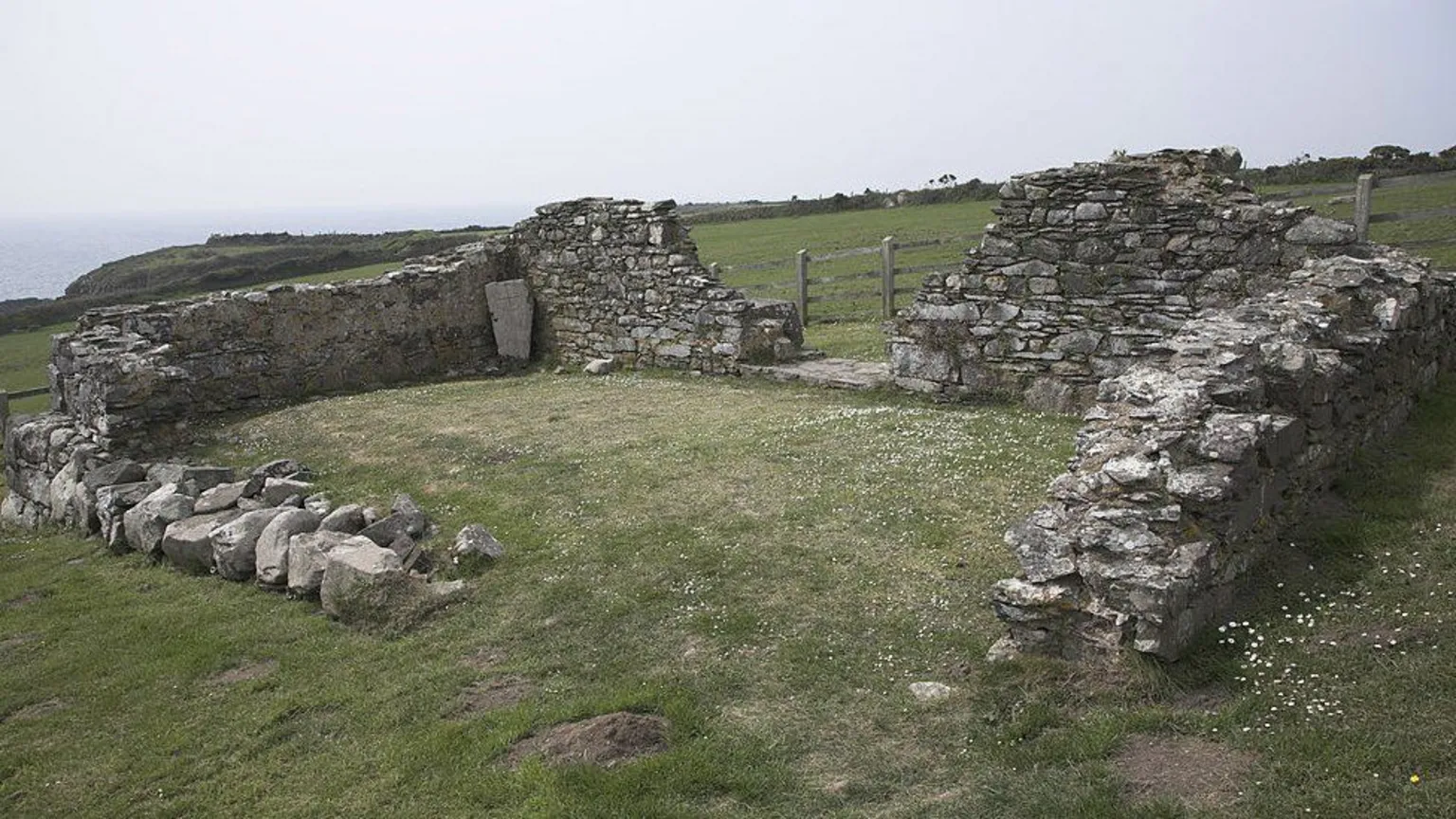
Legend holds that his mother, Non, gave birth on a cliff-top in Pembrokeshire during a severe storm. At that moment, a lightning bolt struck the rock, splitting it in two.
A nearby holy well is reputed to possess healing properties.
4. Aristocratic Heritage
St David's family was of noble status. His official biography states his father was Sant, Prince of Powys, and his grandfather, King Ceredig, founded Ceredigion.
Non, his mother, was a nun who was later canonised.

5. Baptism and Name
He was baptised with the name David, but his mother called him Dewidd, or Dewi in the local language.
6. Missionary Work and Glastonbury
Educated at a monastery, he became a missionary spreading Christianity. Dewi was a renowned preacher who established monastic settlements and churches in Wales, Brittany, and southwest England.
He visited Glastonbury Abbey to rededicate it and donated a travelling altar containing a large sapphire, which was stolen 1,000 years later.
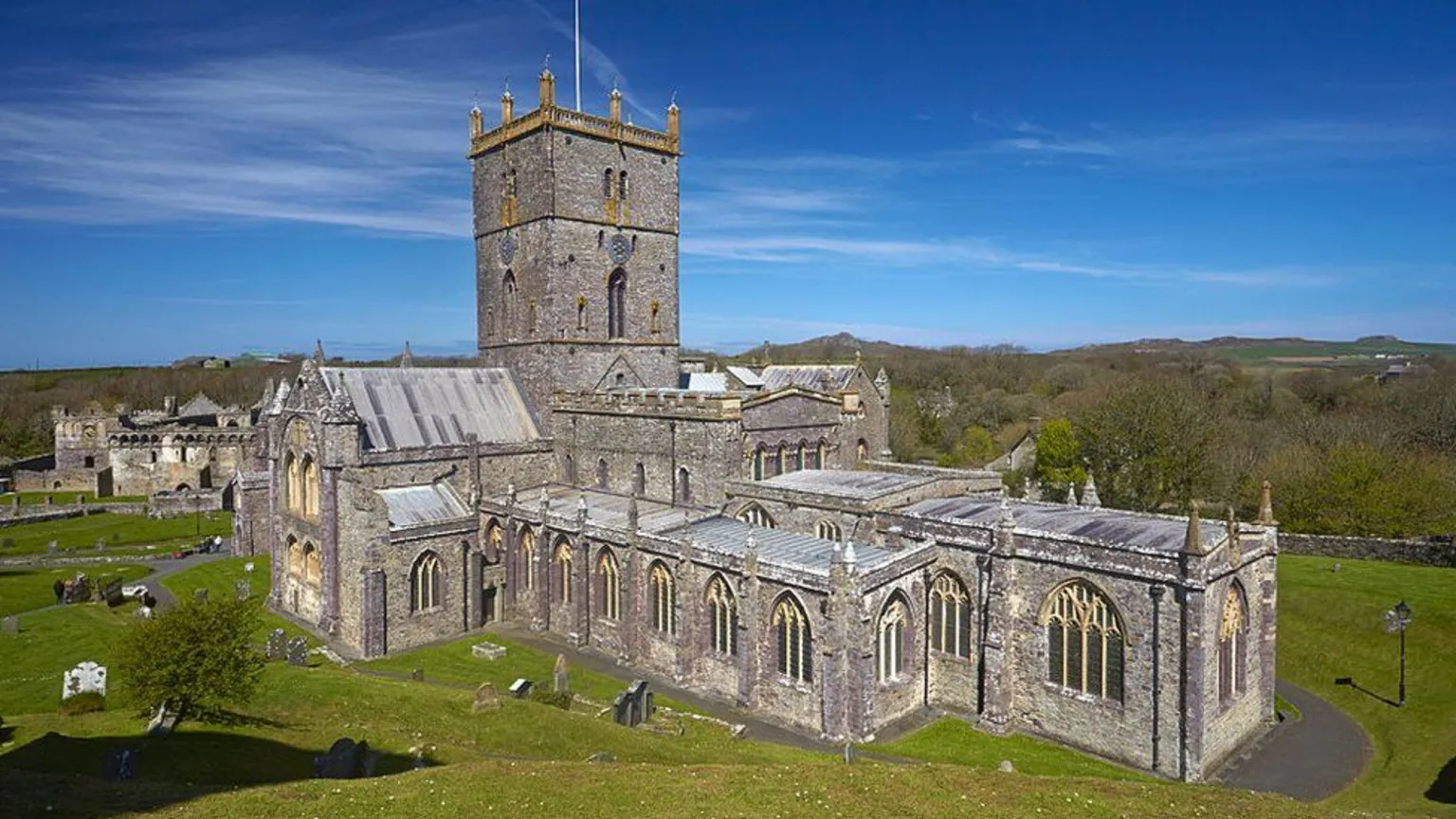
Like many pilgrims, David is said to have brought back a stone from his pilgrimage to Jerusalem. This stone now resides in an altar at St David's Cathedral, constructed on the site of his original monastery.
7. Lifestyle and Diet
St David and his monks led austere lives, subsisting solely on leeks and water. They refused to use oxen to plough their fields, preferring manual labor.
8. Miracles and Legends
He is credited with healing his tutor's blindness using the sign of the cross and reviving a dead boy by splashing the child's face with his tears.
It is also said that during a large gathering in Llanddewi Brefi, the ground beneath his feet rose to form a hill so those at the back could hear him speak, while a white dove, sent by God, settled on his shoulder.
9. Medieval Reverence
Since the 12th century, St David has been the patron saint of Wales, with over 60 churches dedicated to him at that time.
His shrine was highly significant; Pope Callistus II declared that two pilgrimages to St David's were equivalent to one pilgrimage to the Vatican.
Despite frequent Viking raids on the cathedral and the removal of the shrine's jewels during the 16th-century Reformation, his legacy endured.
10. Last Words and Legacy
His final words to followers, delivered in a sermon the Sunday before his death, were:
"Be joyful, keep the faith, and do the little things that you have heard and seen me do."
The phrase "Gwnewch y pethau bychain" — "Do the little things" — remains well-known in Wales.