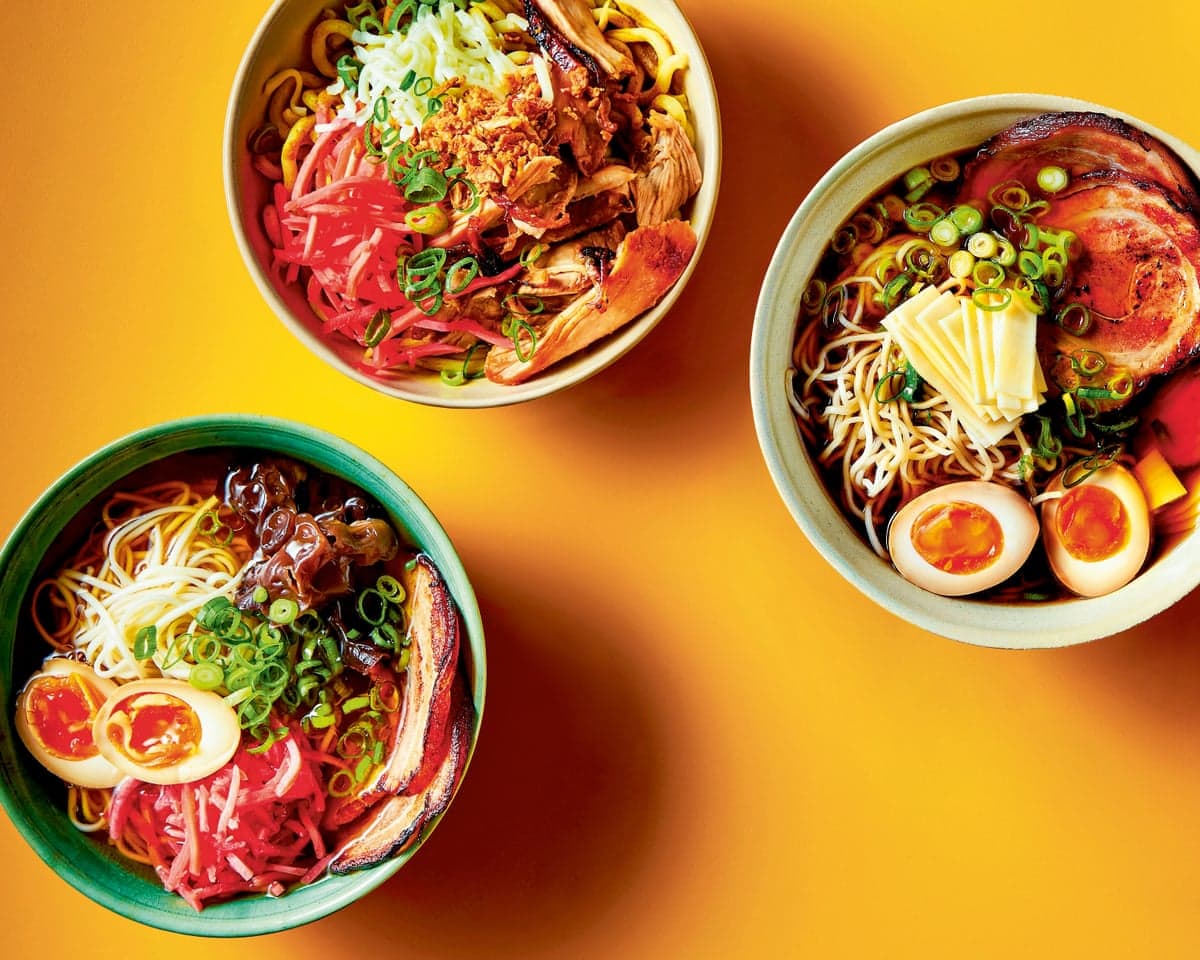
Ramen appears deceptively complex, but understanding its fundamental structure reveals the logic beneath this cornerstone of Japanese cuisine. The dish rests on five pillars: broth, tare (a seasoning sauce that provides depth), noodles, fat and toppings. While the first four components demand time and technique, the toppings deliver the most immediate impact—transforming an ordinary weeknight meal into something worth sharing. This guide explores five distinct interpretations, each demonstrating how the same framework yields wildly different results.
Understanding the Five Elements
Mastering ramen begins with recognising that broth forms the foundation, tare adds complexity and umami, noodles provide texture and substance, fat contributes richness, and toppings deliver visual appeal and flavour contrast. The first four components benefit from time investment, but shortcuts exist: shop-bought stock and quality dried noodles are perfectly acceptable starting points. The real payoff arrives with toppings, which transform preparation time from hours into minutes while creating the most memorable elements of the bowl.
A universal principle applies across all versions: spring onions should garnish every bowl, with finely diced white onion serving as a substitute if necessary. Broths should measure approximately 300ml per serving, and instant dashi works adequately unless you follow a vegan diet—in which case, steep 20g each of kombu and dried shiitake in one litre of cold water overnight, reserving the mushrooms for other components. Standard noodle portions weigh 130g unless a recipe specifies otherwise, and specialist ingredients are obtainable through online retailers or local Asian supermarkets.
The toppings described here are not exclusive to single bowls; they function across multiple dishes and cuisines. Chashu (braised pork belly) elevates a cheese toastie, soboro (spiced mince) works beautifully over rice, and ajitama (marinated eggs) transforms a caesar salad. The seasoning sauces prove equally versatile: tantanmen tare enriches scrambled eggs, miso tare improves corn on the cob, and shio tare enhances almost any savoury dish.
Tokyo Shoyu: The Platonic Ideal
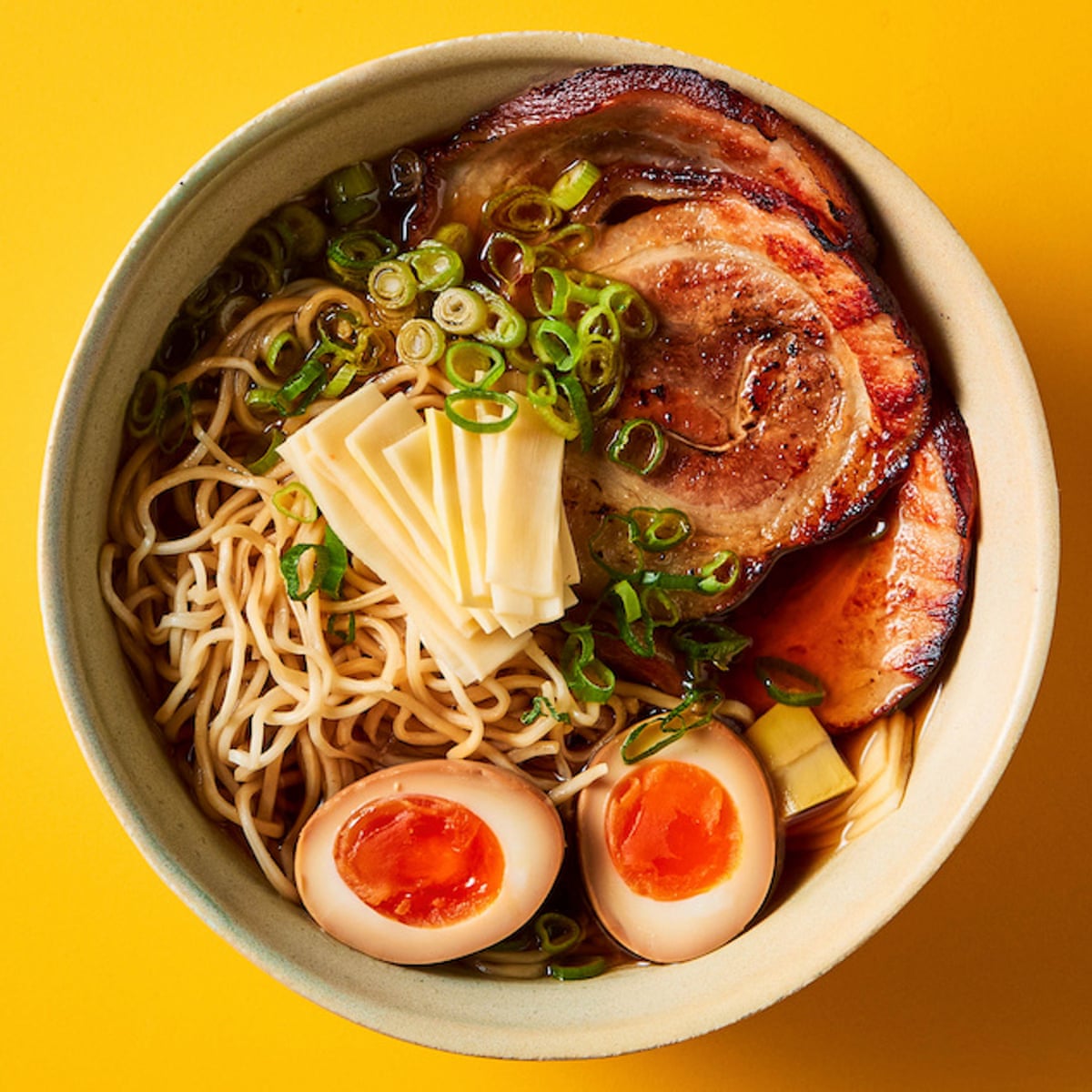
Tokyo-style shoyu ramen represents ramen in its most refined form, and a single piece of pork accomplishes triple duty—providing the topping, tare and fat simultaneously. The broth combines equal parts chicken stock and dashi. The tare derives from 3-4 tablespoons of chashu braising liquid, while fat comes from 1 tablespoon skimmed from chilled braising liquid. Medium classic noodles pair with pork belly chashu, shop-bought menma (seasoned bamboo shoots) and ajitama.
For the chashu, which yields 6-8 servings, roll and tie 500g of pork belly, then brown it thoroughly in a pan. Deglaze with 150ml sake, then add 300ml each of shoyu, mirin and water, along with 30g demerara sugar, six sliced garlic cloves and a 4cm piece of sliced ginger. Simmer gently while turning for two hours. Cool the meat in its braising liquid to room temperature, then refrigerate overnight. Slice into 1cm-thick pieces and torch or pan-fry before serving.
The origins of Tokyo-style shoyu ramen have recently gained renewed attention. Asakusa Rairaiken, the establishment historically associated with the emergence of Tokyo-style shoyu ramen, reopened in Asakusa on July 2, 2026, following approximately 80 years of closure. The revived shop's signature "Hyakunen Shoyu Raumen" employs Yamasa soy sauce, the brand reportedly used by the original Rairaiken, and wheat from a modern variety with genes traced to Meiji-era grain. However, Rairaiken's status as Japan's first ramen shop remains disputed; the Shin-Yokohama Ramen Museum describes it instead as the shop that ignited Japan's first ramen boom.
Tantanmen: Sichuan Heat Meets Ramen
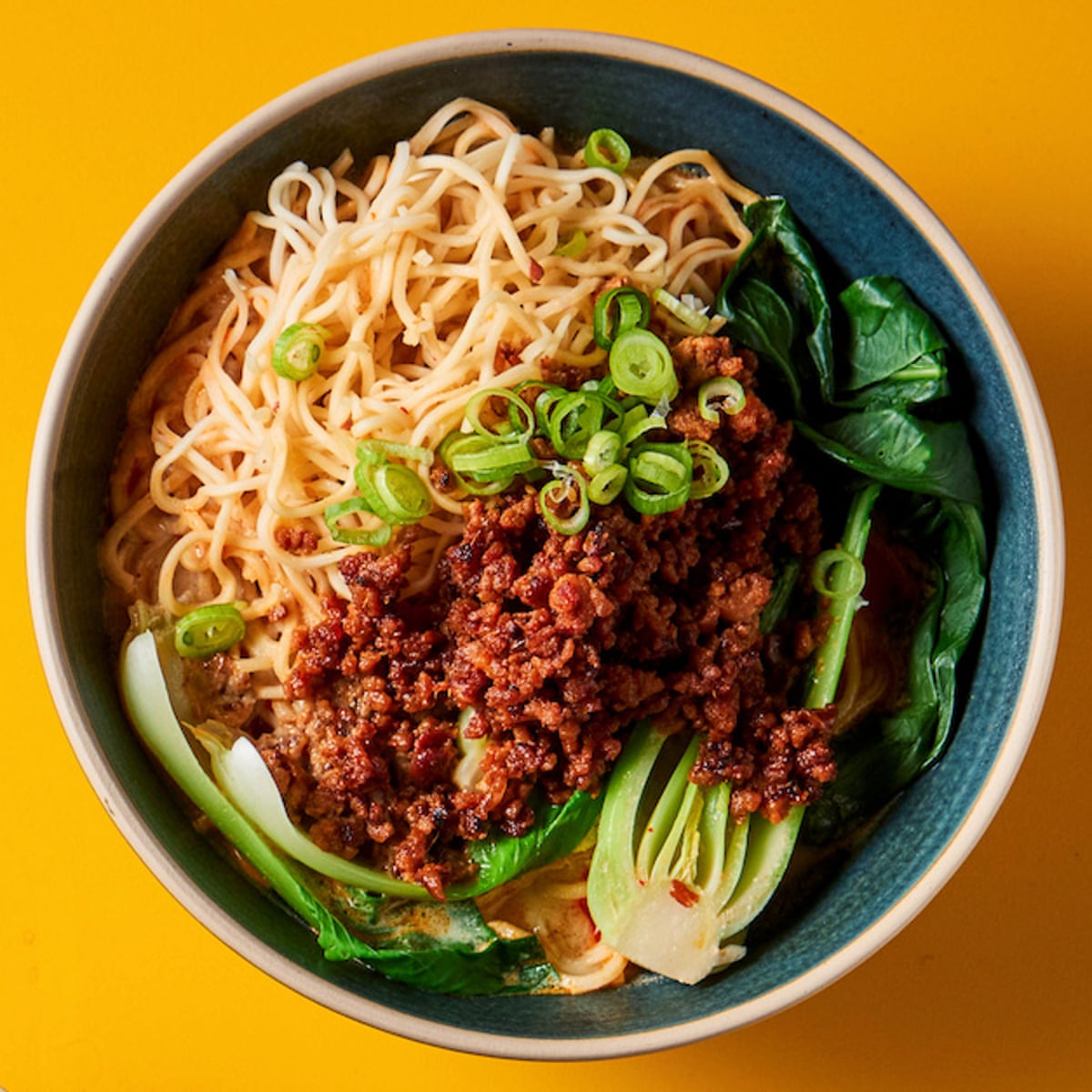
This interpretation adapts Sichuan dan dan noodles into ramen format, combining sesame, spice and a soboro (spiced mince) that functions like a ragu. The broth blends equal parts kombu-shiitake dashi and unsweetened soy milk. The tare combines 2 tablespoons tahini, 1½ tablespoons shoyu, 2 teaspoons black vinegar, 1 teaspoon sugar, and a pinch each of MSG and ground Sichuan pepper. Fat arrives via 1 tablespoon rayu chilli oil, paired with medium classic noodles, spicy mince soboro and pak choi.
The spicy mince soboro, serving 6-7 people, begins by softening a small diced onion and 2cm piece of grated ginger in oil for five minutes. Add five grated garlic cloves followed by 500g fatty pork mince—though any mince works, and vegan mince will require additional water—and fry until the mixture forms grains rather than lumps. Stir in three tablespoons of doubanjiang (chilli bean sauce), one and a half tablespoons each of shoyu and mirin, plus a splash of water. Cook for 15 minutes until the sauce turns glossy.
Hakata Tonkotsu: Japan's Most Famous Export
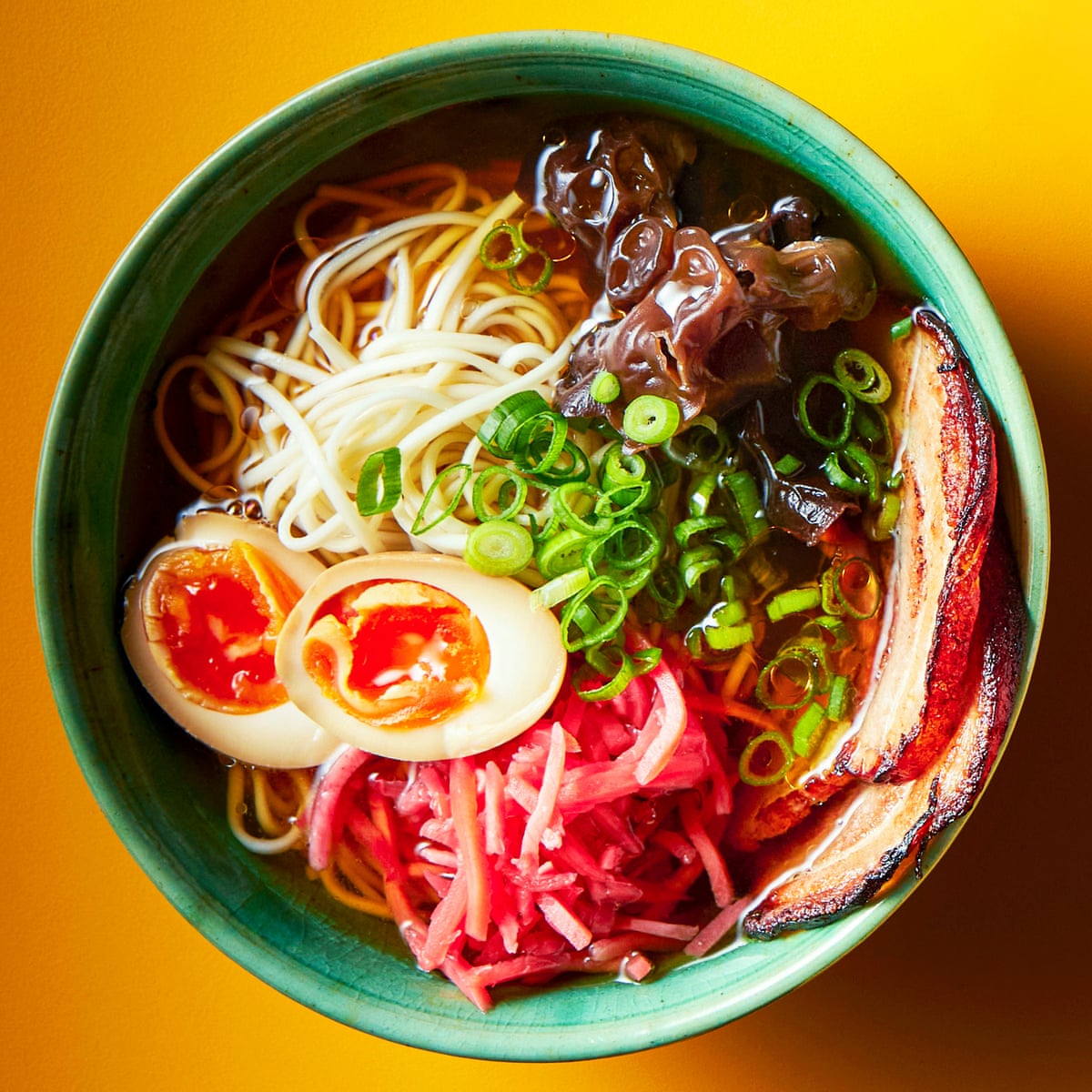
Hakata tonkotsu represents Japan's most celebrated ramen style internationally. Thin, straight noodles swim in a creamy pork bone broth, designed to be consumed quickly. The broth is tonkotsu (pork bone stock). The tare consists of 30ml shio, prepared by dissolving 30g salt, 10g sugar and 10g MSG in 70ml sake, 20ml mirin and 110ml water—this quantity makes approximately 230ml, sufficient for about seven bowls. Fat comes from 1 teaspoon sesame oil, complemented by thin, straight noodles and toppings of ajitama, pork belly chashu, shop-bought kikurage (wood-ear fungus) and beni-shoga (pickled ginger).
Ajitama, serving six people, begins by warming 100ml water and dissolving 10g brown sugar in it, then adding 100ml each of shoyu and mirin before chilling. Pierce six refrigerated large eggs at the wide end and boil for seven minutes, stirring for the first 30 seconds to centre the yolks. Plunge immediately into iced water, peel carefully, and submerge in the cold marinade for 12-72 hours.
Chippy Lane Mazesoba: A Cardiff Cult Classic
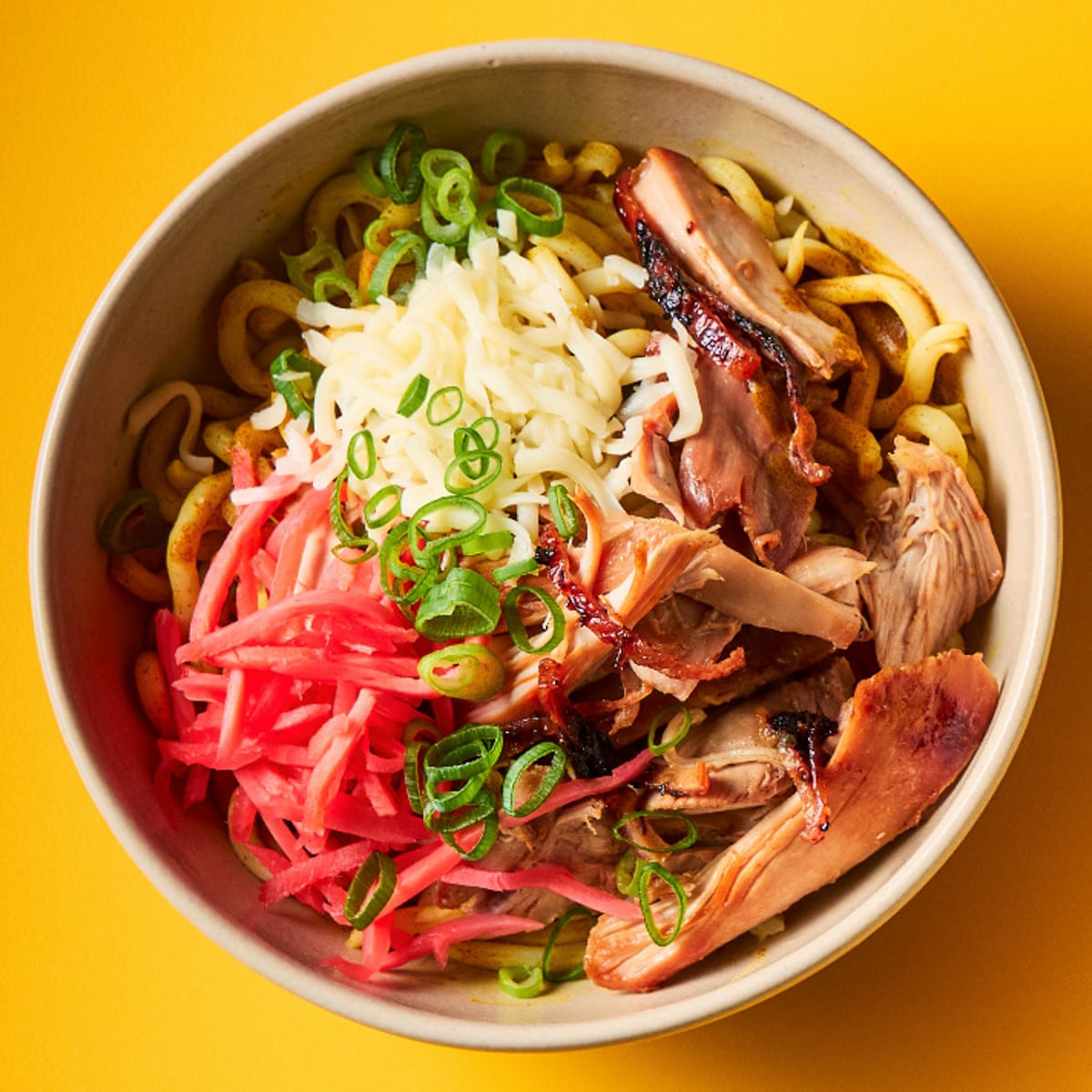
This late-night Cardiff favourite reimagines nagoya mazesoba through a British lens, combining chicken, curry sauce and chips in a bowl where sauce sits at the bottom and hot noodles rest on top, then tossed vigorously together. This version breaks the rules by omitting broth entirely. The tare consists of 100ml shop-bought Japanese curry roux, prepared thick and salty. Fat arrives via 1 tablespoon each of butter and chicken fat (from thighs). Thick noodles weighing 200g pair with shio koji chicken, crispy onions, beni-shoga and grated cheese for those feeling adventurous.
Shio koji chicken thighs, serving 4-5 people, requires coating 500g skinless and boneless chicken thighs in 50g shio koji, 20g mirin, half a tablespoon of shoyu and one teaspoon each of grated ginger and garlic. Leave this mixture to marinate for up to three hours. Add 100ml water, cover and cook over low heat for 45 minutes. Uncover and reduce until the meat crisps, then shred and toss through the glaze.
Sapporo Yasai Miso: Plant-Based Hokkaido Style
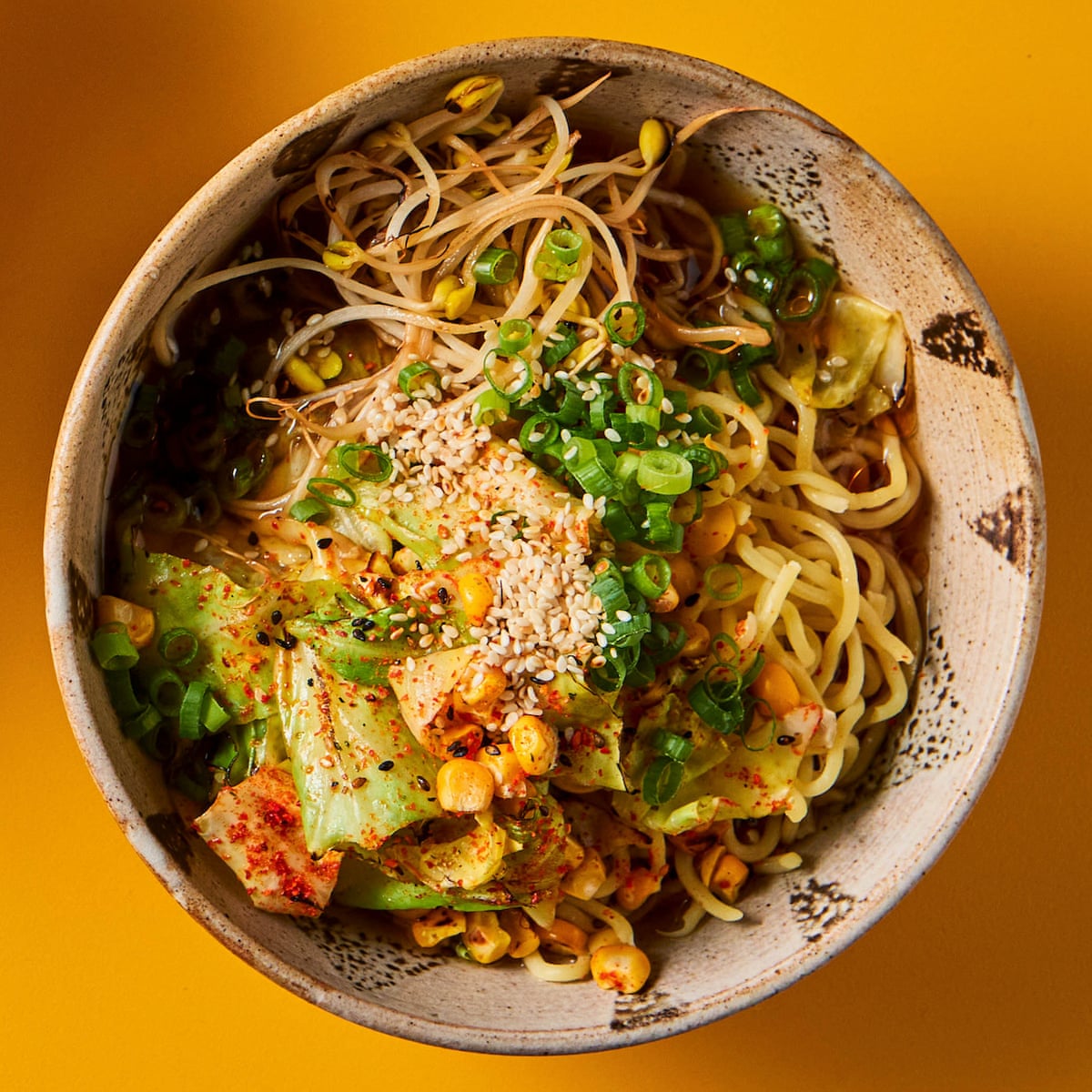
Sapporo miso ramen traditionally relies on pork broth and lard to provide warmth during Hokkaido winters, but this plant-based version demonstrates equal capability. The broth uses kombu-shiitake dashi. The tare measures 60g per bowl, made from 100g each white and red miso combined with 2 tablespoons sake, 1 tablespoon each mirin and shoyu, and 1 teaspoon each of grated raw garlic and ginger. Fat comes from 2 tablespoons vegetable oil fried with grated garlic and ginger. Thick, wavy, yellow noodles pair with stir-fried cabbage and beansprouts, sweetcorn, toasted sesame seeds and butter (optional for non-vegans).
Stir-fried cabbage and beansprouts, serving four people, requires heating a wok until very hot with a small amount of neutral oil. Add 200g shredded cabbage and 150g beansprouts, tossing vigorously for two minutes—the goal is char, not steam. Season with 1 tablespoon shoyu, 1 teaspoon sesame oil and a pinch each of salt, sugar and shichimi togarashi.
The History and Future of Ramen
Ramen's journey reflects Japan's modern history. The dish developed from Chinese noodle preparations brought to Japan; postwar wheat availability and street-food stalls enabled its spread, while regional styles such as Fukuoka tonkotsu and Sapporo miso emerged during the postwar period. These regional variations continue to evolve and inspire new interpretations, as demonstrated by contemporary creations like the Chippy Lane mazesoba.
What Happens Next
The Great Tsukemen Festival's Rā 1 Grand Prix 2026 is scheduled for October 10 to November 15 at a special venue in Tokyo's Okubo Park, offering an opportunity to experience competitive ramen preparation and taste innovations from across Japan. This event continues the tradition of celebrating ramen's diversity and encouraging culinary experimentation within the discipline.