The late 1960s and most of the 1970s presented significant challenges for New York City. Having relocated from France in 1965 alongside a journalist colleague with aspirations of establishing a small photographic agency, I soon discovered myself working independently. The metropolis could prove hazardous, particularly after dark, yet I found satisfaction in documenting the ordinary scenes unfolding around me. By 1969, I had become the inaugural foreign correspondent for the Paris-based Gamma Agency, though I consistently prioritised personal creative endeavours over commissioned work.
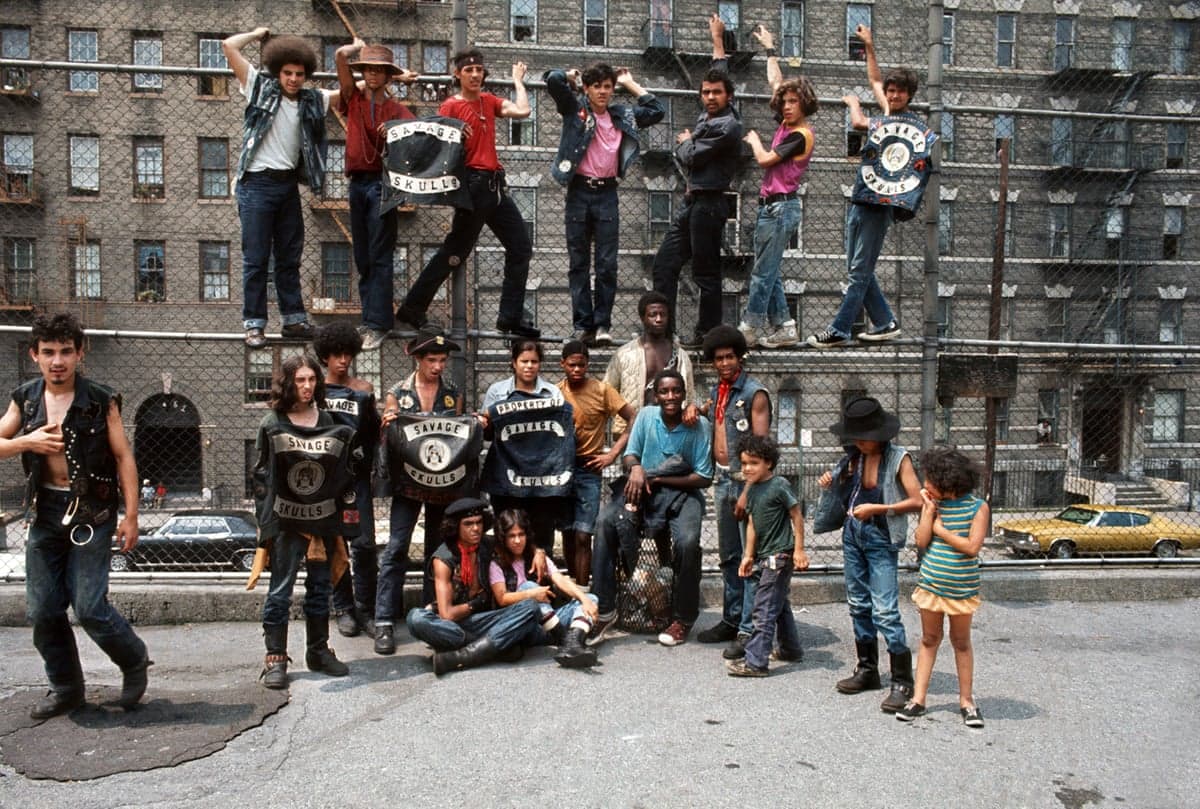
During 1972, while reading the New York Times, I encountered accounts of Bronx gangs engaged in violent confrontations with drug dealers targeting the neighbourhood's youth. Law enforcement officials would discover victims on pavements beneath five-storey structures from which they had been thrown. Multiple gangs operated in the area, including the Savage Nomads and the Dirty Dozen, yet my attention focused on the organisation considered most formidable: the Savage Skulls. The gang was primarily Puerto Rican and based around Fox Street in Hunts Point, and they were involved in running battles with rival gangs, including the Seven Immortals and Savage Nomads.
Reluctant to pursue this documentation alone, I travelled with a French cameraman to Fox Street in the Hunts Point neighbourhood. Upon spotting gang members on the sidewalk, we halted our vehicle and lowered the window. They approached immediately, inquiring about our identities. Learning that we were French and sought merely to observe rather than conduct interviews, they extended an invitation: "If you want just to look at our life, you're welcome." We spent that afternoon in their company, and I returned unaccompanied the following day.
The members guided me through their domain: a basement serving as their clubhouse where they played music and stored weapons, and the surrounding streets where Savage Skulls markings decorated walls, doors and refuse containers. They also frequented a basketball court nearby. Rather than engaging in actual basketball, they engaged in constant physical altercations, wrestling playfully like young animals.
How did the iconic photograph come about?
While present on the court, I proposed: "OK, I'll take a picture of you." They spontaneously moved toward the fence and arranged themselves in the formation visible in the photograph. This positioning emerged entirely from their own initiative rather than my direction. They demonstrated enthusiasm for displaying the sleeveless denim vests they wore, each bearing a painted skull and crossbones on the reverse. The image reveals their youth strikingly—the youngest member I photographed appeared to be 13 years old, with none exceeding 20. The photograph is dated 20 July 1972. The composition evokes imagery from West Side Story, though I suspect members of the Savage Skulls rarely ventured beyond the Bronx.
What was the relationship with law enforcement?
Upon informing police authorities of my project, they cautioned that they could provide no security. However, during one encounter with the gang, a patrol car approached and I captured an image of the members engaging in cordial conversation with the officers inside. The members were predominantly Puerto Rican and communicated in Spanish with one another, necessitating our interaction in rudimentary English. My own English proficiency remained limited at that time, which I believe positioned me as a fellow outsider in their perception. We established an uncomplicated rapport, and they appeared remarkably at ease, even exchanging firearms in my presence. I did not encounter their leader during my brief time with them, as he was hospitalised following an abdominal gunshot wound.
What happened to the people in the photographs?
A woman contacted me the previous year, inquiring whether I recalled a photograph depicting several gang members walking down the street in a line, and whether I remembered one of the individuals being female. Upon confirming my recollection of both the image and the woman, she disclosed: "That was my mother, and she died yesterday." She requested copies, explaining this represented the sole photograph she possessed of her mother. Her mother appeared in multiple images from that period, including the primary photograph where she is visible in front of the fence. I provided enlarged prints for the funeral service. This encounter proved profoundly moving, as it underscored the reality that life persists. The children I documented in 1972 had long ceased to be children.
How has this work been recognised?
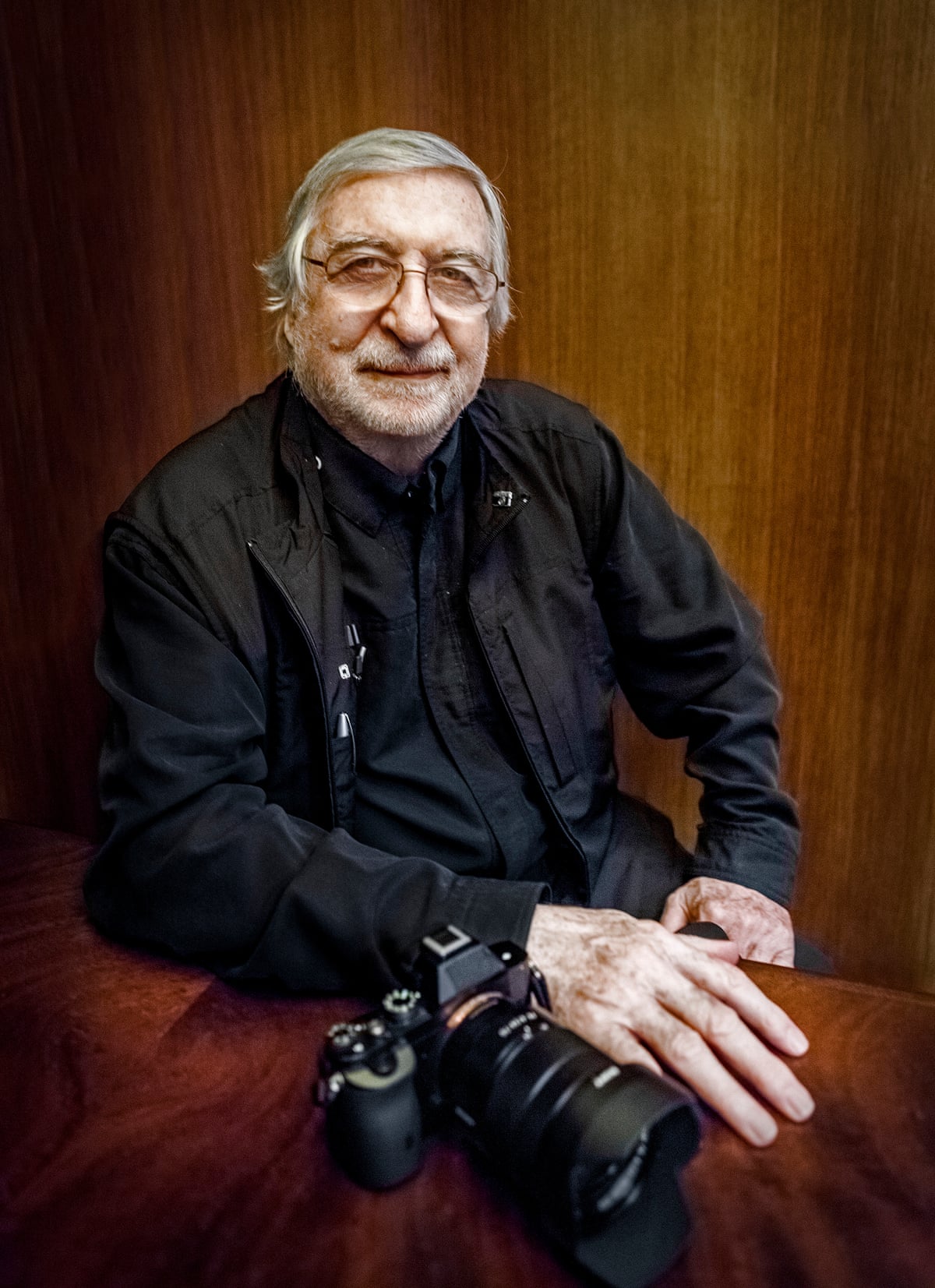
Laffont's Savage Skulls photographs were included in Fotografiska New York's 2023 exhibition Hip Hop: Conscious, Unconscious, which featured 200 photographs by 57 photographers. Additionally, the gang was featured in the 1979 documentary 80 Blocks From Tiffany's, which documented street life in the Bronx during that era. In 2023, I received the honour of being appointed a Knight of the Order of the Legion of Honor in recognition of 60 years dedicated to photojournalism.
What advice would you offer to emerging photojournalists?
The methodology I employed has evolved, and the photojournalism profession is undergoing transformation; it falls to younger practitioners to shape its future direction. Nevertheless, certain foundational principles remain essential to the discipline. My counsel to aspiring photojournalists includes these elements: visit museums and study the creations of influential photographers who inspire you, conduct thorough research into the narratives you wish to explore, maintain observational acuity, approach your work with humility and intellectual curiosity, and remember that you are engaged in the most extraordinary profession imaginable. This calling remains as vital as ever and continues to captivate people's imaginations.