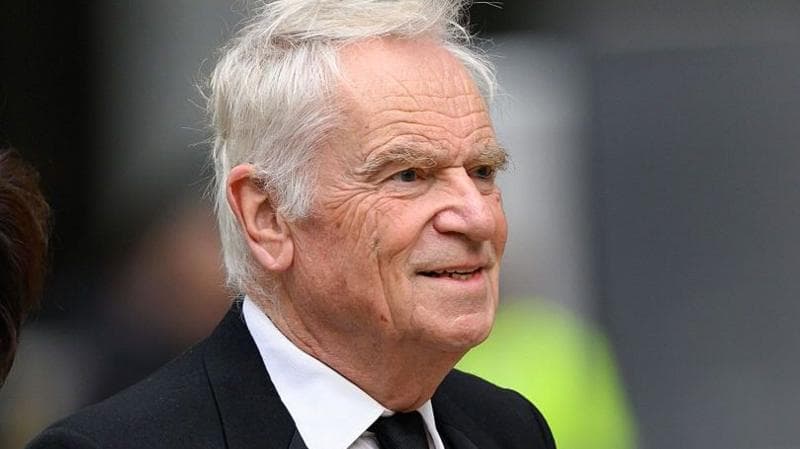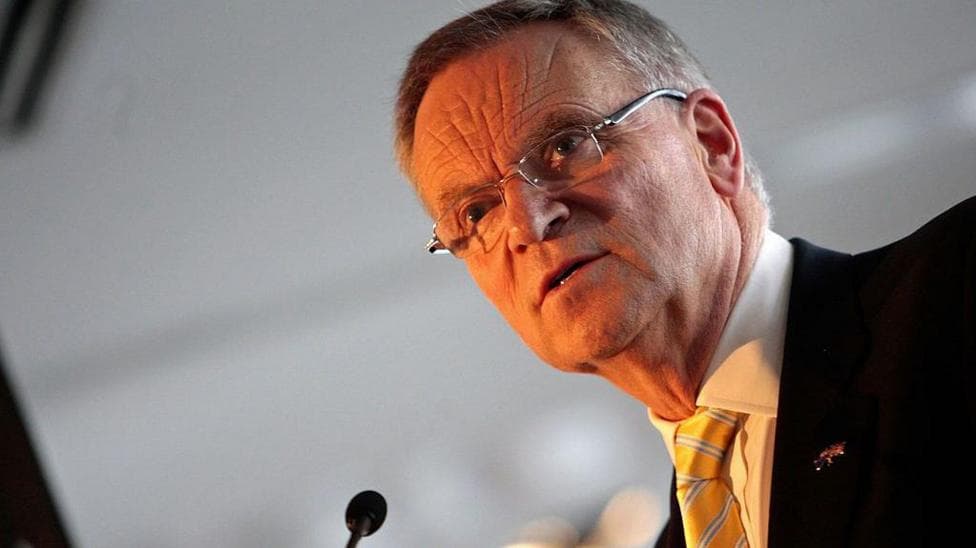
Jeffrey Archer, the prolific novelist and disgraced Conservative politician who died on Monday, 5 October 2026, lived a life as dramatic and unpredictable as the plots of his bestselling books. According to his publisher HarperCollins, he died "suddenly and peacefully" at his home, aged 86. Over five decades, Archer crafted a career marked by extraordinary commercial success, political ambition, and repeated scandals that tested his capacity for reinvention.
Throughout his life, Archer held multiple identities: a senior Conservative politician, a peer of the realm, a convicted perjurer, and one of Britain's most commercially successful authors. His books had sold more than 300 million copies, yet his legacy remained shadowed by a pattern of deception and moral compromise that he seemed unable or unwilling to overcome.
From London to Somerset: An Invented Past
Jeffrey Howard Archer entered the world in north London on 15 April 1940. Within a fortnight, his family relocated to Weston-super-Mare in Somerset, where they purchased a property from the mother of John Cleese. His mother, Lola, worked as the first female journalist at the Weston Mercury newspaper, establishing a foothold in media that would later influence her son's public ambitions.
The foundation of Archer's character, however, was built on fabrication. In later years, he insisted his father William—some 40 years his senior—had been a decorated First World War hero. The reality proved far darker: William Archer was a convicted fraudster who, according to American newspaper records, spent the war years perpetrating confidence schemes in New York rather than serving his country.
Education and the First Deceptions
At Wellington School, perched on the edge of Exmoor, young Archer's academic performance remained unremarkable. He departed with three O-levels and a physique that had been the target of schoolyard ridicule, prompting him to undertake a rigorous fitness programme that would reshape his body and, in many ways, his self-image.
After leaving school, Archer drifted through several occupations: a brief military posting, a physical education course in America, five months as a Metropolitan Police probationary constable, and work as a physical training instructor at prep schools. It was at Dover College that his professional narrative began its transformation into fiction.
Styling himself Jeffrey Archer, FIFPC, BSc, he cultivated the impression of holding a university degree earned during his American sojourn. In reality, as his biographer Michael Crick would later expose, his American "alma mater" was a bodybuilding club. Dover College, sufficiently impressed by his credentials, supported his application to Oxford as a mature student pursuing a one-year Diploma of Education.
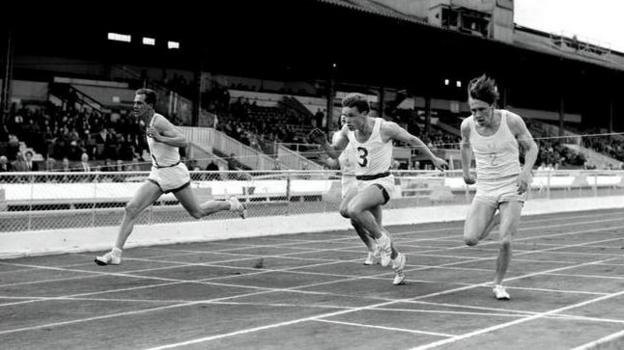
At Oxford, Archer excelled in athletics and earned a Blue, though questions lingered about whether his course genuinely qualified him as a bona fide university member. More significantly, the university introduced him to fellow students destined for prominence in politics, finance, and media—connections that would prove invaluable throughout his career.
He married Mary Weeden, a chemistry student whose beauty had drawn numerous admirers. Archer later reflected on their union with characteristic candour: "It was love at first sight for me, but I don't think it was for her."
The Rise of a Political Operator
Archer's public prominence accelerated when he orchestrated The Beatles' participation in a £500,000 fundraising campaign for Oxfam, a charity with which he was closely associated. Following service as a Conservative councillor in London, he secured selection for the safe Conservative seat of Louth in Lincolnshire, though not without controversy.
A Times reporter, John Clare, uncovered allegations that Archer had misused expenses at a charity, submitting claims for meals at expensive London restaurants. When confronted, Archer reportedly wept and pleaded for the story's suppression. The article eventually appeared, but with crucial details omitted.
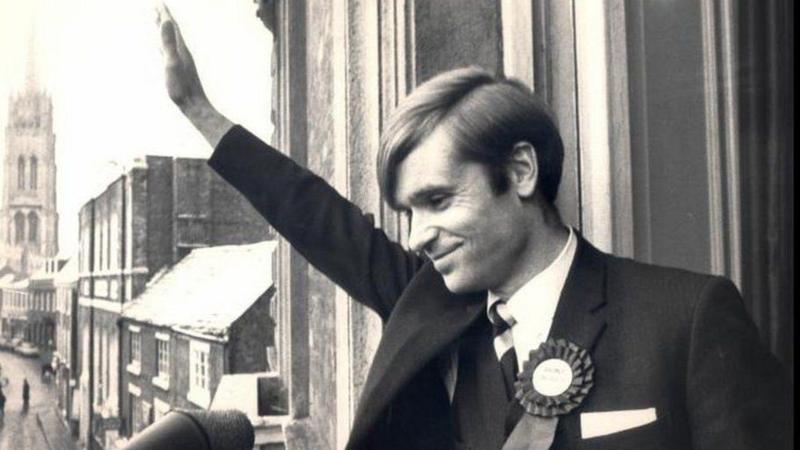
Party members in Louth overlooked these concerns and adopted him as their candidate. In a December 1969 by-election, he won the seat decisively. He and Mary established themselves in an expensive Kensington residence, and Archer joined the exclusive Lloyd's insurance market while cultivating a reputation as a liberal voice within his party.
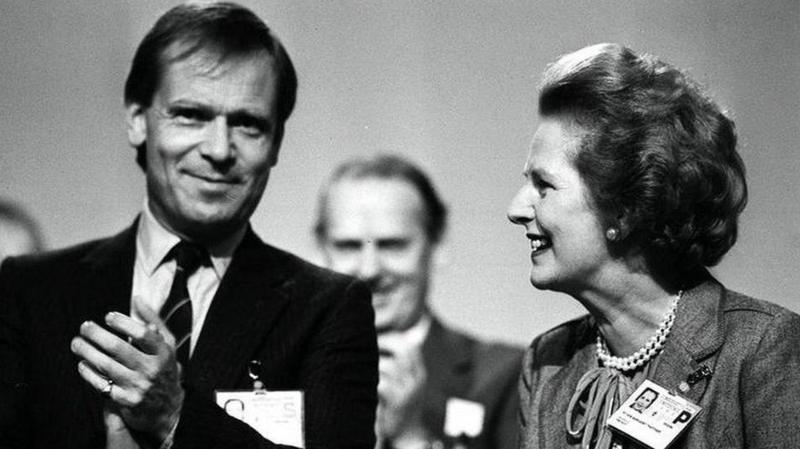
His parliamentary career proved short-lived. In 1974, Archer invested heavily in a Canadian company promising a revolutionary carbon emissions reduction process. The venture was a fraud. Having mortgaged his home and borrowed extensively from other sources, Archer faced bankruptcy and was forced to resign his seat.
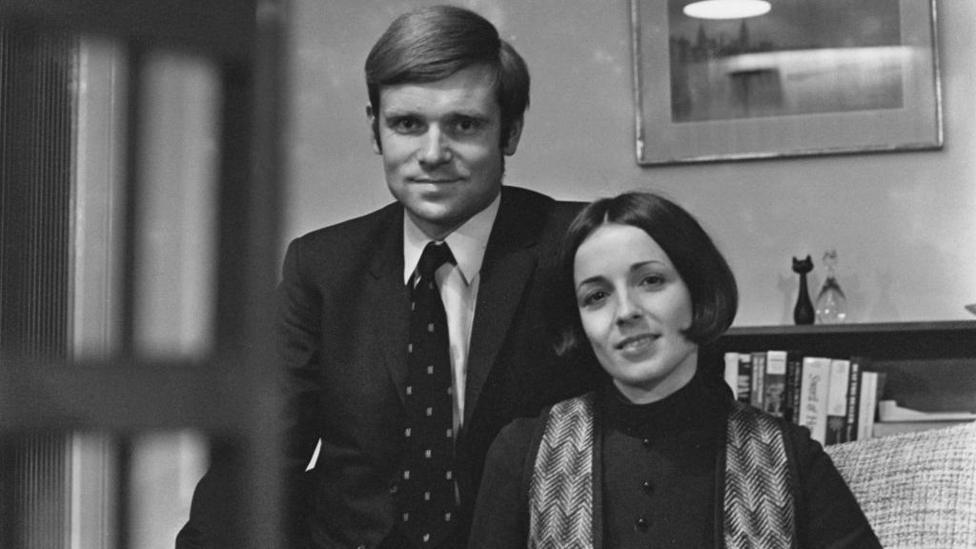
Reinvention Through Fiction
Rather than fade into obscurity, Archer negotiated a settlement with creditors and channelled his financial catastrophe into creative energy. His debut novel, Not a Penny More, Not a Penny Less, published in 1976, chronicled an American immigrant's ascent from messenger boy to corporate magnate—a narrative arc mirroring his own tumultuous trajectory. Despite critical dismissal, the book sold substantially, particularly in America, generating royalties that addressed his financial distress.
Three years later, Kane and Abel, a compulsively readable account of two men's intertwined financial destinies, achieved commercial triumph. First Among Equals, released in 1984 and exploring a ruthless competition for the Prime Minister's office, cemented Archer's status as one of Britain's highest-earning and most widely read authors.
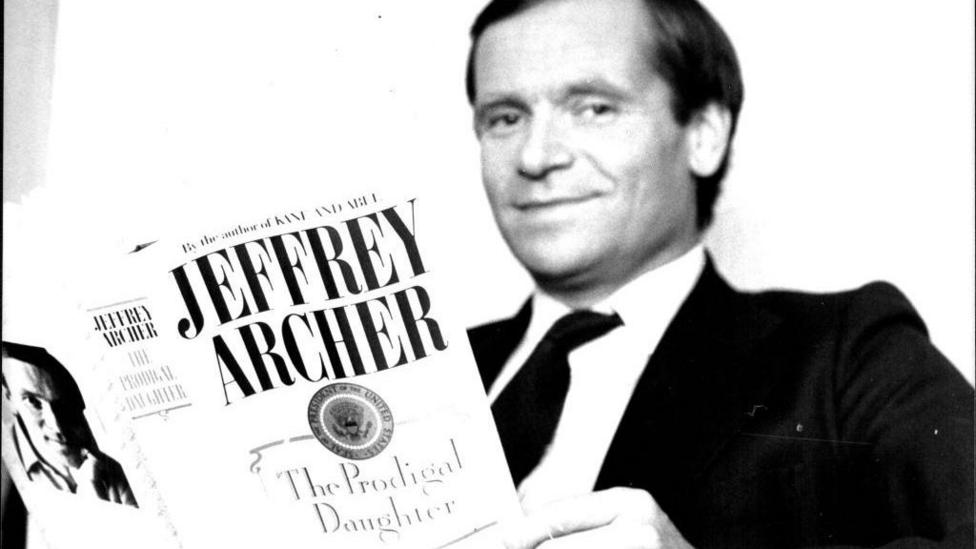
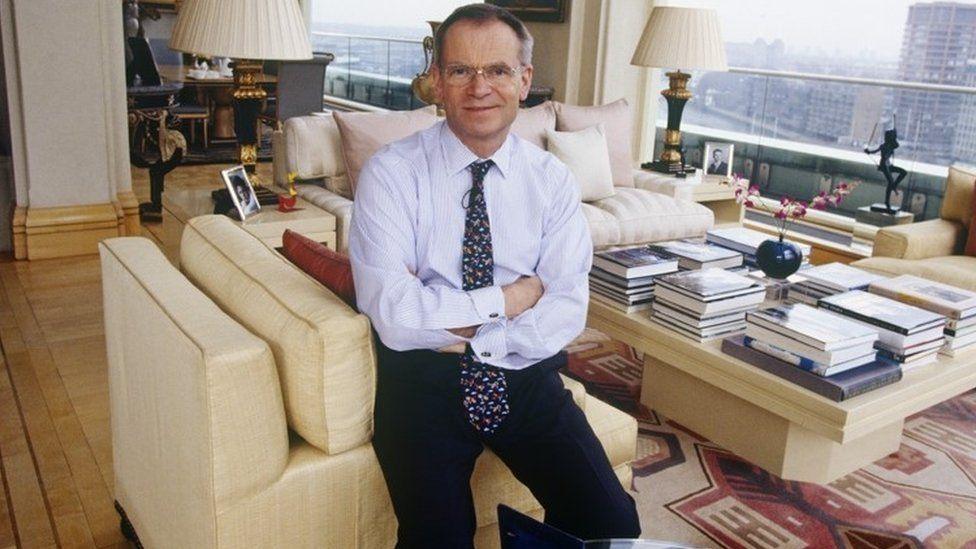
His literary success enabled acquisitions that reflected his aspirational worldview: the Old Vicarage at Grantchester near Cambridge, formerly home to war poet Rupert Brooke, and a London penthouse where he hosted lavish gatherings featuring champagne and shepherd's pies served to the nation's elite.
The Libel Trial and Political Resurrection
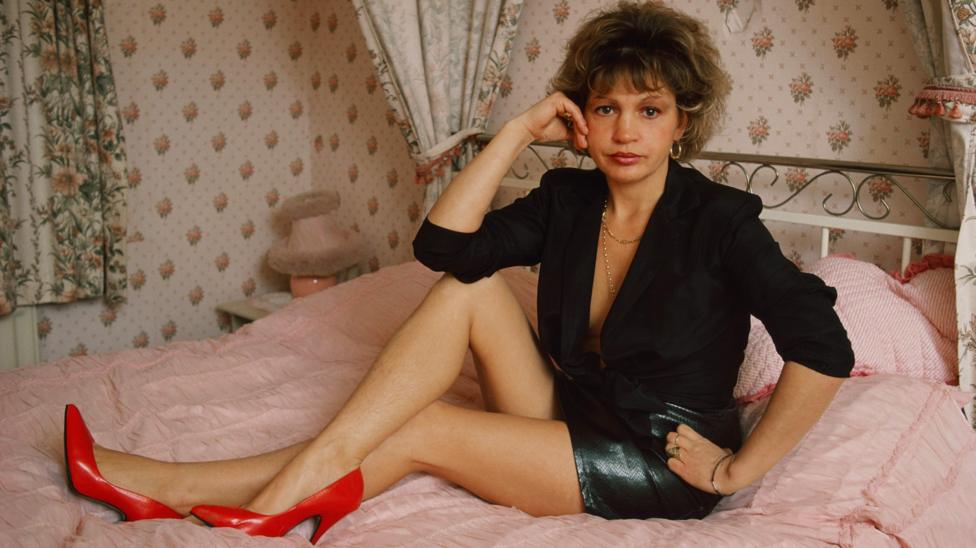
In October 1986, the News of the World published photographs of Archer's associate Michael Stackpole transferring £2,000 to Monica Coghlan, a sex worker, ostensibly to encourage her departure abroad. While the News of the World refrained from directly alleging Archer's involvement, the Daily Star proved less circumspect in its accusations.
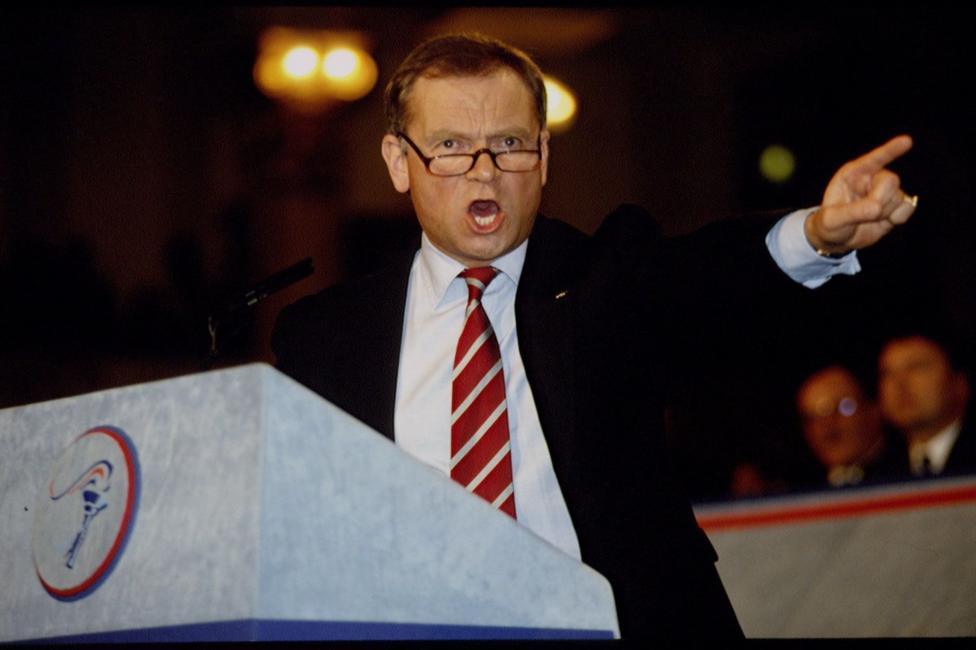
Archer resigned his position as Deputy Chairman of the Conservative Party—a role Margaret Thatcher had awarded him in 1985 in recognition of his fundraising prowess—and initiated libel proceedings against the Star. In court, he characterised the payment as a benevolent gesture to a woman experiencing hardship. Friends provided testimony placing him elsewhere on the evening in question.
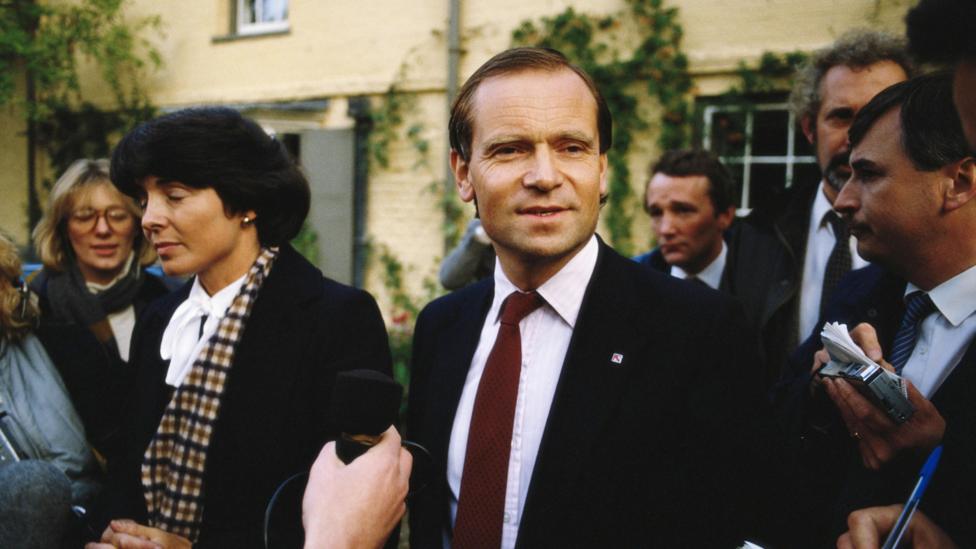
The decisive moment arrived when Mary Archer testified. Her courtroom presence so captivated Mr Justice Caulfield that in his summing-up, he posed a rhetorical question that would become infamous: why would a man married to such a "fragrant" woman require "cold, unloving, rubber-insulated sex" in a "seedy hotel round about quarter to one on a Tuesday morning after an evening at the Caprice?" The jury found in Archer's favour, awarding him £500,000 in damages. The News of the World subsequently settled out-of-court, also admitting libel.
The victory rehabilitated Archer's political standing. In 1992, Prime Minister John Major elevated him to the peerage in recognition of his charitable work assisting Kurds oppressed by Saddam Hussein's regime. His literary output continued unabated, and his estimated wealth exceeded £50 million.
Insider Trading and the Mayor's Campaign
In 1994, Mary Archer joined the board of Anglia Television, which faced a takeover bid. The day after the board discussed the proposed acquisition, Archer purchased 50,000 shares on behalf of a friend. When the takeover was publicly announced, the shares appreciated substantially, yielding Archer a profit approaching £78,000. Although a subsequent investigation cleared him of insider dealing, the episode damaged Conservative credibility during a period already beset by sleaze allegations.
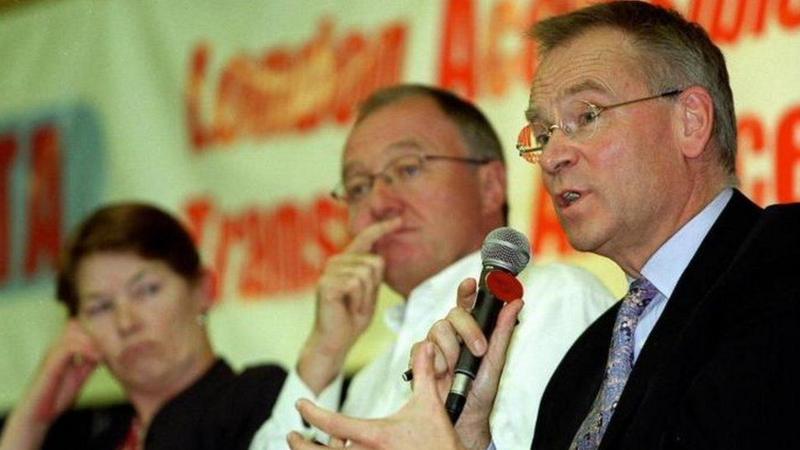
Under new party leader William Hague's backing, Archer secured selection as the Conservative candidate for London Mayor in 1999. His candidacy collapsed within months when the News of the World published an interview with Ted Francis, Archer's former associate, who alleged that Archer had committed perjury during his 1987 libel action. Archer resigned immediately. "This is the end of politics for Jeffrey Archer," Hague declared. "I will not tolerate such behaviour in my party."
Conviction and Imprisonment
In 2000, Archer faced charges of perjury and perverting the course of justice. Simultaneously, his play The Accused premiered in London, a theatrical experiment in which audiences served as jurors determining guilt or innocence nightly.
In May 2001, a month after Monica Coghlan's death in a road accident, Archer stood trial. This time, Mary's testimony failed to sway the court. He was convicted and sentenced to four years imprisonment.
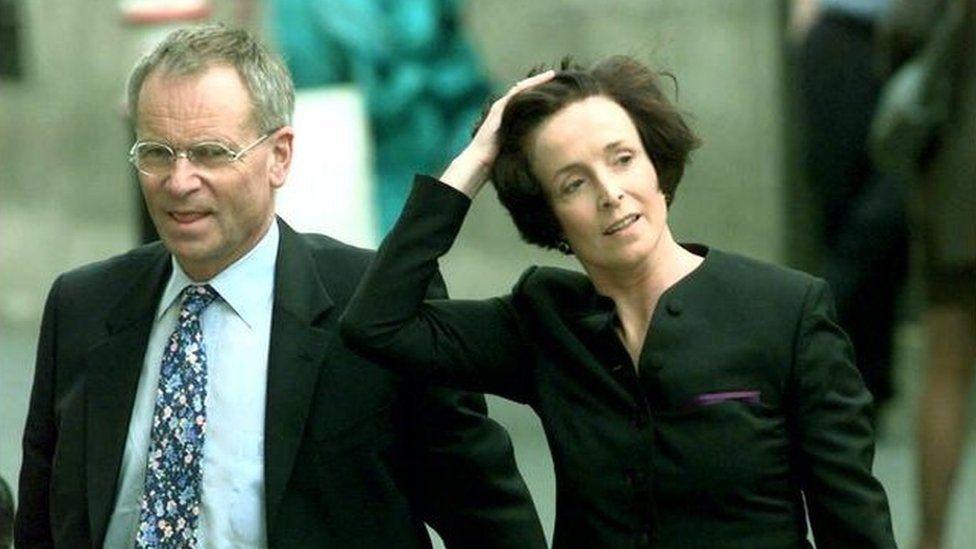
Following his conviction, police investigated allegations that Archer had misappropriated funds from the Kurdish charity with which he had been involved. Donors had contributed approximately £57 million, yet substantial sums appeared unaccounted for. Police ultimately concluded that Archer himself had received minimal personal benefit from the donations.
Archer served his sentence at HM Prison Belmarsh and subsequently HM Prison Weyland, transforming his incarceration into literary material. He published My Prison Diary, a three-volume account of his institutional experience. Released after two years, having served half his sentence, he reflected: "I learned a lot from it. The British people are very forgiving."
Remarkably, Archer retained his House of Lords seat, as no mechanism existed to remove a disgraced peer. He remained a member of Britain's upper chamber until his formal retirement in 2024.
The Final Decades as a Writer
Throughout his 80s, Archer maintained a prolific publishing schedule, releasing one or two novels annually. The Clifton Chronicles, a multi-volume saga following dockworker Harry Clifton's turbulent existence, occupied much of his later creative energy. He also produced seven novels featuring William Warwick, a fictional police officer ascending from constable to the Metropolitan Police's highest ranks—a trajectory Archer himself had briefly pursued in his youth.
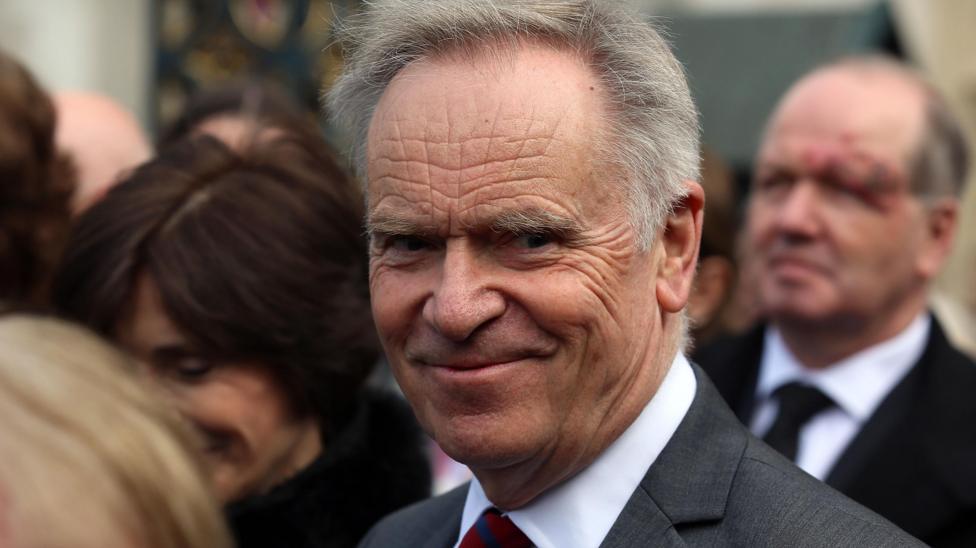
In January 2026, at age 85, Archer announced that his forthcoming novel, Adam and Eve, would constitute his final work. The epic narrative, inspired by Hitler's strategic hesitation regarding a British invasion, represented his attempt at a grand artistic statement. "Everyone would like to run their last 100m at the Olympics and win the gold medal," he told a national broadcaster in September 2026.
According to his publisher, Adam and Eve was scheduled for publication on 6 October 2026, just one day after Archer's death.
Legacy and Literary Assessment
Critics rarely praised Archer's prose style, his comedic sensibility, or the psychological complexity of his characterisations. Yet none could dispute his unparalleled gift for constructing propulsive, aspirational narratives—stories of ascent and accumulation that, once commenced, resisted abandonment. His plots, however formulaic, possessed an addictive quality that translated into extraordinary commercial returns.
Throughout his existence, Archer appeared constitutionally incapable of distinguishing autobiographical reality from invented narrative. His relentless pursuit of public recognition, wealth, and status drove him to construct elaborate fictions about his background, qualifications, and conduct. The boundary between his novels and his life became increasingly porous, each informing and corrupting the other.
He departed as a wealthy man, though one whom few genuinely trusted. His death marked the conclusion of a career unparalleled in its combination of commercial triumph and moral failure—a life that, in its contradictions and reversals, rivalled the melodramatic complexity of his most ambitious fictional creations.