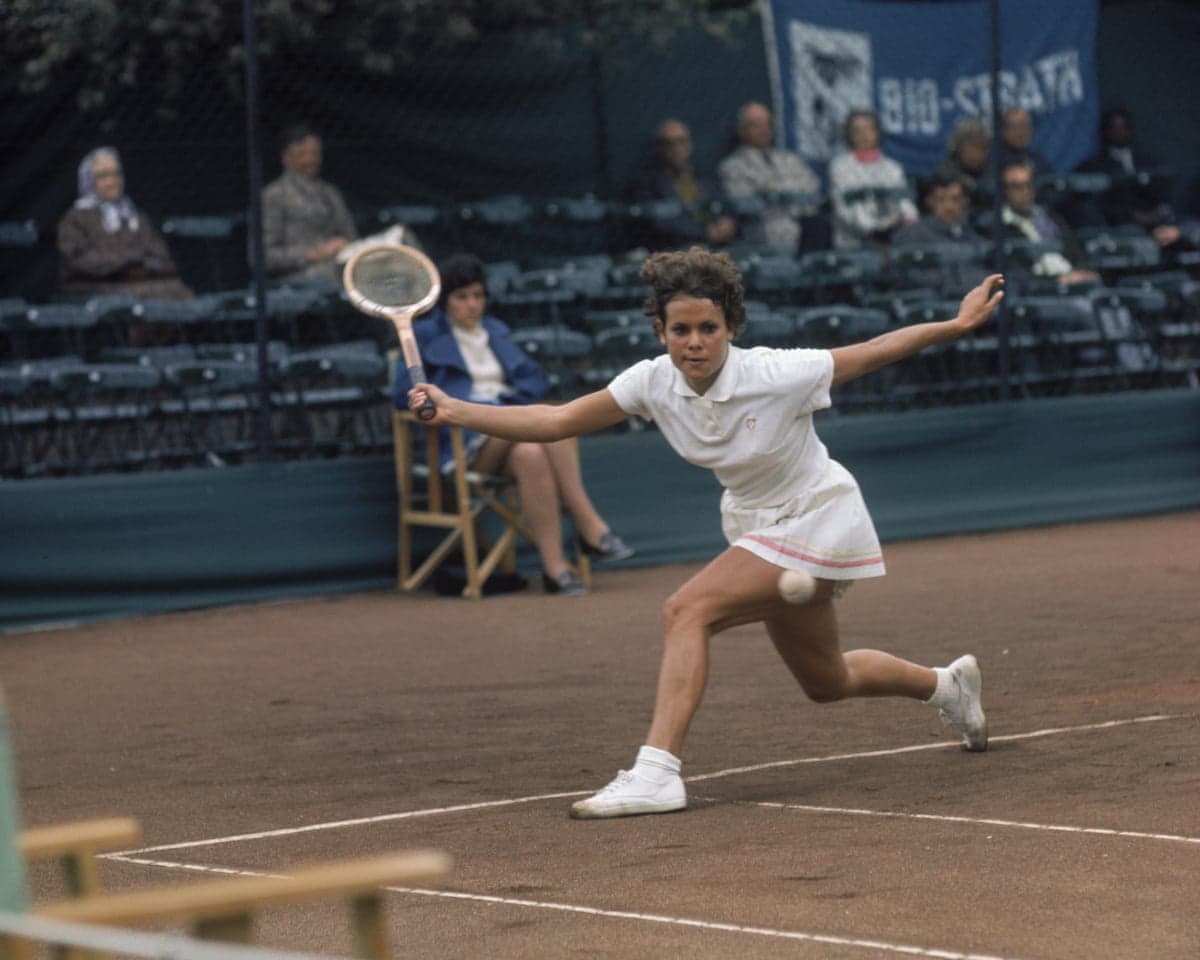
As a teenager in Sydney pursuing a singular ambition to become the first Aboriginal tennis champion, Evonne Goolagong was working towards her goal when an act of racism on the court fundamentally altered her understanding of the world and her place in it.
In 1969, at the age of 17, Goolagong had been living in Sydney with her tennis coach Vic Edwards and his family for several years after leaving her hometown of Barellan, located on Wirajudjuri country in the Riverina region of New South Wales. She had completed her secondary education at Willoughby Girls High – where she was the only Aboriginal student – and was undertaking a secretarial course at the Metropolitan Business College, conveniently situated near the headquarters of the Foundation for Aboriginal Affairs.
The foundation served as a cultural hub for city-based Aboriginal people seeking community and support. Goolagong spent increasing amounts of time there with friends Isabel and Bob, with whom she was casually involved. While Isabel and Bob were energetic and engaging, they possessed a sharp awareness of the political dimensions of being Black in Australia. Through their influence, Goolagong began to grasp the systemic injustices embedded in Australian society – a knowledge that contrasted sharply with her own sheltered upbringing.
At that moment in her life, Goolagong's singular focus was becoming the first Aboriginal tennis champion. Achieving this required her to compartmentalise her life, shutting out everything except tennis – including the political awakening happening around her. She was preparing for a European tour, and her training schedule included twice-weekly doubles matches with Trisha Edwards, the daughter of her coach, at the White City badge competition. The pair had developed a formidable partnership over years of playing together, earning the nickname "tennis twins" for their coordinated appearance in matching dresses at tournaments.
What happened during that fateful match?
During a routine doubles game at White City against two older women, Goolagong and Trisha won decisively. As they approached the net to shake hands with their opponents, one of the women turned to her partner and uttered a racial slur – the N-word – expressing shock at being defeated by a person of colour.
The slur struck Goolagong with devastating force. She had never been called it before, and the moment felt surreal, as though it were happening to someone else. Initially, she wondered if she had misheard, but when Trisha responded sharply, the reality became undeniable. Standing at the net with Trisha, both began to cry, embracing in the centre of the court as the weight of the moment overwhelmed them.
Goolagong struggled to comprehend why a single word – one that felt foreign, borrowed from American culture rather than rooted in Australian racism – could wound her so profoundly. Yet it did. The protective bubble constructed by her family and the Edwards household had been shattered, and with it, her innocence.

Still in tears, Goolagong called Isabel at the foundation.
"You jump in a taxi and get here right now,"Isabel instructed. When Goolagong arrived, Isabel and Bob held her as she wept, offering comfort and perspective.
"These things happen to us all the time. You just have to deal with it, and you can. You're strong,"Bob told her gently. The group spent hours drinking coffee and processing the incident together.
How did those around her respond?
When Goolagong returned to the Edwards household, Trisha had already informed Vic Edwards of the incident. Though Edwards was known for his quick temper, he responded with measured determination. He contacted the NSW Lawn Tennis Association by telephone and began drafting an official complaint.
"We have to deal with this in the proper manner, through the correct channels,"he said. Goolagong never learned the outcome of his complaint, but she never encountered the woman at White City again.
The racist incident at White City was not an isolated experience for Goolagong during her teenage years. According to reporting ahead of her memoir's release, while at Willoughby Girls High, she was assigned a school essay in which she was asked to write from a settler's perspective and describe shooting Aboriginal people. She completed the assignment and received a perfect score of 10 out of 10 – an experience that compounded the normalisation of anti-Aboriginal sentiment in her education.
How did this moment change her?
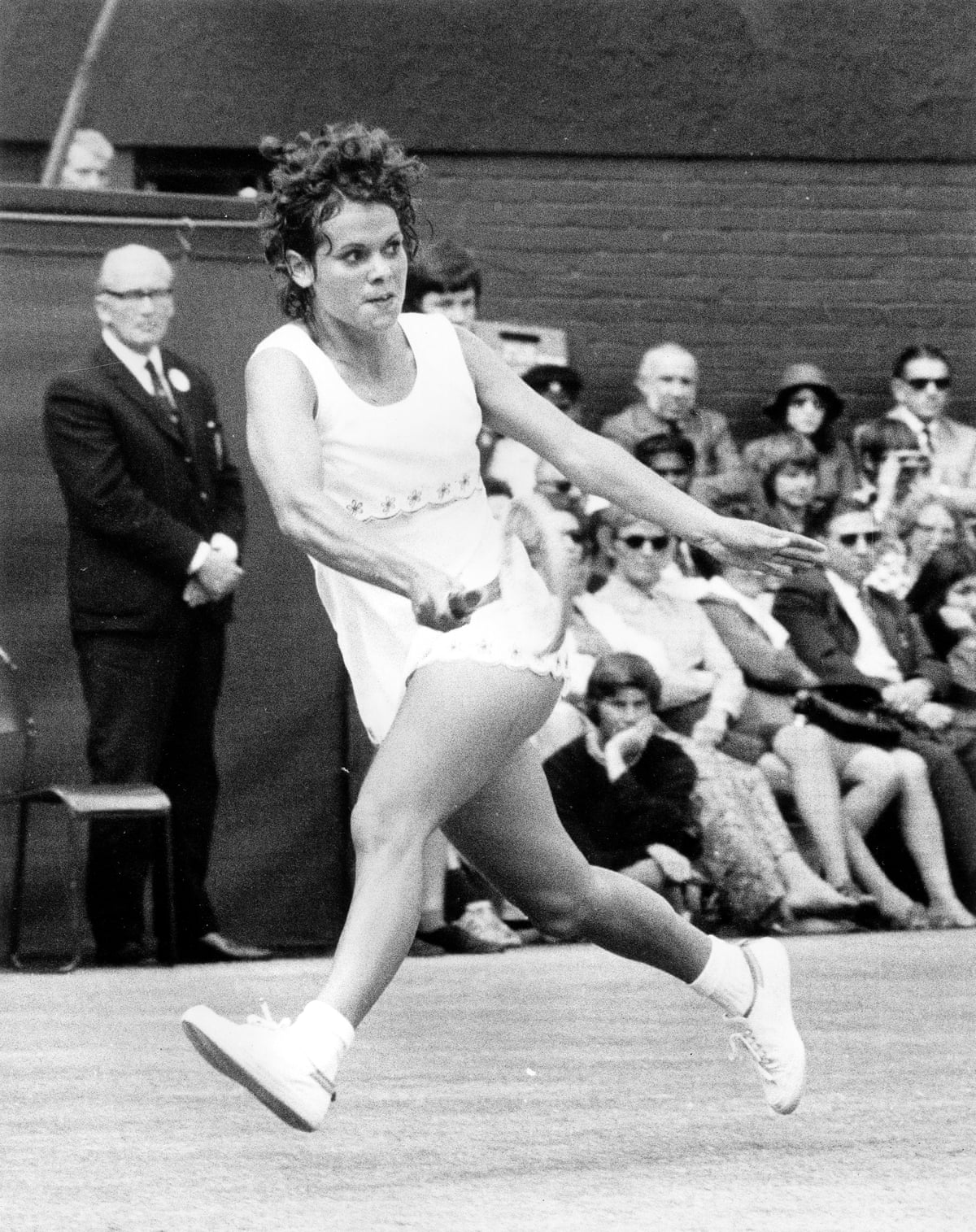
Something irreversible shifted within Goolagong after the incident at White City. Her naivety had been fractured, and she could never return to the innocence of before. She began spending more time at the foundation, where her friends reminded her of her cultural identity in ways that fostered pride rather than homesickness. For the first time, she felt genuinely proud to be Aboriginal – a transformation that would shape her identity and her future achievements.
Two years later, in 1971, Goolagong won her first Wimbledon singles title, becoming the first Aboriginal woman to claim the championship. The victory transcended personal achievement; it represented a triumph for all Aboriginal people. She saw herself as breaking new ground, occupying space that had been denied to her community, and inspiring the next generation of Aboriginal athletes to pursue their own dreams.
Goolagong has since established a lasting legacy beyond her tennis accomplishments. The Evonne Goolagong Foundation, established in 2012, uses tennis as a vehicle to improve Indigenous education, health, and sports participation. The foundation has run the Goolagong National Development Camp for Indigenous girls and boys since 2005, monitoring young participants from age five through to employment, ensuring that the pathway she carved remains open for others.
What comes next?
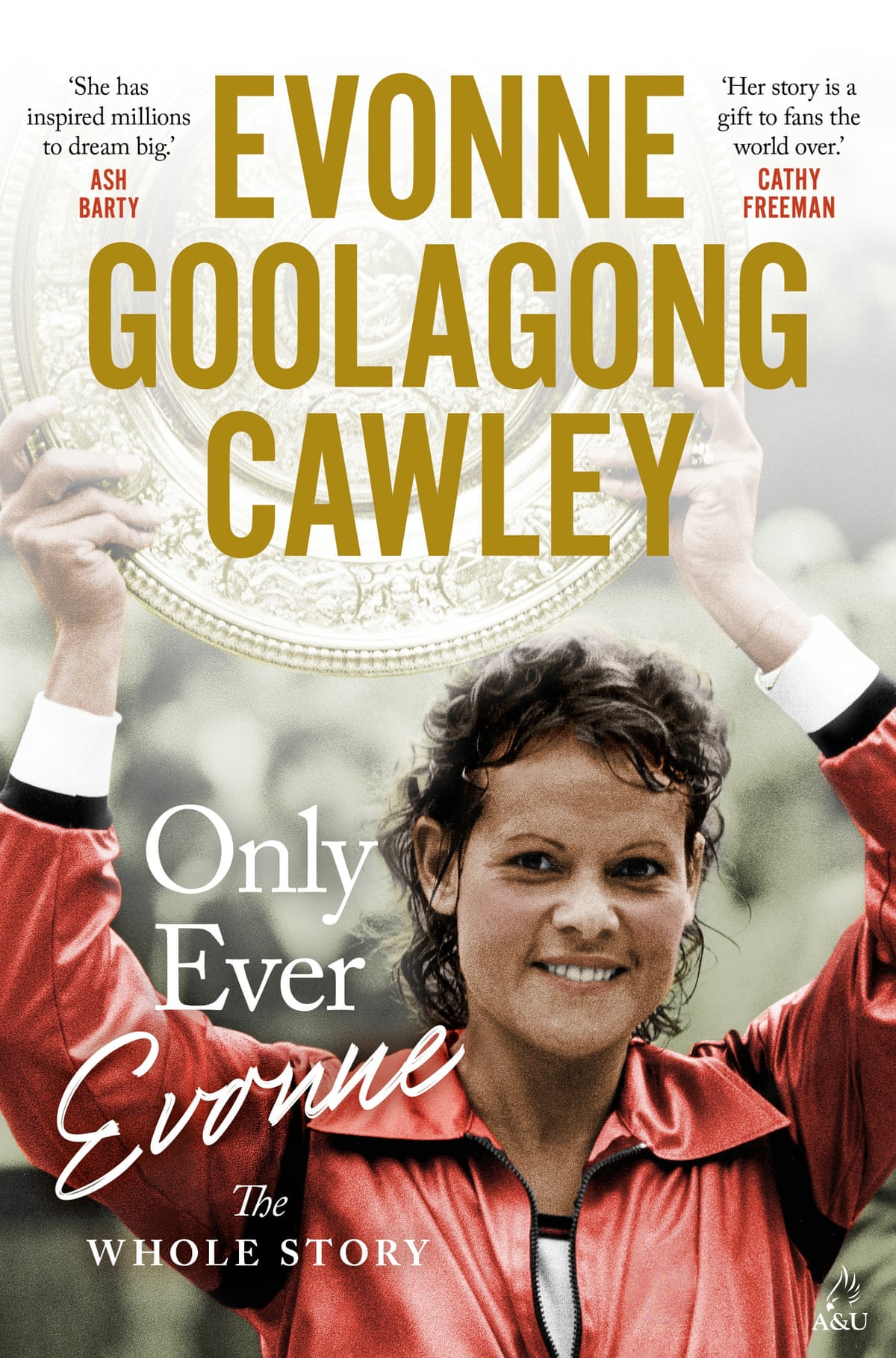
Goolagong's full account of her journey, including the racist incident at White City and its profound impact on her identity and career, is detailed in her memoir Only Ever Evonne, scheduled for release on September 29, 2026, published by Allen & Unwin. The book offers an intimate exploration of how a moment of racism became a catalyst for her awakening to her identity and her role as a pioneer for Aboriginal representation in sport.
Key Facts
- Goolagong was 17 years old and training for a European tour when she was called a racial slur during a doubles match at White City in 1969
- The incident prompted her to spend more time at the Foundation for Aboriginal Affairs, where she developed a sense of pride in her Aboriginal identity
- She won her first Wimbledon singles title in 1971, becoming the first Aboriginal woman to achieve the feat
- The Evonne Goolagong Foundation has supported Indigenous youth in tennis and education since 2005
- Her memoir detailing these experiences and her career is being released on September 29, 2026