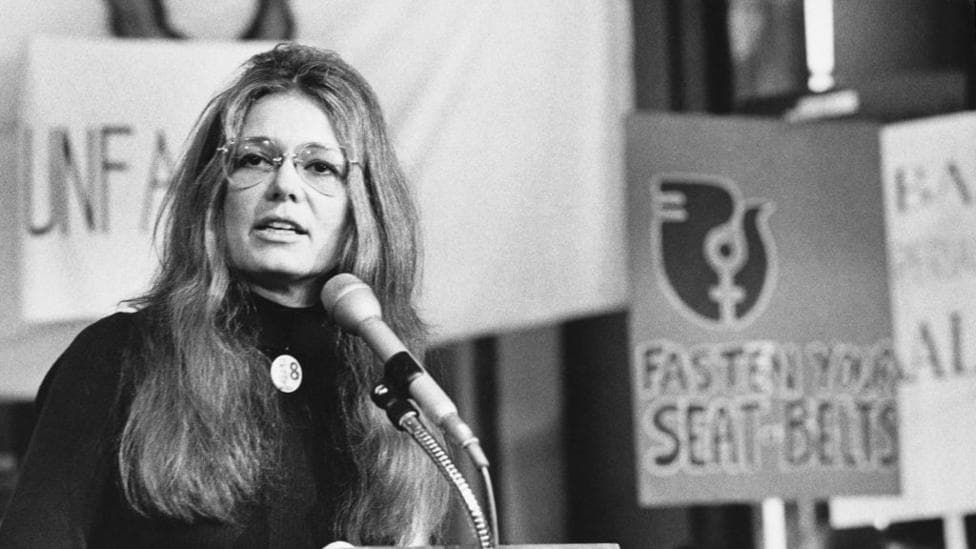
Gloria Steinem, a defining figure of the American women's liberation movement whose decades-long advocacy reshaped conversations about gender equality, has died at the age of 92. According to a statement from her foundation posted on Instagram, she "passed away peacefully" at her residence in New York City, "surrounded by many who loved her".
Throughout her career as a writer, journalist and magazine editor, Steinem became one of the most recognisable voices for women's rights in the United States. Her influence extended across multiple decades and touched nearly every major feminist cause of her era, from reproductive freedom to workplace equality and media representation.
How did Steinem shape the women's movement?
Steinem's activism took concrete organisational form when she co-founded the Women's Action Alliance, an organisation established to combat sexism across American society. This group, which was created more than 50 years before her death, became a significant institutional force in advancing feminist goals and coordinating campaigns on multiple fronts.

Her journalism career began in New York during the 1970s, a transformative period for feminist activism. Building on this foundation, Steinem went on to co-found Ms. magazine, a groundbreaking publication that fundamentally altered the landscape of women's media. Unlike existing women's magazines that had traditionally focused on domestic concerns and beauty standards, Ms. centred the diverse experiences, professional ambitions and political concerns of women themselves.
What was her role in the reproductive rights movement?
During the 1970s, Steinem emerged as one of the principal advocates for women's reproductive rights at a time when this issue was becoming increasingly central to feminist organising. She championed access to abortion as a fundamental aspect of women's autonomy and self-determination.
Steinem witnessed a pivotal moment in 1973 when the United States Supreme Court issued its decision in Roe v Wade, a ruling that established a constitutional right to abortion. She celebrated this landmark judgment as a victory for women's freedom. However, nearly five decades later, Steinem lived to see that same constitutional protection reversed, a development that represented a significant setback for the reproductive rights movement she had spent her life advancing.