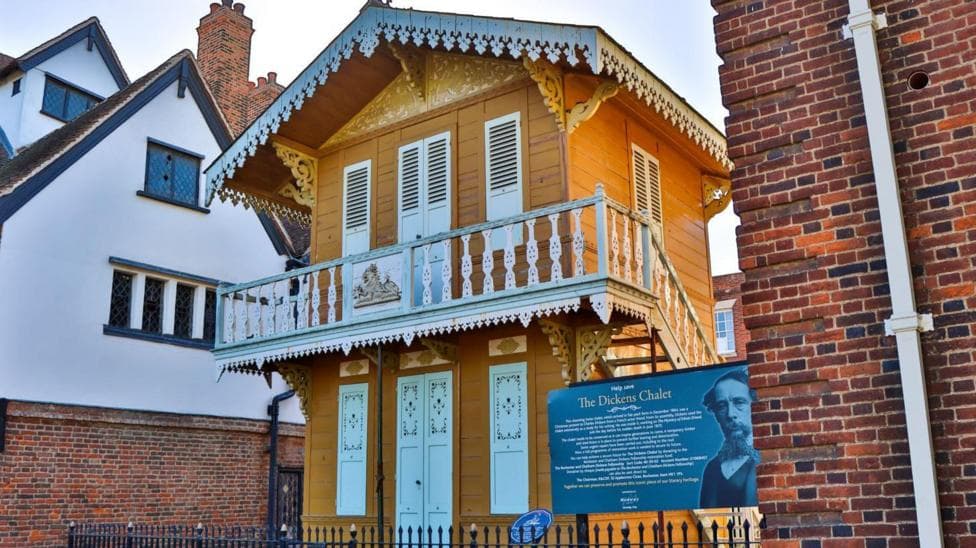
Charles Dickens' Grade I-listed Swiss chalet in Rochester has been designated as at risk due to deteriorating condition, according to BBC News. The structure, where the Victorian author composed some of his most celebrated novels, now faces timber decay and structural instability that has made it inaccessible to the public. The chalet's addition to Historic England's Heritage at Risk Register marks a critical moment for its preservation, though substantial funding has been secured to begin restoration work.
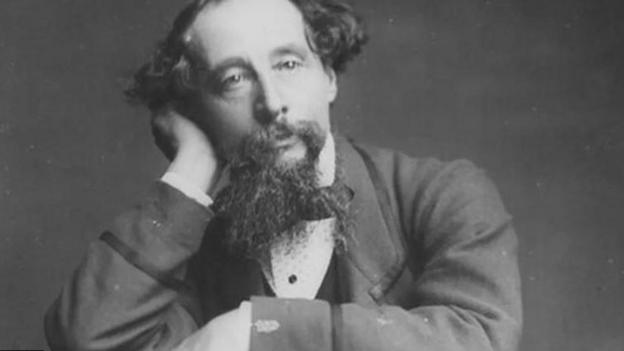
The chalet served as Dickens' private writing retreat and rehearsal space for his public performances. He produced major works within its walls, including Our Mutual Friend, The Uncommercial Traveller, and The Mystery of Edwin Drood, his final unfinished novel. According to The Art Newspaper, the chalet was given to Dickens as a Christmas present in 1864, arriving in 94 pieces and requiring assembly by a theatre carpenter after Dickens and his guests proved unable to construct it themselves. Dickens worked in the chalet on 9 June 1870, the day of his death, and the house at Gad's Hill and the tunnel he built to reach the chalet still survive today.
Originally positioned in the grounds of Dickens' residence at Gads Hill in Higham, the chalet was relocated to the grounds of Eastgate House during the 1960s. However, repairs undertaken at that time employed materials that have hindered the structure's ability to dry properly, and poor ventilation has accelerated timber decay and mould growth.
A £240,000 National Lottery grant was announced in June to fund restoration and public access. This funding package also includes £40,000 from Medway Council and £5,000 from the Dickens Fellowship. Medway councillor Nina Gurung described the lottery award as "pivotal" in commencing restoration efforts. She emphasised that Dickens' connections to Medway were substantial and that the project would illuminate the author's legacy in the region.
According to Kent Online, Historic England's 2025/26 grants supported seven South East sites with a combined total of £655,701. The current Medway Council grant is designated for developing restoration plans, and Medway Council has indicated that successful development plans could unlock a further £1.2 million from the Heritage Fund.
What will the restoration project include?
The restoration initiative aims to create a garden inspired by the "Wilderness Garden" at Gad's Hill and develop an inclusive programme for residents, schools and visitors. The project represents a comprehensive effort to not only stabilise the structure but also to establish it as an accessible cultural destination.
What other sites were added to the Heritage at Risk Register?
Hastings Castle in East Sussex has also been added to the register. The castle occupies a strategic clifftop position, but its exposed coastal location and ongoing erosion have left sections of its walls vulnerable. According to The Art Newspaper, Hastings Castle was among the first three castles constructed by William the Conqueror following 1066 and is depicted in the Bayeux Tapestry. Hastings Borough Council has received £288,500 from a Historic England fund for urgent conservation work, supplementing £200,000 invested by the council earlier in the year. Future plans for the site include a new visitor centre and café.
The Old Town Warehouse in Faversham, Kent, has also been designated at risk. This Grade II*-listed timber-framed structure dates from 1458 and stands adjacent to Faversham Creek, but deterioration from flooding, inadequate drainage and timber decay has compromised its condition.
Why is the Heritage at Risk Register important?
Claudia Kenyatta, chief executive of Historic England, explained the significance of the register on BBC Radio 4's Today programme:
The Heritage at Risk Register is a really important opportunity to draw attention to those historic buildings and places that are at risk of being lost as a result of decay or neglect or inappropriate development.Kenyatta noted that the government has recently allocated £75 million to support buildings and sites on the register, with additional funding sourced from the National Lottery, Historic England, councils and local fundraising initiatives.
The 2026 register added 197 sites overall, bringing the total number of at-risk heritage locations to 4,991, with the Dickens chalet and Hastings Castle among the newly designated entries.
What happens next?
Medway Council's current funding phase focuses on developing detailed restoration plans. If these plans meet the required standards, they could unlock the additional £1.2 million from the Heritage Fund, substantially accelerating the project timeline. For Hastings Castle, the next phase involves implementing the planned visitor centre and café facilities alongside essential conservation work.