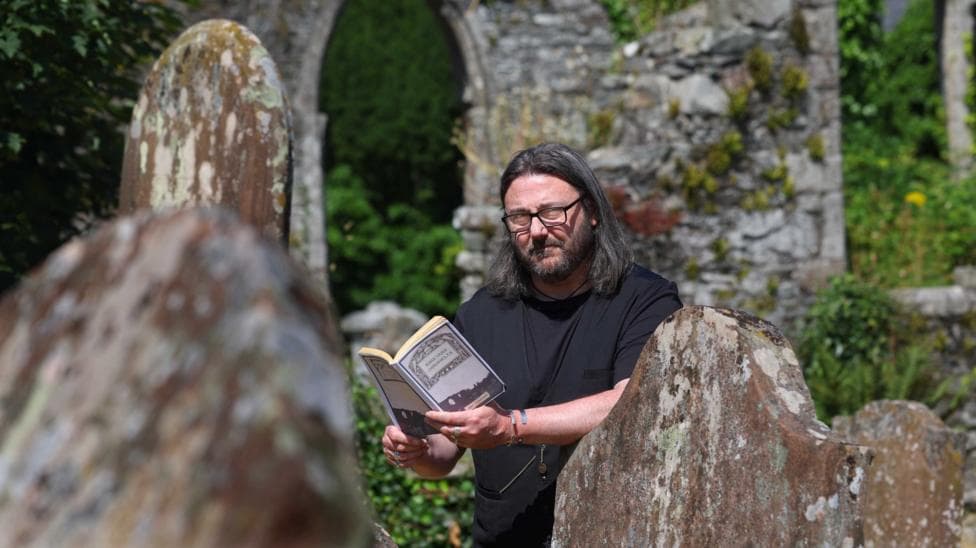
Bre Martin, who runs New Chapter Books in Wigtown, Scotland's national book town, has devoted years to recording the names, inscriptions and epitaphs on headstones across Galloway before they deteriorate beyond recognition. His work goes far beyond simple documentation—he researches the life stories of those buried beneath the stones, uncovering remarkable tales that rival any work of fiction.
What began as childhood curiosity has evolved into a comprehensive project that has attracted considerable local interest and led to public talks. Martin's findings are now being compiled into a book titled Kirkyard Chronicles, which brings together "the weird and wonderful from the region's forgotten corners," according to the festival listing. The work represents an ongoing effort to preserve the cultural heritage embedded in Wigtown's burial grounds and beyond.
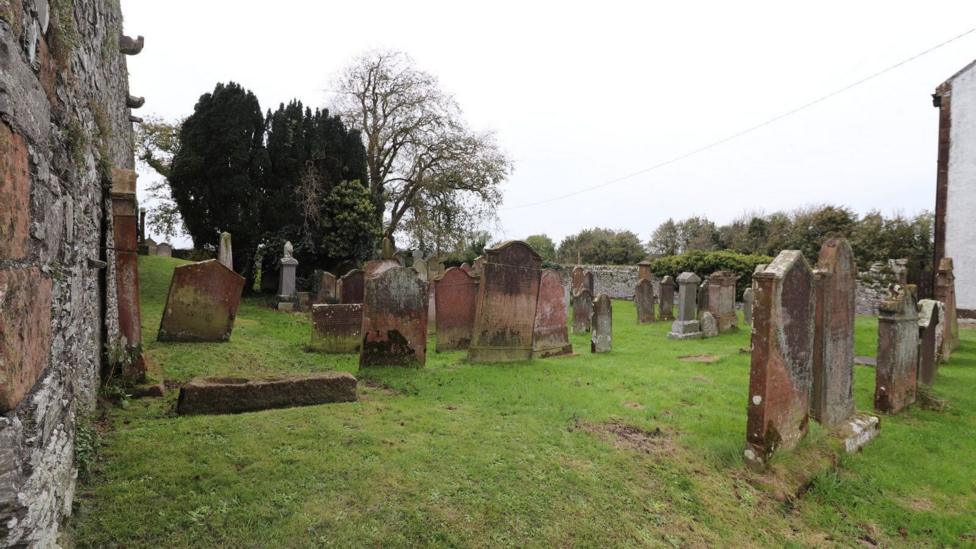
Martin's fascination with graveyards began during childhood walks through Whithorn kirkyard, where a particular headstone captured his imagination. The stone belonged to a mariner named William Broadfoot, and what made it memorable was not the front inscription but the words on the reverse side.
"If you think I'm forgot, you're mistaken,"Martin recalled.
"I love the fact that this was included, and that this inscription, though worn and weathered, still points a defiant finger at the passerby after all this time."
What draws Martin to this work?
Martin rejects the notion that his hobby is morbid. Instead, he views graveyards as spaces of historical and spiritual significance.
"I can't think of anything better than wandering round Galloway's old kirkyards,"he explained.
"They shouldn't be seen as a place of death. A stroll around an old kirkyard surrounded by nature, history, and peace, can do more for your heart and soul than you may think."
What remarkable stories has he uncovered?
Among the individuals whose life stories Martin has revived is Allan McGowan, buried in Kirkinner's old kirkyard. McGowan's naval career took him across the Caribbean, where he served aboard ships pursuing privateers—the kind of adventurous tale that has captivated Martin for years.

The research process itself is painstaking and time-consuming. Once Martin identifies a name and inscription, he embarks on detective work that can span weeks or months. Recovering details about people who died centuries ago requires poring over old records, historical books and archived newspapers to piece together their biographies and understand their place in local history.
How has his work evolved?
Martin initially focused solely on recording and investigating the stones in Wigtown's kirkyard. As the stories he discovered became increasingly fascinating, however, he expanded his research into neighbouring burial grounds to uncover what other histories lay waiting beneath weathered headstones.
His growing expertise and the compelling nature of his findings attracted attention from the local community. He was invited to deliver talks about his discoveries, which ultimately led to the suggestion that he compile his research into a book. The project is being published by Jayne Baldwin of Foggie Toddle Books, also based in Wigtown, and was part of the 2026 Wigtown Book Festival's early-bird event roll-out, with the full programme scheduled for release on 24 July 2026.
What does Martin observe about changing burial practices?
Martin has noticed a significant shift in how communities commemorate their dead over the centuries.
"We've learned a lot from the 17th, 18th and 19th Century headstones which tended to be made of sandstone which weathers badly, but now we have rows of impersonal granite,"he observed.
"We've lost the individualism of the headstones in old kirkyards where no two were the same."
This observation reflects a broader concern about the loss of personal expression in modern memorial practices. The older stones, despite their fragility, carried distinctive inscriptions and designs that reflected the personality and values of those being remembered. Contemporary granite markers, while more durable, often lack the character and individuality that made earlier graveyards such rich repositories of human stories.
What are Martin's own wishes for his memorial?
When asked what kind of headstone he would choose for himself, Martin responded with characteristic humour.
"I'd probably go for something that defies council regulations - and requires air traffic to be warned when flying close to it,"he said, suggesting his appreciation for the bold and unconventional memorials of earlier centuries.
What happens next?
Martin will present his work and discuss Kirkyard Chronicles at Wigtown Book Festival, which runs from 25 September to 4 October 2026. The festival appearance will give him an opportunity to share his findings with a wider audience and discuss his role as what he describes as a "graveyard sleuth." The event underscores the cultural significance of Martin's project within Wigtown's wider annual literary programme and demonstrates how local heritage research can contribute meaningfully to community identity and historical preservation.