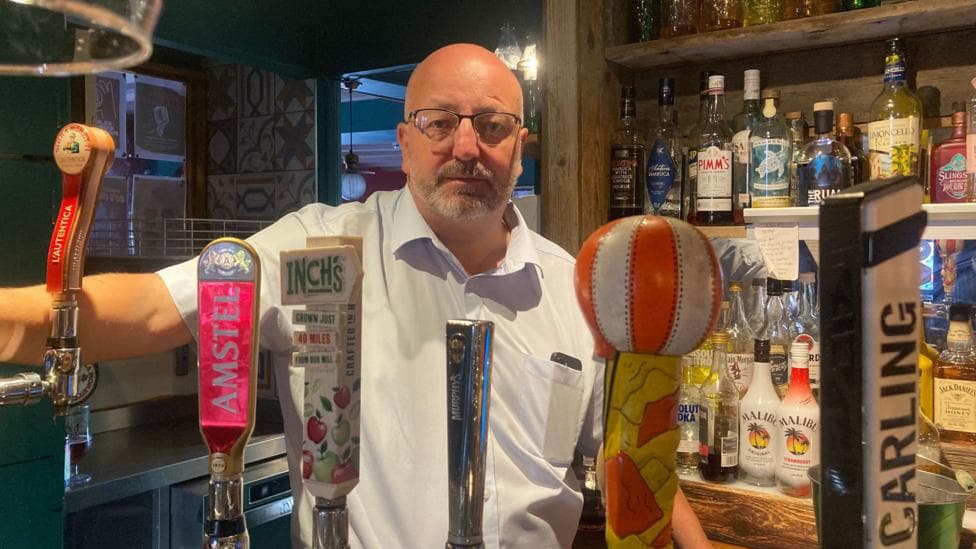
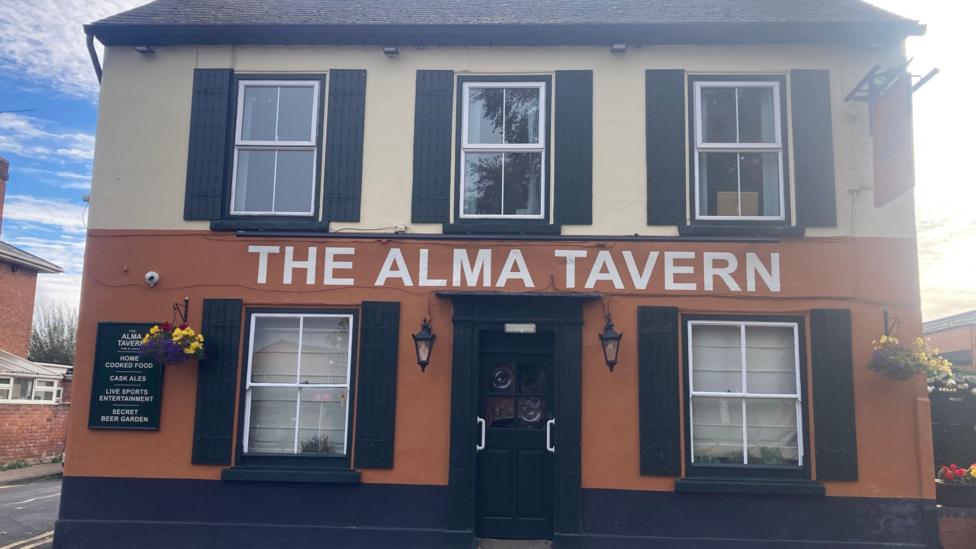
Jon Dean, who operated The Alma Tavern in Worcester for seven years, has closed the establishment this week after becoming overwhelmed by mounting costs and shifting customer behaviour. The publican described the decision as
"a bitter pill to swallow"and has called on policymakers to introduce fresh tax relief measures for the hospitality sector or risk witnessing further closures across the country.
The Alma Tavern's closure resulted in the loss of 14 to 15 jobs. Dean, who also resided above the premises, has returned the business to its owner, Star Pubs, and must now secure alternative accommodation. The landlords indicated the pub shut with immediate effect because financial pressures had rendered it unviable, though they mentioned plans for a farewell gathering.
What pressures forced the closure?
Dean attributed the pub's failure to a combination of external shocks and tax burdens that have squeezed the hospitality sector. He explained:
"Hospitality has taken a battering. We've had the utility crisis, the cost of living crisis [and] now the war in Iran. All of that has had an impact on prices, but when you add in employer's national insurance contributions, rocketing minimum wage, rocketing VAT, business rates, all of that pressure has crippled us."
The financial mathematics of running the venue became untenable.
"A place like this turns over maybe £800,000 a year, but once you've paid out your taxes, your energy bills, your wages, it's pretty much all gone."Dean stressed that
"Taxation and the cost of everything is just far too high."
How have customer habits changed?
Declining spending patterns among patrons compounded the financial strain. Dean observed that
"People used to come in four or five times a week and they'd have four or five pints, but those days are gone. Now we'd maybe see them once or twice a week and they might only have a drink or two - people just haven't got the money."He concluded:
"I've tried everything to keep the pub going, but it's like flogging a dead horse."
What support has the government provided?
The government announced a 20% reduction in business rates for pubs, social clubs and live music venues in England during July. A Treasury spokesperson stated that pubs
"were already benefitting from a 20% cut in business rates", noting that
"the chancellor has prioritised support for the hospitality industry in his first week in the job when he cut business rates by 20% for pubs, social clubs and live music venues, saving thousands of [pubs] over £1,000 a year. This is on top of providing a tax break on poured pints and capping corporation tax."
The 20% business-rates reduction is scheduled to take effect in April 2027 and is expected to benefit nearly 32,000 venues, with a typical pub saving approximately £1,100 in the first year. Prime Minister Andy Burnham previously characterised the measure as
"the first step"to support the industry.
What are industry leaders calling for?
The hospitality sector remains vocal about its needs. Last month, more than 800 businesses, including prominent UK chefs, submitted an open letter to the Prime Minister arguing that without a VAT reduction, additional pub and restaurant closures would follow. Allen Simpson, chief executive of UKHospitality, remarked:
"We have already seen promising signs from the new government in its approach to hospitality - I hope this (forthcoming) Budget will see further backing for the entire hospitality sector."Simpson also noted that the tax burden for the sector had
"grown disproportionately"in recent years.
The scale of the challenge facing the sector is substantial. UKHospitality reports that nearly 100,000 hospitality jobs have been lost across the sector in the past two years. The British Institute of Innkeeping warns that one in five pubs could close without tax cuts, with its survey revealing that two fifths of respondents feared closure if taxes rose again in the Budget.
What happens next?
Chancellor John Healey is scheduled to deliver the Autumn Budget on 28 October 2026, when further details of the planned rates relief and wider business-rates reform are expected to be announced. The hospitality industry is watching closely to see whether additional tax measures will be introduced to address the sector's ongoing difficulties.
A spokesperson for Star Pubs stated:
"While Star Pubs owns The Alma Tavern, it is leased to an independent operator who runs it as their own business and has taken the decision to close the pub."