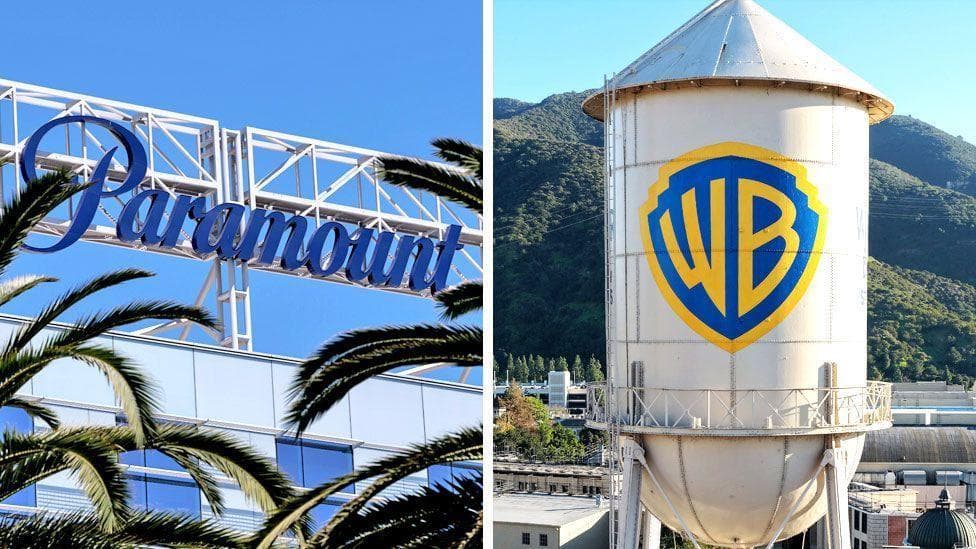
Paramount Skydance has finalized its acquisition of Warner Bros Discovery in a $110 billion transaction that fundamentally restructures the entertainment industry and consolidates two of Hollywood's most storied studios under single ownership.
The completion of this landmark deal follows months of regulatory scrutiny, legal challenges from multiple US states, and widespread debate about the merger's potential effects on competition, consumer pricing, and the future of theatrical cinema. A federal judge approved the settlement with 12 states, lifting the order that had blocked the merger from closing, enabling the transaction to proceed after the companies reached an agreement on production commitments and operational safeguards.
The transaction will reshape the streaming landscape for millions of viewers, mark a transformative moment for the film and television sectors, and create significant uncertainty around CNN, one of the largest news operations in the United States.
What entities are now under one roof?
The merged company brings together a vast portfolio of media properties and production capabilities. The combination includes HBO, CBS, Nickelodeon, Showtime, Comedy Central, DC Studios and Food Network, along with their respective content libraries and production infrastructure.
Paramount will now control ownership of globally recognized franchises spanning multiple genres and formats. These include Harry Potter, Game of Thrones, The Lord of the Rings and Mission: Impossible, positioning the combined entity as a dominant force in franchise-driven entertainment across theatrical, streaming and television platforms.
What is the new company's structure?
The newly formed entertainment corporation will operate under the name Skydance Corporation, reflecting the vision of David Ellison, who founded Skydance before orchestrating the takeover of both Paramount and Warner Bros Discovery. Ellison serves as chairman and chief executive of the combined organization.
According to reporting on the deal timeline, the new company is expected to trade under the ticker symbol "SKYD." Ynon Kreiz was due to join the company on October 5 as incoming co-CEO, bringing additional leadership to the merged entity.
Ellison characterized the deal's completion as transformative for the industry.
From the start, our ambition was to bring these two storied studios together and create a stronger competitor, with the talent, resources, and reach to tell great stories in every genre, on every platform, for audiences everywhere. Now that ambition is a reality.
How did this deal overcome legal obstacles?
The merger faced substantial opposition from the outset. Netflix initially negotiated to acquire a portion of Warner Bros Discovery, but Paramount Skydance initiated a competing bid that ultimately led the streaming giant to withdraw from negotiations.
Attorneys representing approximately a dozen US states, led by California, filed lawsuits challenging the transaction. These legal actions argued that consolidation would reduce competition, elevate consumer costs and inflict substantial damage on movie theaters, cable distributors and audiences across the country.
The path to completion shifted when Paramount and Ellison reached a settlement with the coalition of states last month. According to reporting on the regulatory timeline, the US Department of Justice had approved the merger in June 2026; the California-led coalition of 12 states sued in July, and the case had been headed toward a March 2027 trial before the settlement was reached. The European Union and Britain had already cleared the deal before the states' settlement.
What production commitments did Paramount make?
The settlement agreement imposes strict production requirements designed to ensure the merged studio maintains robust creative output rather than relying on low-cost or automated content. According to legal reporting on the settlement terms, the agreement requires at least 30 theatrical releases annually for the first two years and 32 annually for the next three years, along with at least $300 million in additional annual domestic production spending.
If Paramount fails to meet its annual film production quota, the settlement mandates that the company divest its 49 percent stake in Miramax, the film production company founded by Harvey Weinstein and his brother Bob.
The deal also incorporates guardrails specifically prohibiting the studio from fulfilling production obligations through artificially generated films, addressing industry concerns about automation replacing traditional creative work.
Geographic production requirements form another key component of the settlement. Paramount must ensure that at least 20 percent of all film production occurs within the United States during the first two years following the merger, with that threshold rising to more than 30 percent over the subsequent three years.
Additionally, for five years, the combined company must negotiate licensing fees for Paramount and Warner Bros basic-cable channels separately, preventing immediate bundling that could disadvantage distributors and consumers.
How will news operations be governed?
The merger creates particular complexity around CNN, which operates as part of Warner Bros Discovery's news division. As part of the settlement, Paramount has committed to establishing a "news editorial independence board" designed to guarantee independent, objective and fact-based reporting at both CNN and CBS.
Editorial independence has emerged as a significant concern at CBS since the news broadcaster came under Skydance ownership in 2025 through a separate merger between Skydance Media and Paramount. Ellison, who hosted a dinner for President Donald Trump earlier in the year, has sought to provide assurances that editorial independence will remain protected under the new structure.
What is the historical significance of these studios?
Warner Bros brings more than a century of filmmaking heritage to the combined entity. Over its 103-year history, the studio has accumulated more than 100 Academy Awards, including a dominant performance at the most recent Academy Awards ceremony with a record-tying 11 Oscars for films including One Battle After Another, Sinners and Weapons.
Paramount traces its origins to 1912 and similarly boasts more than 100 Oscars for landmark productions spanning from The Godfather to Titanic. However, the studio has not matched Warner Bros' recent Academy Award success. Paramount received no nominations for any projects at the most recent Academy Awards ceremony, with its last competitive win arriving in 2022 for Top Gun: Maverick.
What additional labor agreements were reached?
Beyond the state settlement, the Writers Guild of America resolved its dispute with Paramount as part of the merger process. The company agreed to contribute $17.5 million to the guild's health fund after closing and pay up to $6 million toward its legal costs, according to reporting on labor negotiations surrounding the transaction.
What happens next?
The companies indicated that the merger was expected to close on October 6, 2026, marking the official completion of the transaction and the formal launch of Skydance Corporation as the combined entertainment entity.
California Attorney General Rob Bonta, who led the state lawsuit and subsequent settlement negotiations, emphasized that the agreement aims to ensure the merged studios will produce "real, robust movies" that generate economic activity and create employment opportunities within the entertainment industry.