Australian households have sunk into their deepest pessimism since the early-1990s recession, with consumer confidence plummeting roughly 20% following the Reserve Bank's decision to raise interest rates to their highest point in over a decade.
The Westpac–Melbourne Institute consumer sentiment index, based on a survey conducted between 28 September and 1 October, fell 4.7 percentage points to 80.4 in October—marking the weakest reading since the Middle East conflict erupted in early April. Among respondents surveyed after the RBA's 29 September announcement, the index collapsed to 67.2, the lowest figure recorded since the late 1990s. This pattern was mirrored by the ANZ-Roy Morgan consumer survey, which declined approximately 5% to 67.1 points.
Matthew Hassan, head of Australian macro-forecasting at Westpac, characterised the mood as the most persistently gloomy since what he termed the "disastrous" recession of the early 1990s.
Australian consumers remain stuck in a cost-of-living nightmare that seems to have no end in sight,Hassan observed, adding that
the latest RBA move looks to have badly rattled consumers. Responses over the course of the survey week show a very sharp deterioration after the decision was announced.
Which household groups are most affected?
Assessments of family finances and buyer sentiment experienced the sharpest declines. Mortgage holders emerged as the most pessimistic home-ownership category, registering 77 index points as rising borrowing costs squeezed their finances. Those who own their homes outright saw the largest month-on-month drop in sentiment as the housing market downturn extended into its sixth consecutive month. Renters remained the most optimistic group, holding steady at 84.8 points.
How are fuel costs compounding the problem?
Rising petrol prices are intensifying household financial strain alongside the rate increases. According to AMP economist My Bui,
the weekly petrol bill for a typical Australian household has gone up by $20 versus the beginning of the year.Westpac data indicates that average petrol prices have climbed above $2.36 a litre nationally amid global supply disruptions. Bui warned that
the worry with declining confidence is that it tends to correlate with household spending on a per capita basis: the downtrend in confidence over the past 12 months suggests consumption per person will likely fall further into contraction this year.
What is the RBA's rationale for the rate rise?
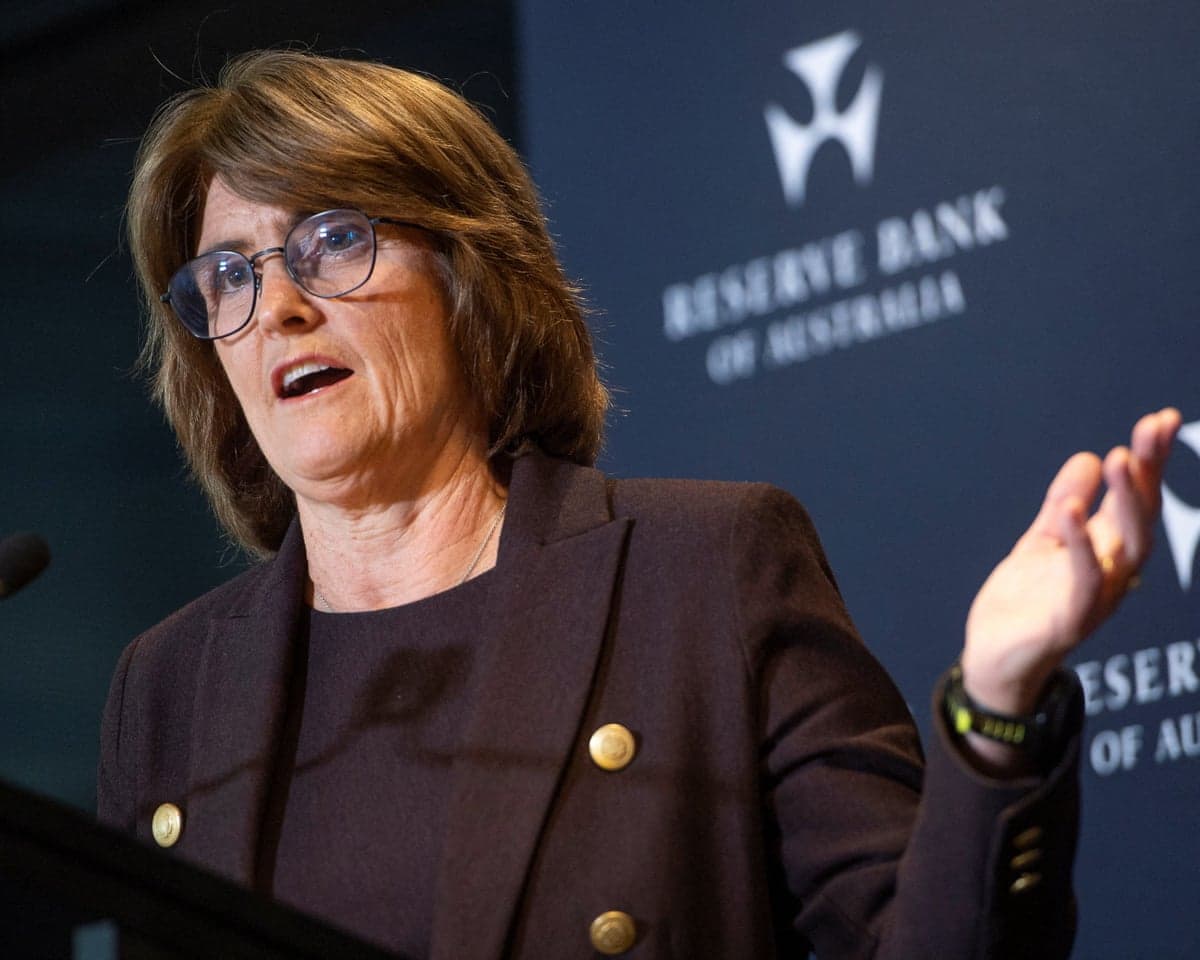
The RBA's 29 September increase was unanimous, with the central bank citing stronger-than-expected inflation and signalling it could raise rates further if needed. The bank also noted that housing prices had fallen in most capital cities, new housing loans had declined noticeably, and consumer-spending growth was easing. The decision has prompted major lenders to pass on the full increase to borrowers: Macquarie Bank announced it would increase variable home-loan reference rates by 0.25 percentage points from 15 October.
What do economic expectations reveal?
Expectations about the broader economic outlook declined less sharply than sentiment about immediate household finances, yet assessments of the economy over the next five years have retreated to levels not seen since August 2020, shortly after Melbourne's second lockdown and before jobkeeper subsidies were expanded. Fears of job losses are rising, with unemployment expectations climbing 1.9% higher. However, labour market indicators suggest underlying strength persists. Citi analysts Josh Williamson and Faraz Syed noted that
job vacancies have increased to a two-year high of 122 points, which accords with business sentiment expectations of positive employment growth.
What happens next?
The RBA's next cash-rate decision is scheduled for 3 November 2026, when policymakers will reassess economic conditions and inflation trends.
Key Facts
- Consumer confidence fell to 67.2 among those surveyed after the RBA's 29 September rate decision—the lowest level since the late 1990s
- Mortgage holders are the most pessimistic group, with sentiment at 77 index points, while renters remain most optimistic at 84.8 points
- Weekly petrol bills have risen by $20 per household since the start of the year, with prices exceeding $2.36 a litre nationally
- Job vacancies have reached a two-year high despite declining consumer confidence, suggesting the labour market remains resilient
- The RBA indicated it may raise rates further if inflation remains elevated