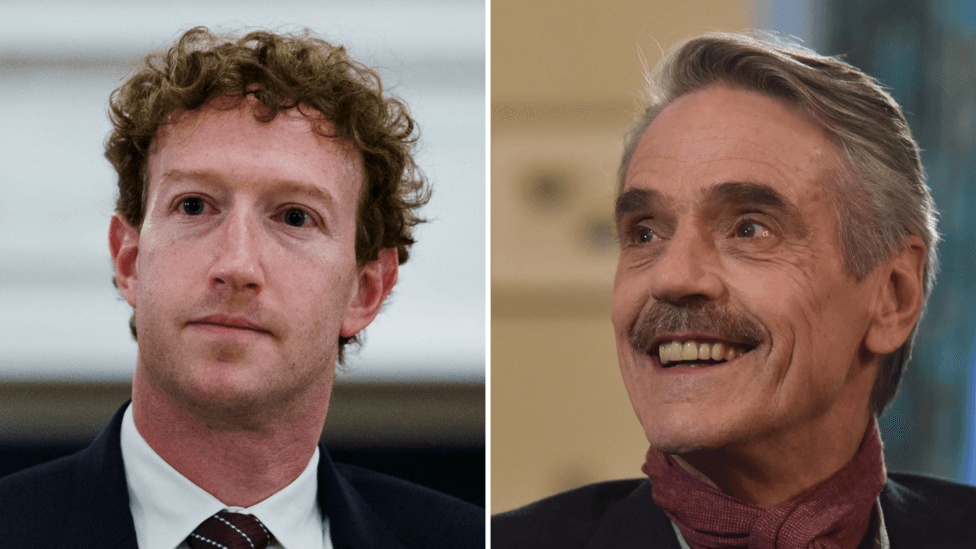
Mark Zuckerberg and Jeremy Irons are among wealthy individuals who have purchased Irish castles in recent years. The Meta CEO's acquisition of Strancally Castle in County Waterford has reignited questions about why the world's richest people are drawn to these historic properties.
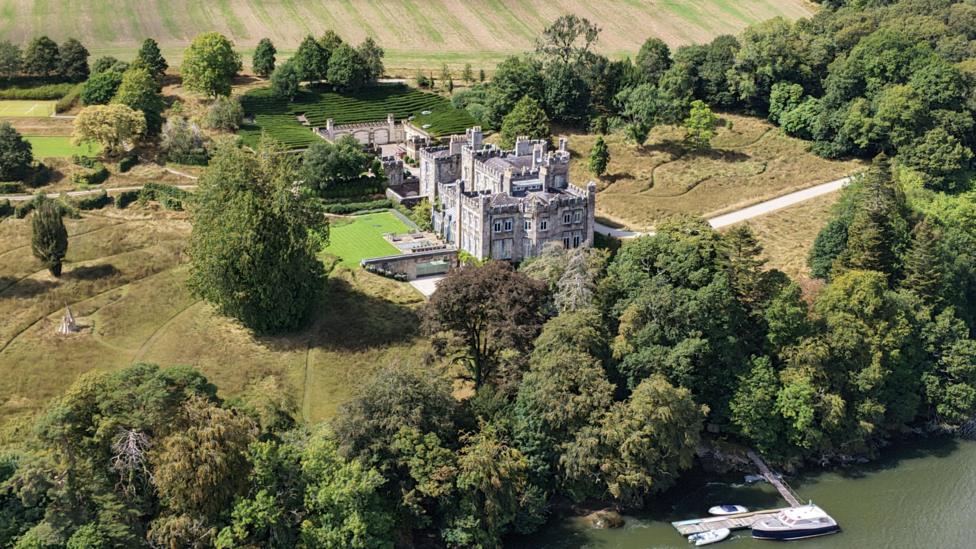
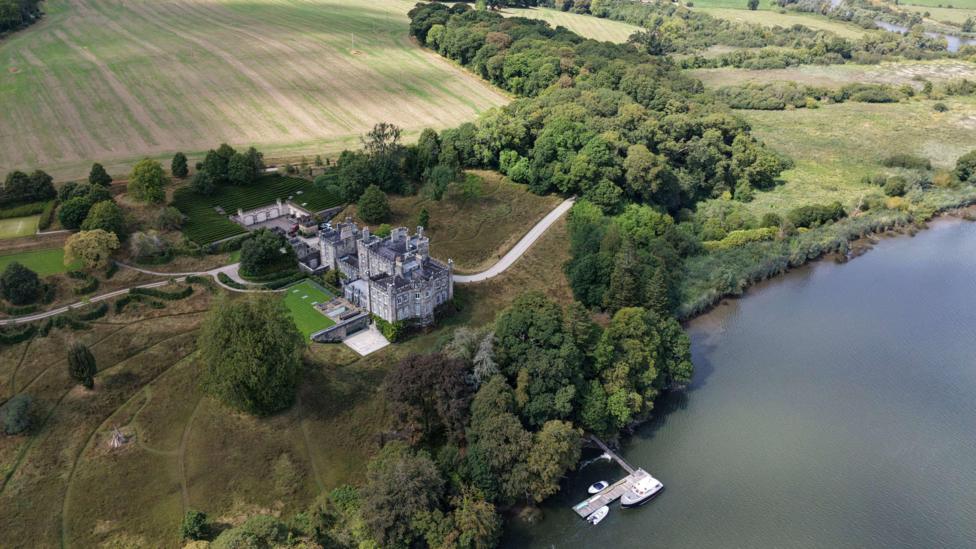
According to , Zuckerberg and his wife Priscilla Chan purchased the 19th-century Gothic-style castle in an off-market deal reported on 20 August 2026. The estate spans 440 acres and was valued at roughly €20 million to €30 million. RTÉ reported that the couple plan to use the property as a base during visits to Ireland while continuing to live primarily in the United States.
For Zuckerberg, practicality played a significant role in the decision. Meta maintains its international headquarters in Ireland, and the castle sits approximately 200 kilometres from the company's European base. A spokesman for Zuckerberg stated:
Mark and his family are excited to continue caring for this historic home and look forward to spending time in Ireland, where Meta maintains its international headquarters.
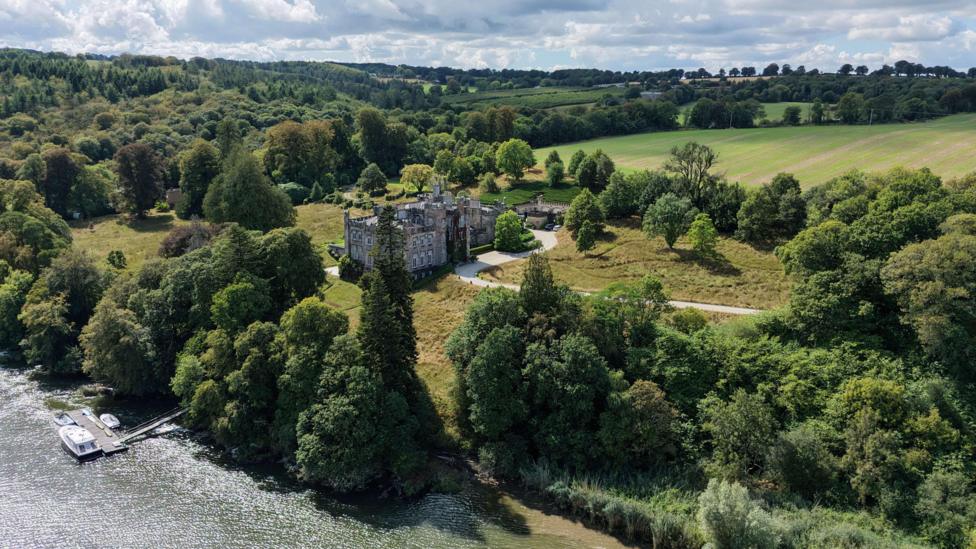
The property itself is substantial. According to TechCrunch, the estate includes at least 11 bedrooms, four tower suites, a library, a dining room, and a drawing room. noted that the castle was built around 1830 on land overlooking the River Blackwater and underwent extensive renovation in 2003, positioning it as a high-end private residence rather than a historic ruin requiring restoration.
Zuckerberg's interest in Irish property had surfaced previously. The Irish Times reported that his interest in acquiring a castle emerged last year when billionaire John Malone indicated that Zuckerberg had offered to purchase Castlemartin House and Estate in County Kildare before ultimately settling on Strancally.
Who else owns Irish castles?
Zuckerberg is far from the first wealthy individual to acquire a castle in Ireland. Oscar-winning actor Jeremy Irons owns Kilcoe Castle in County Cork, which he began renovating in the late 1990s after stepping back from acting work.
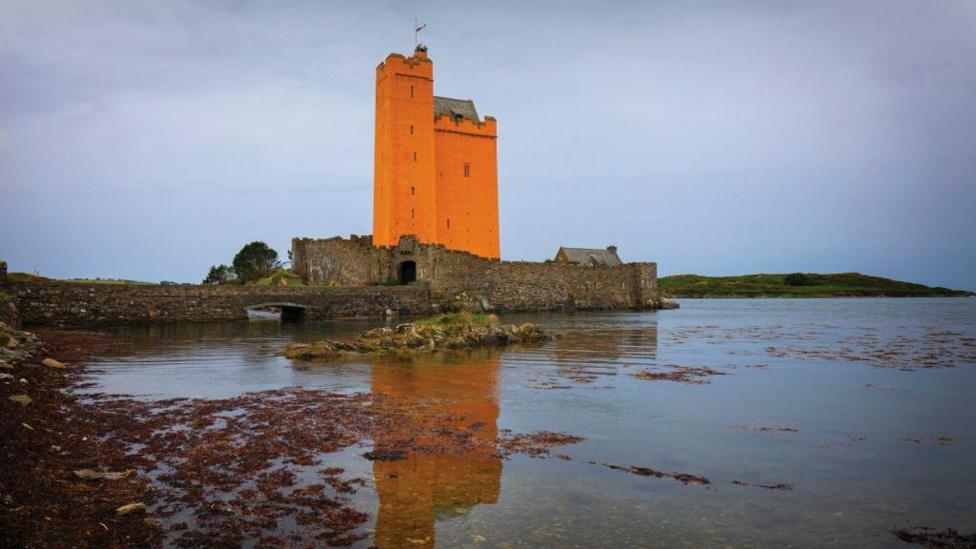
American billionaire John Malone owns Castlemartin House and Estate in County Kildare. Author and filmmaker Christy Cashman owns Kilkea Castle, also in County Kildare. Additionally, Glin Castle in County Limerick is owned by Catherine FitzGerald, whose husband Dominic West starred in The Crown.
The trend extends beyond Ireland. In Scotland, a Florida sea captain and his wife recently purchased Carbisdale Castle for just under £3.9 million, with plans to convert it into a hotel, demonstrating that castle acquisitions by wealthy international buyers are not limited to the Irish market.
What is the historical significance of Irish castles?
Dr Colin Breen, an academic at Ulster University specialising in archaeology and landscape management, explained that castles have existed in Ireland since the 12th century. Their emergence coincided with the arrival of Anglo-Normans, who took control of vast territories across the island.
The key to their success was castles,Breen said. The structures represented a fundamental transformation in Irish architecture, constructed to
protect and consolidate their new colonial lands.Beyond their defensive purpose,
they were built to intimidate, but they were also an expression of power and presence.
As society evolved away from feudalism into early capitalism, castles underwent a transformation in their symbolic meaning. Breen explained that the wealthy began to view them less as practical defensive structures and more as status symbols.
They wanted to show their prestige, their standing, and their status within society through the construction of these places.He argued that today's billionaire castle purchases represent
an identical process in many ways.

Why are wealthy buyers drawn to Irish castles?
The appeal of Irish castles extends beyond their historical significance. Dr Breen observed that
big Americans have been buying into the idealistic Irish past since the 20th century.He suggested that
Mark Zuckerberg is following a trend that we've seen for years, he's buying into this romantic idea.
Josh Pim, an associate director at Savill's residential and country agency team, confirmed the romantic dimension of these purchases.
There's a romantic side - Americans don't have to go back too far to find a piece of Irish heritage,he said.
There's a rarity and architectural significance and history to these castles.
Helen Cassidy, an auctioneer specialising in castle sales, described a
very real thirst for the ownership of an Irish castle from people around the world.She noted that some American buyers are
ignited by the history and heritage of a particular property,adding that
there is something about an Irish castle that, once it gets under the skin, is rather difficult to resist.
However, Pim cautioned that interest in Irish castles extends well beyond the United States.
There's romantic side within the wider international market as well,he explained, indicating that wealthy buyers from multiple countries view these properties as desirable acquisitions.
What practical advantages do Irish castles offer?
Beyond romance and heritage, large estates in Ireland offer tangible benefits to wealthy purchasers. Pim identified privacy and security as significant factors, noting that these properties typically come with extensive land holdings that provide isolation from public view.
Breen concurred, stating that
an awful lot of the new landowners are interested in privacy, they're interested in cutting off the land.For billionaires accustomed to intense public scrutiny, the ability to retreat to a remote 440-acre estate represents considerable appeal.
What concerns do experts raise about private castle ownership?
While the financial and practical benefits of castle ownership are clear, Dr Breen raised concerns about the broader implications of these acquisitions. He warned that the privatisation of historically significant properties could damage their role in local communities and national memory.
Castles and these big mansions were symbols of hatred and division in our society for so many generations,Breen said. He emphasised that castles remain important to how people in Ireland understand and remember their past, and that their transformation into private retreats risks severing these connections.
Breen also highlighted environmental concerns. He argued that managing large estates responsibly is crucial for addressing climate change, and that private ownership focused solely on personal use may prevent the kind of land stewardship necessary for broader environmental goals.
Despite these reservations, Breen acknowledged potential benefits.
These individuals coming in could potentially have a positive impact on these places as long as they engage properly with the authorities,he said, suggesting that constructive dialogue between new owners and local communities could mitigate negative outcomes.
A spokesperson for Waterford City and County Council welcomed Zuckerberg's purchase, stating:
The news that Mr Zuckerberg has purchased Strancally Castle is to be welcomed, although not surprising, as the Blackwater Valley in County Waterford is a place of unrivalled beauty. We hope that Mr Zuckerberg and his family fully enjoy all that Waterford has to offer.
What happens next?
According to RTÉ, Zuckerberg and his family will continue to reside in the United States and use the Waterford property during periods when they are conducting Meta business in Ireland. This arrangement suggests periodic stays rather than a full relocation, positioning the castle as a seasonal base rather than a primary residence. The transaction was not listed on Ireland's state property price register, having been completed as a private off-market deal.