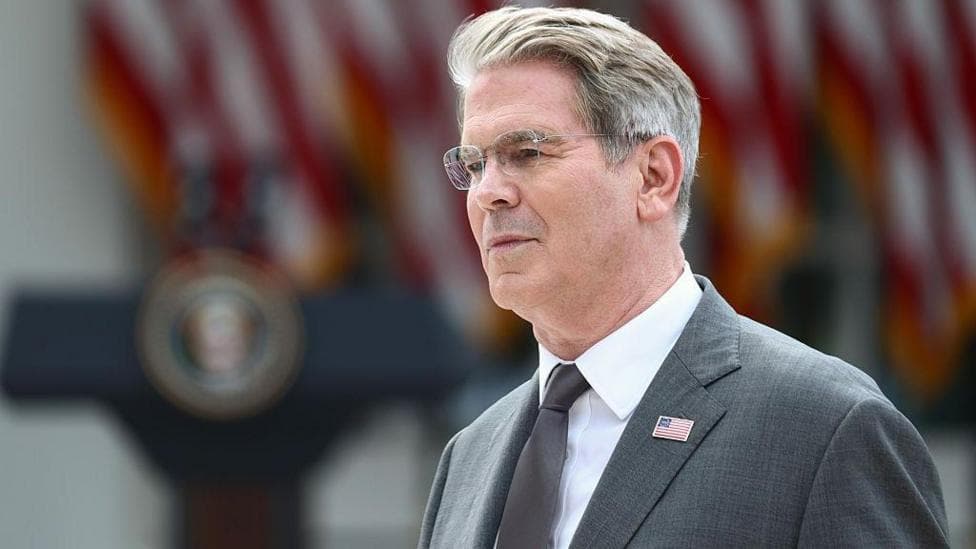
The US Treasury Secretary has warned Iran of an unprecedented financial assault, declaring that the United States-Israel conflict with the country was reaching its conclusion. Scott Bessent announced plans for what he termed an "economic D-Day", threatening to eliminate all financial connections with Tehran and to penalise any nation that maintains economic ties with the Iranian regime.
Bessent's ultimatum represents an escalation in the Trump administration's approach to Iran, though it follows a pattern of earlier threats that were subsequently modified or extended. The Treasury Secretary outlined his position in a piece published in the Financial Times, stating:
"The world should understand that our objective is to sever every economic lifeline that sustains the tyrannical regime until Tehran stands alone."
According to CNBC, Bessent characterised the forthcoming measures as the most comprehensive campaign of "coordinated economic isolation" in history. He indicated that the United States would deploy its "full might" against any nation continuing to conduct business with Iran. reported that Bessent stated the US would apply measures that had "never been seen" in the history of economic isolation against a country, linking the campaign to a continued blockade in the Strait of Hormuz to prevent anything moving in or out of Iranian ports.
What are the specific sanctions measures?
Bessent did not provide details of the economic pressure strategy in his opinion piece, but he was scheduled to elaborate during a press conference on 24 August. reported that Bessent described the approach as the "toughest sanctions in history" on Iran and urged Beijing to cooperate with the initiative. The Treasury Secretary characterised the plan as a "one-two punch" combining the blockade with sanctions, designed to prevent a renewed large-scale military campaign.
How has Iran responded?
The Iranian government dismissed Bessent's comments and threatened to halt all oil exports from the region if military hostilities persist. According to reports, Iranian officials have also issued fresh warnings to maritime traffic, prohibiting vessels from transiting the Strait of Hormuz without authorisation from Tehran.

A senior Iranian official described the conflict as shifting from a "defensive to fully offensive" posture after peace negotiations stalled. Iran's chief negotiator stated that the Strait of Hormuz would remain closed until the United States fulfilled the conditions of an interim agreement reached in June.
What is the significance of the Strait of Hormuz?
The Strait of Hormuz, a waterway positioned south of Iran, normally handles approximately one-fifth of the world's oil and gas trade. Since the conflict began in late February, Iran has effectively blocked the flow of commerce through this critical chokepoint. Recent data shows the impact: vessel traffic through the strait had declined to 33 vessels from Monday to Thursday in one week, down from 50 vessels in the preceding week.
What is the history of US-Iran economic relations?
Iran already operates under stringent economic sanctions imposed by the United States. In 2015, the administration of former President Barack Obama, along with several US allies, negotiated an agreement with Iran that removed many sanctions in exchange for Tehran limiting its nuclear programme. However, President Donald Trump withdrew from that accord in 2018, characterising it as "defective at its core," and reinstated all American sanctions on the country.
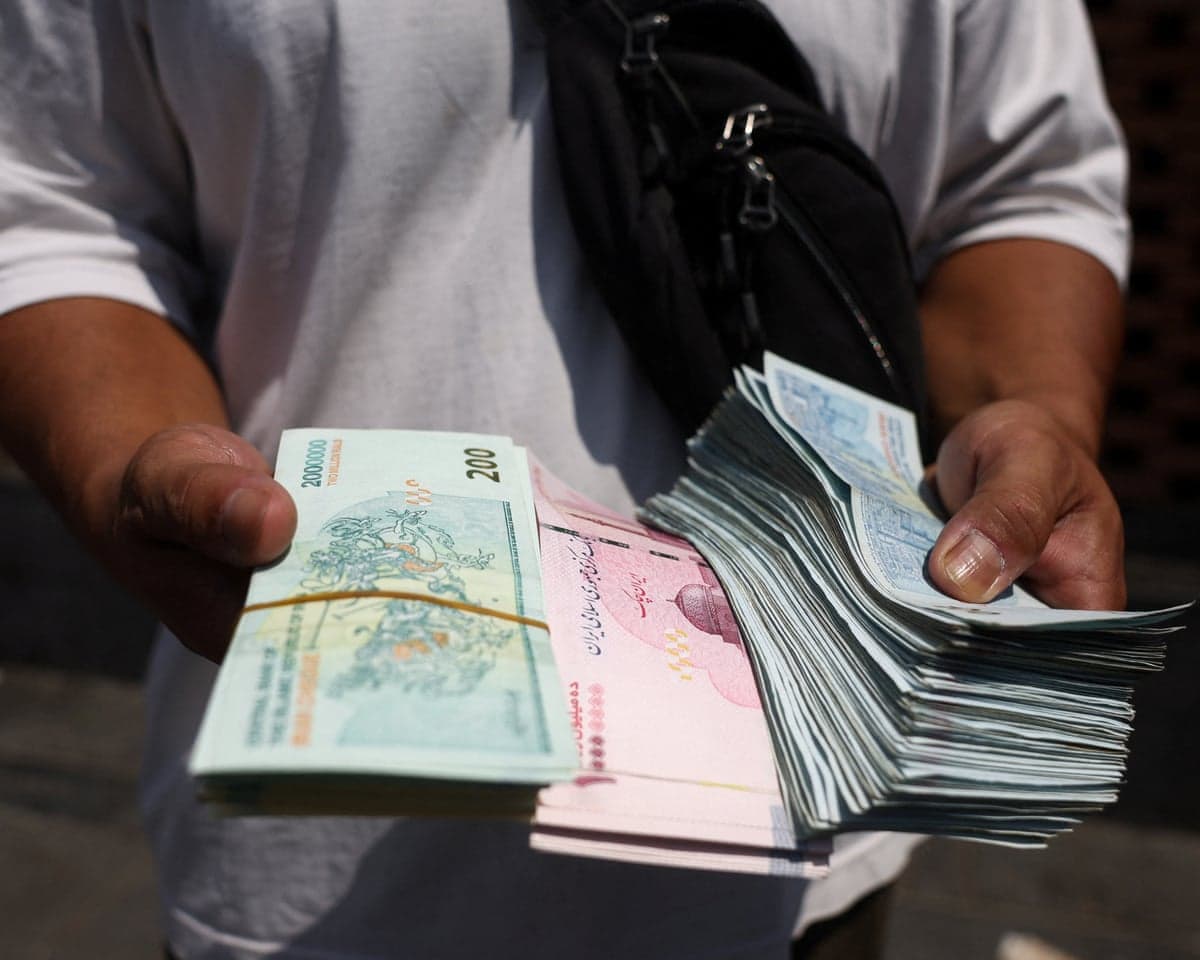
During the presidency of Joe Biden, limited efforts were undertaken to restore the Obama-era agreement, but these initiatives did not succeed. The reimposition of sanctions has contributed to severe economic pressure on Iran, with the nation's currency reaching record lows as new measures were announced.
What happens next?
Bessent was scheduled to hold a press conference on 24 August to unveil the comprehensive sanctions package. The United States was anticipated to reveal additional sanctions measures on that date. Shipping and diplomatic efforts around the Strait of Hormuz remain contingent on the unresolved negotiations between the US and Iran and the conditions of the interim agreement.
Key Facts:
- Treasury Secretary Scott Bessent threatened to sever all economic ties with Iran in an "economic D-Day" campaign and to isolate any nation that maintains financial partnerships with Tehran
- The US plans to implement measures described as the most comprehensive "coordinated economic isolation" in history, combining a blockade of the Strait of Hormuz with unprecedented sanctions
- Iran has threatened to halt all oil exports and has warned shipping not to transit the Strait of Hormuz without permission, effectively blocking approximately one-fifth of global oil and gas trade
- The Trump administration has previously issued threats against Iran that were subsequently modified or extended, raising questions about the implementation of current warnings
- Detailed sanctions measures were scheduled to be announced on 24 August, with the campaign framed as an alternative to renewed large-scale military operations