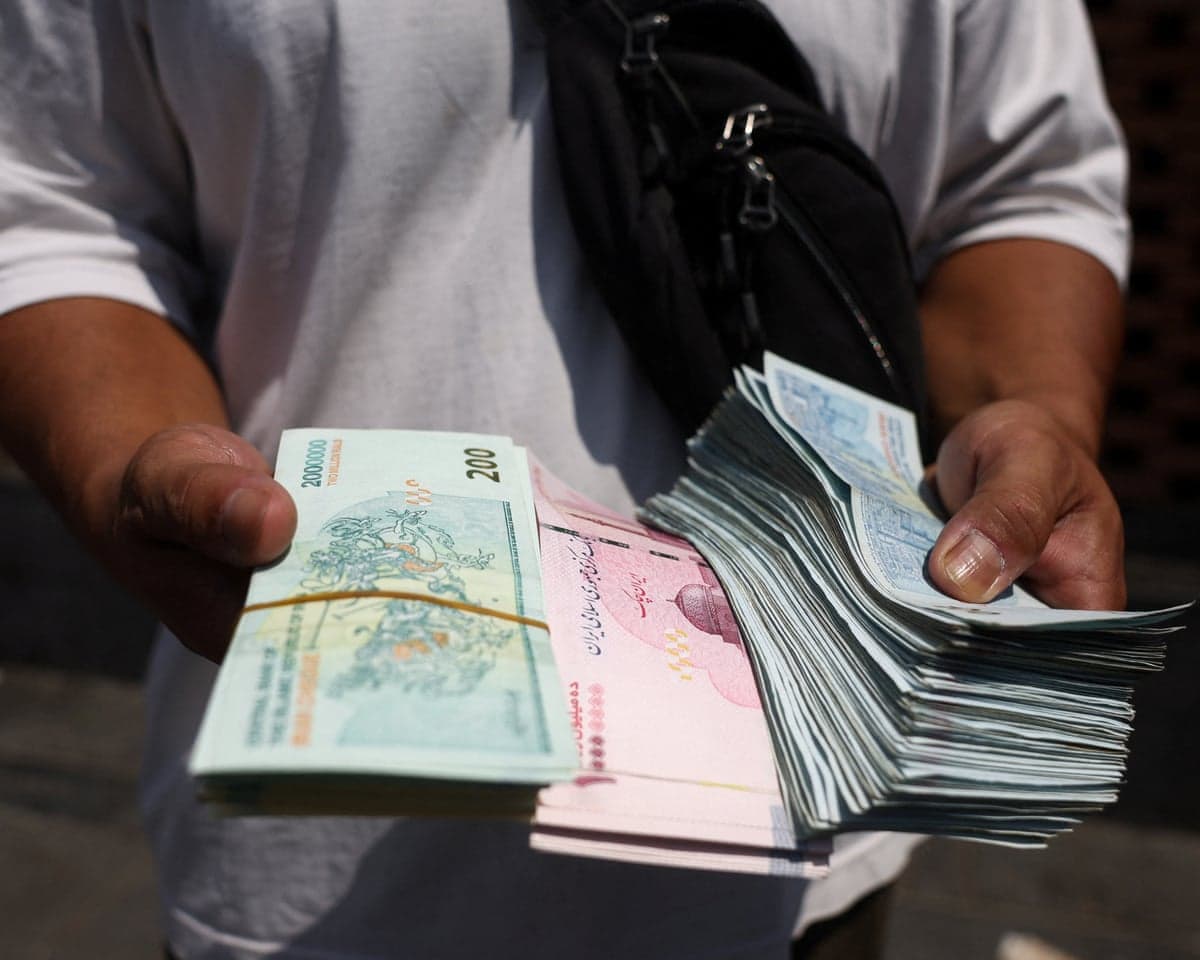
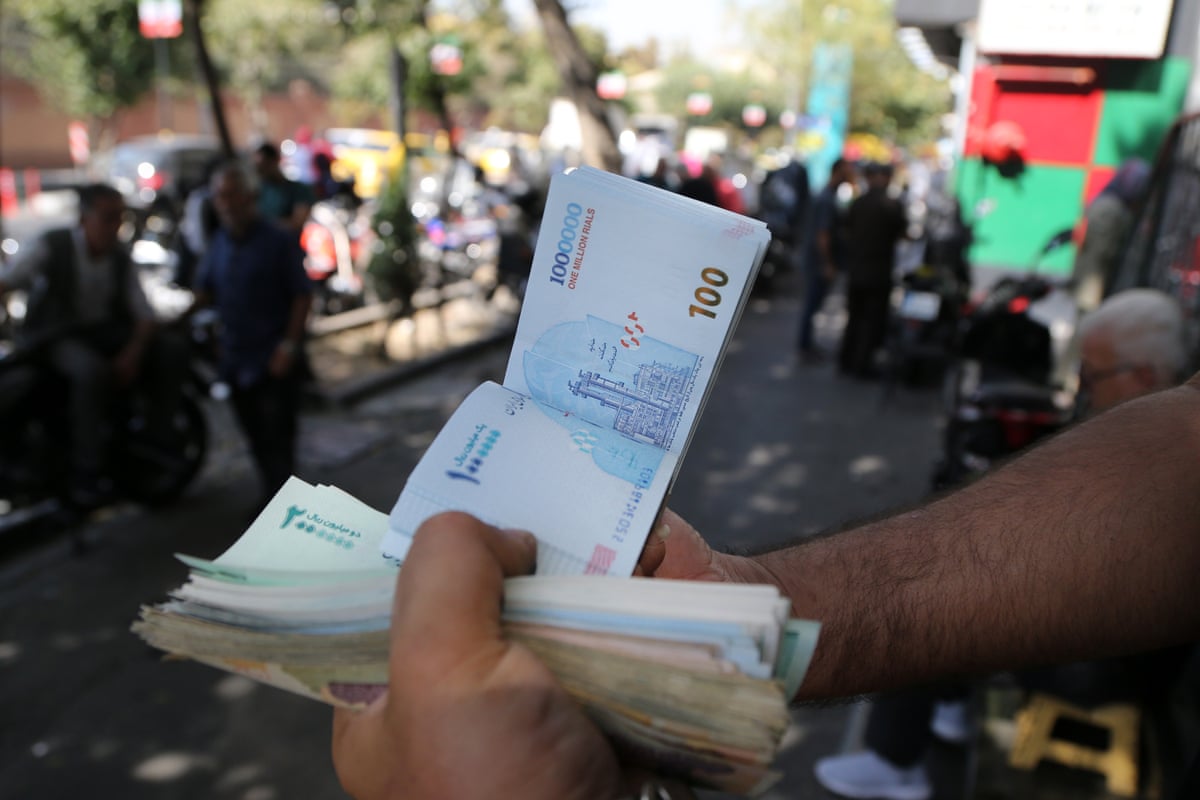
Iran's currency has weakened to an all-time low against the dollar as the United States intensifies efforts to cripple the country's economy following nearly six months of conflict. The rial traded at 1.992 million per dollar on unregulated markets on Monday, representing a 4.5% decline since US President Donald Trump announced a "crushing economic operation" against Tehran the previous week.
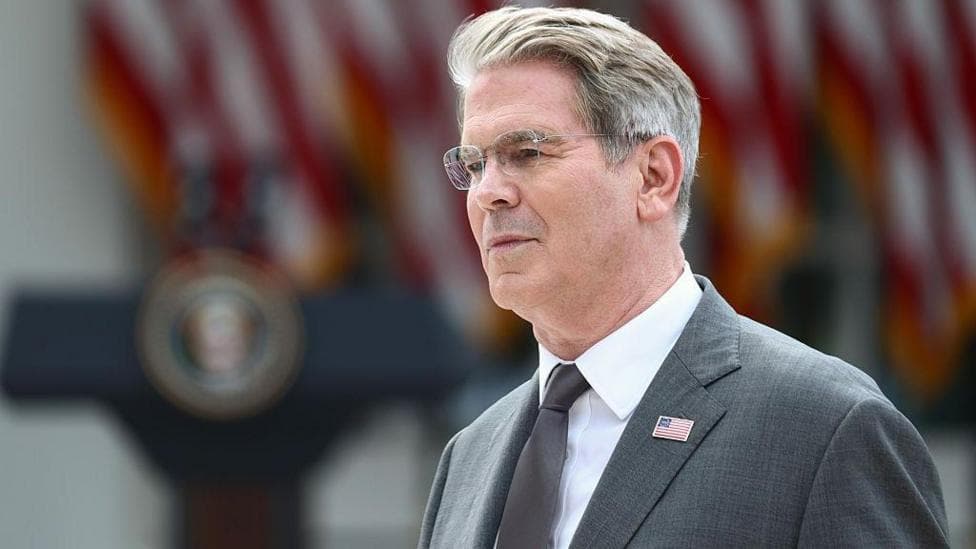
US Treasury Secretary Scott Bessent is scheduled to unveil fresh sanctions against Iran at a press conference set for 1pm EDT (6pm London time) on Monday. According to financial news coverage, Bessent framed the incoming measures as an "economic D-Day," describing them as the most comprehensive financial offensive ever directed at an adversary. International reporting indicates the administration plans to impose what officials characterise as the toughest sanctions in history on Iran.
In a statement released ahead of the announcement, Bessent declared:
At dawn begins an economic D-Day — the single greatest financial offensive ever marshalled against an adversary. Our objective is to sever every economic lifeline that sustains the tyrannical regime until Tehran stands alone.
The currency depreciation reflects mounting pressure from Washington's strategy to isolate Iran by threatening its remaining trading partners, blockading key ports in the Persian Gulf, and restricting oil exports. According to international market reports, the informal market rate fell to 2.02 million rials per dollar as trading opened, while Iran's official central bank rate remained around 1.5 million rials per dollar, reflecting a significant gap between official and market valuations.
Iran's central bank governor, Abdolnaser Hemmati, disclosed last week that the country's crude exports have "virtually stopped." The United Arab Emirates, historically one of Tehran's principal trading partners, announced it had suspended all financial transactions with Iran until further notice.
What do the new sanctions include?
The Treasury secretary indicated that the sanctions package would encompass secondary sanctions targeting countries that continue conducting business with Iran, according to reports on the administration's strategy. Bessent stated the administration intended to deploy every available resource to further isolate Iran economically and eliminate support flowing to its government. The measures represent an escalation of existing restrictions that have already frozen billions in Iranian assets and dramatically reduced oil export revenues.
Iran's top financial newspaper, Donya-e Eqtesad, attributed the currency's collapse to disruptions in foreign-exchange transfers, declining export revenues, elevated import demand, and rising inflation expectations across the economy.
The escalating sanctions campaign builds on months of economic pressure. Earlier this month, Bessent demanded that US allies choose between supporting Washington's campaign to devastate Iran's economy or face severe penalties themselves, signalling that the administration plans to extend consequences to nations refusing to comply with the sanctions regime.
How are global markets reacting?
Asian stock exchanges declined as investors awaited details of the threatened sanctions. Japan's Nikkei fell nearly 0.7%, Hong Kong's Hang Seng dropped 1.9%, and South Korea's Kospi tumbled 3.2%. Oil prices also retreated, with Brent crude, the global oil benchmark, losing 1.6% to $92.81 a barrel as markets braced for the sanctions announcement.
European stock markets showed minimal movement ahead of the Treasury press conference. In London, the FTSE 100 index traded more than 15 points higher at 10,835, up 0.1%. The German, French and Italian markets remained essentially flat, while the Spanish exchange rose 0.2%.
The muted European response contrasted with sharper declines in Asia, where broader concerns about global economic stability and energy prices weighed on investor sentiment. Market participants remained focused on the Treasury announcement and its potential implications for global oil supplies and inflation.
Fast-fashion retailer Shein sets valuation for Hong Kong listing
Fast-fashion giant Shein announced its stock market debut will take place on the Hong Kong exchange on 1 September at a valuation of approximately $27 billion (£19.8 billion), marking a dramatic decline from its near-$100 billion private market valuation four years earlier.
The online retailer, which built a fast-fashion empire on rapid inventory turnover and low prices, was forced to lower its own valuation after falling into losses earlier this year. The Hong Kong listing represents one of the longest-awaited initial public offerings of recent years, following regulatory obstacles that blocked the company's planned New York debut over forced labour concerns. The company subsequently considered a £50 billion float in London but encountered opposition from campaigners, MPs and investors.
Shein relocated its headquarters to Singapore between 2021 and 2022, a move analysts have characterised as an effort to reduce exposure to intensifying global scrutiny of Chinese firms. In early 2025, the company asserted that its products do not include cotton produced in the Xinjiang region of China, which has been linked to forced Uyghur labour. However, the company runs most of its operations from China while selling all its goods outside the country.
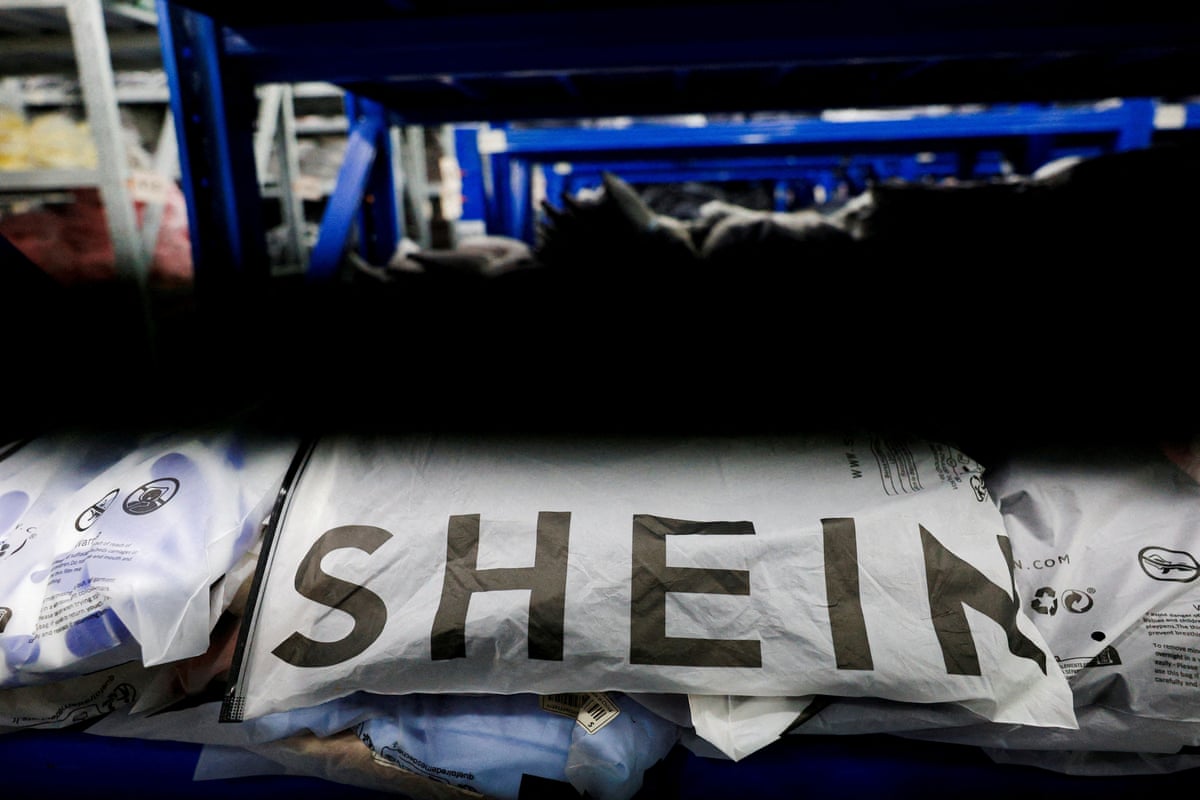
The company reached a $100 billion valuation during an April 2022 fundraising round, making it the third most valuable startup globally at that time. The sharp reduction in its Hong Kong valuation reflects investor concerns about the company's profitability, regulatory risks, and reputational challenges surrounding labour practices in its supply chain.
Thames Water creditors outline board restructuring plans
A consortium of senior Thames Water creditors has outlined plans for a comprehensive boardroom overhaul if Britain's largest water company avoids nationalisation and their turnaround strategy receives government approval.
The creditor group, operating under the name London & Valley Water, has identified four prospective board members to lead the struggling utility if they secure formal ownership. They plan to appoint Liz Barber, former chief executive of Yorkshire Water, alongside Dame Bernadette Kelly, the former permanent secretary at the Department for Transport, and Clive Selley, the former chief executive of Openreach, which operates and maintains the UK telecommunications infrastructure. Mike McTighe, former chair of Openreach who is already advising Thames Water, would also join the board.

This development arrives as Prime Minister Andy Burnham faces mounting pressure to nationalise Thames Water under the government's special administration regime, a move that would result in substantial losses for creditors. Burnham has previously signalled openness to this approach to eliminate debts totalling billions of pounds.
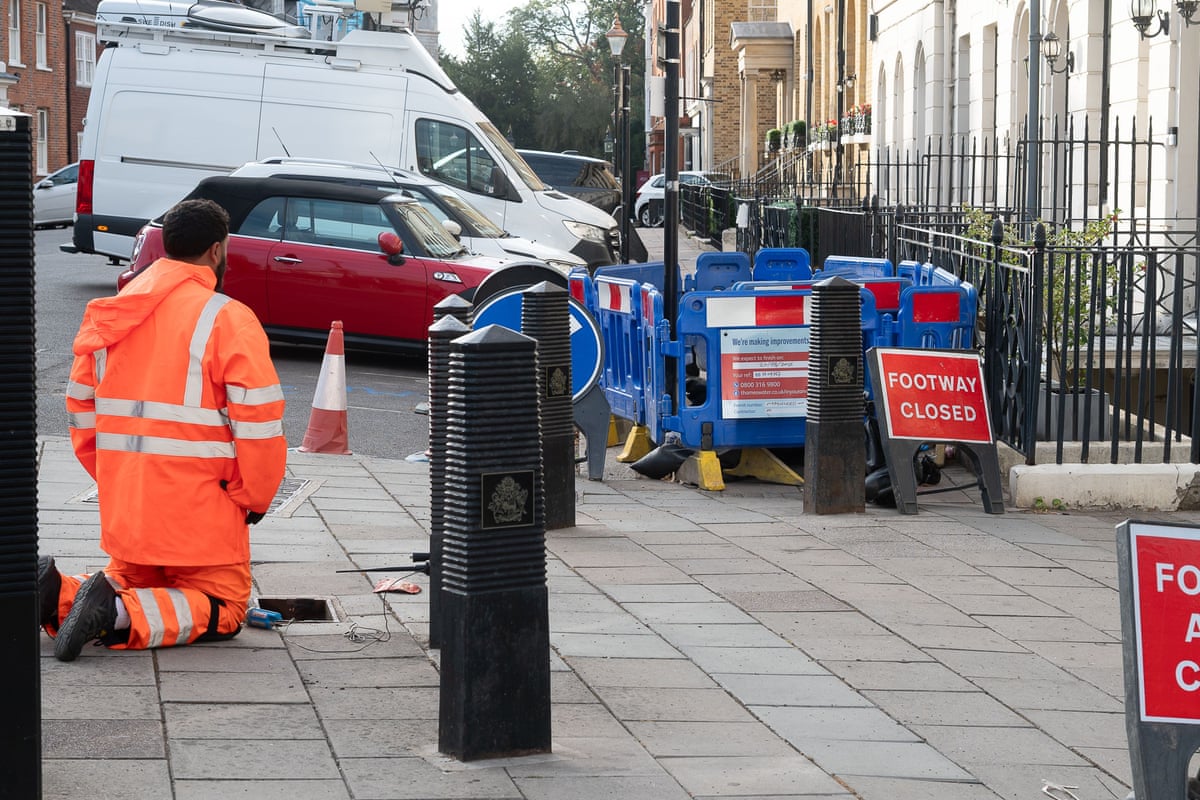
Thames Water, burdened by a £20 billion debt mountain, supplies 16 million customers across London and the south east. The company has teetered on the brink of financial collapse for nearly three years and could exhaust its cash reserves as soon as October. Despite its precarious financial position, the company paid its finance chief a £1 million signing fee earlier this month—a decision the environment department characterised as "unacceptable."
The London & Valley Water consortium is negotiating with government ministers and regulator Ofwat, seeking to assume formal control of Thames Water this autumn in exchange for regulatory leniency on future penalties. Under their proposal, they would provide short-term bridge financing ahead of a broader debt restructuring programme.
The consortium stated that the new directors would "oversee Thames Water's 10-year turnaround and deliver a comprehensive transformation of Thames Water in the interest of customers and the public." One of the prospective board members commented:
The challenge at Thames Water is huge. If this recapitalisation plan is accepted, we will apply full dedication as a new board, working alongside the executive team to transform the business and build a culture in which the customers and local communities who depend on Thames Water come first. We will focus relentlessly on protecting public health and safety, respecting and improving the local environment, ensuring what people pay for their water is fair and the most vulnerable are protected, investing to secure clean and reliable water supplies for current and future generations, and being accountable for what we do. It will take time to fix Thames Water, but we are committed to rebuilding trust with the customers and public Thames Water serves.
US-Canada trade war deepens as tariff deadline passes
The Canadian dollar declined following the collapse of trade negotiations with the United States and Washington's imposition of 50% tariffs on $20 billion of Canadian goods, prompting Canada to announce retaliatory measures. The Canadian dollar fell 0.2% to C$1.3798 per US dollar, retreating from a three-month high it had reached on optimism surrounding a potential trade agreement.
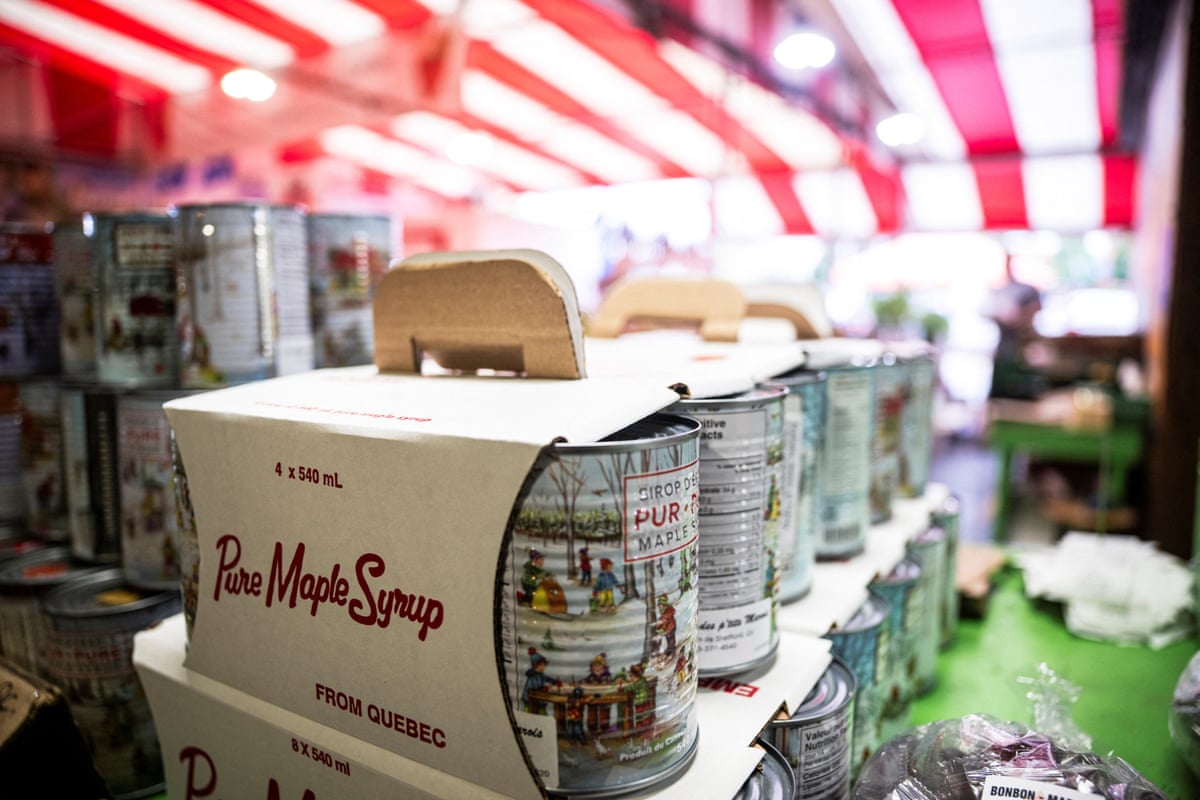
The two countries appeared close to resolving their dispute on Friday, with negotiations focused on reducing tariffs on steel, aluminium and automobiles. However, the agreement unravelled at the final moment. Prime Minister Mark Carney stated they were "walking away from a bad deal" and announced Canada would implement retaliatory tariffs on US steel, electronics, dairy, appliances, agricultural equipment, pulp, paper and other products, effective 8 September.
Canada now faces 50% new tariffs on goods including wine, furniture, dairy products, cement, clothing, fishing rods and hockey sticks, affecting approximately 5% of Canada's total exports to the United States. The new US tariffs supplement existing levies on automobiles, aluminium, steel and lumber.
President Donald Trump posted on social media that "Canada wants the benefits of being a State, without being one!!! They have also charged our great farmers, for many years, massive amounts of Tariffs. No more!!!"
Carney rejected the final US proposal, stating: "They asked too much and they offered too little … you're at war when you're attacked, and we got attacked." He pledged to match US tariffs "dollar for dollar."
Trump had initially announced the tariffs on 20 July, claiming Canada had unfairly discriminated against American businesses. The White House cited Canada's bans on the sale of US alcohol in eight of its 10 provinces and all three territories as a core example. These restrictions on US spirits, wine and beer took effect following Trump's first round of tariffs on Canada in early 2025.
The breakdown shocked observers, as Trump had claimed on Tuesday that a three-day extension would be granted to the tariff deadline because an agreement was nearly finalised. On Wednesday, he told reporters that a "very fair deal for both" sides had been completed. However, as details leaked to Canadian media, there was growing alarm that Carney and his negotiators were conceding excessive ground in exchange for lower tariffs on steel, aluminium and cars.
Analysts at Deutsche Bank noted that the Canadian dollar weakened against every other G10 currency following the talks' collapse, including a 0.26% fall against the US dollar. Bloomberg reported that Canada saw little prospect of talks resuming before the midterm elections.
Market concerns over US economic policy and inflation
Investment strategist Susannah Streeter from the Wealth Club observed that despite the US administration's recent military engagement in the Middle East, it has pursued an adversarial rather than conciliatory approach to international economic relations. She explained:
Relations between the USA and Canada have taken another fractious turn after trade talks collapsed, leading to 50% tariffs on some Canadian goods being imposed over the weekend. Canadian exporters will be bracing for a drop in sales if US importers try and find alternative supplies rather than paying the tariffs. But it's likely many costs will be passed on through wholesalers and retailers and it will be American consumers who'll end up paying more, with tariffs acting like a tax on imports. While the impact on inflation through this latest hike should be relatively contained, the cumulative effect of tariffs across multiple trading partners is an increasing worry, especially combined with higher energy prices induced by conflict in the Middle East.
Streeter added that the collapse in US-Canada trade talks could exert additional upward pressure on Treasury yields, as the trade dispute deepens concerns about US economic policy, mounting debt and inflationary pressures. The Trump administration has promoted tariffs as a mechanism for generating substantial government revenue and addressing America's debt burden. However, the chaotic tariff regime has faced numerous legal challenges and generated mass refunds, leaving the US deficit on track to reach $2.1 trillion this year while the national debt has just exceeded $40 trillion.
Tariffs and military conflicts carry dual economic risks: they increase costs while simultaneously restraining growth. Slower economic expansion can also diminish tax revenues, complicating efforts for the US to expand its way out of its debt obligations. These considerations will weigh on central bankers' minds ahead of the Jackson Hole economic conference later this week, with investors seeking guidance from Federal Reserve Chair Kevin Warsh regarding potential interest rate trajectories given the challenging economic and monetary environment.
The Trump-appointed head of the US central bank has previously signalled reluctance to "spoon-feed" financial markets regarding its interest rate strategy for managing rapid price increases.
What happens next
Treasury Secretary Bessent's press conference on Iran sanctions is scheduled for Monday at 1pm EDT (6pm London time). The Jackson Hole economic conference begins later this week in Wyoming, with Federal Reserve Chair Kevin Warsh scheduled to speak on Friday. His remarks will be closely monitored for signals regarding the central bank's commitment to controlling inflation and its approach to setting interest rates amid economic uncertainty.
Mexico will release its final second-quarter GDP figures on Monday at 1pm BST, while the US Chicago Fed national activity index for July is due at 1:30pm BST.