Annual inflation in the United States climbed to 3.7% in the 12 months through September, exceeding analyst expectations and marking the highest rate since May, according to data released by federal authorities on 16 October 2026. The increase from 3.4% recorded in August arrives as voters prepare for midterm elections next month, with cost-of-living pressures dominating campaign messaging across the country. Rising fuel costs, stemming from energy supply disruptions linked to Middle East geopolitical tensions, drove much of the acceleration.
According to economist forecasts, analysts had anticipated a monthly increase of 0.6%, which the data confirmed. The Energy Information Administration documented that gasoline prices surged 7.1% during September alone, reflecting broader market volatility. Consumer sentiment has deteriorated amid these cost pressures, with polling data showing President Trump's approval rating declining as households grapple with elevated expenses.
This September inflation rate represents the highest level before a midterm election, with the exception of the pandemic, since 1990. Gasoline accounted for over half of overall price increases, up 34% from the previous year. Fuel oil, used to heat homes, increased by 74% year over year, raising concerns for households heading into winter. Air travel also increased by 22.4%. Core inflation, which excludes volatile energy and food prices, rose 0.3% in September to 2.6% annually.
The cost of energy price increases has been substantial for American households. According to analysis cited in recent reporting, the US-Israel war with Iran has cost Americans over $1,020 per household, totalling approximately $133 billion across all US consumers. Average gasoline prices remain more than one dollar per gallon higher than the previous year, while diesel, which powers domestic supply chains, reached record levels in September.
Much of the anger over inflation is expected to be directed at Republicans, who control Congress and the White House. According to polling data, 78% of Americans blame the current Trump administration's policies for inflation that is outpacing their earnings, including 57% of Republicans who support Donald Trump. In recent weeks, President Trump has attempted to downplay his administration's role in price increases, pointing to the Iranian government as the cause of the squeeze.
What is inflation?
Inflation represents the pace at which prices for goods and services rise across an economy over time. A practical illustration: if a bottle of milk costs $1 and increases to $1.10 within a year, that product has experienced 10% annual inflation.
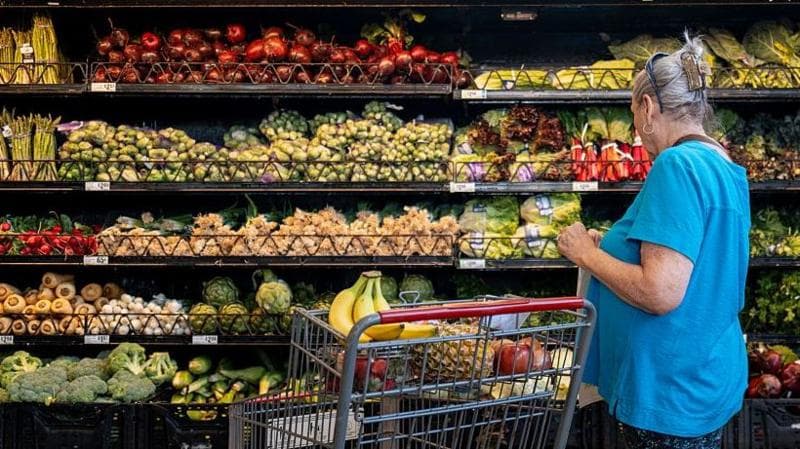
The Bureau of Labor Statistics tracks inflation through the consumer price index, which monitors price movements across hundreds of distinct products and services—groceries, apparel, energy, and medical care among them. These items reflect what households routinely purchase, and the agency uses this data to calculate the overall inflation rate affecting the American economy. Operating for more than 110 years, the bureau periodically updates its basket of tracked goods to reflect shifts in consumer spending and lifestyle patterns. Early measurements excluded automobiles and radios, while ice was eventually replaced by refrigeration technology in the energy category alongside fuel and electricity.
What causes inflation?
Multiple factors can drive inflation upward. When demand for a product exceeds available supply, producers typically respond by raising prices. The recent craze surrounding Labubu collectibles and their elevated resale values demonstrate this dynamic in action.

Rising household incomes can also fuel inflation by increasing demand for goods and services, which subsequently pushes prices higher. Supply constraints represent another significant driver. When the quantity of a product diminishes while demand stays constant, prices tend to climb. Crude oil exemplifies this pattern—the commodity used to produce gasoline and diesel fuel traded just above $70 per barrel before the US-Israel conflict with Iran began, but supply constriction caused prices to exceed $100 per barrel as the geopolitical situation intensified.
How have tariffs affected inflation?
Since beginning his second term, President Donald Trump has implemented tariffs affecting most American trading partners globally. Several initial tariffs announced previously were reduced as the administration negotiated trade agreements with various countries. In February, the Supreme Court invalidated most of the additional global levies that remained in place.
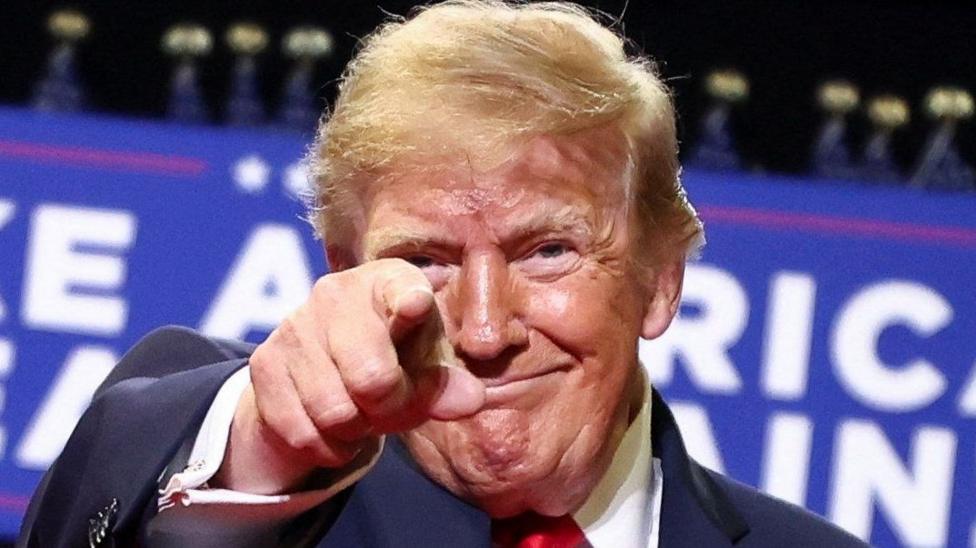
The president responded by announcing a replacement 10% global tariff. While Trump contended that tariffs would increase federal tax revenue, strengthen domestic manufacturing, and encourage American consumers to purchase domestically produced goods, research from the Federal Reserve Bank of New York demonstrates that these levies have contributed to inflation. Tariffs—taxes that businesses pay on imported goods—directly increase costs for American companies unless foreign suppliers reduce their prices to offset the additional expense. According to Fed analysis, overseas exporters lowered prices minimally in response to Trump's tariff increases, forcing US-based businesses to absorb nearly 90% of the added tax burden.
Tariffs also indirectly affect domestically manufactured goods, since many American producers depend on overseas components, materials, or ingredients. The New York Fed calculated that each percentage point rise in average tariffs generates approximately 0.25% price growth for consumer goods within one year.
Has inflation been worse lately?
Current inflation exceeds the Federal Reserve's 2% target, though it remains substantially lower than recent peaks. During the Covid-19 pandemic, supply chain disruptions began accelerating price increases. When Russia launched its full-scale invasion of Ukraine in early 2022, oil prices surged past $100 per barrel. These combined pressures pushed inflation to approximately 9%, the highest level in decades. In May 2026, inflation had surged to 4.2%, the fastest rise in three years, before moderating in subsequent months.
In August, headline inflation rose 0.3% before seasonal adjustment, while the CPI-W index, which tracks spending patterns among urban wage earners and clerical workers, increased 3.5% year over year, according to official labor statistics data.
Can inflation ever go down?
It is crucial to understand that a slower inflation rate does not mean prices are declining—it indicates that prices are rising at a reduced pace. Modest inflation is generally viewed as beneficial for economic health, as reflected in the Federal Reserve's target rate. Most central banks regard inflation around 2% or slightly higher as sustainable and unlikely to influence consumer purchasing behavior significantly.
If inflation falls substantially below that level, consumers may postpone purchases anticipating further price declines. This behavior can prompt businesses to reduce wages or cut workforce numbers to manage diminished demand.
What happens next
Heightened inflation will put more pressure on the Federal Reserve to increase interest rates, its primary tool to cool prices. The Federal Reserve has scheduled its next policy meeting for 27–28 October, when officials will assess economic conditions and potentially adjust interest rates in response to inflation developments. Last month, the Fed raised interest rates for the first time since 2023, citing elevated prices. Higher rates affect the cost of borrowing money, including mortgage rates, which have risen to 7.40% for 30-year mortgages.