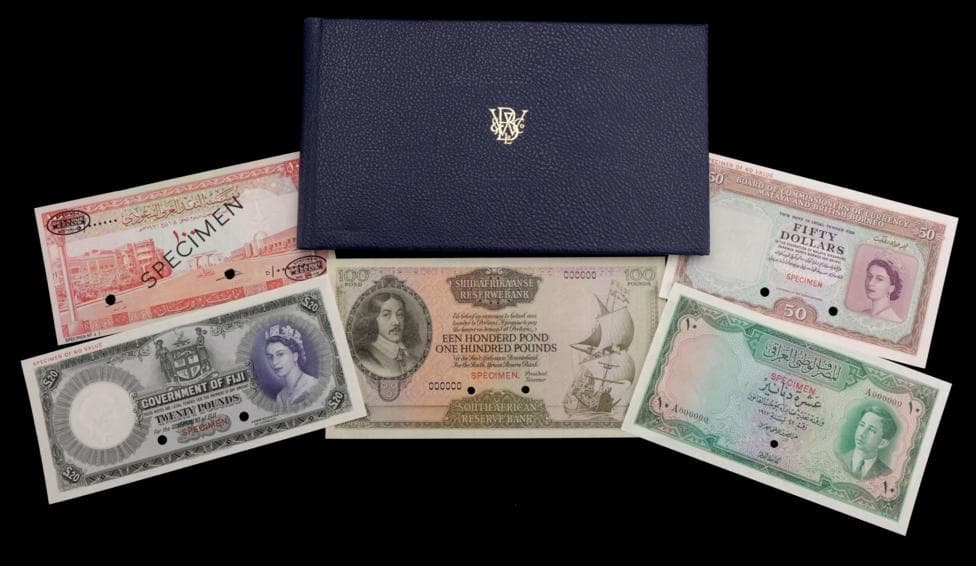
A remarkable assemblage of rare banknotes gifted to a British Heart Foundation charity shop in Edinburgh has realised £85,860 at auction, with the proceeds supporting the organisation's research into heart and circulatory diseases.
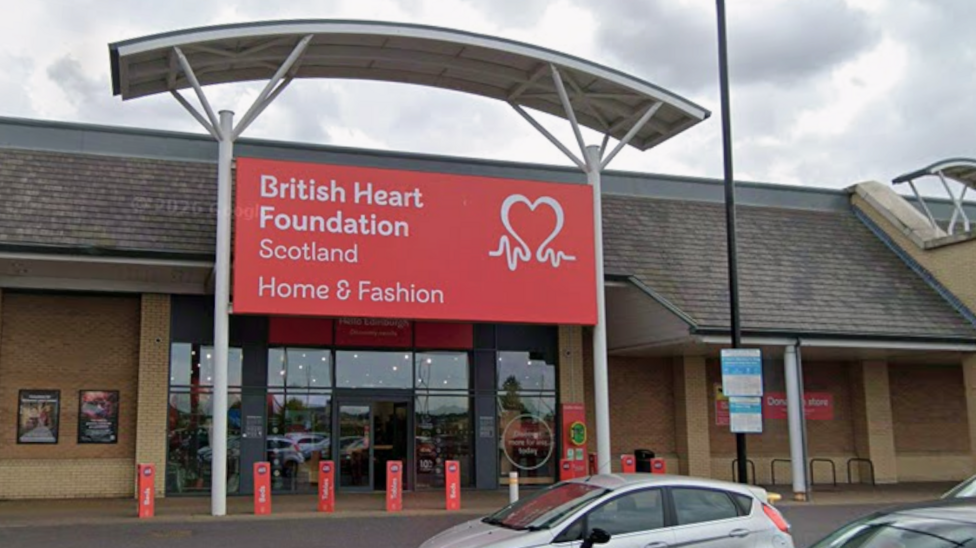
The donation, comprising almost 160 notes sourced from across the globe and presented in albums, arrived at the BHF shop located at Straiton Retail Park. Staff members recognised the collection's unusual character and forwarded it to Noonans, a specialist auction house with expertise in numismatic materials. The auction house waived its vendor commission entirely, ensuring the full proceeds benefited the charity.
According to reporting on the sale, Noonans estimated that the notes would attract collectors across as many as 50 countries, reflecting the international significance of the material.
What made the collection exceptional?
The assemblage contained specimen and trial banknotes of considerable rarity, including an uncirculated note featuring a youthful portrait of Queen Elizabeth II, issued by the board of commissioners of currency for Malaya and British Borneo. Among the most prized items was an exceptionally scarce 1947 Iraqi 10 dinars colour trial and a 1961 specimen 100 riyal note from Saudi Arabia.
Two unique, hand-painted Royal Bank of Scotland note designs—never manufactured for circulation—were individually estimated at £500–£600 each, according to specialist assessments. The 1952 South African £100 note, bearing Afrikaans text and the serial number 000000, carried a pre-sale valuation of £1,200–£1,600, as documented in the sale catalogue.
How did the shop staff identify the collection's value?
When the donation arrived at the Straiton Retail Park location, shop volunteers examined the folders but lacked the specialist knowledge to assess their significance. The team forwarded the materials to the BHF's eBay operations centre in Leeds for investigation. Once the potential value became apparent, staff were astonished by the discovery.
David McCormack, manager of the Edinburgh shop, reflected on the experience:
"When the donation came into the shop, we all looked through the folders but didn't know much about the banknotes, so we sent them to our eBay team in Leeds to investigate. When we discovered their potential value, we were flabbergasted. It's incredibly exciting to see a donation received by your shop raise such a significant amount for the charity, and we're so proud the donor chose to give the collection to us."
What did charity leaders say about the outcome?
Allison Swaine-Hughes, chief commercial officer at the BHF, expressed the organisation's gratitude for both the donor's generosity and the shop team's vigilance.
"We are incredibly grateful to the donor who chose to entrust these remarkable banknotes to us, and to our brilliant shop team in Edinburgh who recognised that there was something very special about this donation. It's wonderful to think that a collection generously handed into one of our charity shops can go on to raise such a fantastic amount for lifesaving research."
Andrew Pattison, representing Noonans, described the experience of handling the material:
"It was a great privilege to handle this exceptional group of specimens and trials for the BHF. Material of this quality is extremely rare and collectors all over the world have responded extremely well, with many of the notes selling for that little bit more than normal on account of the charitable nature of the sale."
Key Facts
- The collection of almost 160 banknotes from around the world sold for £85,860 at auction on behalf of the British Heart Foundation
- Highlights included a rare uncirculated Queen Elizabeth II note from Malaya and British Borneo, a 1947 Iraqi 10 dinars colour trial, and a 1961 Saudi Arabian 100 riyal specimen
- Noonans auction house waived its vendor commission, ensuring all proceeds supported the charity's heart and circulatory disease research
- The Edinburgh shop staff recognised the collection's significance and forwarded it to specialists for proper evaluation and sale
- Collectors from an estimated 50 countries participated in the auction, demonstrating the international appeal of the material