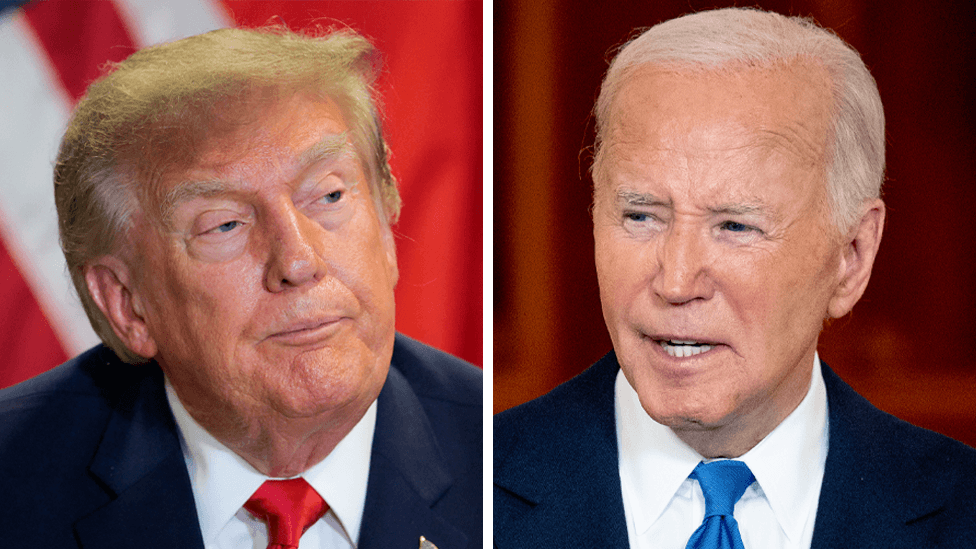
President Donald Trump confronts an economic puzzle that consumed his predecessor: solid headline figures mask public anxiety about the cost of living. According to BBC News, the White House is grappling with a familiar disconnect between economic data and voter sentiment, a challenge that undermined Joe Biden's standing in 2024 and now threatens Trump's political standing ahead of the midterm elections.
During his campaign, Trump pledged swift action on prices.
When I win, I will immediately bring prices down,he declared. Yet delivering on that promise has proven far more difficult than anticipated. Economic growth stands at 2.2%, unemployment remains stable at 4.2%, and the stock market hovers near record highs—metrics that would normally signal a healthy economy. However, the latest inflation data confirms what voters already feel: prices remain elevated, and household budgets remain strained.
The underlying causes differ from Biden's predicament. While Biden contended with pandemic-related supply chain disruptions, Trump faces headwinds from his own policy choices, including tariffs announced on what he termed
Liberation Dayin April 2025, as well as geopolitical tensions with Iran that have driven energy costs higher. The political reality, however, mirrors Biden's experience: voters judge economic health not by GDP growth or stock market performance, but by what they spend at the supermarket, petrol pump and on monthly bills.
Why Economic Indicators Fail to Reassure Voters
A 2.2% growth rate would be respectable by international standards—Germany, for comparison, has struggled to achieve similar momentum. The stable 4.2% unemployment rate hardly suggests an economy in distress. Trump's administration points to these figures as vindication of its policies, with White House spokesman Matthew Middleton arguing that the administration's
aggressive, pro-growth economic agendahad blunted
Biden's inflation crisis. Economic commentator Larry Kudlow, a Trump ally, has called the current expansion
the greatest story never told, contending that employment remains robust.
Yet voters are reading a different narrative. Wage growth has lagged price increases: average hourly earnings rose 3% over the past year while consumer prices climbed 3.7%, according to recent data. This gap between wage and price growth explains why polling continues to show voters giving Trump poor marks for his economic stewardship. The September inflation rate accelerated from 3.4% in August to 3.7%, exceeding forecasts, with gasoline prices jumping 9.1% and accounting for more than half of the monthly increase.
How Language Masks the Real Problem
Democratic pollster Celinda Lake, who advised Biden's 2020 campaign, identifies a fundamental communication gap between economists and ordinary households.
When economists say inflation comes down, they mean the rate of increase has come down,Lake explains.
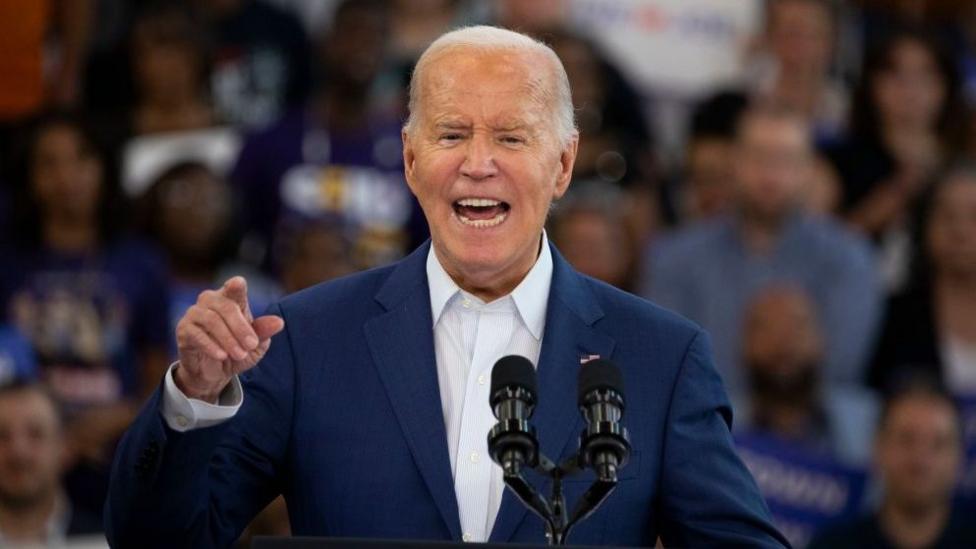
When voters say inflation has come down, they mean the price has returned to what it was. Well, of course, it never returns to what it was.This semantic divide has plagued both administrations. Biden spent much of 2024 highlighting low unemployment, solid growth and declining inflation rates, yet many voters remained fixated on the higher prices they encountered daily.
Lake emphasises that voters assess the economy through personal experience rather than economic indicators.
You can't argue with people about their own lived reality,she says. Consumer sentiment data underscores this disconnect. The University of Michigan's October consumer-sentiment index was the second-lowest in records dating to 1978, with 56% of surveyed consumers spontaneously citing higher prices as hurting their finances. October inflation expectations rose to 4.7% for the year ahead and 3.5% over the longer term, according to the same survey.
Trump's Policy Choices Complicate His Message
Biden could blame forces largely beyond his control—the pandemic and its lingering supply chain effects. Trump has less latitude for such arguments. Some economists contend that current price pressures stem directly from his administration's decisions. Peter Morici, a University of Maryland economist who aligns with Republican positions, states plainly:
The inflation is clearly traceable to Donald Trump. It's his tariffs and the war. People know that. They see it.
The tariff impact has been substantial. A study by the Federal Reserve Bank of New York found that Trump's April 2025 tariffs increased consumer goods prices by approximately 2.9%. The effect might have been larger had Trump not later paused some tariffs, negotiated new trade deals, and been blocked by the Supreme Court from using emergency powers to impose additional levies. Energy costs have compounded the problem: conflict with Iran has pushed oil prices higher, lifting petrol costs and straining household budgets further. Nationwide regular gasoline averaged $4.29 a gallon in late October, 40% above a year earlier, while diesel averaged $6.32, nearly 75% higher.
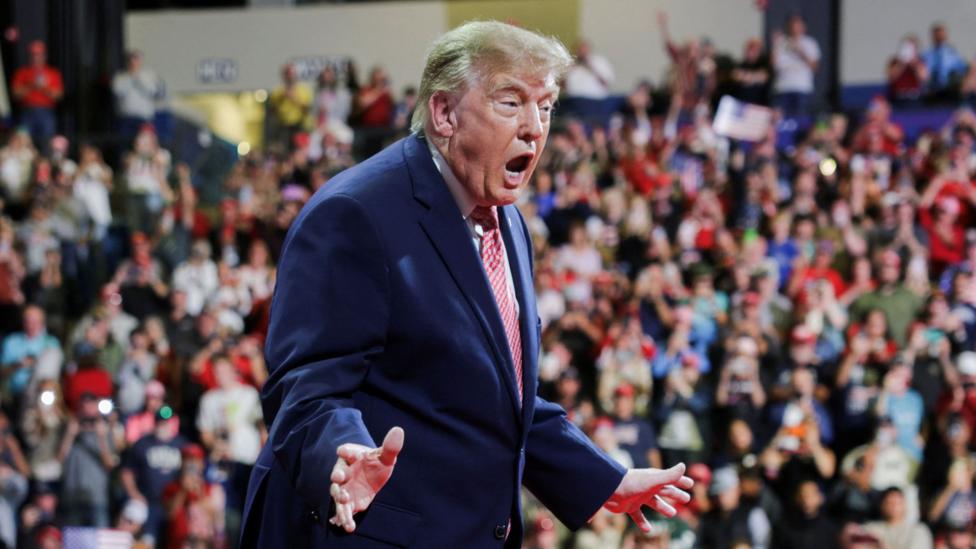
The White House has highlighted tax cuts, job creation and lower prescription drug costs as evidence that the administration is delivering for American families. It is increasingly embracing measures aimed at easing cost pressures. Trump has called for a cap on credit card interest rates and floated the idea of a $5,000 payment to American adults if Republicans retain control of Congress. Earlier, Trump announced measures to reduce fuel costs, including allowing red-dyed diesel on highways and coordinating a G7 oil release, though analysts question whether these steps can meaningfully lower prices before the elections.
The Broader Economic Context
Underlying economic challenges extend beyond inflation. The US jobs market stalled in September with just 29,000 positions added, a sharp decline from August's 133,000, signalling a cooling labour market ahead of the midterms. Meanwhile, US national debt surpassed $40 trillion on 19 August 2026, doubling since 2016, with rising interest rates and investor concerns raising borrowing costs and threatening higher mortgage, auto and credit card rates for households.
Core inflation, excluding food and energy, stood at 2.6% year over year, suggesting that price pressures extend beyond energy-driven spikes. This broader inflation dynamic complicates the administration's narrative that energy costs alone explain elevated prices.
What Happens Next
The Federal Reserve's rate-setting committee is scheduled to meet on 27–28 October, with its decision expected on Wednesday, 28 October at 2 p.m. ET. The October employment report is scheduled for 6 November, and the October CPI report for 10 November. These data releases will provide fresh evidence of economic momentum—or lack thereof—in the final weeks before the midterm elections.
Biden never found a way to bridge the gap between economic performance and economic sentiment, ultimately paying a political price. The question heading into the midterms is whether Trump can succeed where his predecessor failed. If recent political history offers any guidance, voter perceptions of the economy may ultimately matter far more than the economic data itself.