More than 2,000 salon owners have signed an open letter urging Chancellor John Healey to reduce VAT on hair and beauty services from 20% to 10% in the Budget, citing mounting pressure from rising employment costs and a sharp decline in apprenticeships. The British Hair Consortium (BHC) is backing the campaign, warning that traditional employer-led salons are struggling to compete with self-employed models and that without relief, more businesses will close on high streets across the country.
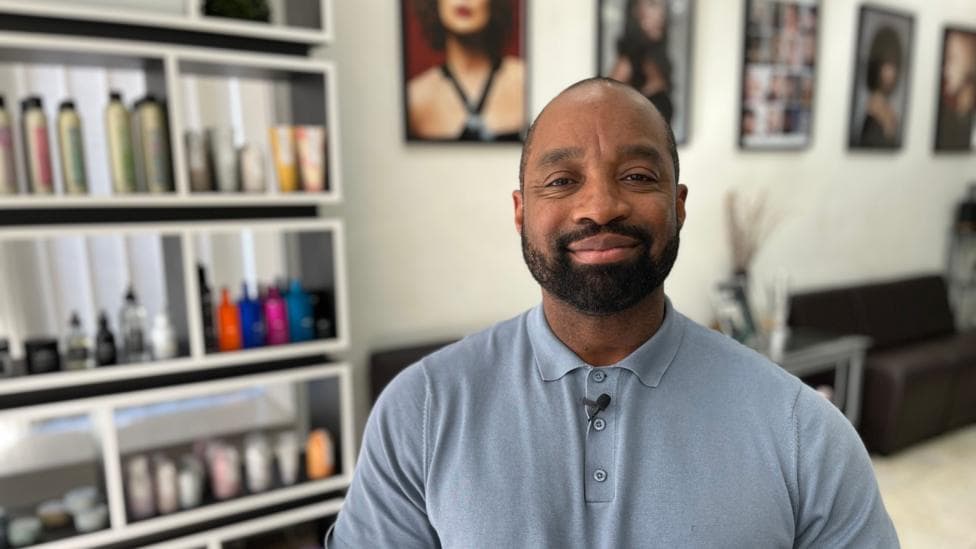
According to BBC News, salon owners say they face mounting pressures from increases in wages, pensions and National Insurance contributions following government reforms to employers' NI and the minimum wage. Marcus Perkins, who has run his salon for 22 years, expressed deep concern about the sector's future, noting that rising costs make it increasingly difficult for businesses to employ staff and invest in apprenticeships.
The sector has experienced significant job losses in recent years. According to the British Hair Consortium, the hair and beauty industry lost 21,400 jobs last year, while apprenticeships have fallen 78% since 2015. This dramatic decline has prompted industry leaders to argue that a VAT reduction would help businesses take on more staff, invest in training, and sustain salon operations on high streets.
Why are salon owners worried about the future?
Perkins, who runs M&M Spa in Quarry Bank near Brierley Hill, has trained more than a dozen young people over two decades, spending approximately £2,000 this year alone on courses and travel costs to support their development. He believes that traditional salons, which bear the costs of training future hairdressers, are increasingly competing against self-employed models where stylists rent chairs within salons rather than being directly employed.
"Seeing salons close on the high street is very scary,"Perkins said.
"I'm very scared myself. Luckily it hasn't happened yet but who knows what the future holds?"
He argues this creates an
"unlevel playing field"because employer-led salons shoulder training costs that self-employed arrangements avoid. The shift towards self-employment has accelerated as businesses seek to reduce overheads, but industry figures warn this threatens the pipeline of trained professionals entering the sector.
How does this affect apprentices and young stylists?
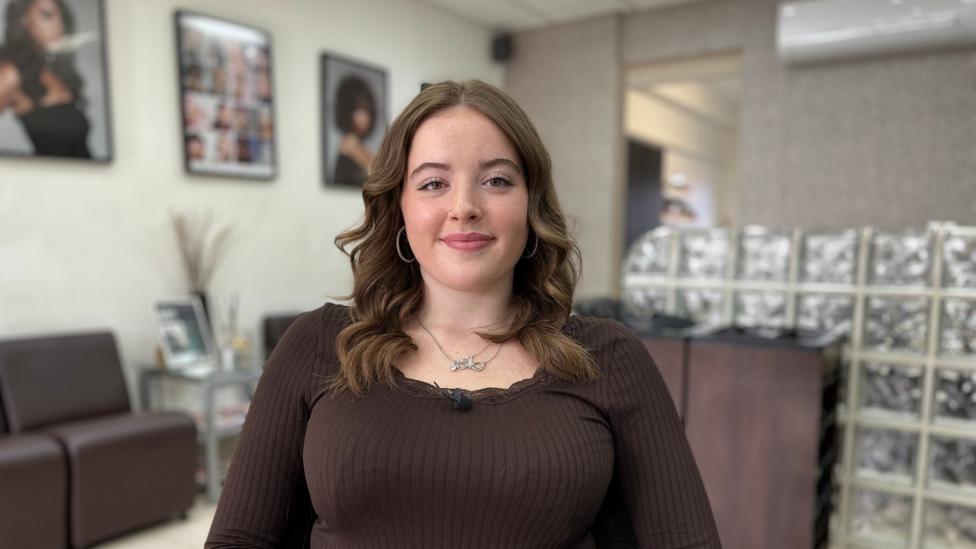
Trearna Hart, a 21-year-old stylist trained at M&M Spa, said many of her peers struggled to establish careers after leaving college. She was fortunate to find an employer willing to invest in her development, but acknowledged that fewer salons will be able to offer such opportunities if financial pressures continue.
"At the rate it's going we're not going to have many salons left open and there's no-one going to be able to do hair,"Hart said. The BHC has warned that apprenticeship numbers have fallen sharply and the trend could worsen if pressures on employer-run salons persist.
Perkins expressed frustration about the broader implications.
"It's upsetting really,"he said.
"We help people, we train, we nurture, we mentor. We help the next generation because if we don't help the next generation, what happens to our future?"
What would a VAT cut achieve?
The BHC argues that reducing VAT would help businesses take on more staff, invest in training, and keep more salons trading on high streets. Perkins believed the measure would make a significant difference to his operations.
"We can grow the business and employ more people,"he said.
International precedent exists for such measures. Ireland reduced VAT on hairdressing from 13.5% to 9% on 1 July 2026, a model cited in discussions of lower rates for labour-intensive services. The move has been referenced by UK industry advocates as evidence that VAT relief can support salon viability.
A Treasury spokesperson acknowledged that hair and beauty businesses play an important role in supporting jobs, apprenticeships and thriving high streets. They noted that the sector had benefited from reforms to business rates, though salon owners argue these measures have not offset the impact of rising employment costs.
What do customers say about their local salons?
The challenges facing the sector extend beyond business economics. Research from the British Beauty Council highlighted the role hair and beauty businesses play in supporting local high streets, encouraging spending and providing opportunities for social connection.
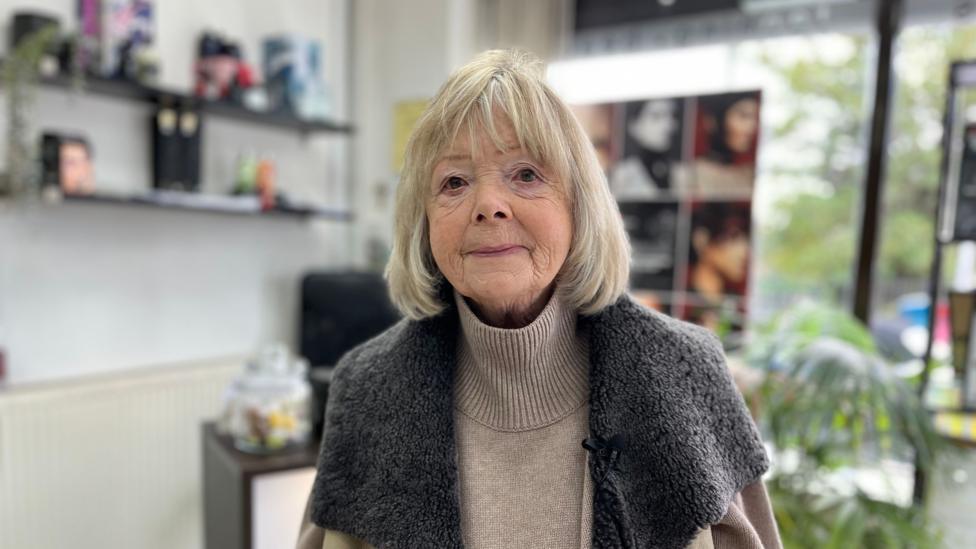
Dorothy Senior has visited M&M Spa for hair and beauty treatments for the past 20 years. She described the salon as offering far more than cosmetic services.
"Every time I come in I go home feeling so much better,"she said.
"It isn't just having nails and hair done, it's the whole package."Her perspective reflects broader concerns that salon closures would diminish community spaces and social infrastructure on high streets.
What happens next?
Chancellor John Healey is scheduled to deliver the 2026 Budget on Wednesday 28 October at approximately 12:30pm. The government's response to the salon owners' VAT cut request will become clear at that time. Meanwhile, the sector continues to face mounting pressures from employment costs and competition from self-employed models, with industry leaders warning that without intervention, further salon closures are inevitable.