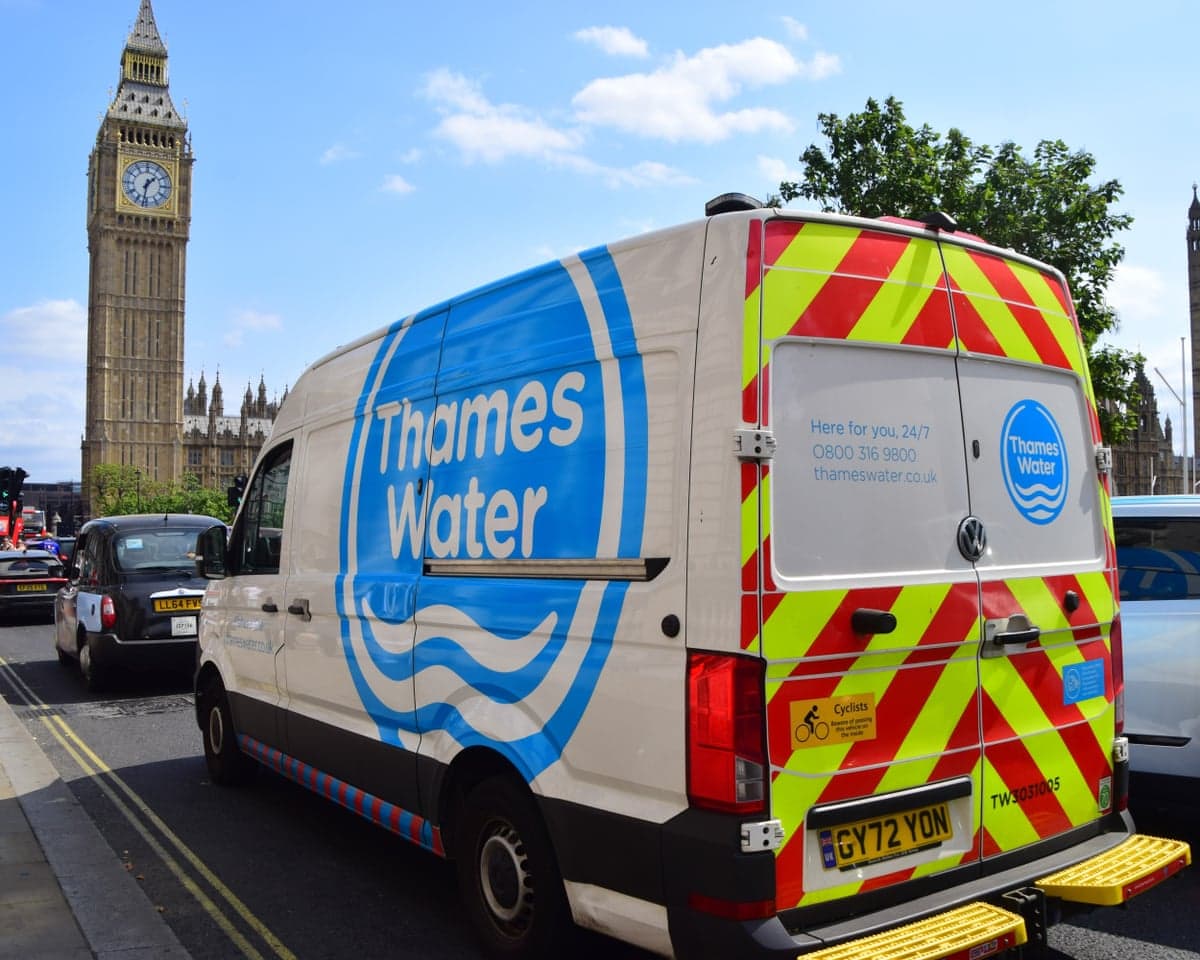
A consortium of creditors pursuing a rescue package for Thames Water has unveiled a proposed leadership overhaul in an attempt to forestall temporary nationalisation under incoming Prime Minister Andy Burnham. The lenders have named four senior figures to take formal control of the troubled utility if their £10bn recapitalisation plan wins government approval, but the move has drawn sharp criticism from public ownership campaigners who say it amounts to rearranging the deck chairs on a sinking ship.
London & Valley Water (L&VW), a group of 100 institutional investors holding £17bn of the company's £21bn debt, has put forward Mike McTighe as the new chair, replacing Sir Adrian Montague. According to , the consortium has also named Liz Barber, former chief executive of Yorkshire Water, and Clive Selley, former chief executive of network operator Openreach, as directors. Dame Bernadette Kelly, the former permanent secretary of the Department for Transport, completes the slate of proposed appointees.
McTighe, who currently chairs Openreach, would oversee a decade-long transformation if the deal proceeds.
The challenge at Thames Water is huge. If this recapitalisation plan is accepted, we will apply full dedication as a new board, working alongside the executive team to transform the business and build a culture in which the customers and local communities who depend on Thames Water come first.
The creditor consortium has emphasised that the proposed board would work on a 10-year turnaround and comprehensive transformation of Thames Water in the interest of customers and the public. McTighe added that the plan would
fix the foundations at Thames. It will take time to fix Thames Water, but we are committed to rebuilding trust with the customers and public Thames Water serves.
Why are campaigners criticising the proposal?
Public ownership advocates have dismissed the board appointments as a cosmetic exercise that ignores the interests of the 16 million people served by Thames Water. Cat Hobbs, director of the campaign group We Own It, said the announcement was
absolutely absurd. A cosy stitch-up that has nothing to do with the interests of the 16 million people who depend on Thames Water. This amounts to nothing more than a reshuffling of chairs on the deck of the Titanic.
The criticism reflects broader concerns about whether private creditor control can adequately address the company's deep financial and operational problems. The proposed appointments are intended to reassure the government that any commercial rescue would bring meaningful leadership change, but opponents argue that swapping board members does nothing to address the fundamental structural issues facing the utility.

What is the background to this rescue bid?
Thames Water has faced mounting financial pressure and operational failures, prompting Burnham to signal that temporary nationalisation should be considered. This would likely occur through a special administration regime (SAR), which would transfer the costs of running the company to taxpayers—a bill Thames Water estimates could reach £2bn.
The creditor consortium has been attempting to take ownership and bring Thames out of administration following a failed attempt last year. In earlier efforts to avert nationalisation, the lenders had offered the government a golden share to increase public oversight, and the proposal also contemplated giving local authorities and the Mayor of London greater influence over the company's plans.
The creditors' plans faced a significant setback in June when Emma Reynolds, the then environment secretary, raised objections with Ofwat, the regulator. More recently, Prime Minister Keir Starmer expressed anger at Thames Water and other companies for their handling of bills and environmental issues, warning that utility firms must not treat bill payers like a
blank chequeand signalling that the government is examining options for greater state control of the sector.
How are the creditors preparing for nationalisation?
Despite presenting the board appointments as a sign of credible private-sector stewardship, L&VW has simultaneously strengthened its legal position in anticipation of potential nationalisation. The consortium has engaged Pallas Partners, a top litigation and disputes law firm, to work alongside Akin Gump, which is advising on the terms of the restructuring proposals. This dual approach suggests the creditors are hedging their bets while pursuing the rescue deal.
L&VW's membership includes major fund managers such as Apollo Global Management, Elliott Management, Farallon Capital Management and Silver Point Capital. Investment analysts have noted that the creditors are seeking to inspire confidence in the company's future in private hands, with plans to list Thames Water on the stock market as early as 2030 if their rescue succeeds.
What happens next?
The proposed directors still need to complete Ofwat's onboarding process before they can formally join the Thames Water board. Thames Water's future remains tied to whether the creditors' acquisition and recapitalisation proposal proceeds, with the turnaround plan dependent on government approval. The outcome will determine whether the utility remains in private hands under new leadership or moves into temporary public ownership through special administration.