As Chancellor John Healey prepares to deliver his first Budget, millions of middle-income households are grappling with the reality that their finances have been stretched to breaking point. According to BBC News, families across England are reporting that there is nowhere left to cut spending, even as mortgage rates and living costs continue to rise.
The term "squeezed middle" – defined by the Oxford English Dictionary in 2011 as the section of society "principally" made up of those on "low or middle incomes" and "particularly affected by inflation, wage freezes and cuts in public spending during a time of economic difficulty" – has become a defining feature of the current economic landscape. The phrase was introduced into political discourse by Ed Miliband shortly after he became Labour leader in 2010.
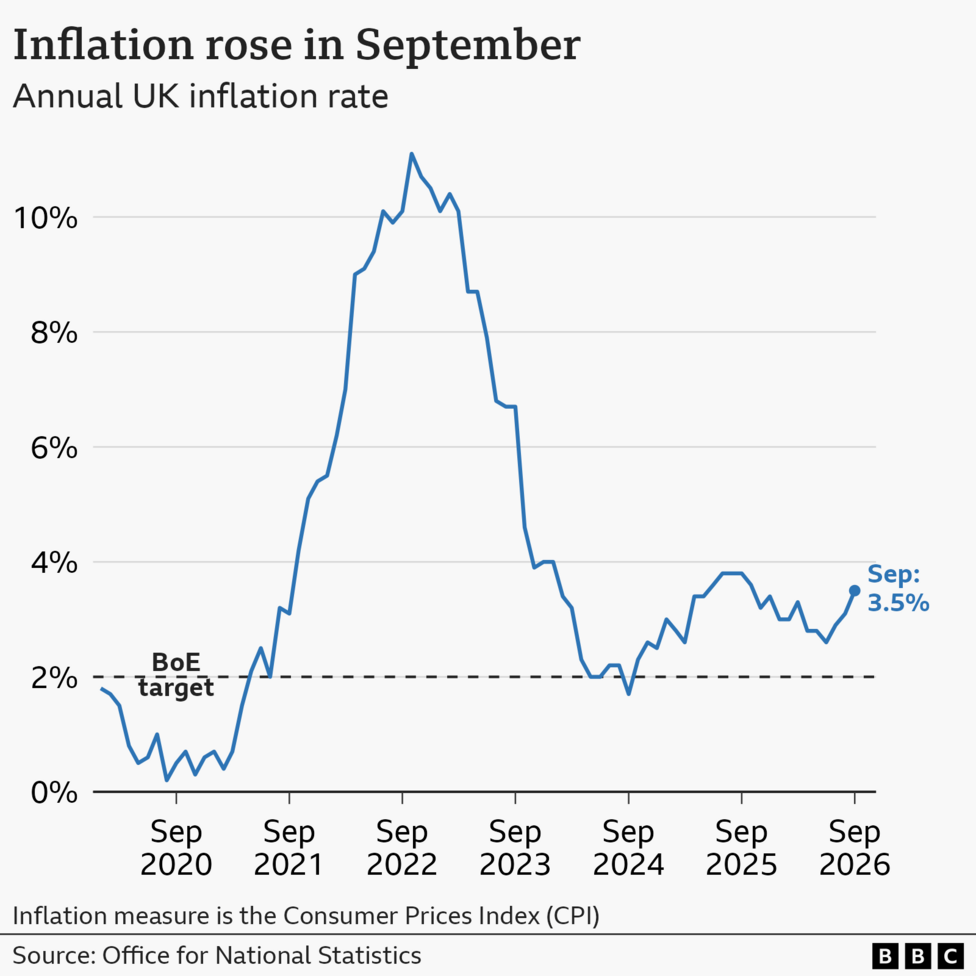
What does the data show about cost-of-living pressures?
Recent surveys reveal the scale of the challenge facing households. In August, 55% of adults responding to an Office for National Statistics survey reported that their cost of living had increased compared with the previous month. While this represents a decline from the 62% recorded in August 2025 and the 79% who reported increases in April 2026, the persistence of the problem suggests a chronic rather than temporary crisis. For those experiencing rising costs, the primary drivers remain the price of food shopping, fuel and energy bills.
According to BBC reporting, the energy price cap rose 4% on 1 October, with forecasts warning bills could rise by almost another £300 from January 2027. The Office for Budget Responsibility, which independently analyses the UK's public finances, has predicted that real household disposable income will increase by an average of just 0.75% a year between 2026 and 2030 – a stark contrast to the 3% annual growth recorded between 2000 and 2007.
How are individual families coping?
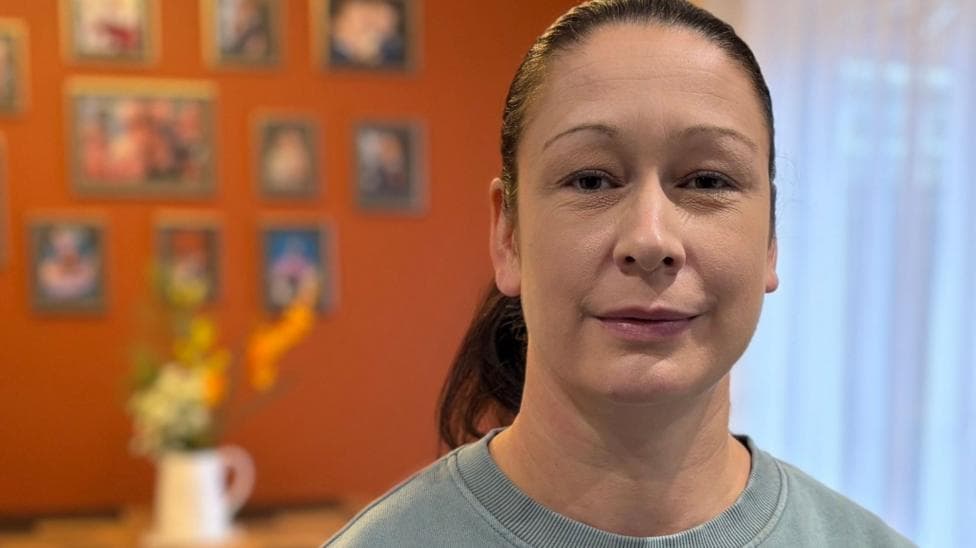
Dawn Fazackerley-King, a 42-year-old self-employed Pilates instructor in Ipswich, exemplifies the predicament facing many middle-income households. She and her husband, who works in an office, have a combined household income of approximately £70,000 a year and two children aged six and eight. Their mortgage interest rate is set to rise from 1.4% to about 5.3%, a change that could add roughly £250 extra per month to their outgoings.
"There's just no more fat to trim,"says Dawn, describing her family's monthly expenses.
"We just have to find that money from somewhere, but when you look at the direct debits every month, there's nothing fancy in there."She lists the usual bills – mortgage, council tax and energy costs – and notes that
"there's no regular meals out or anything like that."
Over recent years, as costs have mounted, her family has been
"trimming the fat accordingly."Yet the prospect of further increases leaves her anxious.
"It's quite worrying... where that money is going to come from when we're already feeling that squeeze,"she says.
When asked if she considers herself part of the squeezed middle, Dawn is unequivocal.
"Yes. Life is definitely getting more expensive,"she responds, adding that
"I think we've come to accept that is just the way it is at the moment – and we're lucky that we're able to keep our heads above water."
What about those on lower incomes?
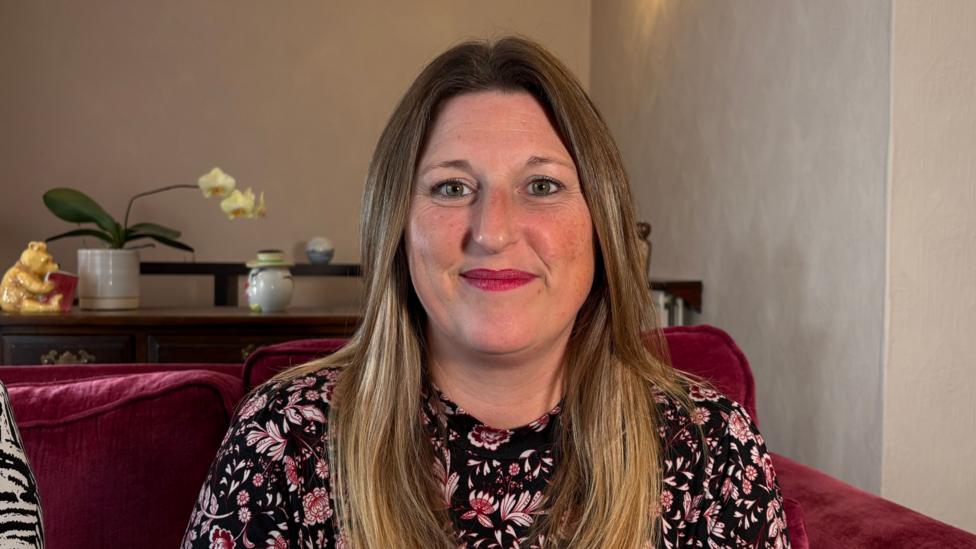
Jessica Taylor, a 41-year-old single mother based in Clacton-on-Sea, Essex, lives on approximately £26,000 a year and receives Universal Credit. She describes herself as
"definitely"feeling the squeeze. She has explained to her 11-year-old son that while they have a good life, they live
"poor in the sense that on paper we live month to month."She adds:
"If I lost my job, we've got one month – maybe two – and then we are the real poor."
To stretch her budget further, Jessica employs creative strategies. She spends time examining maps and satellite images to locate streets with unrestricted parking, spending
"10 minutes in the bath on Google Earth"before outings to identify suitable roads. Despite these efforts, she expresses a sense of limitation:
"I wish I could do more – I wish I could not panic if a car bill comes in, maybe not ask mum for help sometimes, which is rare. I wish that I could go on a few more holidays a year."However, she has made deliberate choices about her priorities, saying
"I sacrificed the holidays so that my son – throughout the year – can do regular days out, [have] regular experiences."
Jessica describes herself as
"happy… content… grateful"for the life she and her son share, yet the underlying financial fragility remains evident.
What advice are community organisations offering?
Jessica and her 62-year-old mother Karen Badenoch run Trusted Money Confidence, a community interest company that hosts free sessions for people to share money management advice and strategies. Karen, who previously worked in administration for an architecture practice, has witnessed the scale of financial distress firsthand.
"We frequently see people in work, racking up debts on credit cards and buy-now-pay-later just to be able to get to the end of the month,"she reports.
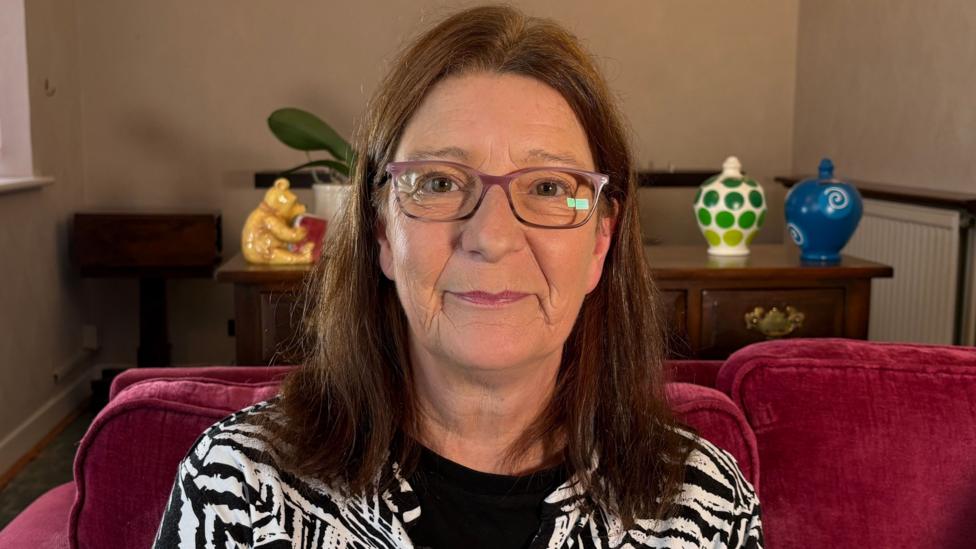
When asked what advice she would offer to the squeezed middle, Karen emphasises the importance of openness and confronting financial difficulties directly.
"The biggest thing that anyone can do is be open... and look at what your issues are – and that way you can resolve them. It is a huge lift off your mind if you actually start dealing with things and facing up to them, and believe me – you're not alone."
What government measures have been announced?
In the summer, Prime Minister Andy Burnham promised to create
"breathing space"for households struggling with costs. He announced a £2 cap on most single bus fares in England and a cut to VAT on domestic electricity bills. More recently, Burnham announced plans to remove standing charges on gas bills, though on 21 October he asked ministers to examine the proposal and report back to MPs, with no implementation details yet confirmed.
The potential impact of removing gas standing charges remains modest. Average daily standing charges are 54.8p for electricity and 29.7p for gas, with Nesta estimating that shifting gas standing-charge costs to unit rates could reduce a typical annual bill by £27, while potentially raising costs for heavy users. Ofgem has been consulting on standing charges for nearly two years and is piloting low-standing-charge tariffs, but has not yet reached firm conclusions.
When asked what message she would send to the Prime Minister and Chancellor, Dawn is direct:
"Please start listening. The cost of living is becoming unbearable and I don't feel that the government are always hearing that message."While she welcomes the move on standing charges, she believes ministers have been
"trying to put sticking plasters over gaping wounds",which are
"not fixing the problems."
What are the Chancellor's Budget commitments?
Chancellor Healey has promised that the Budget will honour Labour's commitment not to increase the three main taxes – income tax, National Insurance and VAT – while adhering to the party's fiscal rules. He has also pledged that the Budget will deliver
"growth in every postcode, while giving businesses and families some breathing space."Additionally, he has committed to cutting what he describes as
"pointless paperwork"to save businesses up to £800 million.
What happens next?
Chancellor John Healey is scheduled to deliver the Budget on Wednesday 28 October 2026. The announcements will determine what, if any, relief the government can offer to households like those of Dawn, Jessica and millions of others navigating the persistent squeeze on their finances. The outcome will reveal whether the government's approach moves beyond temporary measures to address the underlying pressures facing middle and lower-income families across the country.