Hundreds of independent television production companies across the UK operate with such minimal financial reserves that even a modest production delay or filming overrun could force them into insolvency, according to research released by industry body Indielab. The analysis of Companies House filings reveals that two in five of these firms could exhaust their cash within the next 24 months, exposing a fundamental vulnerability in the sector that has already claimed several high-profile casualties.
Indielab examined three years of financial statements from more than 200 of the estimated 800 independent television producers operating in the UK. These independent companies, known as "indies," account for 85% of the nation's production sector. The findings paint a troubling picture of eroding financial health across the industry.
How depleted are production company reserves?
The median cash reserve held by a typical small independent producer in the sample of 203 companies stood at just £42,000 by the end of the three-year analysis period, down from £51,000 at the start. More than half of all companies examined saw their reserves decline over this timeframe, with 40% experiencing reductions of nearly one-third and 31% losing more than half their financial cushion.
"[The £42,000] buffer would not cover the cost of a single delayed commission, a production overrun, or a series put on hold [by a broadcaster] after delivery," said Victoria Powell, chief executive of Indielab. "The picture is stark. Small producers are the most exposed part of the ecosystem. When commissioning spend falls, they feel it first and hardest. Our data shows the sector's health is being eroded, year on year."
Which production companies have already closed?
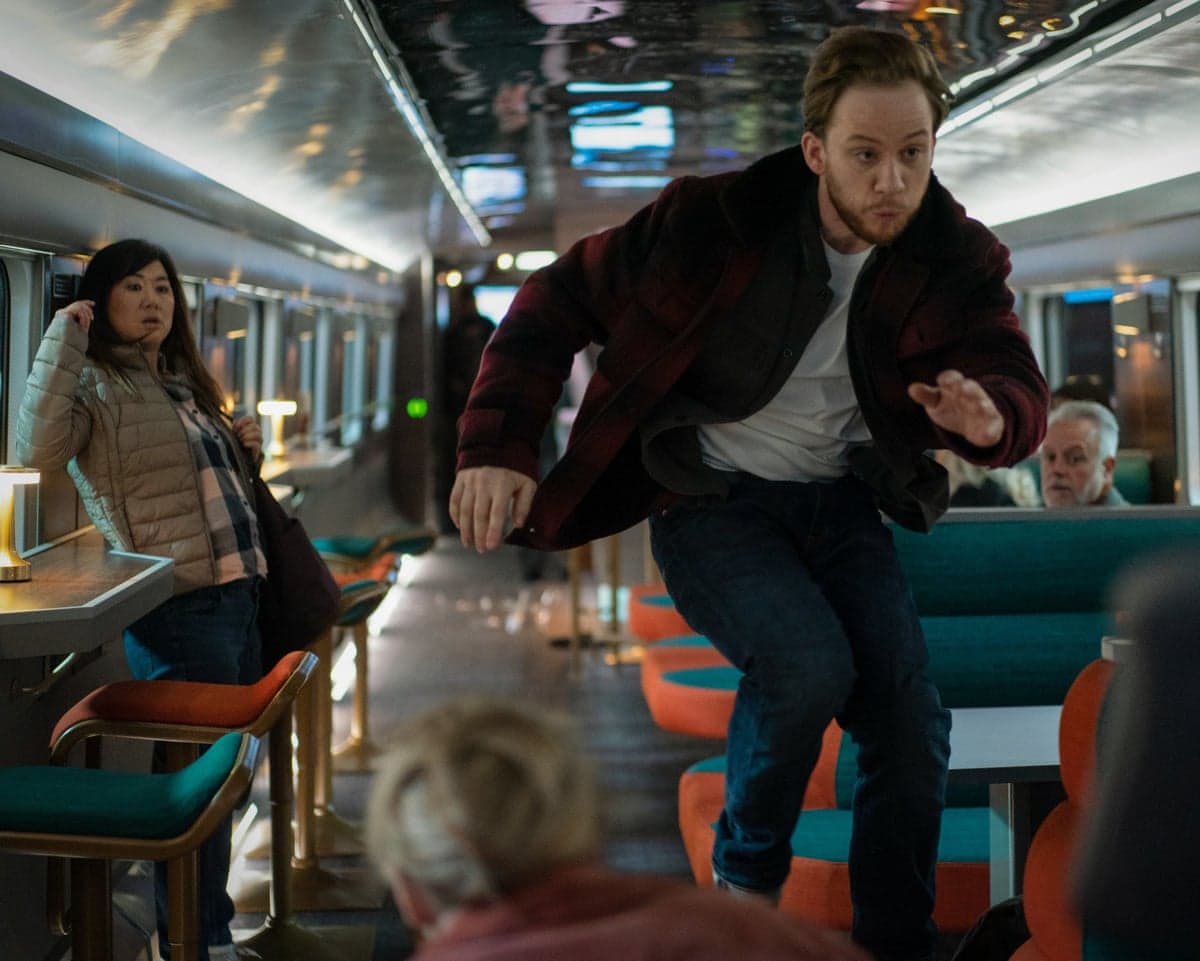
The sector has already witnessed the collapse of several established names. Euston Films, which produced the pre-apocalyptic thriller Hard Sun and the train drama Nightsleeper for the BBC, ceased operations in recent years. Dare Pictures, responsible for commissions including Fugitive: The Mystery of the Crypto Queen and UK Prisons Exposed: Sex, Drugs & Corruption, has also wound down.
Leeds-based Duck Soup Films, creator of the drama Lost Boys & Fairies for the BBC and 's Dreamers, has stopped active development and production. Proper Content, a factual producer with credits including the BBC documentary P Diddy: The Rise and Fall, the Channel 5 royal docuseries The King's Guard and the programme The School That Tried To End Racism, has similarly exited the market.
"We have seen many notable closures across the sector in the last two years," Powell said. "We know of many more companies that have quietly closed or mothballed outside the headlines. Our data strongly suggests this trend will accelerate."
Why are broadcaster budgets under pressure?
Public service broadcasters remain the dominant funding source for small independent producers, accounting for 71% of UK original content investment in 2024 and 85% of all original hours produced last year, according to a report released by Everyone TV, the joint venture owned by the BBC, ITV, and Channel 5. However, total commissioning expenditure across all UK-based broadcasters has fallen to its lowest level since the industry shutdown during the Covid pandemic in 2020.

The decline has been particularly severe among multichannel broadcasters such as Sky, where spending has contracted by almost 40% over the period under review. Figures from the British Film Institute demonstrated that investment in prestige television—high-end productions costing at least £1 million per hour—dropped from £794 million in 2023 to £688 million in the following year.
More recent data underscores the continuing contraction. According to BFI statistics published on 11 August 2026, UK film and high-end television production spend fell 15.6% year on year to £2.7 billion in the first half of 2026, indicating that the downward pressure on the sector has intensified rather than stabilised.
How are major broadcasters performing financially?
Despite the challenges facing independent producers, some larger players have maintained stronger positions. ITV's half-year 2026 results showed ITV Studios revenue of £912 million, up 2% year on year, while group adjusted EBITA was £146 million. The BBC's commercial arm has also demonstrated resilience, with BBC Commercial reporting stable revenue of £2.2 billion in 2025/26 and increased EBITDA by 17% to £267 million. The commercial division returned £377 million to the BBC in 2025/26 and remains on track to deliver £1.5 billion over five years, with growth driven by direct-to-consumer services including BritBox and BBC Select, plus consumer products led by Bluey.
What structural challenges face the independent production sector?
The arrival of well-capitalised US streaming platforms including Netflix, Amazon and Disney+ has not translated into financial stability for small UK producers. These companies remain heavily dependent on traditional broadcasters for their survival. The Everyone TV report warned of a "spiral of decline" affecting the production industry if broadcaster budgets continued to contract.
Additional cost pressures have emerged in 2026. The National Living Wage rose 4.1% from 1 April 2026, adding to payroll expenses for production companies already operating with minimal margins. These labour cost increases arrive at a moment when commissioning budgets are shrinking, creating a squeeze that small producers with limited reserves cannot easily absorb.
What are industry leaders calling for?
"PSBs with a statutory duty to support independent production need to consider what that duty really means in practice, and whether they are currently meeting it," Powell said. "The accounts of 203 indie TV companies should be a wake-up call to the sector."
Indielab's research focused specifically on small indies with annual turnover below £10 million. Pact, the broader industry representative body, reports 800 independent production company members, the majority of which are small and medium-sized enterprises with turnover under £50 million. The disparity between the financial health of major broadcasters and their independent suppliers suggests a structural imbalance in how resources flow through the production ecosystem.
What happens next?
Industry figures will gather at Screen Summit 2026 on 3 September 2026 to discuss the challenges facing film and television production companies, broadcasters and freelancers. Indielab has also launched Content Futures 2026, a programme designed to help established independent production companies adapt to the changed television market landscape.
Key Facts
- Median cash reserves of £42,000 held by small independent TV producers cannot cover a single delayed commission or production overrun
- 40% of the 203 small indies analysed face running out of cash within two years, with more than half experiencing reserve declines over the three-year study period
- Public service broadcasters account for 71% of UK original content investment but total commissioning spend has fallen to its lowest level since the 2020 pandemic shutdown
- UK film and high-end TV production spend fell 15.6% year on year to £2.7 billion in the first half of 2026
- Several high-profile production companies including Euston Films, Dare Pictures and Duck Soup Films have ceased operations in recent years