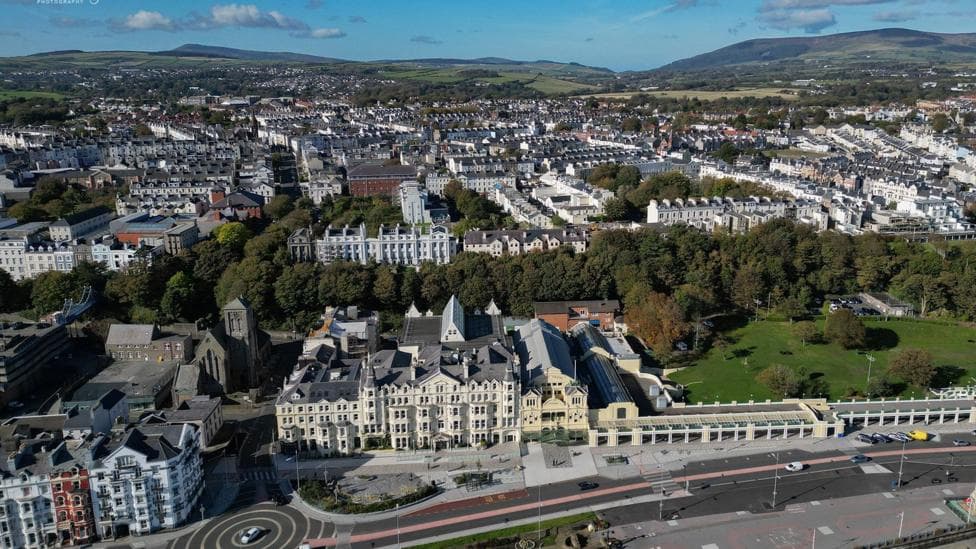
With the Isle of Man general election scheduled for 24 September 2026, residents, businesses, and charities are placing economic hardship at the centre of their concerns, citing rising costs and stagnant incomes as their primary worries ahead of the vote.
Across the island, independent retailers report declining footfall and mounting operational expenses, while the foodbank has seen demand double in two years. The Isle of Man Chamber of Commerce has warned of an impending period of severe economic strain, pointing to a contracting economy and significant job losses in key sectors.
Candidates standing in the election have been called upon to articulate concrete plans for supporting households and businesses, with voters demanding clarity on how prospective representatives intend to address the financial pressures affecting daily life.
How are residents experiencing rising costs?
Islanders describe a relentless squeeze on household finances, with everyday expenses climbing faster than wages. Sharon Cox, a Douglas resident, characterised life as increasingly unaffordable, particularly for older and vulnerable people.
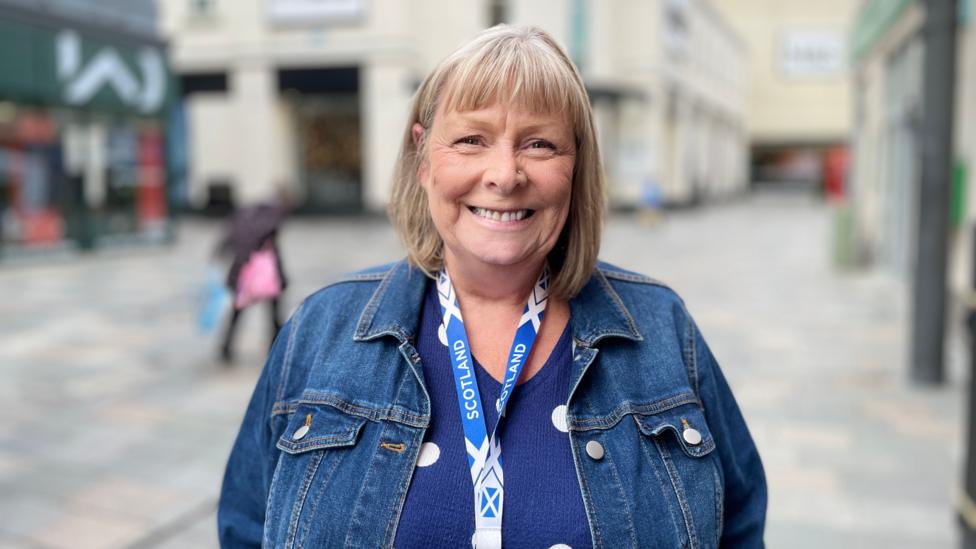
Life was "not affordable.. especially for older people and vulnerable people",Cox said, noting that prices were rising substantially with each shopping trip.
"25 or 30 pence"increases were becoming routine, she explained.
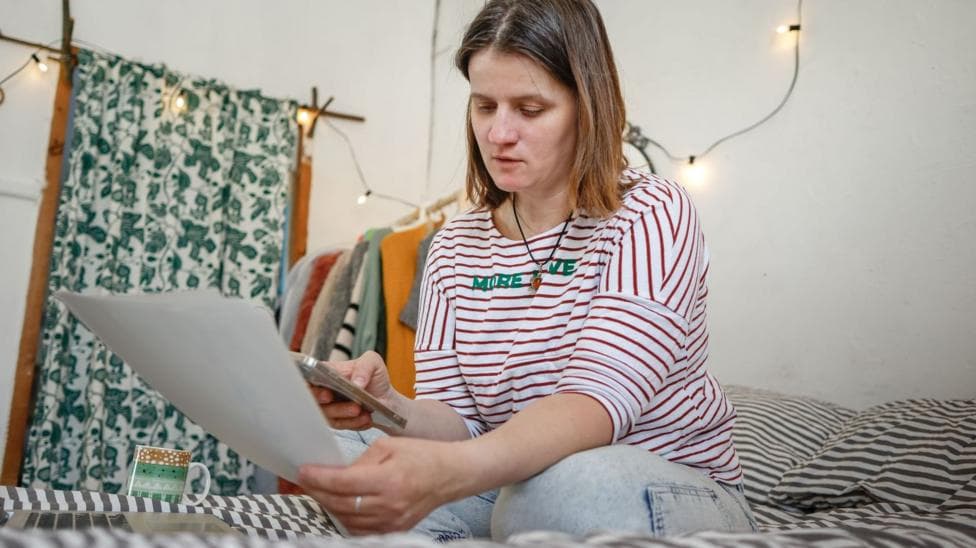
Caitlin Gibson, a mother of one living with her own parent, described a situation where her entire income is consumed by childcare and living expenses, leaving nothing for savings or independent housing.
"I can't really afford to move out. I can't afford to save anything, so everything I earn, which is very little in the first place, is going on my baby."
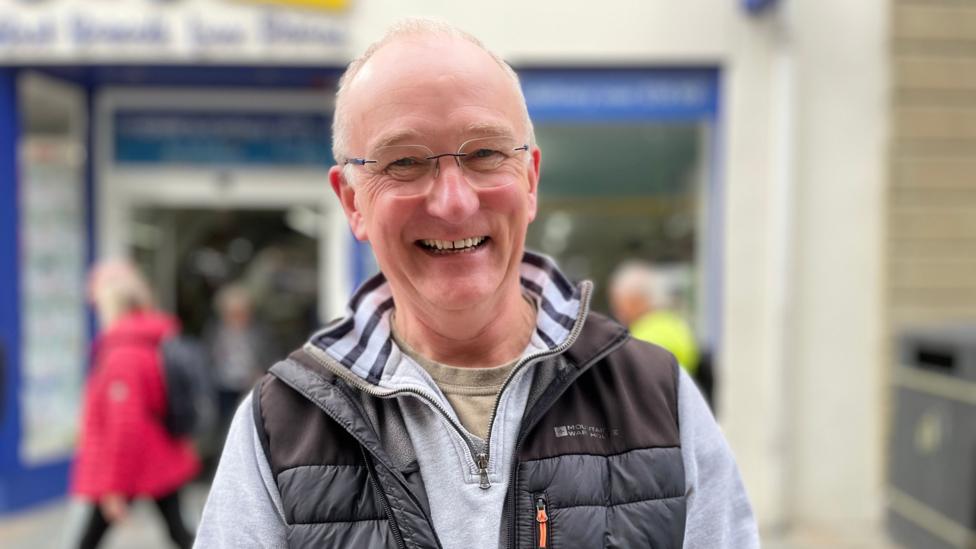
Andrew Cairns highlighted the particular impact of energy and fuel price rises on household budgets.
"Petrol is going up, electric, gas. You've only got to go in a shop a month apart and you can see the prices rising,"he said, describing the cumulative effect as having
"a massive impact"on his finances and voting intentions.
What pressures are small businesses facing?
Independent shop owners across Ramsey and Douglas report that the past few years have been among the most challenging in their trading history. Revenue has stalled while operational costs have surged, creating a squeeze that threatens viability.
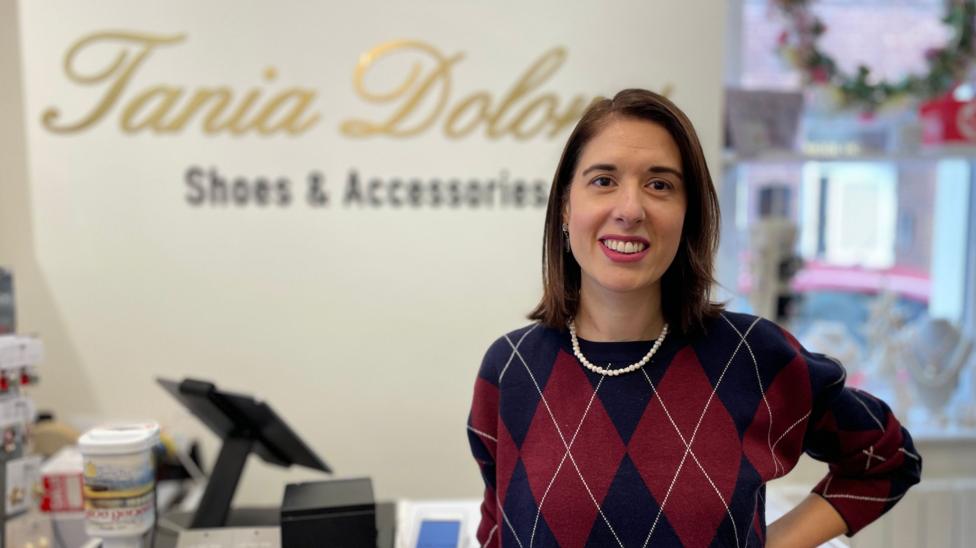
Tania Dolores, who has operated a shoe and accessory store in Ramsey for over a decade, described the daily reality of running a struggling business.
"Every day is a struggle. We are not making what we used to make."Her takings remain at the same level as a decade ago, yet her bills have risen substantially.
Amy Salter, from the Brunch cafe, explained that supply chain and energy costs have fundamentally altered how the family business operates. When the cafe opened three years ago, conditions were considerably more favourable, and even modest increases in stock prices now have outsized consequences for profitability.
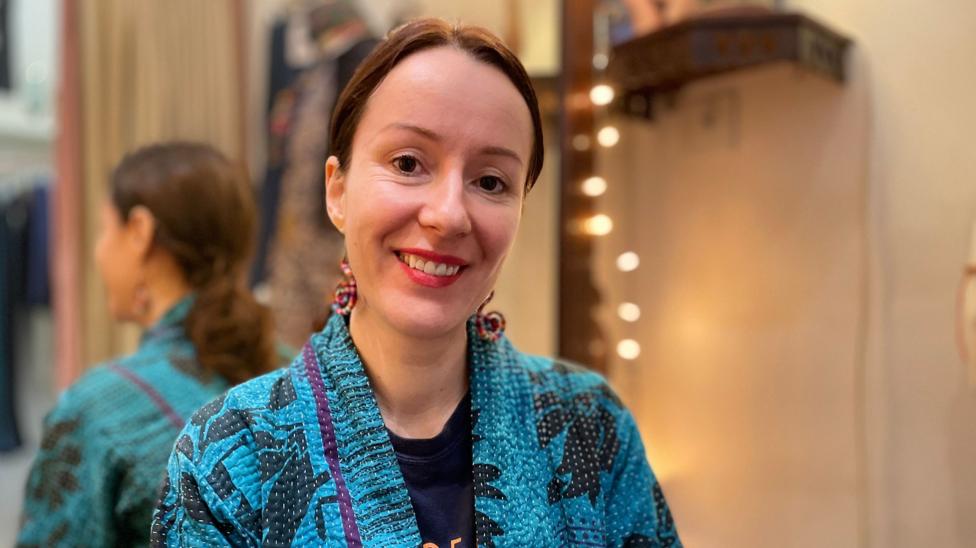
Linda Murphy, proprietor of Oma Sustainable Living, pointed to a sharp drop in footfall following the removal of government services from the Post Office earlier in 2026. She called for election candidates to demonstrate genuine commitment to supporting small businesses and the high street.
"I want to see in charge somebody who understands and is looking out for small businesses, somebody who understands the value of the community, the high street and what it benefits"."

What do charities say about economic hardship?
The Isle of Man Foodbank has become a barometer of economic distress on the island, with demand doubling over the past two years. David Gawne, chairman of the foodbank, reported that the organisation was distributing 400 parcels monthly, compared with 200 two years earlier.
A striking feature of the foodbank's caseload is that 80 per cent of those receiving support are employed full-time.
"Not earning enough now to be able to support themselves or support their family"is the reality for these working people, Gawne explained. Many families exist in a precarious financial state, with
"a lot of people just one payday away from relying on the food bank… that is a reality for a lot of people."
Gawne urged the incoming administration to prioritise economic growth and stability as a matter of urgency.
What is the state of the island's economy?
The Isle of Man Chamber of Commerce has issued a stark assessment of the economic outlook, warning that the island faces
"a very hard five years"ahead. Claire Watterson, representing the business lobby group, cited a shrinking tax base and substantial job losses in high-earning sectors as drivers of this pessimistic forecast.
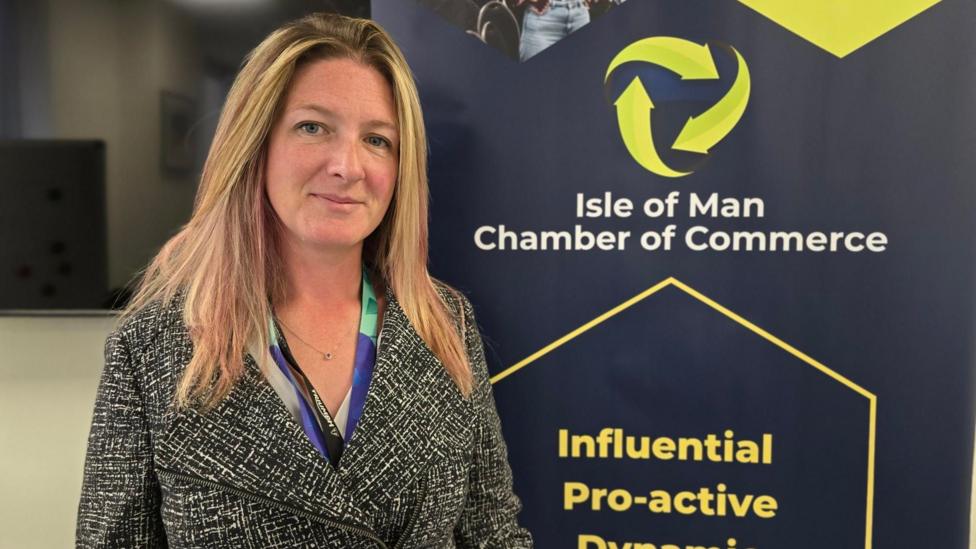
Government statistics released during the campaign period show that the economy contracted by 7.4 per cent over the two-year period to March 2024. In the year to March 2024 alone, approximately one thousand jobs were lost in the export sector, encompassing financial services, insurance, and manufacturing.
Watterson described these figures as
"incredibly concerning",and highlighted the additional uncertainty posed by artificial intelligence, whose full impact on employment remains unmeasured. She called for the election campaign to focus on national economic strategy rather than parochial local issues.
"What we are voting for in September is our national government… how we are going to grow the Isle of Man economy and set us apart on an international stage,"she said.
The economic backdrop to this election reflects broader pressures affecting households across the British Isles. A February 2026 budget adjustment aligned most benefits with inflation, using Isle of Man CPI figures of 2.9 per cent, though this has not kept pace with the lived experience of many residents. According to official government guidance, the living wage was set at £12.01 per hour, with a single male requiring £404.23 per week to meet basic living costs on the island.
What context exists from previous election cycles?
Economic concerns have featured prominently in Isle of Man election debates for several years. In previous campaigns, candidates have discussed minimum wage alignment, government reform, and improved transparency in public communication. The current election represents a continuation of these long-standing policy debates, though the intensity of cost-of-living pressures appears to have intensified.
Earlier this year, Deputy Lucy Stephenson proposed a temporary 10p per litre fuel duty cut to run from October to December 2026, reflecting the political salience of energy costs ahead of the election.
What happens next in the election process?
The 2026 House of Keys general election is scheduled for 24 September 2026. Prospective candidates were invited to formally declare their intention to stand from 24 September 2025 onwards, with government guidance requiring candidates to be at least 18 years old, entitled to remain on the island, usually resident for at least five years, and registered on the electoral roll.
Campaign finance and transparency rules came into effect one year before polling day, introducing new requirements for prospective candidates. As of early September 2026, election information and candidate guidance continued to be updated ahead of the September vote.
Key facts
- The Isle of Man economy contracted by 7.4 per cent in the two years to March 2024
- Approximately 1,000 jobs were lost in the export sector (financial services, insurance, and manufacturing) in the year to March 2024
- The foodbank is now distributing 400 parcels monthly, double the 200 distributed two years ago, with 80 per cent of recipients in full-time employment
- The Isle of Man Chamber of Commerce has warned of "a very hard five years" ahead due to a shrinking tax base and job losses
- The general election is scheduled for 24 September 2026