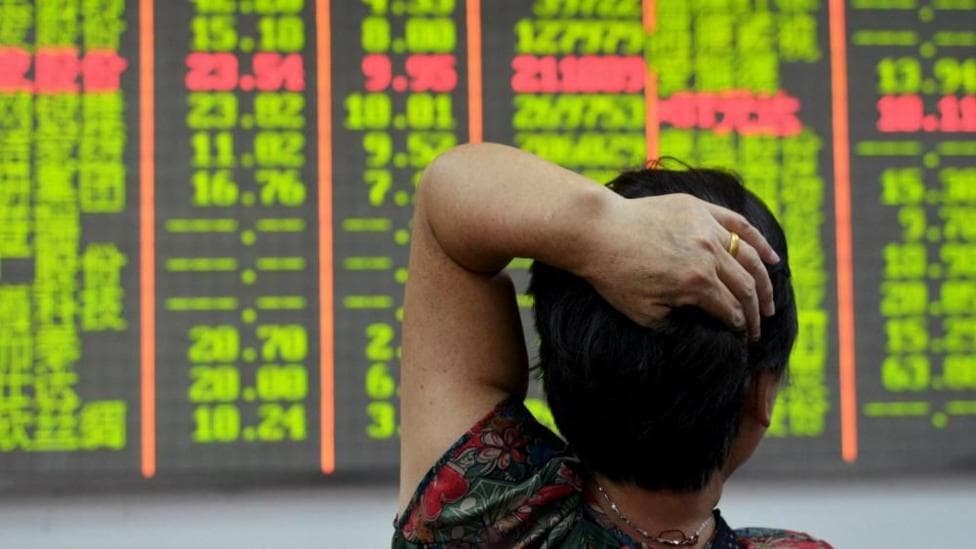
Fast-fashion retailer Shein commenced trading on the Hong Kong Stock Exchange on 1 September 2026 after pricing its initial public offering at HK$48.56 per share on 28 August. The listing raised 13.6 billion Hong Kong dollars ($1.7bn; £1.3bn) and valued the company at $26.3bn—a dramatic decline from its private valuation of nearly $100bn just years earlier.
The Hong Kong debut represents a significant retreat for a company that once pursued listings in the United States and United Kingdom. Those efforts collapsed amid mounting concerns over labour practices, environmental impact, and regulatory scrutiny. The shift to Hong Kong underscores the geopolitical pressures and regulatory barriers facing Chinese companies seeking global capital markets access.
According to , Shein's shares began trading under stock code 00625 after the company sold up to 341.6 million H shares following approval from China's securities regulator in July. The listing marked Hong Kong's largest new share sale so far in 2026.
How did Shein reach this point?
Shein's trajectory from a privately-held unicorn to a publicly-listed company reflects the company's struggle to find a welcoming home among major Western exchanges. Founded in China and now headquartered in Singapore, the retailer operates across more than 150 countries and reported 281 million active customers who placed over a billion orders in the year ending 31 March 2026.
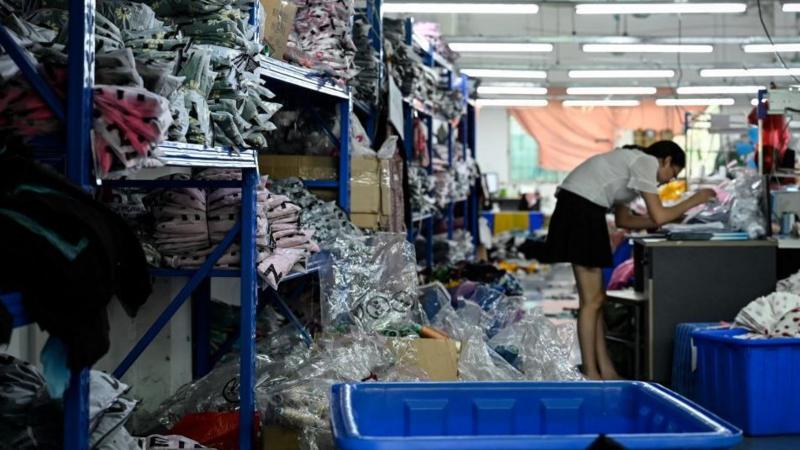
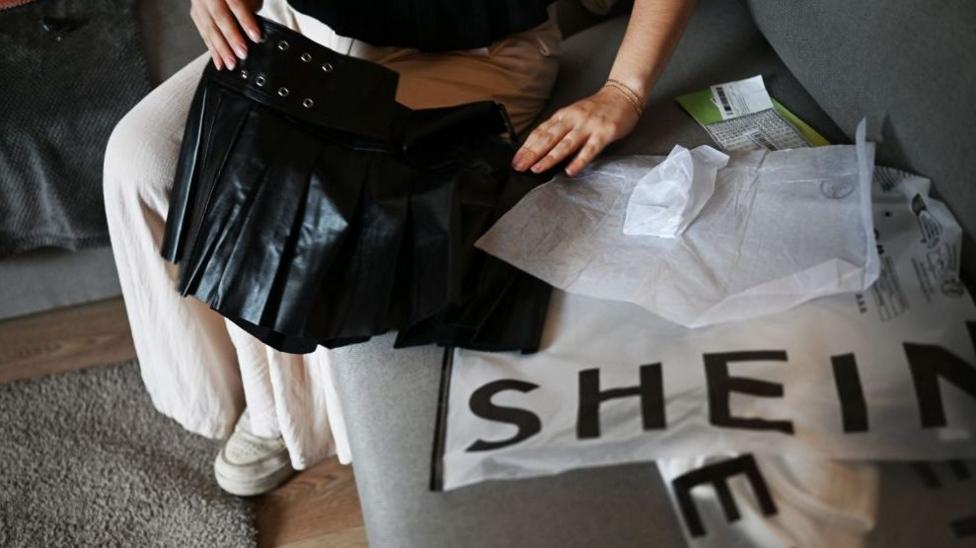
The company built its reputation by sourcing the latest fashion trends at ultra-low prices through an extensive network of Chinese factories. This model proved particularly successful during the Covid-19 pandemic, when consumers stuck at home embraced online shopping. Social media trends such as "Shein Hauls"—videos of customers trying on large quantities of garments—amplified the company's reach among younger demographics.
An initial public offering in the United States, Shein's largest market, would have provided access to Western capital and further elevated its global standing. However, US lawmakers blocked the move, citing concerns about forced labour allegations in Shein's supply chain. The company responded by stating it maintains a "zero-tolerance policy for forced labour." Shein also faced accusations of copying designs from other creators; the firm has said it "takes all claims of infringement seriously" and respects designer rights.
Similar resistance emerged when Shein explored a London listing. In July 2026, China's securities regulator approved the Hong Kong listing, clearing a major regulatory hurdle. The company attempted to distance itself from its Chinese origins by relocating its headquarters to Singapore, but this rebranding failed to secure political backing in Western markets or formal assurances from Beijing.

Ashley Dudarenok, founder of Chinese market research firm ChoZan, observed that "Shein ran out of venues that could take it." She noted the company never won sufficient political support abroad. For Chinese firms increasingly excluded from Western exchanges, Hong Kong has become the primary alternative. In February 2026, founder Xu Yangtian made a rare public appearance at a major business conference in Guangdong, where he reaffirmed Shein's commitment to China and pledged significant investments in the country's garment industry.
What challenges is Shein facing?
The company's valuation collapse reflects deteriorating business conditions and mounting regulatory headwinds. In July 2026, Shein reported a $99m quarterly loss as sales declined following the US elimination of the de minimis exemption—a rule that had allowed packages worth less than $800 to enter the country duty-free. This exemption had been instrumental in enabling Shein and rival Temu to expand rapidly in the American market.
The European Union has imposed a €3 (£2.57; $3.50) tax on low-value imports, further pressuring Shein's cost structure. The company has also cited the Iran war as a factor that raised costs, increased demand uncertainty, and caused delivery delays in certain markets. Rival PDD, which owns Temu, reported lower-than-expected quarterly revenue in August, indicating that the entire sector faces similar pressures.
Shein is under investigation by both US and European regulators examining its business practices. Its fast-fashion model has drawn intense scrutiny over environmental and human rights concerns. Louise Deglise-Favre, a fashion industry analyst at research firm GlobalData, characterised the listing as occurring at a "complex moment" as investors grow sceptical of fast-fashion company performance. She noted that Shein represents a rare standalone e-commerce firm that can be evaluated independently, unlike rivals Asos and Boohoo, whose shares have been battered by regulatory pressure and competition.
What do analysts expect going forward?
Despite these challenges, some analysts identify continued potential. Deglise-Favre highlighted that investors will scrutinise whether Shein can navigate obstacles such as relocating logistics outside China to circumvent US and EU import fees. While the valuation decline demonstrates "genuine deterioration," she noted the company retains a "formidable supply chain" and extensive global reach.
Dudarenok cautioned that as a publicly-listed entity, Shein must "prove its margins still work in a world of tighter regulation, tariffs and more expensive customer acquisition." Consumer demand for Shein's products remains evident, but regulatory costs and tariff burdens have compressed profitability in ways the company's previous business model did not anticipate.
The Hong Kong listing serves as a bellwether for investor appetite in the fast-fashion sector. Deglise-Favre observed that "investors have learned to be sceptical," with sustainability and ethical concerns adding complexity to Shein's share sale. The company's ability to restore profitability while managing regulatory obligations will determine whether the Hong Kong debut marks a genuine recovery or merely a temporary reprieve for a business model under structural pressure.