Telecoms company BT is positioned to secure an estimated £2bn-plus windfall over the next decade by selling off redundant copper cabling as it transitions the UK's network to full-fibre broadband and capitalises on surging metal prices driven by artificial intelligence infrastructure expansion.
Copper has emerged as one of the primary beneficiaries of the global electrification trend, proving essential for the rapid expansion of AI data centres, consumer electronics and the accelerating renewable energy sector. The metal reached its highest-ever closing price of $14,294 per metric tonne on Friday, approaching the record intraday peak of $14,500 achieved earlier this year amid concerns over global supply constraints.
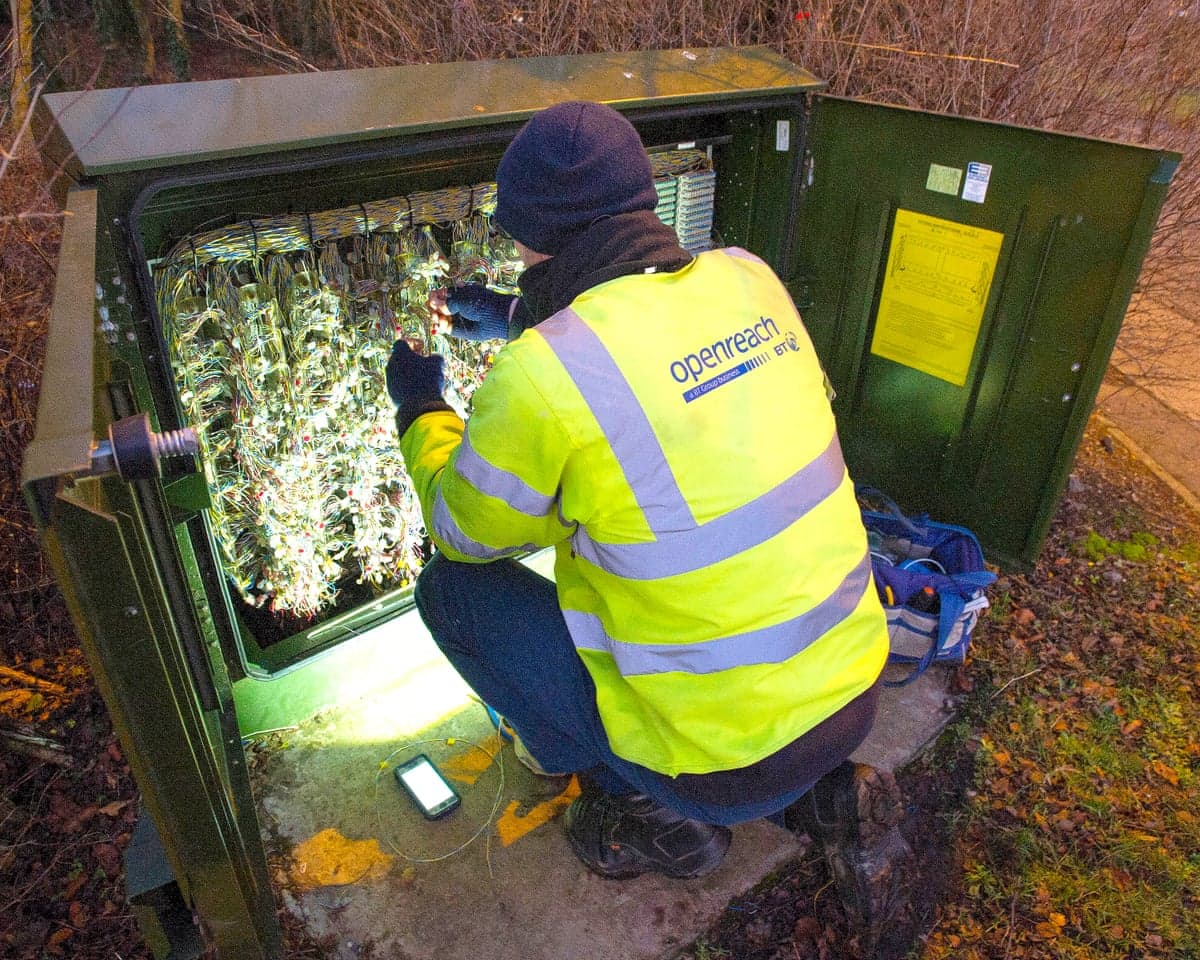
Through its partnership with EMR, the UK's largest cable granulation company, BT has now received £99m upfront for thousands of tonnes of surplus stripped copper. This represents the second such payment the telecoms company has obtained, as it rolls out full-fibre broadband to 30 million homes by the end of the decade via its Openreach subsidiary.
The forward sale agreements, which are understood to span approximately 20,000 tonnes of copper over four-year periods each, exclude any additional revenue BT may generate annually by selling recycled copper on the spot market at prevailing prices.
How much copper is BT recovering?
BT recovered nearly 10,000 tonnes in the year to the end of March 2026, almost triple the 5,600 tonnes reported in its 2025 results and substantially more than the 3,400 tonnes extracted in the year to the end of March 2024. Since commencing its copper stripping and sales programme in 2023, the company has accumulated a total of 22,347 tonnes.
The record recovery coincides with a period of exceptional metal valuations that could deliver substantial financial benefits to BT. When the company first reported its copper haul in 2023, the average price per tonne stood at approximately $8,500. The subsequent rise in value has transformed the metal into a target for theft across Britain's infrastructure networks.
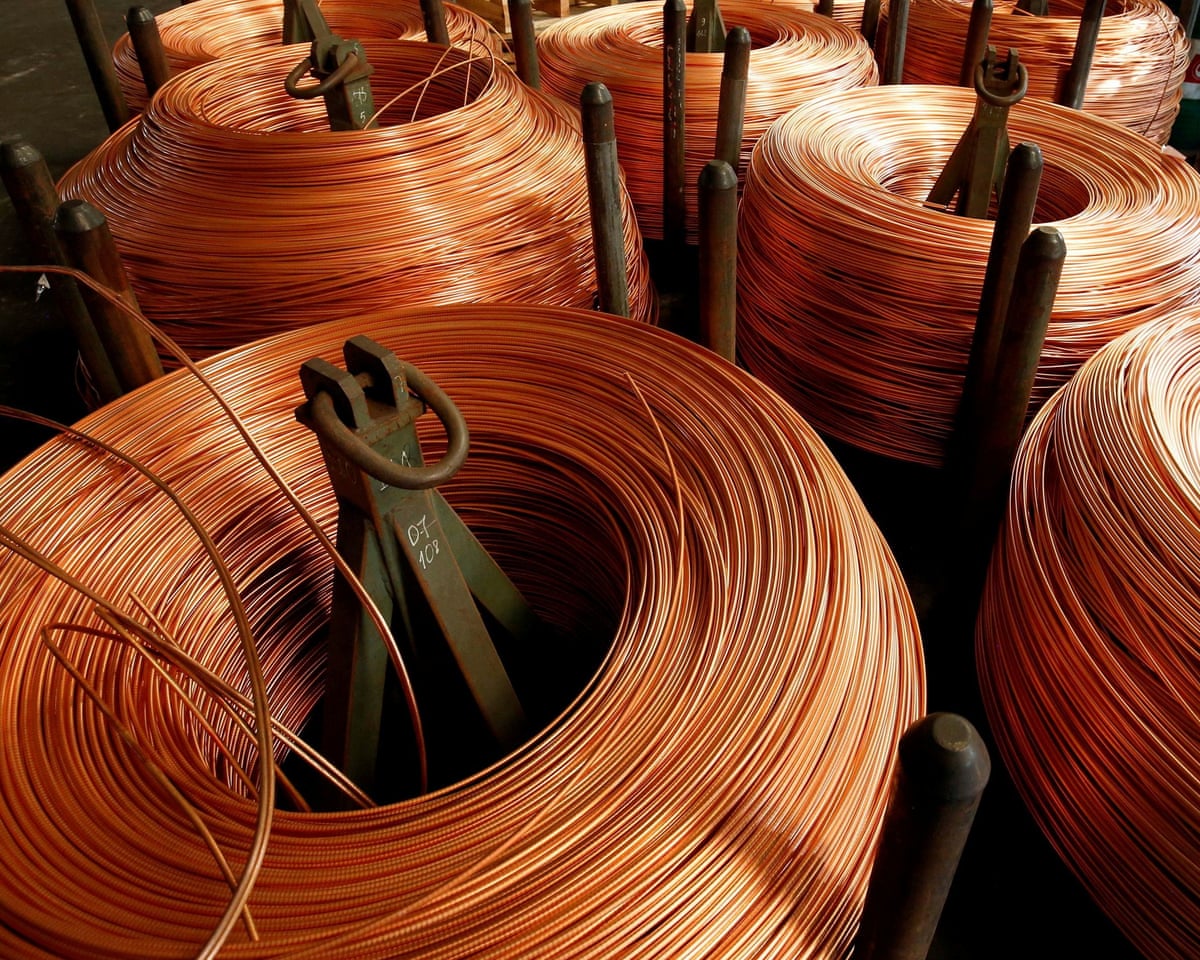
We recovered even more copper cabling. Removing 9,147 tonnes from our network for recycling at a time when global demand has never been higher.These words from Mike McTighe, chair of Openreach, in BT's latest annual report, acknowledge both the operational achievement and the favourable market conditions surrounding the copper programme.

What is the scale of BT's copper opportunity?
Openreach has indicated it expects to recover up to 200,000 tonnes of copper as the full-fibre rollout continues through the 2030s, with telecoms cabling producing high-grade recycled material suitable for reprocessing. At current market valuations, the entire projected copper tonnage could be worth £2bn or more, according to industry analysis.
The pricing outlook remains supportive. Rating agency S&P Global forecasts that global copper demand will expand from 25 million metric tonnes at present to approximately 50 million metric tonnes by 2035, creating sustained pressure on supply chains and potentially underpinning elevated prices throughout BT's extraction programme.
Copper has become one of the most strategic materials in the modern economy. As we connect the nation to more reliable full fibre, we're able to retire parts of the legacy network that are no longer needed. Recovering and recycling that copper is the right thing to do. It reduces waste, supports the UK's energy transition towards renewables and helps keep a critical resource in circulation at a time when growing demand is putting pressure on global supply chains.This statement from Abby Chicken, head of sustainability at Openreach, frames the copper programme within the broader context of Britain's energy transition, which is being supported by a £60bn electricity grid overhaul to deliver renewable energy across the country.
Why has copper theft become a problem?
The surge in copper prices has made the metal an increasingly attractive target for organised theft. In 2024, Openreach suffered copper thefts in the New Forest and Northern Ireland, leaving hundreds of homes and businesses without connectivity. Last year, thieves struck in St Neots, Cambridgeshire, damaging nearly a mile of underground cables.
In response, Openreach has deployed multiple anti-theft measures, including coating miles of underground cables with SelectaDNA, a synthetic DNA and UV tracer that readily transfers to hands and clothing. The company reported a reduction in copper theft incidents following deployment of the new technology. However, this approach cannot be applied to cables already buried underground, meaning thieves continue to target existing copper infrastructure.
The scale of the theft problem is substantial. According to industry analysis, UK cable theft costs the economy approximately £4bn per decade, prompting Openreach to partner with Crimestoppers and EMR to address the problem systematically.
What is the regulatory framework?
BT's copper-retirement programme operates within a regulated framework. According to Openreach's regulatory submission, copper-retirement rules change at specific ultrafast broadband coverage milestones: stop-sell rules apply at 75% ultrafast coverage, while copper charge controls take effect at 100% ultrafast coverage. This regulatory backdrop ties BT's copper removal programme to the pace of full-fibre deployment and ensures the transition is managed in coordination with broader network modernisation objectives.
What happens next?
BT is scheduled to report its full-year results on 5 November 2026, which may provide an updated assessment of the copper programme's financial performance and trajectory. Openreach's copper-retirement timeline continues through the 2030s, with further shutdown milestones anticipated as ultrafast coverage expands across the country.